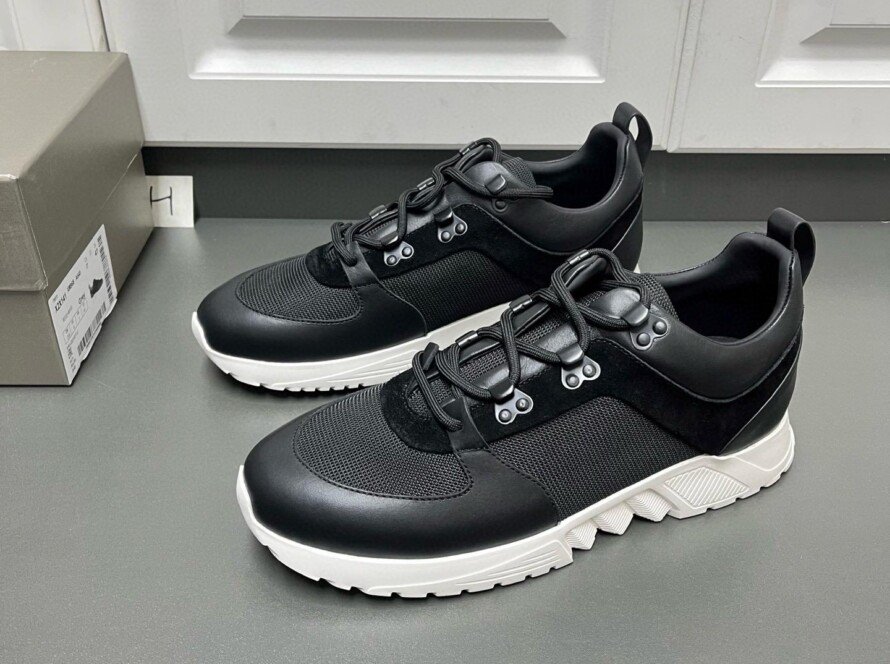
The soul of a shoe does not lie in the sparkling upper or exquisite decoration, but in the part that is in contact with the ground – the sole. For connoisseurs of fine footwear, soles represent more than just practicality. It is a testament to traditional craftsmanship, biomechanical artistry and uncompromising luxury. Whether protecting a pair of Berluti Oxfords among the cobblestones of Milan or ensuring quiet elegance in a Brussels boardroom, the sole is where true sophistication begins.
Anatomy of Excellence: Interpreting Luxurious Soles
The high-quality sole consists of three cleverly integrated layers:
Outsole: A base in direct contact with the terrain, made from materials such as Italian vegetable-tanned leather, Vibram rubber, or hybrid compounds designed for quiet footfall and dynamic traction. Luxury brands like John Lobb use oak bark-tanned leather soles, which undergo a 28-day process to create unparalleled density and a characteristic caramel hue.
Midsole: Hidden inside, this layer absorbs impact and shapes the wearer’s gait. Custom brands like Stefano Bemer insert beautiful cork pockets infused with organic beeswax that adapt to the contours of the foot for a comfortable fit over 30 wears. "Memory fits."
- insole: Often lined with soft calfskin or antibacterial Japanese silk, this is a luxurious touch that cares directly for your feet. Brands like Edward Green feature multi-layered leather insoles sewn with linen threads for breathability and structural integrity.
The Alchemy of Materials: What Makes Luxury Different
High-end soles refuse the compromises of mass production. Instead, craftsmen select materials based on performance and patina:
- Leather sole: Vegetable-tanned leather from France’s Tanneries d’Annonay (suppliers of Hermès and Aubusson) takes on richer characteristics with wear. Their porous nature regulates temperature, while microscars tell a unique journey story.
- Rubber innovation: Brands like Prada and Tod’s use invisible rubber—ultra-thin, silent, and engraved with discreet logos. Vibram’s Artico® sole mimics the elegance of leather while delivering road-level durability.
- Perfect for the discerning exotic: Cartier’s limited-edition loafers feature crocodile leather soles and a waterproof lacquer finish. Bottega Veneta’s intreccio soles feature strips of rubber woven into a signature plaid pattern.
Craftsmanship: Where Art Meets Science
Behind every luxurious sole lies hours of meticulous work:
- Hand welted: Artisans at brands like Gaziano & Girling pierce leather uppers and soles with boar bristles and sew them with waxed linen thread. This creates a flexible, resolable bond—a hallmark of heirloom-quality shoes.
- norwegian architecture: A complex technique where the sole is stitched vertically to the edge of the upper, leaving decorative lines visible. Favored by AMURI for its waterproof elasticity.
- Custom sole engraving: For private clients, manufacturers like George Cleverley use laser scanning of feet to sculpt asymmetrical soles to correct postural imbalances—the secret weapon of CEOs who persevere through endless galas.
Innovation Frontier: Reinventing Tradition
Modern luxury blends tradition with cutting-edge technology:
- 3D printed soles: The Balenciaga Defender sneaker features a parametric lattice sole algorithmically designed for optimal weight distribution.
- Sustainable revolution: Stella McCartney’s Falabella soles use 62% recycled plastic, while Gucci’s bio-based soles are sourced from forest thinning and industrial waste.
- Smart sole: Hidden sensors in Louis Vuitton’s connected shoes track posture metrics, syncing with an app to recommend custom orthotics.
Conclusion: The only silent ambassador
Treating the sole as a functional afterthought misses its role as the ultimate status symbol. The frayed Louis heel hints at travel sophistication, while the flawless hand-polished sole reveals exclusivity. For the discerning collector, an investment in soles is an investment in heritage: a promise that today’s footsteps will be passed down from generation to generation.
FAQ: Revealing the Sole
Q: Are leather soles resistant to rain and snow?
A: The high-quality leather soles are treated with natural oils and are waterproof. For harsher climates, opt for Dainite rubber soles (a British staple since 1914) that provide traction without sacrificing elegance.
Q: How often should luxury shoes be resoled?
A: With proper rotation and maintenance, quality Goodyear welted shoes can last 5-7 years before needing to be resoled. Check for uneven tread wear or cracking at stress points.
Q: Does the thicker the sole, the less elegant it is?
Answer: Not when the proportions are correct. Tom Ford’s "Doyle" The loafers feature a hidden wedge sole that lifts 2cm while maintaining a slim profile.
Q: Why do the soles of customized shoes turn red?
A: Traditionally handcrafted soles take on a rich tawny hue from the bark tannins and polished iron used in the finishing process, a subtle sign of artisanal origins.
Q: Can I customize the soles for a specific event?
Answer: Of course. Silvano Latanzi Offers "Gaia" The soles have micro suction cups, making them suitable for use on yacht decks, while Berluti’s "ideal" The collection features a shock-absorbing sole designed for urban explorers.
Q: Are the lightweight soles durable?
Answer: Not innate. Innovative materials such as Prada’s Luna Rossa carbon composite sole weighs 180 grams but can withstand 5,000 kilometers of wear, making it perfect for the globe-trotting aesthete.