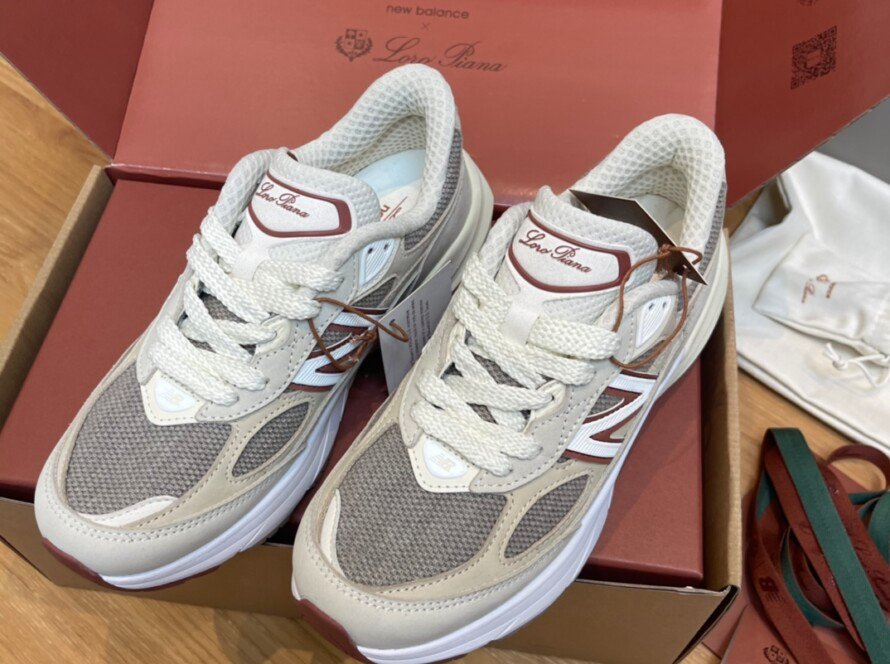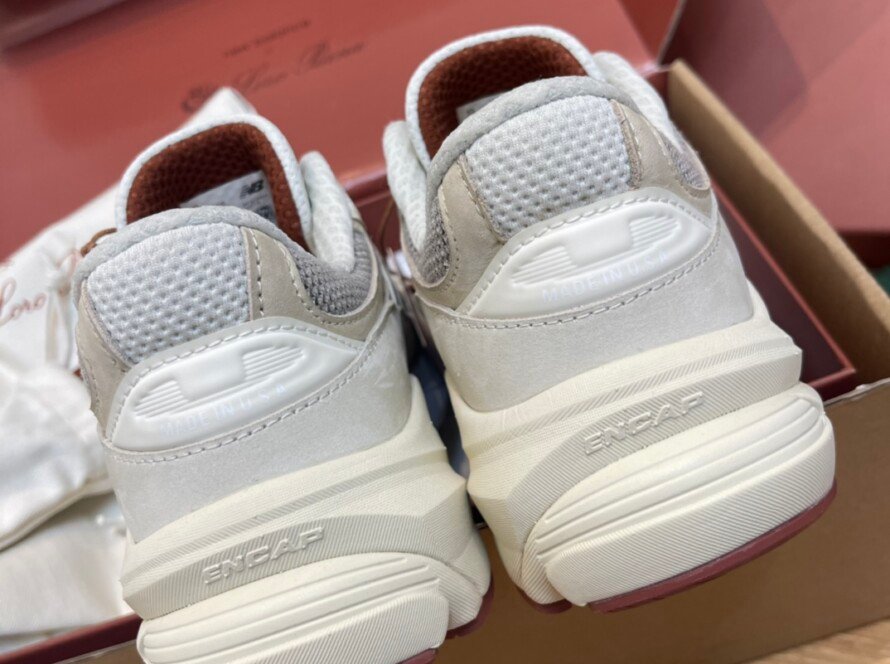
The understated elegance of leather boot laces: a tastefully luxurious touch
In high-end footwear, details often matter. While the boot stands out for its silhouette, leather, and craftsmanship, its essence is humble. leather shoelaces This quietly elevates them from mere functionality to unmistakable sophistication. For those who appreciate the nuances of custom style, replacing synthetic laces with handmade leather laces is not only a practical choice, but also an aesthetic statement. Here, we explore why leather laces are an essential investment for luxury boot connoisseurs.
The legacy of leather shoelaces: the collision of tradition and modern sophistication
The history of leather laces dates back to the early days of footwear, when durability and flexibility were paramount. Historically, they were made from rawhide or vegetable-tanned leather, the only option before the advent of mass-produced synthetic materials. Today, heritage brands and bespoke craftsmen are reviving this classic detail, blending time-honored techniques with contemporary luxury.
For the discerning wearer, leather laces evoke a sense of authenticity—similar to the riding boots worn by European aristocrats or the rugged work boots worn by American border guards. However, their modern iterations are designed with sophistication in mind, featuring polished edges, custom finishes, and a softness that synthetic alternatives cannot replicate.
Why choose leather over synthetic laces? Material decomposition
Unparalleled aesthetic appeal
Leather laces will gracefully acquire a unique patina over time, reflecting the wearer’s journey. Unlike nylon or polyester, which will wear or fade, high-quality leather will soften and darken over time, becoming a statement accessory. For dressy boots (like Chelsea boots or Balmorals) or rugged traditional styles (like Engineer boots or lumberjack boots), leather laces add a tactile, organic texture that complements the premium leather upper.Durability and personality
Full-grain leather laces, especially those made from vegetable-tanned leather, are more resistant to breaking and stretching than coated synthetic materials. They are molded with eyelets so they don’t create excessive pressure points, reducing wear on the boot tongue. For luxury collectors who own cordovan or calfskin boots, this gentle yet secure fit protects the delicate leather.- Sustainability and craftsmanship
Ethically sourced leather laces align with the values of eco-conscious luxury consumers. Craftsmen often use offcuts from quality tanneries (eg Horween, CF Stead) to ensure minimal waste. Hand-cut and hand-polished edges demonstrate craftsmanship – contrasting with machine-extruded plastic laces.
Choosing the Perfect Leather Lace: An Insider’s Guide
Not all leather laces are created equal. Consider the following factors to match your boots’ personality and purpose:
leather type
- Whole grain vegetable tanned: Excellent for durability and patina development. Great for casual or work style boots.
- calfskin: Smoother and more flexible for dressier styles like Derby or Chukka boots.
- kangaroo: Super strong and lightweight – a favorite for performance or equestrian boots.
Thickness & Width
- round vs flat: Round laces (3–4 mm) provide a classic, rugged look to work boots. Flat laces (5-7mm) give dress boots a sleek, modern feel.
- length matters: Make sure the laces are long enough to fit the eyelet configuration of the boot (e.g. 45–50" Suitable for 8 eyelet boots).
- Color and finish
Choose laces that coordinate with the tone of the boot (for example, espresso laces for chocolate brown boots) or contrast (for example, natural undyed leather versus black calfskin). The waxed finish adds water resistance, while the matte finish emphasizes the organic texture.
Styling Tips: Improve Your Sneaker Style
- sturdy boots: Pair engineer or lumberjack boots with thick earth-toned leather laces to enhance their utilitarian appeal.
- dress boots: Pair calfskin or kangaroo laces with Oxford or Chelsea shoes for a formal elegance.
- A fashion-forward statement: Try woven leather laces or contrasting laces (such as sterling silver straps) for a customized look.
Care and Longevity: Protect Your Investment
Leather laces require minimal maintenance to thrive:
- conditioning: Apply a small amount of leather balm (such as Saphir Médaille d’Or) annually to prevent dryness.
- clean: Wipe with damp cloth; avoid soaking.
- storage: If stored for a long time, please untie the boots to avoid wrinkling.
Conclusion: The subtle power of details
For those who view footwear as wearable art, leather laces are the finishing touch to a masterpiece. They embody a commitment to quality, sustainability and timeless style – turning the most practical boots into objects of desire. In a world filled with disposable fashion, leather shoelaces are a testament to the enduring appeal of craftsmanship.
FAQ: Leather Laces for Boots
Q1: Are leather shoelaces durable in wet conditions?
A1: High-quality vegetable-tanned or waxed leather shoelaces resist moisture well, but prolonged exposure to water may cause the shoelaces to harden. For extreme conditions, go with waterproofing spray.
Q2: How to prevent leather shoelaces from wearing out?
A2: Premium shoelaces rarely wear out, but sealing the ends with a drop of clear nail polish or beeswax ensures longevity.
Q3: Can leather laces replace OEM laces on luxury boots?
A3: Of course. Brands like Edward Green and John Lobb often use leather shoelaces as stock options. Make sure the thickness matches the eyelets for a seamless fit.
Q4: Will leather shoelaces stretch over time?
A4: A minimal amount of stretching will occur, but this is often beneficial and allows the laces to conform to your lacing style.
Q5: Are there any similarly luxurious vegan alternatives?
A5: While genuine leather offers an unparalleled patina, high-end vegan options such as waxed cotton or recycled polyester braid offer ethical buyers a similar aesthetic.
Q6: How often should I replace leather shoelaces?
A6: Handmade leather shoelaces can last for decades if properly cared for. Replace them only if they become brittle or lose their structural integrity.
Obsessed with details. After all, true luxury lies not in overt looks but in the thoughtful choices between stitching and seams.