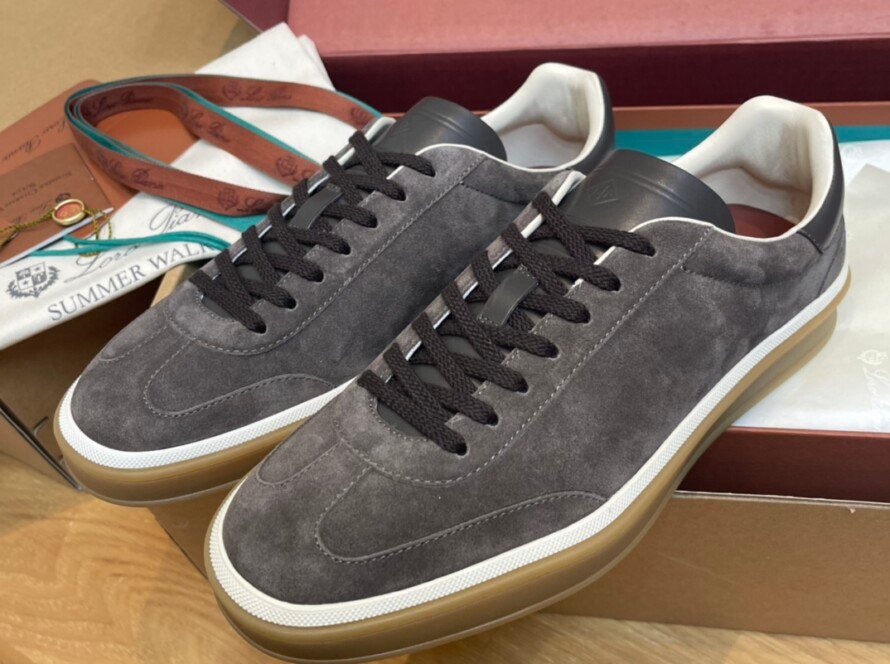
In the heart of New York City, fashion empires arose, luxury became a fluent language, and the care and preservation of high-end footwear became an art form in itself. For the discerning owner of a Christian Louboutin scarlet sole, a Berluti bronze masterpiece or a John Lobb custom design, entrusting shoes to any shoemaker is unthinkable. Luxury shoe repair in New York is more than a service, it’s a contract between craftsman and enthusiast, ensuring that every stitch, sole and silhouette retains its original magnificence.
Why luxury shoes require specialized care
Luxury footwear transcends mere functionality; it embodies craftsmanship, tradition and exclusivity. A pair of shoes can take hundreds of hours of handcrafting, rare materials (like exotic leathers or fine silks), and engineering skills (think: gravity-defying stilettos or orthopedic-grade custom shoe lasts). The average repair shop lacks the expertise, tools and materials to handle this complexity. Improper handling can irreparably compromise structural integrity, finish, and even the signature details that define a brand’s identity (for example, the precise shade of Louboutin paint or the polish of an Edward Green brogue).
Logo of New York City’s elite shoe repair service
The city’s best studios stand out by mastering:
Microsurgical release and repair
Luxury shoes often feature Goodyear welting, Black stitching, or other advanced construction methods. Professional shoemakers deconstruct and replicate these techniques using original equivalent materials – Vibram rubber for a sturdy yet low-profile sole, Italian calfskin lining, or a hand-carved stacked leather heel. When it comes to the heel, precise balance is critical to maintaining alignment and preventing gait distortion.Exotic material repair
From crocodile-embossed Valentino pumps to suede Gucci loafers, every material requires a tailor-made solution. Reptile leather requires humidity control conditioning, suede requires nanofiber bristles to restore nap, and patent leather requires pharmaceutical-grade acetone to remove scuffs without clouding the surface.Color matching and cosmetics renaissance
Fading, scratches or dye transfer on luxury leather can be corrected using custom blends of pigments and top-quality creams like Saphir Médaille d’Or. The goal is seamless invisibility—no evidence of repair should be revealed on closer inspection.structural renaissance
Sagging insoles, broken legs or stretched uppers are painstakingly reconstructed. Some studios are even using 3D scanning to recreate orthopedic braces or replicate vintage components that are no longer produced.Custom changes and customization
Wealthy clients often request personalized adjustments: widening the toe box for greater comfort, adding initials, or changing the heel to a different height while retaining the shoe’s DNA.- Handbags and Leather Goods Synergy
Many elite ateliers extend their expertise to luxury bags—replacing Hermès hardware, relining a worn Chanel flap, or repairing the piping on a Birkin bag.
Choosing the Right Craftsman: A Connoisseur’s Checklist
not all "luxurious" Repair shops are not created equal. Consider the following non-negotiables:
- Brand-specific expertise
Ask if they address your brand’s specific structural quirks (for example, Louboutin’s hidden platforms or Stefano Bemer’s handmade waists). - Material source
Do they source their leather and components from the same European tanneries and suppliers used by luxury brands? - Discretion and convenience
Look for white-glove service: door-to-door pickup, climate-controlled storage, or digital progress tracking. - Inherited craftsmanship
Hand stitching, wooden cast repairs and traditional polishing tools are hallmarks of authenticity. - sustainable development spirit
Elite Restoration aligns with slow fashion – extending the life of your shoes is economical and environmentally friendly.
The New York City Advantage: Craftsmanship Meets Cutting-Edge Technology
New York’s shoemakers serve customers around the world, giving them access to rare and diverse repair scenarios. They are also at the forefront of innovation, utilizing techniques such as laser patina restoration or biomechanical gait analysis to achieve perfect restorations. Additionally, proximity to a luxury flagship store often means partnerships are needed to resolve out-of-warranty repair issues that the brand cannot handle on its own.
Conclusion: Investing in Immortality
Luxury shoes can be considered family heirlooms. Entrusting them to master craftsmen in New York is not an expense but a stewardship. Each carefully executed restoration not only extends the life of your investment, but honors the story contained in every stitch: the studio they were born in, the occasions they attended, and the legacy they will inherit. In a city obsessed with new trends, true sophistication lies in preserving the timeless.
FAQ: Luxury Shoe Repair Services in New York
Q: How much does luxury repair cost compared to standard service?
A: The cost varies greatly ($50 for a basic heel tip, $500+ for an exotic skin reconstruction), but the premium materials, labor intensity, and warranty justify the premium. Expect 30-100% more than a typical repair.
Q: Can shoes be repaired if the original brand refuses to repair them?
Answer: Yes. Experts often use archival references to reverse engineer “irreparable” problems, such as a collapsed heel, a deteriorating cork bed, or discontinued materials.
Q: How long does a high-end repair usually take?
A: Simple repairs (heel cap) may take 24-48 hours. Complex projects (reconstruction, patina work) will take 2-6 weeks as many processes (eg drying, dye curing) cannot be rushed.
Q: Will repairs affect the resale value of my shoes?
A: If done impeccably, restoration can maintain or even increase value, especially for rare/antique pieces. It is recommended to record the work of craftsmen.
Q: Do you use vegan or non-traditional luxury materials?
A: Leading studios specialize in using Piñatex, apple peels and bio-based synthetic materials, applying non-animal adhesives and dyes.
Q: How do I ensure the color of my stain repair matches?
A: Top shoemakers use spectrophotometers to measure original shades and custom blend pigments to account for age-related patina, ensuring an undetectable blend.
Q: Can luxury shoes be salvaged after being damaged or stained by water?
Answer: Often, yes. If resolved urgently, waterlogged or dyed leather can be salvaged using techniques such as ion extraction, freeze-drying and enzymatic cleaning.
Q: Do you offer a preventive maintenance program?
A: Many studios offer seasonal packages: deep conditioning, sole protectors, and hardware inspections to prevent wear and tear.
Q: Do I need to make an appointment for luxury maintenance?
A: While appointments can be scheduled, scheduling ensures dedicated consultation time and priority.
Q: How do I verify a shoemaker’s expertise on my specific brand?
A: Request a case study or before/after portfolio. Well-known craftsmen are happy to showcase their designs for brands such as Goyard, Manolo Blahnik or Ferrragamo.