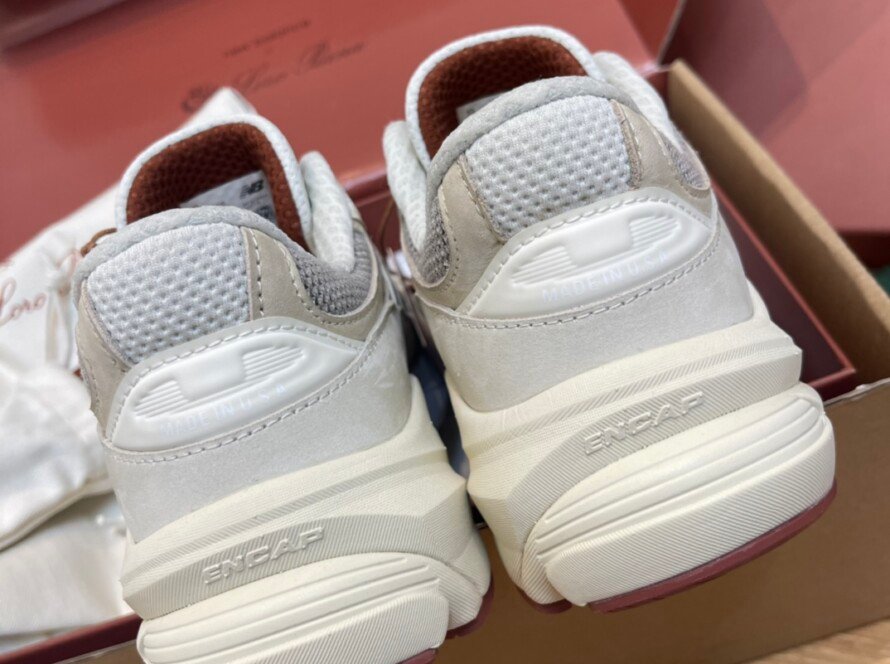
Stepping into the future: The intersection of fashion and technology with 3D printed heels
In the rarified world of haute couture, innovation has always been synonymous with exclusivity. but appear 3D printed high heels Redefining the essence of luxury footwear, it combines avant-garde design with precision engineering to create an art of wear that transcends traditional craftsmanship. For discerning collectors and bespoke clients, these pieces represent more than just footwear, they embody futurism, sustainability and uncompromising individuality.
The evolution of craft: from studio to algorithm
Historically, the creation of exquisite high heels relied on skilled artisans to meticulously carve the last, hand-dye leather, and candlelight embroidery. Today, cutting-edge 3D printing technologies—selective laser sintering (SLS), stereolithography (SLA), and multijet fusion (MJF)—enable designers to achieve extremely complex geometries that were once considered unmanufacturable. Brands such as Iris van Herpen, joint nudityand Zaha Hadid Design Pioneering an architectural heel, it features a lattice cage, organic spirals and checkerboard patterns that defy gravity while ensuring structural integrity.
Unlike mass-produced luxury goods, each pair of 3D printed high heels starts with a digital file refined through parametric algorithms, allowing for perfect customization down to the millimeter. For clients looking for true uniqueness, designers can sculpt heels to match the wearer’s gait anatomy or embed personalized graphics—a monogram hidden within a honeycomb lattice or a heel shaped like the client’s fingerprint.
Perfect customization: the art of personalization
For wealthy buyers, off-the-shelf goods are the antithesis of luxury goods. 3D printing enables real Custom designed, every element from arch support to aesthetic details is designed for the individual. Scans of the wearer’s foot generate topological pressure maps, allowing designers to distribute stiffness and flexibility precisely where needed. This scientific method eliminates "Running-in period" Traditional heels are designed to provide comfort without sacrificing drama.
Materials also enhance the experience. Aerospace grade thermoplastics such as PA-12 (nylon 12) Provides feather-light durability while TPU (thermoplastic polyurethane) Introducing elegant flexibility. For red carpet moments, designers experimented with photopolymers like brushed steel, translucent resins and even biodegradable algae filaments, material innovations that redefined luxury.
Sustainability as a luxury standard
Modern luxury consumers demand ethical provenance, and 3D printing is the perfect answer to this question. Traditional shoemaking industry produces up to 30% material waste;Additive manufacturing uses only necessary materials, reducing waste to close to zero. Brands such as Many species Recycled ocean plastic is utilized for printing, while others explore circular models where heels can be disassembled and reprinted into new designs. this "slow fashion" This ethos is consistent with collectors who value timelessness over trends.
Breaking design boundaries
3D printing frees designers from manufacturing constraints. High heels can now defy physics:
- Graduated density sole It absorbs impact like a running shoe but looks like a crystal sculpture.
- interlock module Allows wearers to swap heel heights or embellishments.
- bionic structure Inspired by coral or spider silk, optimized for strength-to-weight ratio.
These innovations have attracted the attention of museums like the Metropolitan Museum of Art, and 3D printed heels sit alongside historic footwear as artifacts of cultural progress.
Comfort issue solved
Critics have viewed 3D printed heels as works of art rather than functional clothing. However, advanced modeling has transformed ergonomics. Brands now merged Medical grade biomechanicssuch as anatomical arch support and a heel cup that supports the calcaneus and distributes pressure. Some designs even incorporate temperature-responsive materials that soften with body temperature and mold to the wearer’s foot over time.
Luxury Pioneers: Who Creates These Masterpieces?
A group of visionary designers and brands dominate this space:
- Iris van Herpen Collaboration with Materialize births iconic "Voltage" High heels, similar to liquid electricity.
- Olivier van Hupt "adaptive footwear" Use generative artificial intelligence to create lattice designs unique to each client.
- Dolce & Gabbana The 2023 collection features Sicilian Baroque patterns in nylon, blending tradition with ultra-modernity.
For collectors, limited editions (usually less than 50 pairs) can cost up to $5,000positioning them as investment pieces comparable to fine jewelry.
Conclusion: A new paradigm in luxury footwear
3D printed heels embody the pinnacle of 21st century luxury: unparalleled personalization, technical excellence and ethical awareness. They reject the dichotomy of form and function, providing the wearer with sculptures that are both eye-catching and thoughtfully supportive of the foot. As technology evolves—think embedded smart sensors or self-healing materials—these heels will not only decorate, but enhance the human experience. They are the ultimate indulgence for connoisseurs seeking to own the future.
FAQ: 3D Printed High Heels
Q: How customizable are 3D printed heels compared to traditional customization?
A: In addition to pure size adjustment, 3D printing also enables customization of pore-level lattice structures, biomechanical arrangements, and personalized aesthetics. Such fine tailoring cannot be replicated with traditional customization.
Q: Are 3D printed high heels comfortable to wear for a long time?
Answer: Yes. Advanced pressure mapping and materials like TPU create adaptive support systems. Some brands go beyond traditional high heels in terms of comfort thanks to ultra-personalized ergonomic designs.
Q: How are sizes handled for custom orders?
A: Designers often use 3D foot scanners or detailed photogrammetry to create digital twins of the foot, ensuring accuracy that exceeds standard sizing charts.
Q: What materials are used and how does it feel? "high quality"?
A: Materials range from polished photopolymers (similar to glass) to microfiber-infused nylon with a leathery feel. Luxury brands often develop proprietary blends for unique tactile experiences.
Q: How sustainable are 3D printed heels?
Answer: More environmentally friendly than traditional methods. Waste is minimized, recycled materials are common, and the design prioritizes disassembly for recycling.
Q: Why are these shoes so expensive?
A: Each pair of shoes involves R&D-intensive design, hours of printing (up to 72 hours per pair) and unique materials. Limited editions also increase collectibility.
Q: Can 3D printed heels be repaired?
Answer: Yes. Unlike glued construction, the modular design allows for the reprinting and replacement of specific components (such as the heel tip or insole).
Q: Where can I buy authentic 3D printed luxury high heels?
A: Directly from designer studios like Iris van Herpen, high-end retailers like Dover Street Market or platforms like DEMATERIALISED that specialize in digital fashion.
This isn’t just footwear—it’s a revolution in polymers, at the intersection of tradition and the avant-garde.