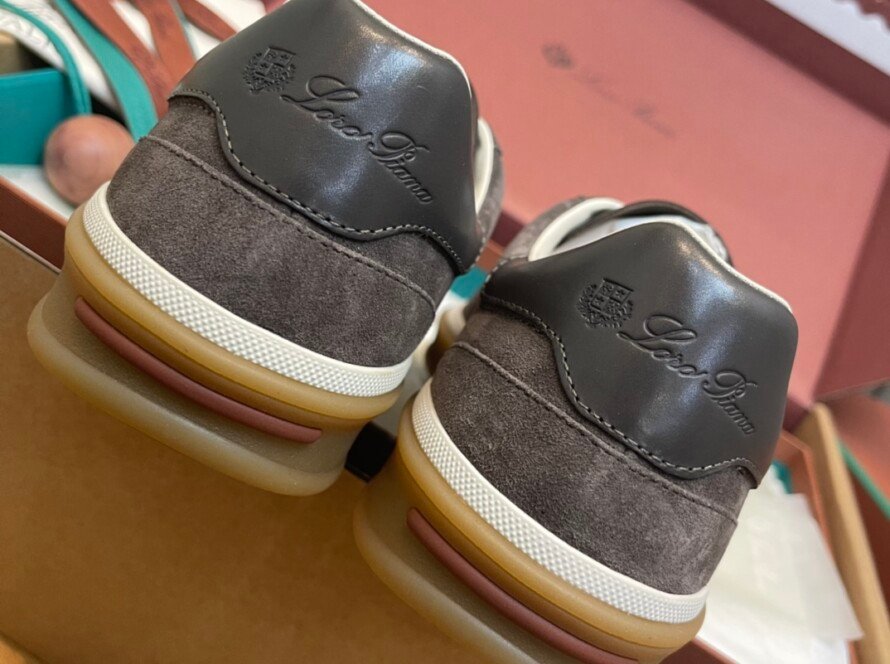
For those who appreciate the artistry of fine footwear, pursuing the perfect blend of elegance and comfort is essential. However, for those with flat feet – technically known as flatfoot — a pursuit that can feel fraught with compromise. Traditional luxury shoes, while beautifully crafted, often prioritize aesthetics over anatomical support, leading to discomfort, fatigue, and even chronic pain. Enter the world High quality insole: A sophisticated solution designed to harmonize biomechanical fitness with uncompromising style. This guide takes an in-depth look at how discerning individuals can enhance their footwear experience with scientifically engineered insoles to combat flat feet without sacrificing luxury.
Understanding Flat Feet: Beyond the Surface
Flat feet occur when the arch of the foot collapses, causing the entire sole of the foot to contact the ground. This common condition may be congenital or result from factors such as prolonged standing, aging, or lifestyle choices. While some people experience no symptoms, others face:
- excessive pronation: Ankles that roll excessively inward and tightness in knees, hips, and lower back.
- plantar fasciitis: Inflammation of the connective tissue along the sole of the foot.
- Metatarsalgia: Pain in the soles of the feet.
For affluent consumers purchasing finely crafted shoes, from custom oxfords to limited-edition sneakers, ill-fitting internal support can compromise the comfort and longevity of precious footwear.
The Science of Support: What Luxury Insoles Offer
High-quality insoles for flat feet go beyond the usual foam pads found in drugstores. They are carefully designed using advanced materials and ergonomic principles to:
- Restore natural arch alignment: Medical-grade polymer or carbon fiber replicates the foot’s natural arch, redistributing pressure and reducing joint stress.
- Optimize shock absorption: Materials like Poron® XRD or viscoelastic memory foam cushion every step, perfect for cobblestone streets or marble event spaces.
- Enhance proprioception: Contoured design improves balance and stability, which is crucial when traveling on uneven terrain in high-end dress shoes or heels.
For bespoke clients, custom orthotics (created from 3D scans or plaster molds) provide a truly personalized fit that matches their unique footwear range.
Key features of high-end flat foot insoles
When evaluating insoles for luxury shoes, prioritize the following elements:
1. Arch support design
- medial longitudinal arch support: Targets collapsed inner arch and prevents excessive internal rotation.
- deep heel cup: Supports the heel to stabilize movement and align the Achilles tendon.
- variable thickness: Ultra-thin design (as thin as 3mm) blends seamlessly into stylish loafers or designer sneakers.
2. Material innovation
- Memory foam with cooling gel: Ideal for warmer climates or longer wear, wicks away moisture while contouring the foot.
- Cork and leather mix: Breathable, antimicrobial, and naturally moldable—ideal for custom dress shoes that require breathability.
- Carbon fiber reinforced materials: Provides rigid support for active pursuits without adding bulk.
3. Anatomical contours
Looking for insoles Three-plane motion control — Supports not only vertical arches, but also transverse (side to side) and lateral (outer edge) stability. Brands such as Protarus, Spenkoand Super feet Offering models that are highly rated by podiatrists and luxury consumers.
Integrating insoles with luxury footwear
Affluent consumers are often hesitant to replace their beloved footwear. Here’s how to ensure seamless compatibility:
- Custom modifications: Work with a luxury shoemaker to carefully remove existing insoles and replace them with custom orthotics, maintaining the shoe’s original contours.
- Style-specific solutions:
- dress shoes: Thin and flexible insole with suede upper prevents Oxford or Derby shoes from slipping.
- High heel: Full-length insole with reinforced arch support to balance pressure in the forefoot.
- sneakers: High-rebound foam combines with athleisure design for all-day comfort.
Brands such as Tread Lab and Fulton Specializing in designer-approved minimalist insoles that complement a luxurious aesthetic.
Maintenance and lifespan
To protect your insoles and shoes:
- Take turns: Alternate between pairs to decompress the material.
- Clean gently: Wipe leather or cork insoles with a damp cloth; machine washable models should air dry.
- Store properly: Place the insole in a breathable cloth bag to avoid direct heat.
High-end insoles typically last 6 to 12 months, depending on activity level – a worthwhile investment for timeless footwear protection.
Conclusion: Lift your stride and embrace effortless elegance
Flat feet don’t have to limit you to orthopedic shoes or fleeting fashion trends. Today’s luxury insoles represent a symbiosis of medical innovation and tailoring taste, allowing you to wear the world’s best footwear with confidence. By choosing high-quality, scientifically proven solutions, you’re respecting both your health and your commitment to uncompromising style.
FAQ: Insoles for Flat Feet
Q1: Will the insoles damage my luxury shoes?
Answer: Not if you choose correctly. High-quality insole designed for a snug fit without stretching seams. For delicate materials like silk or patent leather, consult a custom shoemaker for professional installation.
Question 2: How do I know if I need custom orthotics or over-the-counter insoles?
A: Custom orthotics are recommended if you experience severe pain, asymmetrical sole wear, or if your custom shoes have unique contours. Over-the-counter options are suitable for mild to moderate flat feet and standard shoe lasts.
Q3: Are there insoles for high heels and flat shoes?
Answer: Yes. Brands such as Ennut and power step Offering a slim, flexible style tailored specifically for women’s dress shoes, providing arch support without changing heel height.
Q4: How often should I replace my insoles?
A: Every 6-12 months, or sooner if you notice loss of cushioning or significant wear. Rotate between pairs to extend their life.
Q5: Can I use the same insoles on all shoes?
A: While possible, optimizing the insole for a specific shoe type (e.g. sneakers vs. dress shoes) can ensure superior support and comfort.
Q6: Are these insoles suitable for traveling or long-term wear?
Answer: Of course. Many luxury insoles feature antimicrobial treatments and moisture-wicking uppers, making them perfect for long flights or multi-activity days.
Q7: Will the insoles make my shoes look bulky?
Answer: Not the premium version. The ultra-thin design (3-5mm) blends in invisibly, retaining the sleek silhouette of designer footwear.
By combining biomechanical expertise with uncompromising luxury, premium insoles enable those with flat feet to stride with confidence – proving that true elegance lies in the marriage of form and function.