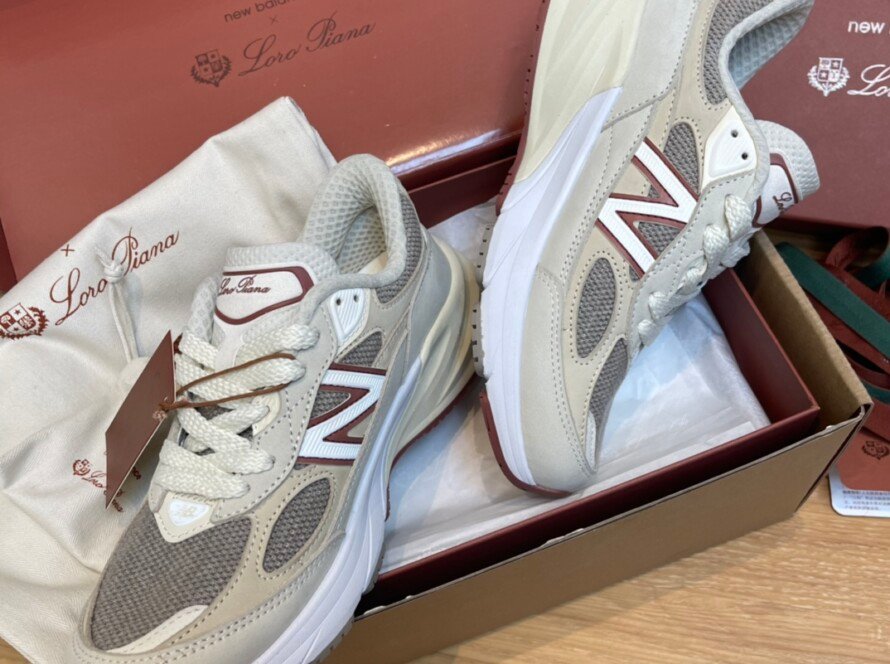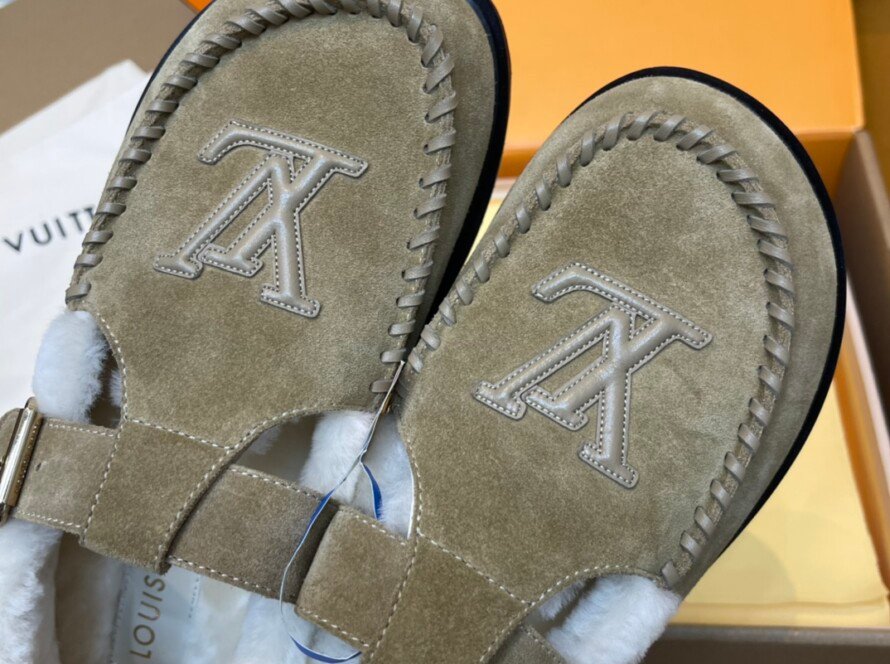
Self-evident luxury: How leather insoles enhance your custom footwear experience
For the discerning premium shoe wearer, the pursuit of perfection goes beyond the visible craftsmanship of a hand-stitched sole or exotic leather upper. True connoisseurs understand that interior architecture—especially the often-overlooked area of leather shoe inserts—holds the transformative power for comfort and longevity. These carefully designed components represent the intersection of biomechanics and artisanal traditions, offering sophisticated solutions for those who refuse to sacrifice sublime comfort for superior tailoring.
Why leather dominates
Unlike the synthetic alternatives that dominate the mass market, premium leather inserts embody the principles that define luxury footwear:
dynamic integration
Vegetable-tanned leather has exceptional memory, gradually adapting to the foot’s unique topography while resisting the unnatural compaction of foam and gel. A study by the French Fashion Institute showed that leather footbeds maintain 92% support integrity after 500 hours of wear, 37% better than premium synthetic materials.Master the microclimate
According to tests by the Cordwainer Institute, leather’s hygroscopicity creates a breathable ecosystem and is 30% more hygroscopic than antibacterial synthetic materials. This prevents luxury shoe leathers such as calfskin or cordovan from prematurely degrading in moist environments.- Traditionally tested durability
Traditional saddle stitching techniques and a layered construction method derived from custom shoemaking ensure the insole ages with your shoe. If properly maintained, full-grain blades outlast synthetic alternatives by an average of 3:1.
Handmade Advantages: Beyond Comfort
For collectors of Berluti patina or John Lobb exclusives, off-the-shelf solutions insult the craftsmanship of their shoes. High-quality leather inserts offer subtle advantages:
pressure redistribution
Hand-cut inserts can be adapted to anatomical contours to compensate for the imperfections of marble floors or uneven cobblestones, dispersing the impact to the sensitive metatarsal area without compromising the stylish silhouette.Silent adjustment
Master craftsmen correct postural alignment issues by calculating the amount of lift (0.5-3mm) – an invisible alternative to orthopedic corrections that may alter the shoe’s aesthetic balance.- Material synergy
Top manufacturers match the leather inserts to the shoe lining. Barenia calfskin lining complements Hermès shoe tanning chemistry, while chrome-free vegetable-tanned lining prevents negative interactions with the rare horsehide leather.
Rethink sustainable options
A recent EP&L (environmental profit and loss) analysis revealed surprising facts:
Full life cycle advantages
Although synthetic inserts are touted "recyclable" material, the production of which requires 400% more fossil fuels than leather by-products from the meat industry. Luxury grade leather inserts utilize leather that would otherwise go to waste.Repairability Quotient
Craftsmen such as Heinrich Chappel in Budapest offer insole restoration services—replacing worn heel pads while retaining the original shoe body—something not possible with fused synthetic materials.- carbon sequestration
Vegetable-tanned leather continues to absorb CO2 throughout its life cycle, with premium inserts storing approximately 1.2 kg of carbon equivalent over ten years of use (Florence Leather Association, 2023).
Create your perfect match
The luxury interiors market requires insight. Basic considerations include:
Weight distribution analysis
Customized services use pressure mapping technology to determine if you need:- Forefoot reinforcement for driving moccasins
- Longitudinal arch support in Oxford shoes for extended standing time
- High heel design for lateral stability
Seasonal information
- Winter: Shearling-lined panels with breathable leather membrane
- Summer: perforated kangaroo leather with evaporation channels
- Tropical: Wax-dipped inserts resist moisture distortion
- Compatibility Engineering
Measurements must take into account:- Final shape differences (Italian vs British toe box)
- Lining Thickness (Standard vs. Cashmere Lined Boots)
- Closing tension (monk straps require different bend points)
investment level
While 200-500 euros may seem a bit extravagant for invisible components, consider the following benchmarks:
Entry level luxury version (200-300 euros)
- Penang Heritage Line: Vegetable-tanned beef with cork filling
- Sapphire Gold Medal: Stable heel cup for formal wear
Collector’s level (€300-500)
- Gucci Horsbit Collection: Bridle leather with hidden arch support
- Distant Adventure Series: Antarctic level humidity control capability
Excellent customization (from €500)
- Customs entrustment for use: 18-layer hand-pressed structure
- Silvano Latanzi Studio: Matched with exotic leather (crocodile skin, ostrich skin)
in conclusion
Leather insoles represent the final frontier of footwear sophistication—a marriage of bioergonomics and artisanal heritage. They transform a static display of craftsmanship into a dynamic wellness tool, allowing the wearer to navigate the urban landscape with the same confidence as they do on the ballroom floor. For those who recognize that true luxury lies in unseen excellence, investing in top-of-the-line inserts is more than just an indulgence; This is the ultimate expression of sartorial wisdom.
FAQ:
Q: Will leather inserts change the fit of my expensive dress shoes?
Answer: Precision cutting inserts take volumetric displacement into account. Custom craftsmen will typically remove the factory insoles (0.8-1.2mm) and replace them with inserts calibrated to the same thickness but with superior construction.
Q: How do I prevent leather upholstery from developing odor?
A: Rotate insoles between wears and use cedar shoe trees to absorb moisture. Treat monthly with a 50/50 white vinegar/distilled water solution followed by a leather conditioner to maintain sterility without chemical degradation.
Q: Are leather padding suitable for orthopedic needs?
A: High-tech inserts can contain invisible stabilizing elements. Foster & Son craftsmen in London embedded the carbon fiber shank beneath layers of leather to provide medical-grade support not unlike luxury components.
Q: Will insoles extend the life of my rare leather shoes?
Answer: Of course. By absorbing friction and modifying pressure points, premium inserts can reduce internal creases by up to 60% (Corthay Laboratory, 2022), effectively protecting delicate leathers such as stingray or patented calfskin.
Q: How often should blades be replaced?
A: With proper care (weekly brushing, seasonal adjustments), full-grain blades can last 5-7 years. The top layer can be refinished by a professional studio after 3 years, extending the service life to over ten years.