Understand water stains on leather shoes
For connoisseurs of luxury footwear—whether they’re custom oxfords, handmade loafers, or rare Cordoba derbies—few things are more frustrating than the appearance of unsightly water stains. These marks often appear as cloudy spots or dark rings and are more than superficial blemishes. They destroy the harmonious patina of fine leather, compromising its beauty and long-term value. understand Why The formation of these stains and how to precisely treat them surgically is critical to maintaining the integrity of investment-grade footwear.
The Science of Water Damage
Leather is a porous organic material that reacts when exposed to water, while synthetic materials do not. As water penetrates the surface of leather, it carries minerals from the environment or previous protective treatments to the upper layers. When the liquid evaporates, these minerals crystallize, creating an uneven texture. At the same time, water can alter the leather’s natural oils and dyes, causing discoloration—particularly common in vegetable-tanned or aniline-dyed leathers prized in luxury shoemaking. Importantly, stains tend to worsen if not cleaned properly, as running water or vigorous wiping will redistribute minerals deep into the leather’s grain.
Active Protection: The Collector’s First Line of Defense
Prevention is more important than remedy. For collectors, implementing these safeguards is non-negotiable:
Weatherproofing with purpose
Before first wear, apply a high-end non-silicon protectant (such as a fluoropolymer spray). For shoes that are regularly exposed to the elements, reapply every 6-8 weeks.brush, not cloth
After exposure to rain, gently blot dry with colorless microfiber——Never rub– Then remove from heat and air dry. Once damp (not wet), use a horsehair brush to remove any remaining moisture from the crevices.- intentional condition
Luxurious grade cream (pH neutral, rich in lanolin) maintains the leather’s lipid balance and reduces water absorption. Avoid over-care, which can saturate the leather and weaken the fibers.
Remove stains: precision technology
If a stain appears, act quickly but methodically.
For fresh stains:
- absorb: Pat dry with a colorless, lint-free cloth.
- Reshape: Insert a cedar last to prevent warping.
- dry: In a ventilated, room temperature space 24 hours a day——no way Near a radiator or sunlight.
For fixing stains:
Materials required:
- Distilled water (tap water contains minerals that can worsen staining)
- pH neutral leather cleaner (e.g. saddle soap substitute)
- Cotton swabs, microfiber cloth
process:
- test: Apply the cleaner to an inconspicuous area.
- Topical treatment: Gently wipe (do not scrub) the stain with a cloth dampened with distilled water, then apply the cleaner in a circular motion.
- rinse: Wipe away any residue with a cotton swab moistened with distilled water.
- Health) status: After drying for 12 hours, apply a thin layer of nourishing cream.
Advanced technology for exotic leathers
Suede, nubuck and shell horse leather require specialized care:
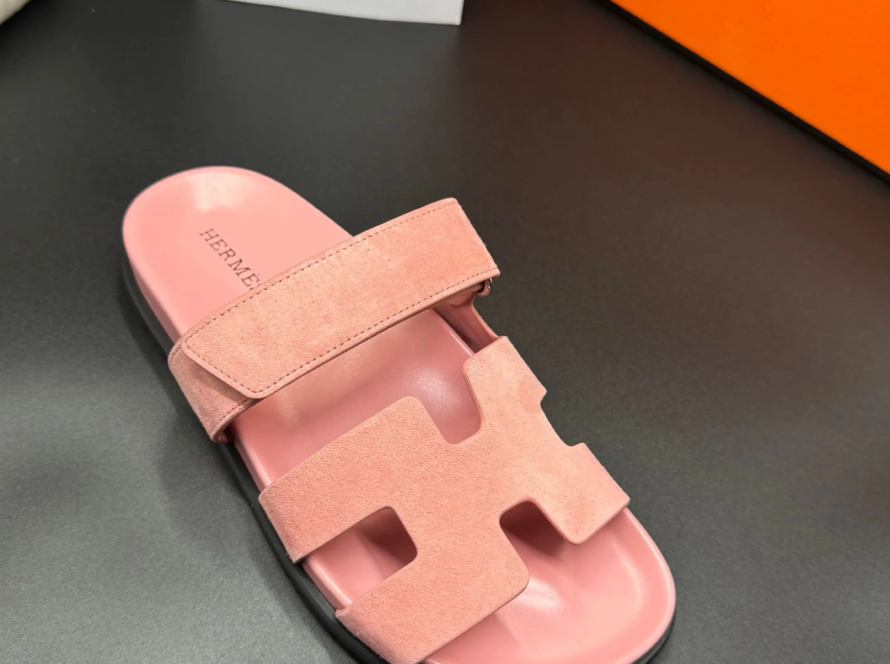
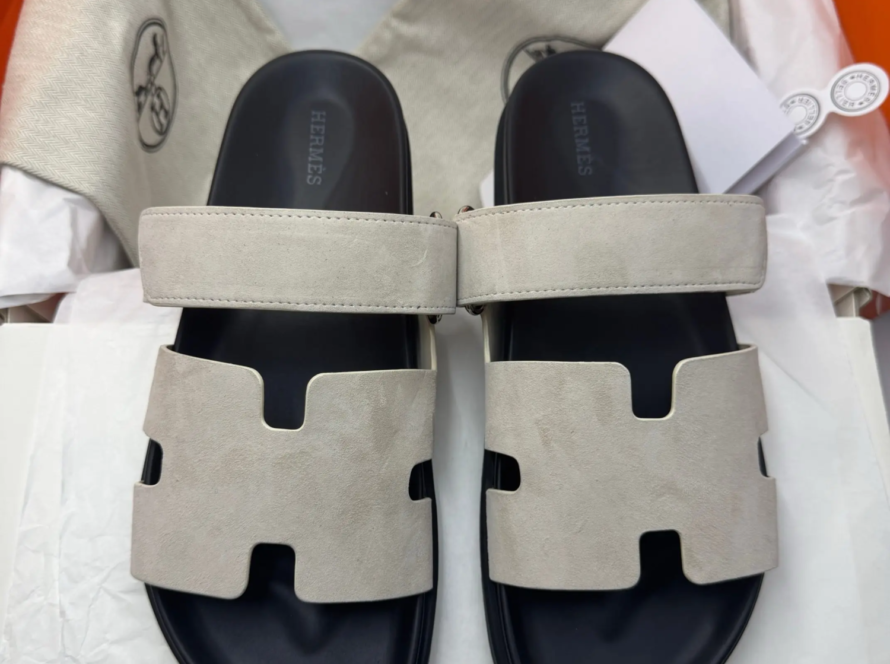
- Suede/Nubuck: Use an eraser to remove surface stains. For deeper marks, suede-specific Nano Protectant restores pile without discoloration.
- Shell cordovan leather: Wipe with damp chamois, then apply a neutral cordovan cream once completely dry. Never use wax-based polishes, which will mask their signature shine.
When professional intervention is needed
Persistent stains or damage on museum-quality calfskin or exotic leather require expert attention. Master shoemakers utilize the following techniques:
- Acrylic Glaze Rebalancing: For pigment loss due to exposure to water.
- Patina Copy: The dye was reapplied by hand using the French layering method.
- Ultrasonic cleaning: Removes mineral deposits without abrasive contact.
in conclusion
Water stains on fine leather shoes are neither inevitable nor irreversible. For the discerning collector, a combination of rigorous precautions and hand-made restoration techniques ensures that each pair of shoes retains its unique story—whether it’s a custom Edward Green from a decade ago or a limited-edition Berluti. Leather, like wine, evolves over time and its imperfections enhance its character if treated properly. However, protecting your investment requires constant vigilance and respect for the organic nature of the material. Entrust only those who have proven mastery of worldly affairs.
FAQ: Water Stains on Luxury Leather Shoes
Q: Are vinegar or household products safe to remove water stains?
one: Avoid DIY solutions. The acidity and alcohol content of the vinegar in glass cleaner can reduce the tannins in leather. Luxury grade pH neutral products are engineered to be compatible with premium leathers.
Q: How much does it cost to have professional stain removal on custom shoes?
one: Prices range from $75 to over $300, depending on the type of leather and severity of damage. For rare shell cordovan or exotic leathers, expect high prices due to the expertise.
Q: Can water damage be prevented in a humid climate?
one: Yes. Increase conditioning frequency to monthly, use silicone dehumidifiers in storage areas, and prioritize fluoropolymer protectants over wax-based alternatives to protect against moisture.
Q: Can “water spots” on suede be completely removed?
one: If treated early, yes. Use a suede eraser followed by Nano Protective Spray. For severe cases, professional steaming can remove embedded residue without damaging the integrity of the pile.
Q: What should I do if there are still stains after treatment?
one: Stains that penetrate into the core of the leather may require pigment correction by a patina artist. For heirloom-quality shoes, this can restore their original beauty while preserving their value.
Q: How do you differentiate between water stains and mold or oil stains?
one: Water damage appears as dull, chalky-colored patches. Mold shows up as vague green/black spots and a musty smell, while oil stains give the leather an uneven color. Each requires a different repair protocol.
Q: Are certain leather colors more susceptible to staining?
one: Light-colored aniline leathers (beige, pearl gray) are most susceptible to stains. Antique or museum calfskin hides small imperfections better, but requires careful patina maintenance.
This guide combines handcrafted techniques with material science to improve your luxury shoe management skills—for those with the know-how, stains don’t have to be a disaster.