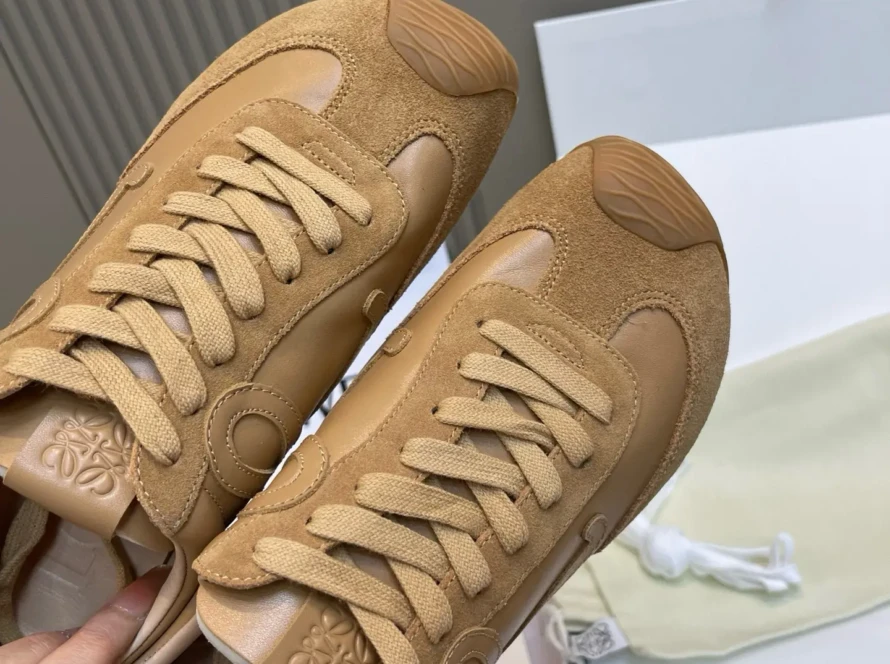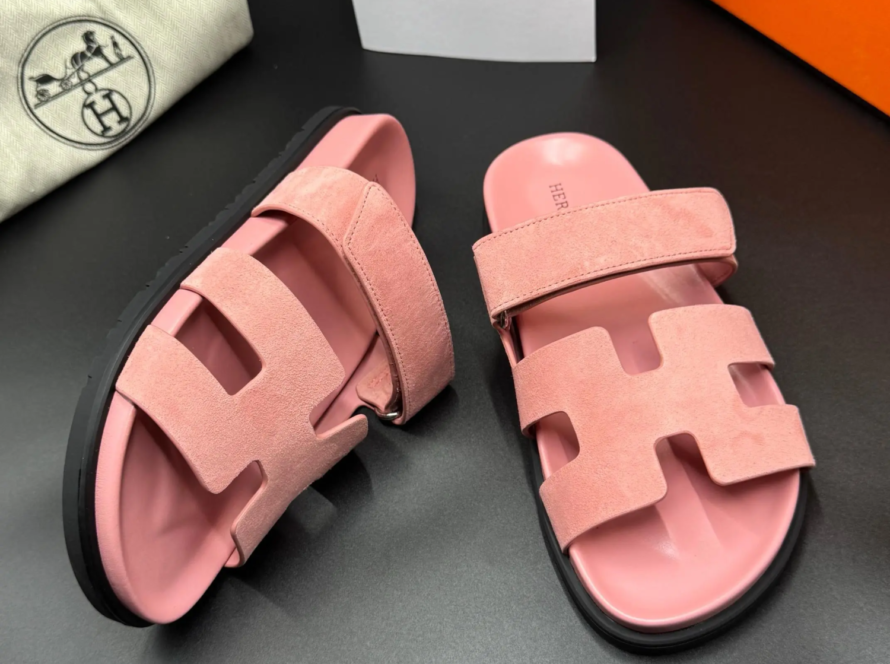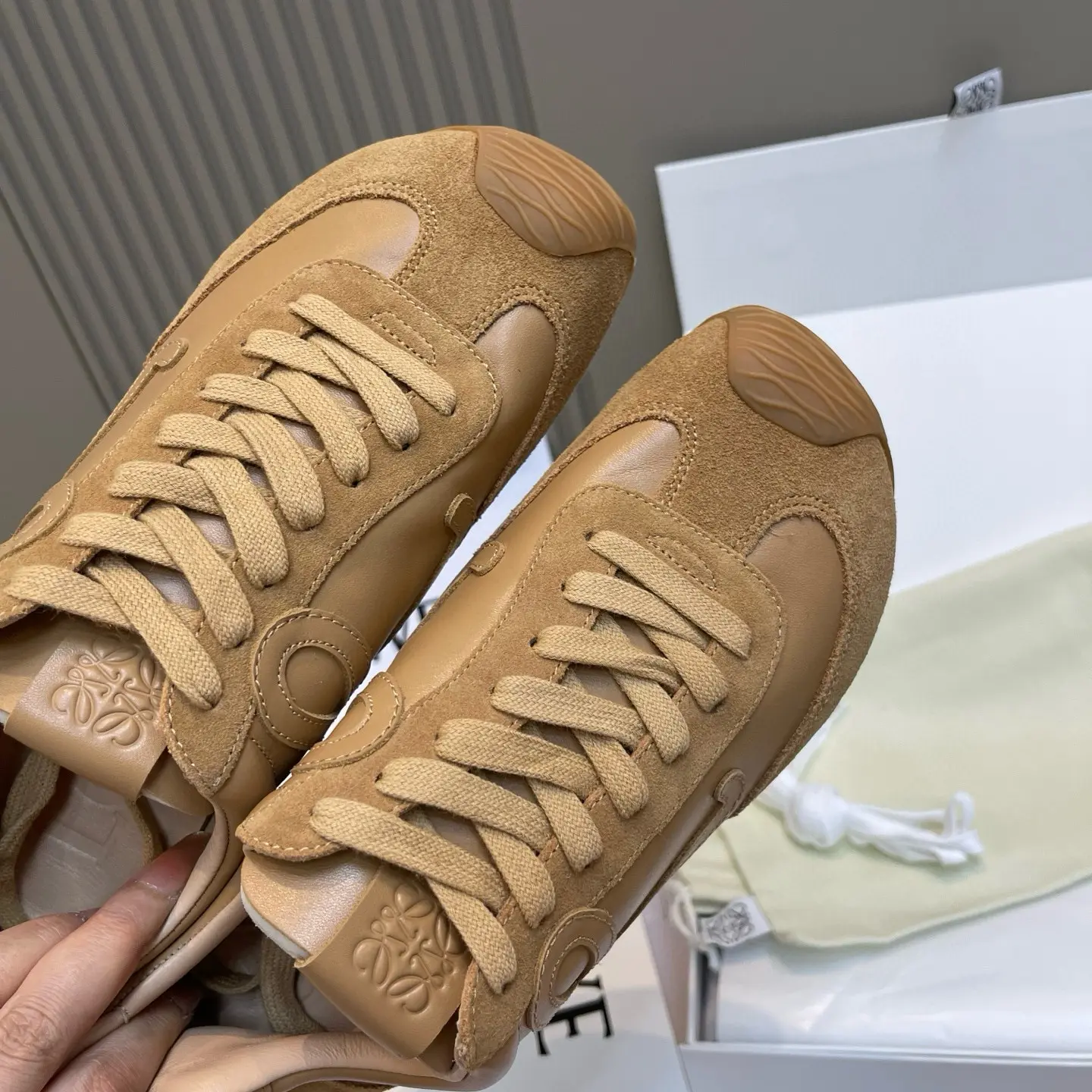
For the discerning connoisseur of fine footwear, a quality pair of shoes is not only about practicality but also about craftsmanship, tradition and personal style. Whether you’re buying custom oxfords, limited-edition designer sneakers, or hand-stitched Italian loafers, we not only recommend proper care; This is necessary. enter shoe cleaning kit: A curated library of tools designed to preserve, protect and enhance your luxury footwear collection.
The Anatomy of a Premium Shoe Cleaning Kit
Not all cleaning kits are created equal. For high-end shoes, the difference lies in the quality of the materials, the scientific formulation of the product and the dedicated tools for fine leathers, rare leathers and luxury fabrics. A truly sophisticated kit will include:
A brush with a purpose
- Horse hair brushes (soft and hard): Natural horse hair is gentle and effective in removing surface debris without scratching delicate leather. Soft brushes are used for daily dusting, while stiffer brushes are used for dealing with dried mud or embedded dirt.
- Dedicated suede/nubuck brush: Features rubber bristles or eraser-style tips to restore the nap of textured materials without damaging them.
pH Balanced Cleanser
Luxury leather requires a cleaner that matches its natural pH. Harsh, alkaline formulas can strip away essential oils, causing dryness and cracking. Premium kits include pH-neutral leather cleaners and specialized solutions for materials like suede (e.g., foaming cleaners that remove stains and are moisture-proof).Conditioners and creams
Hydration is non-negotiable. Look for a conditioner rich in lanolin, beeswax, or vegetable oils to deeply nourish the leather. For rare skins (crocodile, ostrich), choose a non-greasy lotion that maintains the flexibility of the scales.Microfiber and Swissvax style fabrics
Lint-free, ultra-soft microfiber cloth ensures a streak-free polish. Deluxe kits may include Swissvax-style applicator pads for precise application of wax on brogues or cap toes.- Professional tools
- wooden shoe stretcher: Cedar wood absorbs moisture, maintains shape and neutralizes odors.
- edge trimming: The painted edges used to meticulously restore soles, a detail that distinguishes original shoes from neglected ones.
- metal polishing cloth: Used to maintain buckles, eyelets or designer hardware.
Science meets craft: why method matters
Having the best tools is only half the battle. Technology ensures longevity:
- frequency: Remove dust after each wearing of shoes. Deep clean every 4-6 weeks, depending on usage.
- layered products: Clean → Care → Polish → Protect. Always allow each layer to dry completely.
- Material-specific care: Patent leather needs silicone-free polish; suede needs waterproof spray forward First time wearing.
The undeniable ROI of a luxury shoe cleaning kit
For wealthy collectors, premium kits are not an expense but an investment with tangible returns:
- Extend service life: Proper care can extend the life of your footwear, delaying costly replacements or replacements.
- Aesthetic protection: Wear, water spots and discoloration can reduce the sophistication of a shoe. Proactive care maintains its "showroom" lure.
- Preserve value: Limited edition or custom shoes will only maintain (or appreciate) in value if they are properly cared for.
Conclusion: Improve your sense of ritual
A well-designed shoe cleaning kit goes beyond practicality—it’s an extension of the appreciation for the artistry inherent in luxury footwear. By incorporating professional-grade products and rigorous care into your daily routine, you can respect the craftsmanship of your collection while ensuring it ages gracefully. In a world dominated by fast fashion, maintaining beauty through meticulous care is the ultimate statement of insight.
FAQ: Shoe Cleaning Kit Revealed
Q1: Can one kit handle everything from calfskin to exotic leathers?
one: The most comprehensive kits include specialized solutions (e.g., specific scale conditioners for reptiles). For mixed collections, prioritize kits with leather, suede, and exotic product labels.
Q2: How often should I maintain my leather shoes?
one: Every 4-6 weeks when worn regularly. In dry climates or heavy use, this may be increased to every 3 weeks. Over-conditioning can clog pores – less is more.
Q3: Are designer brand kits worth the high price?
one: While luxury brands have aesthetic appeal, third-party artisanal brands (e.g., Saphir, Collonil) often offer superior formulas. Focus on ingredient transparency and material-specific solutions.
Q4: Can daily necessities (vinegar, baking soda) be used when necessary?
one: Strongly discouraged. Baking soda changes the pH of the leather, while the acidity of the vinegar degrades the dye. Always use products designed for luxury materials.
Question 5: How to store cleaning kits to maximize product life?
one: Keep liquids tightly sealed in a cool, dark place. Store the brush with the bristles raised to maintain its shape. Replace your microfiber cloths as soon as they develop waxy buildup.
Q6: Is it safe to clean velvet or embroidered designer shoes at home?
one: For delicate fabrics or upholstery, professional cleaning is recommended. Use the kit only for light surface dusting and avoid exposure to moisture.
Q7: Do these kits contain odor control solutions?
one: Premium kits often include a cedar last, which absorbs moisture and neutralizes odors. Avoid using chemical deodorants – they can degrade leather upholstery.
For those who view footwear as wearable art, shoe cleaning kits are heritage keepers. Invest wisely; save enthusiastically.