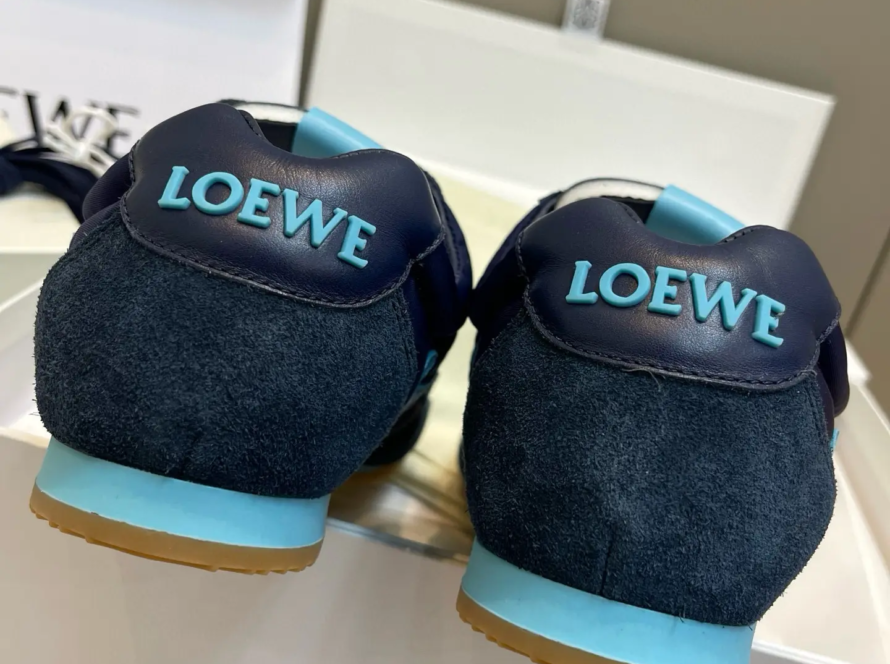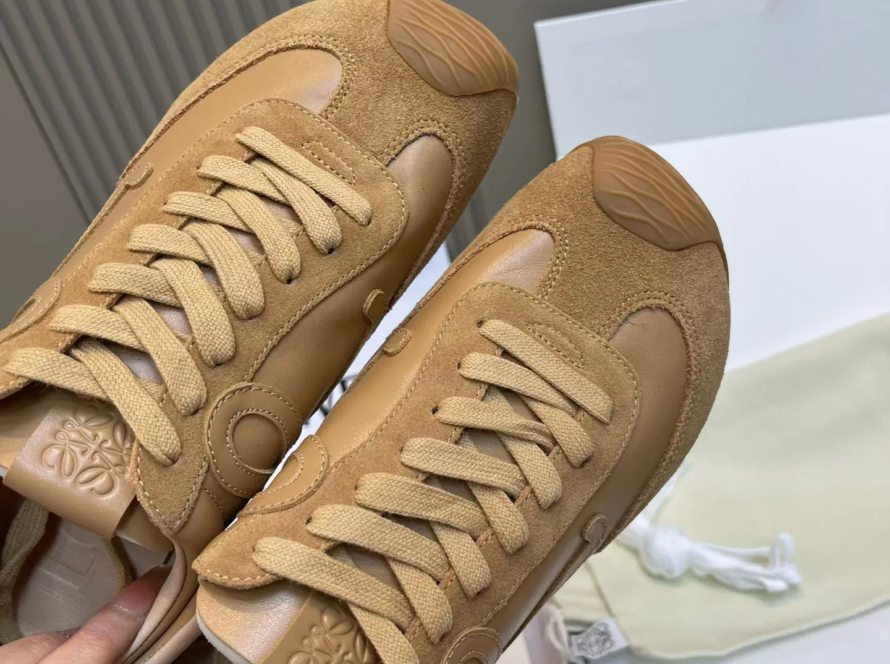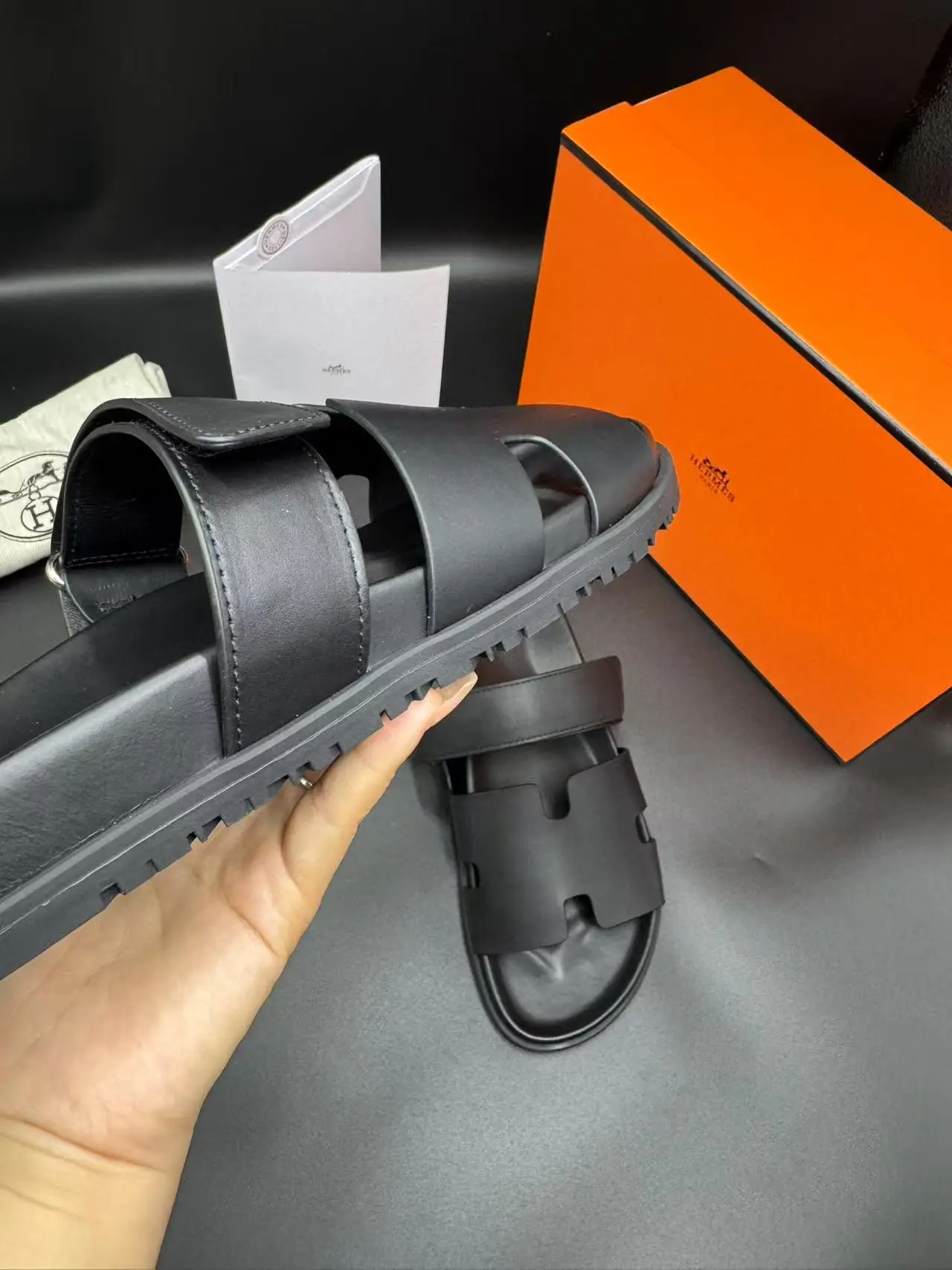
The scent of fine leather, the luster of hand-polished oxfords, the delicate embroidery on couture pumps – for those who view footwear as functional works of art, shoes represent much more than accessories. They embody craftsmanship, tradition and personal style. However, even the most delicate pieces face a silent destroyer: moisture. Whether it’s the natural consequence of unexpected rainfall, sporting activity or wear and tear, moisture can compromise structural integrity, breed odors and accelerate decay. Enter this humble hero of shoe protection: shoe dryer. For the discerning collector, this is not a practical gadget but an essential tool for carefully managing luxury investments.
Why precise drying is important for luxury footwear
Water is not only an aesthetic nuisance but also a catalyst for irreversible damage. Consider the science:
- Material degradation: Skin cells (leather) and natural fibers (suede, silk lining) swell when wet, weakening their cell structure. Repeated cycles of expansion and contraction can cause bonded soles to permanently stiffen, crack, or delaminate.
- microbial catastrophe: Dark and humid indoor environments become a breeding ground for bacteria. Micrococcus and Brevibacterium– Microorganisms responsible for persistent odors. These are not only unpleasant; Acidic by-products of bacterial metabolism reduce the leather’s pH balance.
- Comfort and performance: Moisture in technical fabrics (GORE-TEX® in luxury hiking boots, moisture-wicking linings in designer sneakers) can impair breathability and body temperature regulation and accelerate fatigue.
traditional "solution"– Stuffing your shoes with newspapers, air-drying them near cooling vents, or (worse) using a hair dryer – can be disastrous for luxury materials. High heat can deform leather, while uneven drying can create tension points. Newspaper ink transfers to the lining, forcing air to push moisture deep into the seams.
The engineering behind Elite Footwear Care
A good shoe dryer works on the principle of gentle thermodynamics and airflow dynamics. Unlike budget models that heat indiscriminately, luxury systems prioritize:
- Ultra-low, adjustable heat: Precision thermostat maintains temperature at 86°F–104°F (30°C–40°C)— Warm enough to evaporate moisture without denaturing leather proteins. Some models use a hygrometer to adapt the output to ambient humidity.
- directional airflow: Patented nozzle design (e.g. 360 degree reverse airflow) ensures even circulation pass Inside the shoe, not just around it. This prevents "Hotspot" and extracts moisture from the toe box to the tongue.
- Specific material mode: program calfskin (delicate, intermittent drying), waterproof membrane (extended low temperature cycle), or exotic materials (Like a crocodile or python, the scales may bend when dried quickly).
Beyond functionality: luxury experience
For those who appreciate a well-designed life, aesthetics are important. Leading brands seamlessly blend advanced engineering with minimalist design:
- Material: Brushed titanium base, matte carbon fiber shell or sustainably harvested teak accents to complement your walk-in wardrobe or dressing room.
- Smart integration: Wi-Fi-enabled models sync with an app to monitor drying progress, recommend maintenance based on wear frequency (tracked via RFID shoe tags), or automatically adjust settings when traveling to humid climates.
- Silent operation: Noise level is lower than 25dB– Quieter than a whisper – ensures discreet use in the bedroom or office.
Choose your system: An insider’s guide
Capacity and versatility
Do you primarily dry custom leather loafers, or do you alternate drying ski boots and equestrian gear? Modular systems such as SneakerBubble Pro Elite Stackable units available with custom nozzles (from fine needle adapters to boot extenders).Safeguards for specific materials
Verify certification——Vegetable Tanned Leather Council (VTLC) Approval represents an agreement to protect natural tannins. For suede, look for an anti-pilling airflow filter.- Heritage and Warranty
Brands such as peter dryer (Operating since 1964) or fuck peopleof Strength elasticity The range comes with a lifetime warranty on the heating element, reflecting confidence in decades of use.
Conclusion: Conservation as a philosophy
A luxury shoe dryer is not an appliance, but an extension of your commitment to a product that lasts longer than is disposable. Each cycle extends the life of the hand-welded sole, maintains the suppleness of the suede, and preserves the contours of the architectural heel. In the world of fast fashion, it’s a silent form of resistance: honoring craftsmanship by ensuring that the collections you curate are timeless and don’t wither away from time or the elements.
FAQ
Q: Will a heated dryer damage delicate fabrics like silk brocade or satin?
A: Quality dryers offer ultra-low temperature settings (under 90°F) and silk-specific modes that gently circulate air without direct heat contact. Always use ventilated shoe trees to maintain shape.
Q: How long should custom leather shoes be left in the dryer?
A: Most calfskin or cordovan leather shoes will take 1.5-2 hours on the medium setting. Exotics may require a shorter cycle (45 minutes) to avoid skin shrinkage.
Q: Is UV disinfection safe for dyed leather?
A: Reputable brands use UV-C light at a wavelength (270–280 nm) that is proven to kill microorganisms without fading the dye. Avoid non-specialist equipment that uses the wider UV spectrum.
Q: Should I use the dryer every day even if my shoes are not visibly wet?
A: Drying after wearing (30 minutes in ambient air mode) will prevent sweat accumulation. Reserve heating cycles for actual moisture exposure.
Q: Is the Deluxe Dryer suitable for travel?
A: Look for dual voltage models (110V–240V) with folding nozzles. Brands such as cerebral Leather travel cases available in sizes matching Rimowa carry-on luggage.