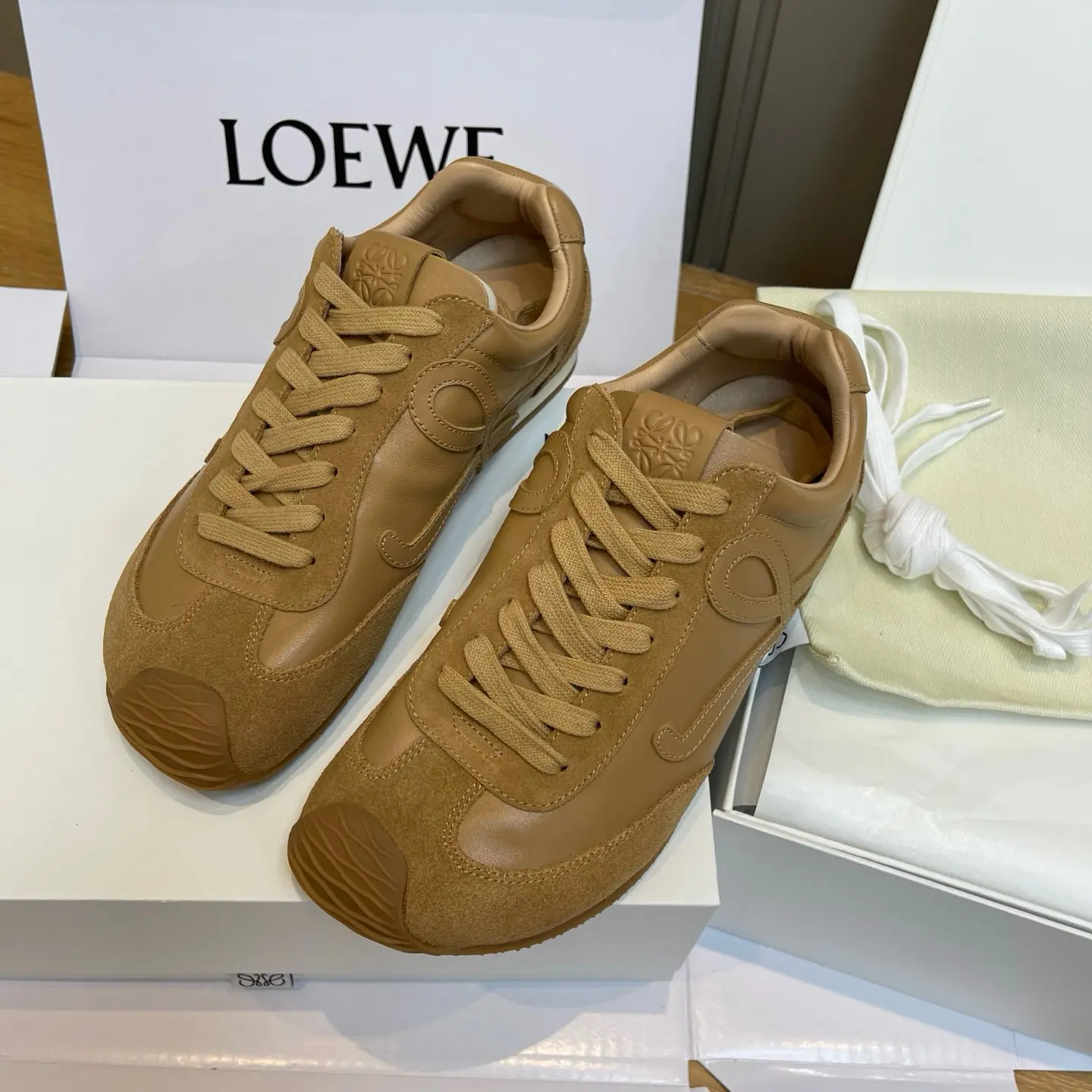
The artisanal alchemy of leather shoe polish: elevating luxury footwear to timeless perfection
In the world of luxury footwear, where custom oxfords, hand-stitched loafers and handmade boots are all considered fashionable investments, discerning connoisseurs know that true elegance lies not just in buying but in preserving. Leather shoe polish—an often underrated elixir—is the unsung hero in this narrative of longevity, shine, and legacy. For those who view shoes as wearable art, understanding the science, craftsmanship and ritual behind a quality polish is essential to curating a collection that will last.
Anatomy of Excellence: What defines luxury shoe polish?
Unlike mass-market polishes that prioritize convenience over quality, high-end leather shoe polishes stand out through three pillars:
High quality raw materials
The finest polishes combine tradition and innovation. Look for microcrystalline wax (derived from petroleum distillation) blended with natural carnauba wax (the “King of Waxes”) harvested from the leaves of the Brazilian palm. Both materials provide unparalleled depth of shine while allowing the leather to breathe. Lanolin is an emollient derived from wool that mimics the natural oils lost during the tanning process, while jojoba oil or coconut esters provide pH-balanced hydration. Crucially, the luxury cream avoids silicone-based “glitter” which can create a plastic-like seal that accelerates the degradation of leather.Pigment accuracy
The custom-grade cream uses micronized pigments suspended in a soft emulsion, ensuring a seamless bond with the leather’s porous surface. Leading brands such as Saphir Médaille d’Or or Collonil use an artist’s color approach, offering nuanced shades such as “Bourbon”, “Crimson” or “Havana” that highlight the complexity of vegetable-tanned leather. For collectors of rare Cordoba hides or exotic leathers, a custom pigment mixing service ensures perfect tonal harmony.- micro repair ability
Elite polishes contain collagen or hydrolyzed silk peptides that microscopically bind to worn fibers, minimizing the appearance of minor scratches without masking the leather’s character, a key balance for bronze lovers.
Ritual: Polish as a Connoisseur
Applying shoe polish is not a chore but a meditative craft. For best results:
Prepare
Use a brush with horsehair bristles (not synthetic) to remove dust. For deep-rooted dirt, use chamois that’s barely wet—overhydration can delaminate the layers of leather. Let dry for 12 hours.Nourishing first
Condition with a pH-neutral cream (such as Bickmore Bick 4) before polishing. Wax-based polishes can protect but not moisturize.application
Use a 100% cotton applicator (synthetic material that sheds microplastics) in a circular motion. For wax-rich creams, “apply a thin layer – let dry – then apply another layer” will create a stretchy base.- polishing
Rubbing the flannel cloth or deer bone vigorously creates friction-induced warmth that melts the wax into a glass-like surface. Rotate the cloth to avoid redistribution of residue.
Beyond Aesthetics: The Alchemy of Conservation
Luxurious polishing cream acts as atmospheric armor:
water resistance
Carnauba wax creates a hydrophobic barrier that repels rain without affecting breathability (unlike silicone sealants).UV defense
Titanium dioxide nanoparticles in the advanced formula scatter UV rays to prevent the dreaded “red rot” fading of neglected leather.- Thermal regulation
Leather shrinks when cold and expands when hot. The flexible wax matrix in hand cream adapts to these changes and prevents cracking.
The Patina Paradox: Why Polishing Enhances Character
Purists often worry about the story that polishing will “erase” the shoe. Paradoxically, a good quality cream enlarge Patina. As the layered wax oxidizes, it deepens the leather’s base color—cedar cream amplifies the russet tones of a tan brogue, or violet-infused black adds depth to calfskin. The finest polishes act like lenses, not erasers.
Sustainable fashion: eco-conscious Polish innovations
Affluent consumers are increasingly demanding sustainability. Brands like Zcento now offer plastic-free packaging, beeswax-based lotions and bio-renewable solvents. Le Tech’s “Bio-Patina” range even uses upcycled olive pulp wax.
Conclusion: The Quiet Power of Skilled Maintenance
In a world chasing ephemeral trends, the ritual of polishing your shoes becomes an act of defiance—a commitment to preservation rather than replacement. Each jar of Luxurious Polishing Cream is more than just a product; It’s a contract between craftsman and wearer that ensures every wear and tear tells a story and every patina reflects centuries of craftsmanship. For the guardians of fine footwear, polishing is not decorative but curatorial.
FAQ: A Connoisseur’s Guide to Leather Shoe Polish
Q1: How often should luxury leather shoes be polished?
A: For regular wear, condition every 3-4 wears and polish every 2-3 weeks. Use cedar trees to store shoes to maintain their shape and absorb moisture.
Q2: Can polish rejuvenate dry or cracked leather?
A: Severe damage requires professional intervention. Mild dryness may require intensive care (Lexol Leather Deep Conditioner) followed by a thin coat of polish. Avoid over-application – a thick build-up of wax can exacerbate cracks.
Question 3: Cream vs wax polish – which is best for my £1,000 bespoke Oxford shoes?
A: Creams (higher oil content) nourish and add subtle shine; waxes (higher carnauba content) provide powerful protection and high shine. Use cream for regular wear and wax for formal occasions. Always apply cream first and then wax.
Q4: How to match polished colors with exotic leathers such as crocodile or ostrich?
A: Consult professional brands that offer specific ratios of pigments (such as Saphir’s Reptan series). Test on an inconspicuous area first—foreign objects absorb dye unevenly.
Q5: Are “colorless” polishes effective on rare leathers?
A: Clear polishes (such as Collonil 1909 Universal) provide protection without altering the patina, but lack the micro-healing properties of tinted creams. Preserve museum quality works.
Q6: Why do some polishes leave white residue in the cloth grain?
A: Excess wax is trapped in the piercing. Prevent this from happening by using a soft-bristled toothbrush to gently remove any debris after polishing.
Q7: Can I polish suede or nubuck leather shoes?
A: Never use standard creams. Purchase a Tarrago Nanoprotector and a special eraser. Recolor using pigment-infused foam (Saphir Omni’Nettoyant).
Question 8: How to safely remove old polish buildup?
A: Use a leather remover (Angelus Leather Preparationr) or diluted white vinegar. Condition immediately afterwards to restore pH balance.
Q9: Is the “vintage smell” in the polish jar a sign of quality?
Answer: Yes! High levels of linseed oil or pine tar produce a nostalgic aroma – a hallmark of traditional European recipes. Modern citrus solvents lack this gravitas.
Q10: Is vegan shoe polish comparable to carnauba shoe polish?
A: Emerging vegetable wax blends (candelilla, rice bran) approach the luster of carnauba wax, but sacrifice water resistance. Hybrids with biosynthetic polymers, such as Greene Street’s plant-based polishes, show promise.
For those who view their footwear as heritage, the right leather shoe polish is not an accessory but an important collaborator in passing down the craft. Choose wisely; the next century of your shoes depends on it.