For many, the term “replica shoes” conjures images of poorly made fakes sold on street corners. However, in today’s sophisticated market, the definition has evolved dramatically. At its core, a shoe replica is a recreation or reproduction of an existing, often high-end, footwear design. The intent, quality, and legality behind that recreation create a vast spectrum, ranging from illegal counterfeits to high-fidelity homage pieces.
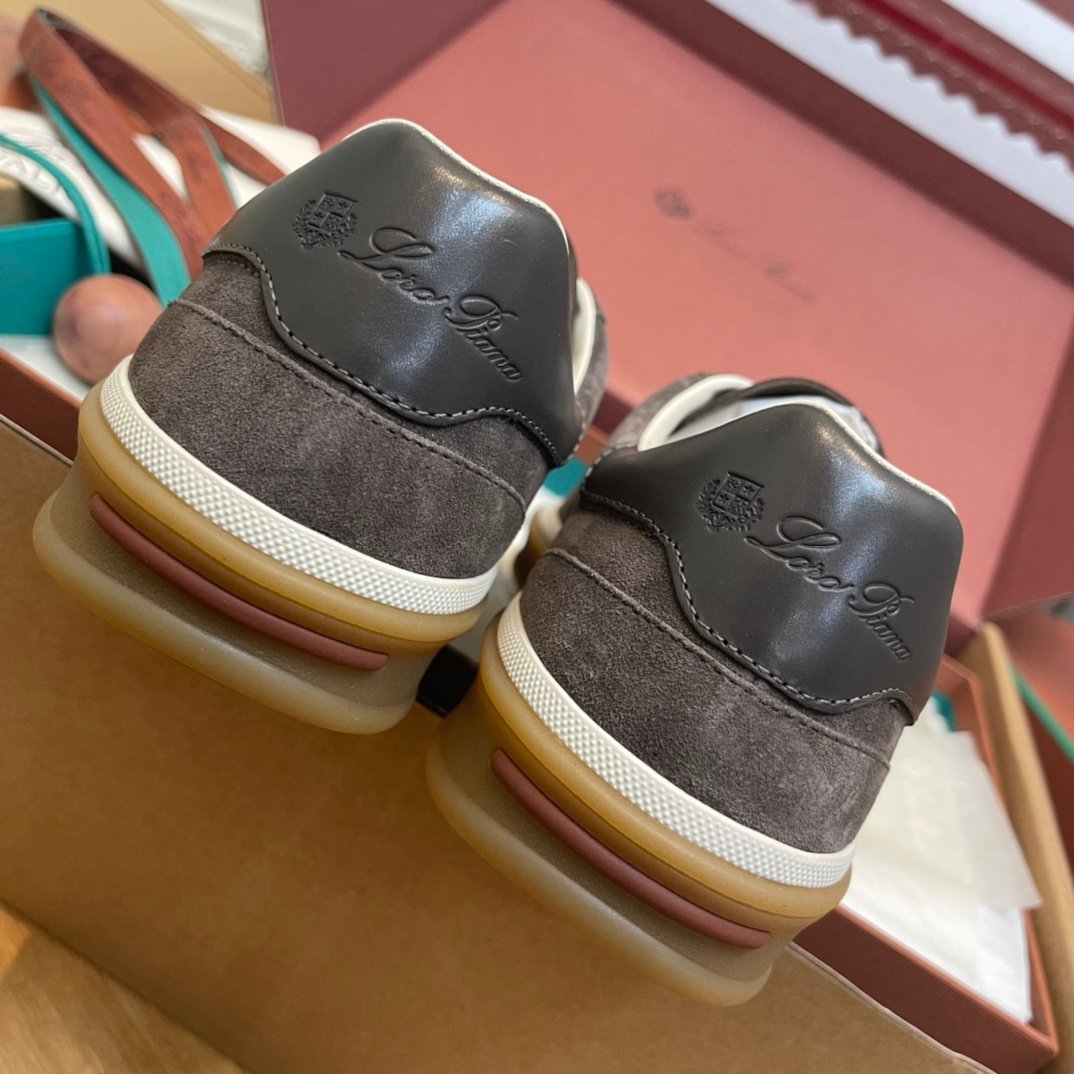
This guide will demystify what “replica” truly means for shoes, helping you navigate the nuances of quality, ethics, and craftsmanship.
The Spectrum of Replicas: From Fake to “1:1”
Not all replicas are created equal. The market is broadly segmented into tiers:
Low-Grade Fakes (Counterfeits): These are illegal copies designed to deceive. They use cheap materials (pleather, plastic), have glaring flaws (wrong logos, poor stitching), and fall apart quickly. Their sole purpose is to profit from brand theft.
Mid-Tier Replicas: These aim to look like the original from a distance but compromise on materials and construction details. Stitching may be uneven, leather is often corrected grain, and the shape (“last”) is usually off.
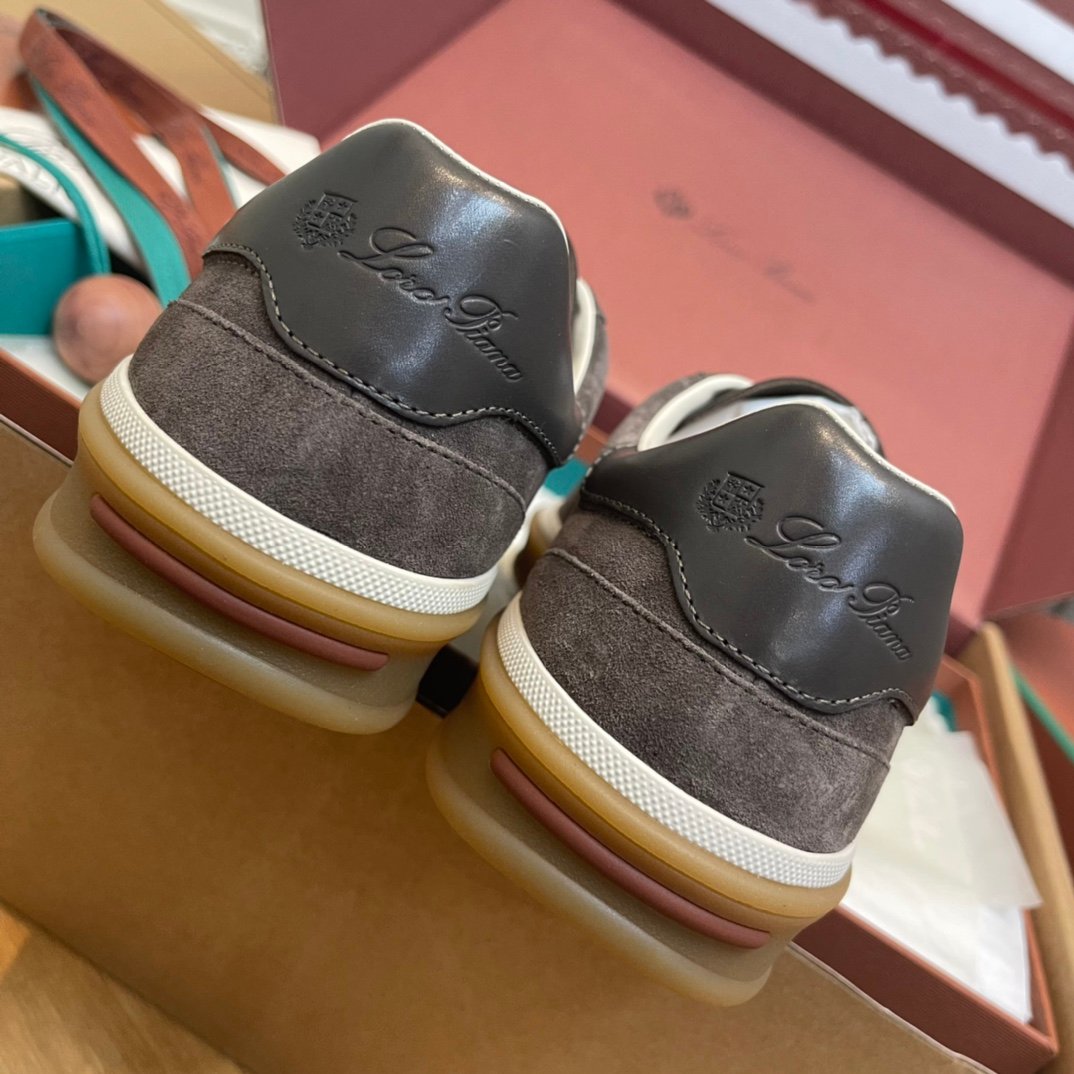
High-End Replicas (The “1:1” or “Super-A” Standard): This is where the definition shifts from “fake” to “reproduction.” Companies like Luxe-Shoe.com operate in this space, focusing on:
Material Authenticity: Sourcing the same or equivalent materials as the original—Italian calfskin, premium suede, proprietary knit uppers.
Craftsmanship Precision: Meticulous attention to stitch density, sole molding, logo placement, and overall construction techniques.
Technical Fidelity: Replicating functional aspects like cushioning systems (e.g., Nike Air units, Adidas Boost), weight, and flexibility.
The goal of a high-end replica is not primarily to deceive as an original for resale, but to offer the design, aesthetic, and quality experience of a luxury or hyped sneaker at an accessible price point.
Why Do High-End Replicas Exist? The Market Drivers
The demand for premium replicas is fueled by several key factors:
Accessibility: Iconic sneakers from brands like Nike, Adidas, or luxury pieces from Gucci and Dior often have limited releases and resell for thousands of dollars. Replicas make the design accessible.
Wearability: Many buyers of high-end replicas want to enjoy a beautiful, well-made shoe for daily wear without the anxiety of damaging a $1,500 investment.
Appreciation of Craftsmanship: A growing segment of consumers appreciates the technical achievement of a perfect reproduction—the skill required to source the correct materials and execute the build.
Key Characteristics of Modern High-End Replicas
When discussing platforms like Luxe-Shoe.com, “replica” signifies a product built with specific principles:
Zero-Difference Materials: The pursuit of using leather from the same tannery, textiles from the same mill, and hardware from the same supplier as the authentic factory.
Process Over Price: Implementing quality control steps like infrared stitching alignment checks and 48-hour wear simulation tests that many fast-fashion brands skip.
Transparency: Reputable sellers specify they are selling a replica, provide detailed photos of their actual product, and outline their quality tiers (e.g., “Super-A” grade).
Service Model: They often support a dropshipping and wholesale model for resellers, and back their products with clear after-sales policies, distinguishing them from fly-by-night counterfeit operations.
Replica vs. Authentic vs. Inspired: A Quick Guide
| Term | Definition | Legality | Primary Goal |
|---|---|---|---|
| Authentic | The original product made by or under license from the brand owner. | Legal | Brand expression, innovation, commerce. |
| High-End Replica | A near-exact reproduction focusing on material and construction accuracy. | Legal Gray Area* | Provide the design/quality experience at accessibility. |
| Counterfeit (Fake) | An illegal copy designed to trick buyers into believing it’s authentic. | Illegal | Deception for profit. |
| Inspired Design | A shoe that borrows stylistic elements but has its own branding and distinct design. | Legal | Offer similar style without copying logos. |
*Note: Selling replicas with trademarked logos infringes on intellectual property. Reputable consumer-focused platforms emphasize buying for personal use, not for fraudulent resale.
How to Identify a Quality Replica
If you’re evaluating a high-end replica provider, look for:
Detailed Material Descriptions: They should specify leather types, origins, and technical fabric names.
Comparison Photography: Side-by-side shots with authentics, highlighting details, not hiding flaws.
Focus on Construction: Talk about stitching SPI (stitches per inch), last shape, and sole compound.
Clear Policies: Transparent shipping, return, and quality guarantee policies.
Community Feedback: Established reputation on independent review forums and platforms.
The Bottom Line
Today, “replica” in footwear no longer solely means “cheap fake.” In its highest form, it represents a parallel industry focused on material science, precision engineering, and democratizing design. It caters to informed consumers who value the aesthetics and quality of luxury footwear but choose an alternative path to ownership.
For those seeking this level of quality, the focus shifts from finding a “copy” to finding a trusted manufacturer—a partner like Luxe-Shoe.com that applies legitimate craftsmanship standards to recreate the shoes you love. The conversation moves from “Is it fake?” to “How well is it made?”
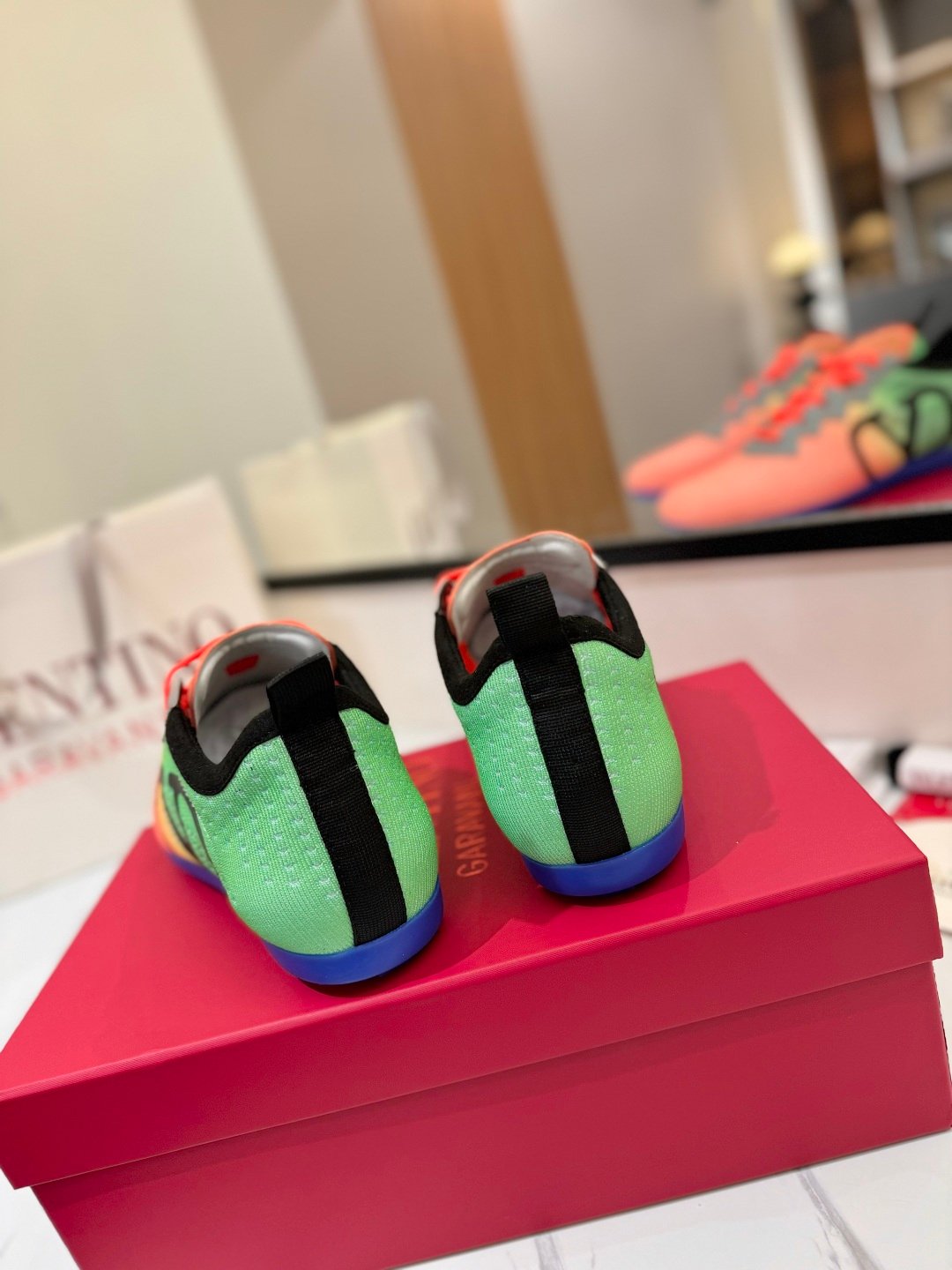
Ready to explore the world of precision-crafted footwear? Discover the difference for yourself at the official Luxe-Shoe.com{:target=”_blank”} collection, or see our products in detail on our YouTube channel{:target=”_blank”}.