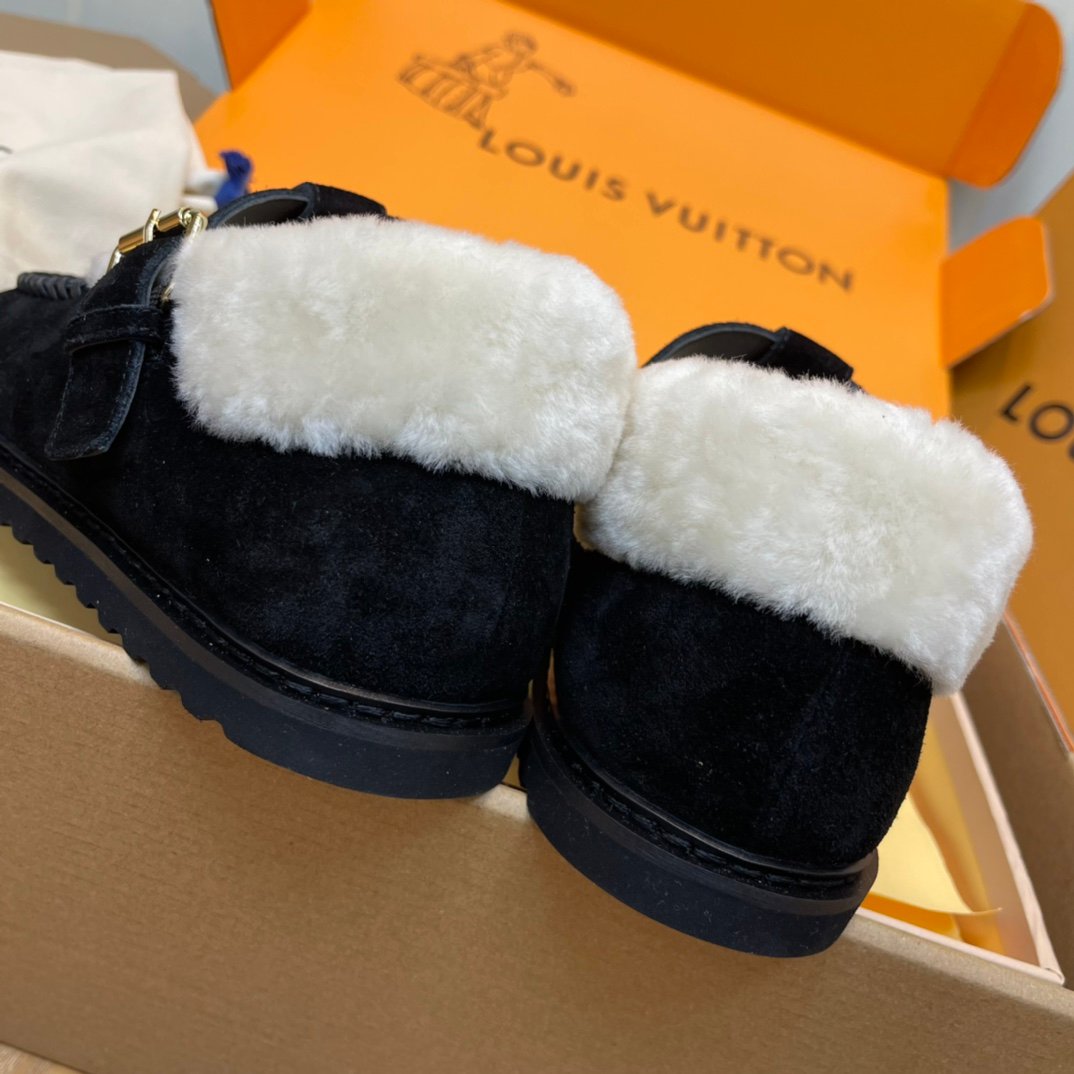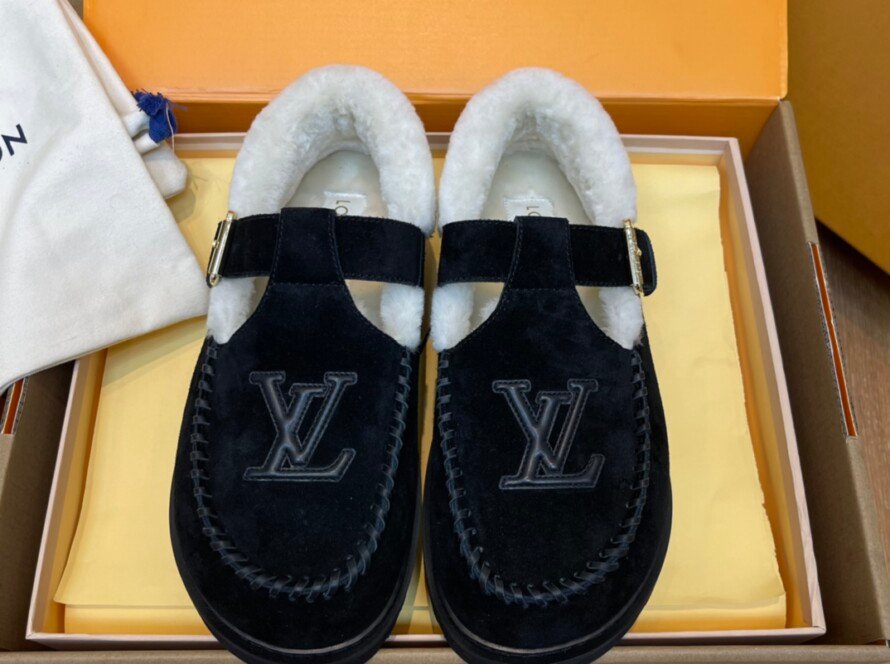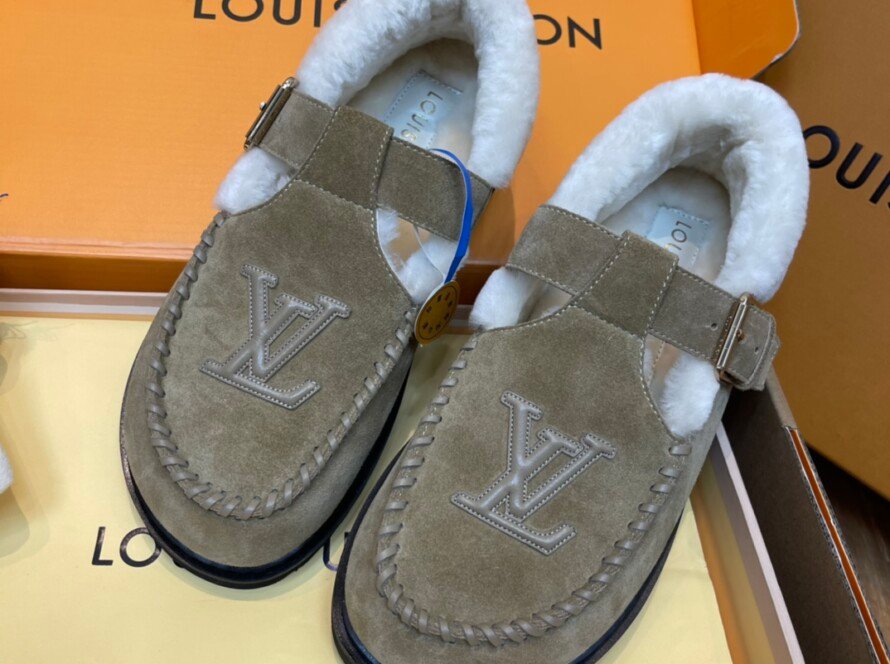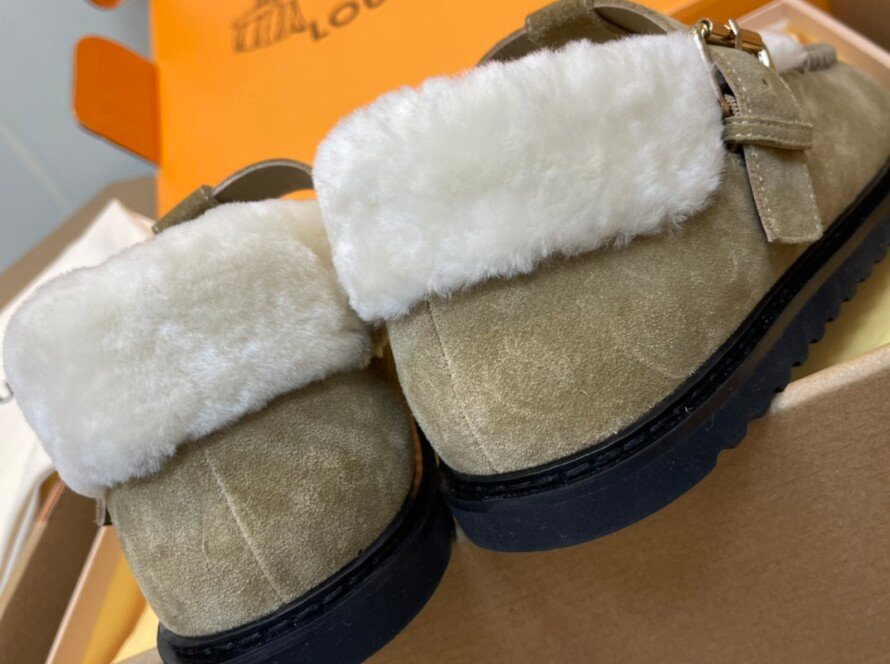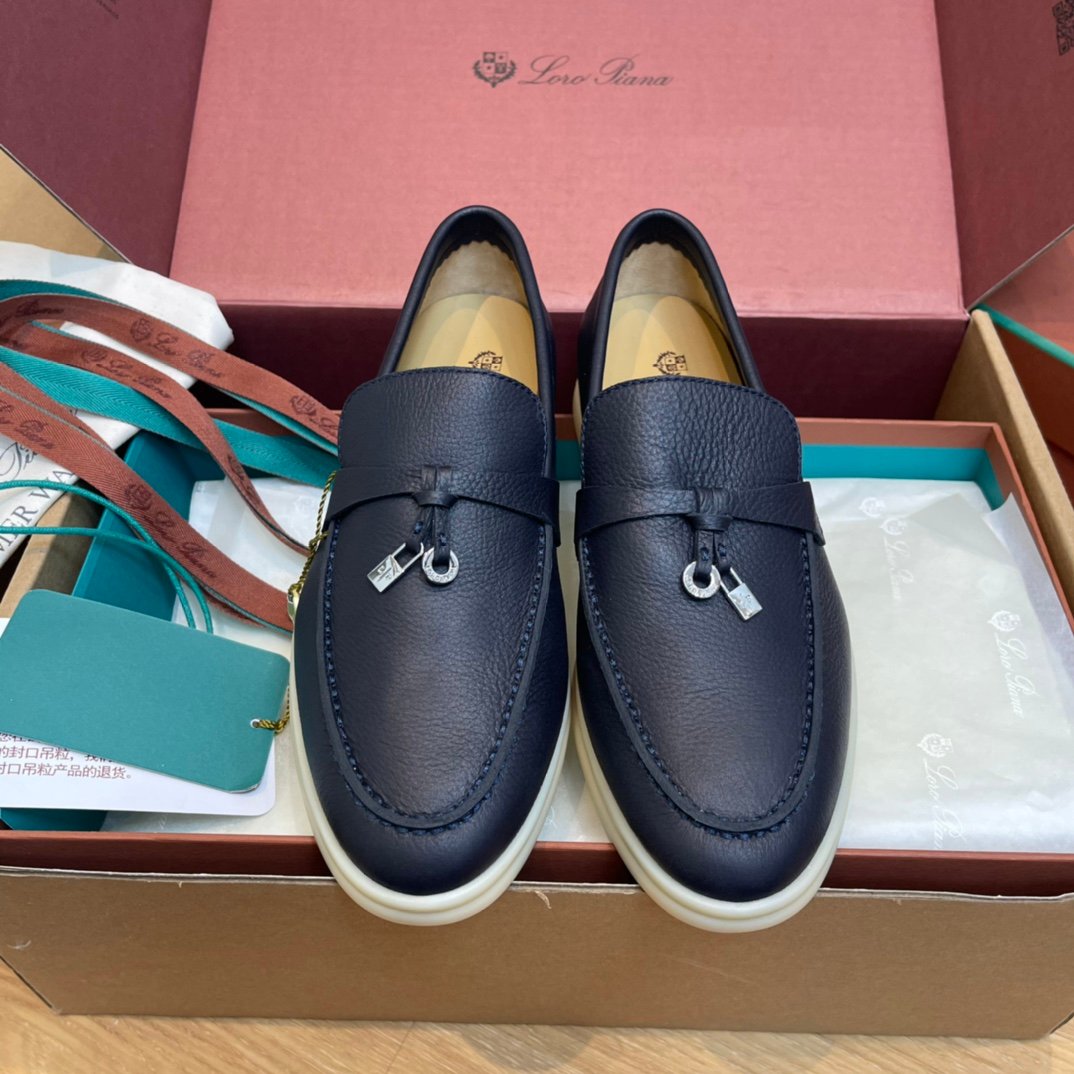
Searching for “cheap replica shoe sites” often leads to a confusing and risky landscape of online stores promising designer looks at bargain prices. While the appeal of low-cost fashion is undeniable, understanding what “cheap” truly means in this market is crucial for a satisfactory purchase.
This guide provides an honest look at budget replica sites, outlines the common pitfalls, and offers a practical framework for making smarter buying decisions, even when working with a limited budget.
What Does “Cheap” Really Mean in the Replica World?
Before clicking “buy,” it’s essential to understand what you’re likely compromising on at a low price point:
Materials: Budget sites typically use synthetic leather (PU), stiff fabrics, and lightweight, non-durable foam for midsoles. This results in shoes that lack the feel, smell, and longevity of genuine leather or high-quality replicas.
Craftsmanship: Expect glued construction instead of stitching, misaligned patterns, sloppy paint jobs, and incorrect proportions. The “look” may be vaguely similar from a distance, but details will not withstand close inspection.
Comfort & Support: Inexpensive replicas often use generic, unergonomic lasts (shoe molds). Combined with poor cushioning, this can lead to discomfort, blisters, and foot fatigue after short periods of wear.
Consistency & Service: Inventory and quality can vary wildly between batches. Customer service is often non-existent or unresponsive, and return policies are rare or impractical.
Critical Pitfalls to Avoid on Budget Sites
The “Too Good to Be True” Price Trap: If a site is selling “Jordan 1s” or “Gucci Aces” for $25 with free worldwide shipping, the actual product cost is likely under $5. This is a major red flag for extremely poor quality.
Stock Photo Deception: Sites that only use official brand marketing images (the perfect studio photos from Nike or Adidas) are a major warning sign. They have no photos of the actual product they ship.
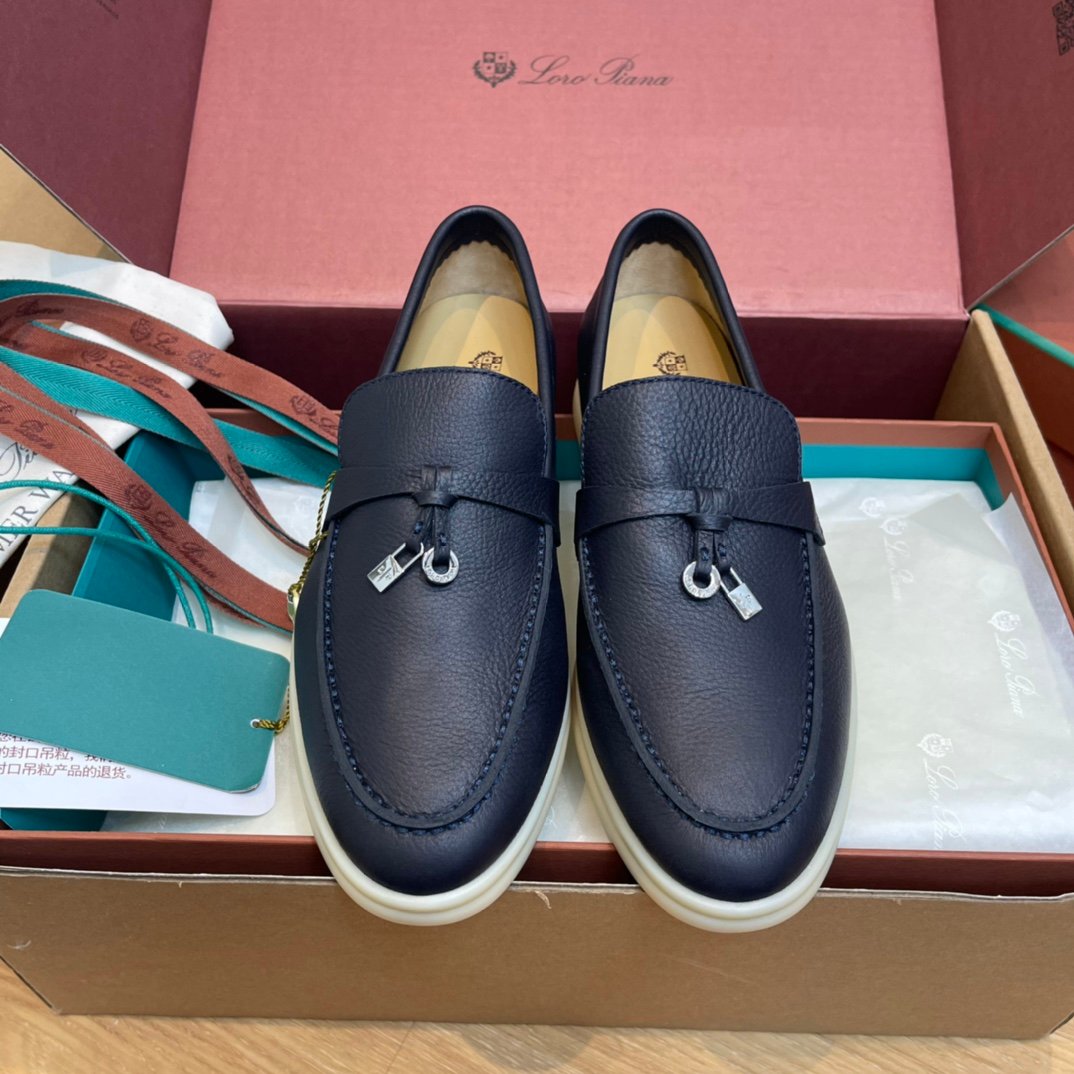
No Detailed Product Photography: Legitimate sellers, even in the replica space, invest in their own photos. A lack of close-ups of the stitching, leather grain, tongue label, and outsole is a strong indicator they have something to hide.
Missing or Vague Size Charts: Inaccurate sizing is a huge problem. Sites without precise, centimeter-based size charts will lead to ill-fitting shoes.
Hidden Shipping & Payment Risks: Be wary of:
Long Shipping Times: 30-60 days is common from ultra-budget channels.
Unsecure Payment Methods: Direct bank transfers, Western Union, or gift cards offer zero buyer protection.
Bait-and-Switch: You order one model but receive a completely different, cheaper shoe.
A Practical Framework for Smarter Shopping
Instead of just searching for the lowest price, use this checklist to assess any site:
| What to Look For | Why It Matters | What to Do |
|---|---|---|
| Real Product Photos | Shows the seller has physical inventory and confidence in their product. | Look for multiple angles, close-ups of logos and stitching, and photos in natural light. |
| Detailed Size Chart | Prevents the most common issue: wrong size. | Measure your foot in cm and match it precisely to their chart. Ignore standard “US 9” labels. |
| Clear Policy Pages | Indicates some level of business structure and customer service intent. | Read the Shipping, Returns, and FAQ pages. Look for realistic timelines and terms. |
| Secure Payment Gateways | Protects your financial information and provides recourse. | Prefer sites using PayPal, credit card processors, or protected escrow services. |
| Community Feedback | Uncovers real-world experiences with quality and service. | Search the site name + “review” or “reddit” on Google. Look for patterns in feedback, not just one-off posts. |
Considering the Next Tier: The Value of “Affordable Quality”
Many buyers start their search for “cheap” sites but become frustrated by the disappointing quality and wasted money. This often leads them to explore the next market segment: affordable quality.
This tier, occupied by specialists like Luxe-Shoe.com, operates on a different principle. While not “cheap” in the $30 sense, they offer value-focused pricing by selling at near-wholesale costs through a factory-direct model. The investment difference buys significant upgrades:
Materials: Use of split-grain or top-grain leathers instead of PU.
Construction: Improved stitching and lasting for better shape and durability.
Accuracy: Dedicated teams that focus on replicating specific, popular models correctly.
Service: Basic but functional customer support and clearer policies.
For the buyer who has been burned by a “cheap” site, this tier represents a more reliable path to getting a product that actually looks like the shoe they wanted and lasts more than a few months.
Final Recommendation & Verdict
If your primary and absolute driver is the lowest possible upfront cost, and you accept the high risk of poor quality, incorrect sizing, and no customer support, then budget sites exist. Your best defense is rigorous research using the framework above.
However, if your goal is to obtain the best possible value—a shoe that provides satisfaction, wearability, and a reasonable lifespan for your money— then redefining your search from “cheap” to “affordable quality” or “value-tier replica” will yield far better results. In the long run, spending $80-$150 on a well-made pair from a transparent supplier often proves more economical and satisfying than cycling through multiple $30 disappointments.
Remember: In the replica market, you almost always get what you pay for. Investing time in research is the only way to align your expectations with reality and make a purchase you won’t regret.