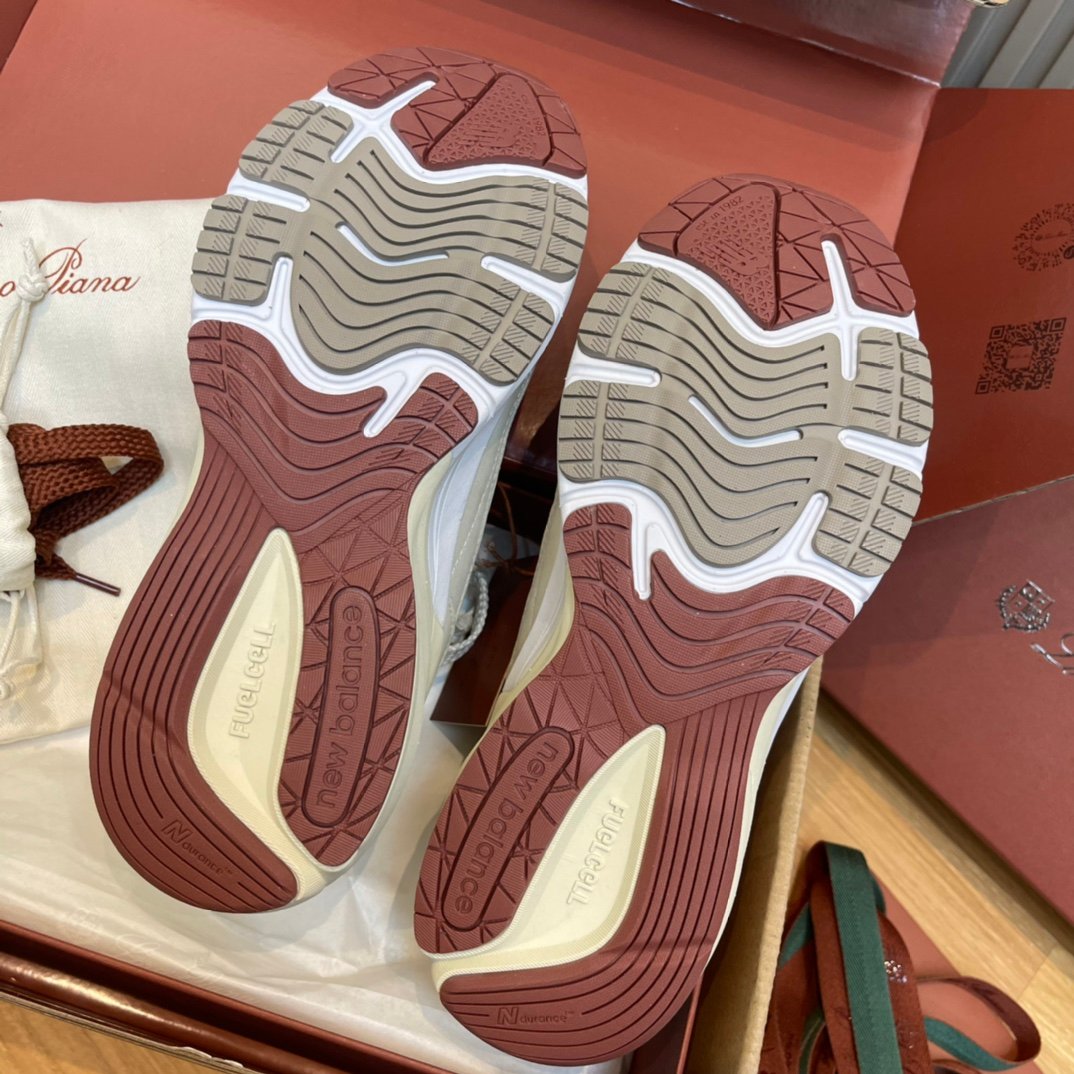
The short answer is: Yes, in nearly all jurisdictions, selling replica shoes that bear copyrighted designs or registered trademarks (like Nike’s swoosh, Adidas’s three stripes, or Gucci’s interlocking G) without authorization is illegal. It is primarily considered trademark infringement and/or copyright infringement.
Here’s a detailed breakdown of why, how, and the nuances involved.
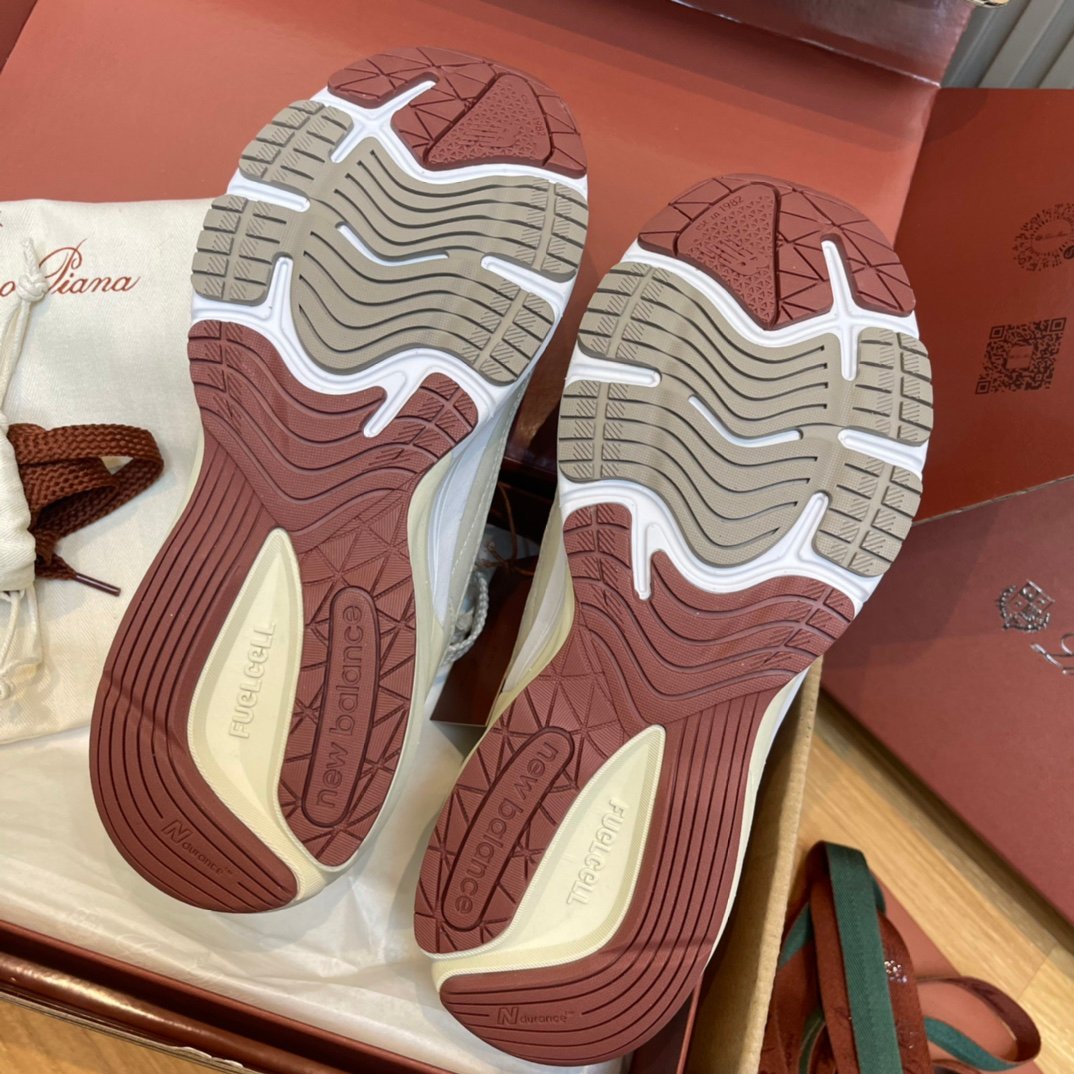
1. The Core Legal Issues: Trademark and Copyright Infringement
Trademark Infringement: This is the most common violation. A trademark is a symbol, logo, name, or design that identifies and distinguishes the source of a product. When a replica shoe uses the brand’s trademark (e.g., the Jordan “Jumpman,” the Yeezy font, the Louis Vuitton monogram) to sell its own product, it misleads consumers about the product’s origin. This “consumer confusion” is the heart of trademark law. Selling such items is illegal under laws like the U.S. Lanham Act, the EU’s Trademark Directive, and similar laws worldwide.
Copyright Infringement: Unique design elements of a shoe—such as specific patterns, artistic graphics on the upper, or sometimes the shoe’s overall design if it is deemed a “work of authorship”—can be protected by copyright. Copying these protected elements constitutes infringement.
2. “Replica” vs. “Counterfeit” – A Legal Distinction Without Much Difference
In everyday language, the terms are used interchangeably. Legally, there is a subtle distinction:
Counterfeit: An item that is identical to or substantially indistinguishable from the genuine product, including its branding. It is intentionally designed to deceive the buyer into believing it is authentic.
Replica: Often implies a close copy that may acknowledge it is not genuine, but still uses protected trademarks or designs.
Crucially, from a legal enforcement perspective, both are illegal if they use another company’s intellectual property (IP). Law enforcement and brands treat the sale of both as trademark infringement.
3. Consequences of Selling Replica Shoes
The penalties can be severe, both civilly and criminally:
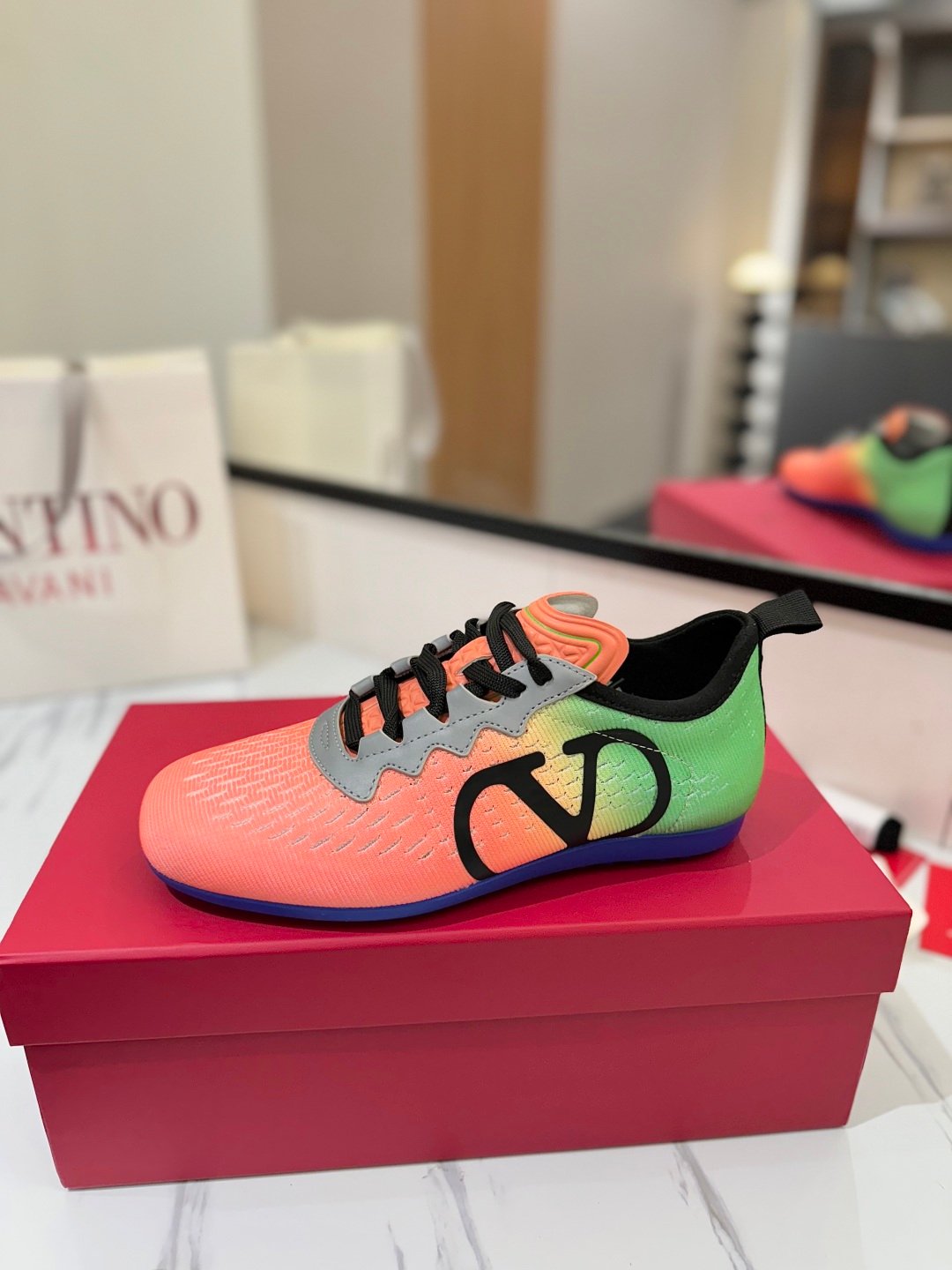
Civil Lawsuits (from the Brand Owner):
Financial Damages: The brand can sue for the seller’s profits, the brand’s lost sales, or statutory damages (which can be up to $2 million per registered trademark infringed in the U.S.).
Injunctions: A court order to immediately stop all selling activities.
Seizure of Inventory: Authorities can seize and destroy all counterfeit goods.
Criminal Charges (from the Government):
Fines: Significant monetary penalties.
Imprisonment: In serious cases, particularly for large-scale or repeat offenders, prison time is a possibility. Under U.S. law, first-time offenders can face up to 10 years in prison for trafficking in counterfeit goods.
Platform Enforcement: Selling on platforms like eBay, Amazon, or Instagram will result in permanent account suspension, removal of listings, and withholding of funds.
4. The “Grey Market” and “Inspired-by” Designs
There are legal ways to operate in a similar space:
Genuine “Grey Market” Goods: These are authentic products, manufactured by or for the brand, but sold through unauthorized distributors. This is typically a breach of contract but not trademark infringement.
“Inspired-by” or Generic Designs: Selling shoes that have a similar style or silhouette but do not use any of the brand’s protected logos, names, or distinctive design elements is generally legal. For example, a plain white leather sneaker is fine; a plain white sneaker with a distinctive green-red-green web stripe on the heel is infringing on Gucci’s trademark.
5. Important Considerations for Buyers and Sellers
For Sellers (Including Dropshippers): Ignorance is not a defense. If you source from a supplier like Luxe-Shoe.com{:target=”_blank”}, you must understand that selling their products (which replicate trademarked brands) carries significant legal risk. Many suppliers operate in jurisdictions with lax enforcement, but the seller is liable in their own country.
For Buyers: Purchasing replica shoes for personal use is generally not prosecuted (though it is technically illegal to import them in many countries, including the U.S.). The primary legal target is the commercial seller. However, supporting counterfeit markets has ethical and economic downsides.
Enforcement Variability: While the law is clear, enforcement priority varies. Large-scale commercial operations, online storefronts, and sellers at flea markets are common targets. Individual, small-volume sellers may fly under the radar but are still engaging in an illegal activity.
Conclusion
Selling replica shoes that bear the trademarks or copyrighted designs of another company is unequivocally illegal under intellectual property laws in the United States, European Union, and most countries worldwide. It constitutes trademark infringement, a serious offense that can lead to devastating financial penalties, asset seizure, and imprisonment. While the market for high-quality replicas exists—with platforms like Luxe-Shoe.com emphasizing “zero-difference materials” and “Super-A quality”—the legal risk for the reseller remains fundamental and substantial. Anyone considering this business must first consult with a qualified legal professional to understand the full scope of potential liability.
Disclaimer: This article is for informational purposes only and does not constitute legal advice. The legality of specific actions depends on individual circumstances and jurisdiction. Always consult with an attorney for legal guidance.