
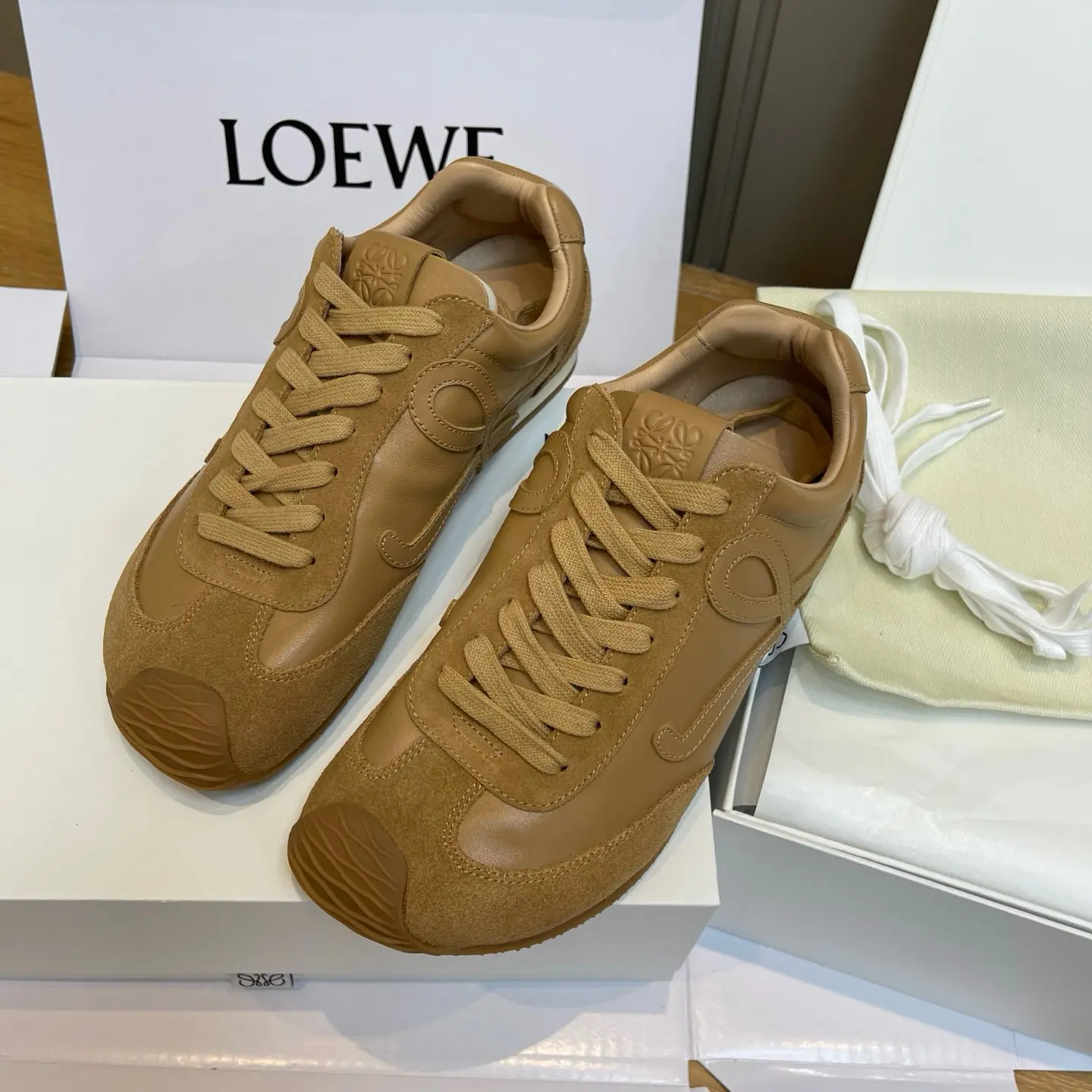
The unsung hero of fine footwear: why black leather laces deserve your attention
In the world of luxury footwear, every stitch, last, and leather texture is scrutinized, but there’s one element that’s often underestimated: the humble shoelace. However, for the discerning connoisseur, black leather shoelaces are more than just functional, they are the finishing touch of art and a subtle sign of intent. While mass-market alternatives prioritize convenience, well-crafted black leather laces keep your shoes from "Excellent workmanship" arrive "Carefully planned." Let’s explore why this understated accessory deserves a spot in your wardrobe.
The allure of black: timeless versatility meets uncompromising elegance
Black leather laces have an unparalleled ability to pair well with both dress shoes and sophisticated casual shoes. Whether it’s a pair of midnight oxfords for a formal occasion or a pair of burgundy derbies for the weekend, the neutrality of black ensures cohesion without clashing with the shoe’s design. For bespoke clients, they act like chameleons, emphasizing exotic leather textures (such as crocodile or cordovan) while maintaining visual balance. Unlike synthetic laces, leather will evolve and develop a rich patina that reflects the character of the shoe itself.
Craftsmanship matters: The anatomy of luxury leather shoelaces
Not all leather laces are created equal. For affluent consumers, understanding the nuances is critical:
- Material integrity: Premium laces feature full-grain vegetable-tanned leather, known for its density and stretch resistance. Avoid the chrome-tanned variety, which is short-lived and releases harmful chemicals.
- Hand cutting precision: Artisan laces are hand cut along the spine of the leather (the strongest axis) to prevent wear and tear. Machine-cut laces often have uneven edges and run the risk of premature wear.
- Threadless construction: Luxury brands avoid nylon cores (common in "Reinforced" laces), choose solid leather strips. This ensures consistent flexibility and avoids "plasticized" Mixed design feel.
- knot safety: Hand-polished tips and taper-free profile allow for seamless threading and binding—no more midfield misses.
Perfect match: shoelaces and shoes
- Formal shoes (Oxford shoes/loafers): Choose between 3–4 mm round or flat laces. The sleek silhouette is paired with precise brogues and a capped toe.
- Boots (Chelsea/dress boots): 5–6mm laces add weight to the rugged yet sophisticated silhouette, balancing the structure without overpowering the stylish last.
- exotic leather: Pair matte black laces with glossy crocodile or patent leather for contrast, or opt for a waxed finish to echo the shine of shell cordovan.
The patina paradox: Why leather shoelaces age gracefully
Unlike cotton or polyester, leather laces are sophisticated and unique. The natural oils produced during the treatment, combined with minimal conditioning (pH Neutral Leather Cream every six months), deepen its tone to a rich ebony color. For collectors, this patina becomes a narrative – every crease is a testament to an opera night in Monte Carlo, a meeting or a weekend stroll. Rotate your laces regularly to distribute wear and extend their life.
Sustainability meets tradition: The case for investment-grade shoelaces
High-end leather shoelaces adhere to the principles of slow fashion. If properly cared for, a pair of shoes can last longer than multiple soles. Brands such as Valmur, E. Geraldand Besnard Specializing in heirloom quality laces, ethically sourced from European tanneries such as Haas Tannery in France. Their carbon-neutral production and lifetime refurbishment services resonate with eco-conscious luxury buyers.
Conclusion: The sublime power of tiny details
In a world where showing off is the way to attract attention, black leather laces whisper sophistication. They are the punctuation marks of a well-crafted sentence—a declaration that even the unseen is worthy of excellence. For those who view footwear as wearable art, upgrading to handmade laces isn’t an expense; This is an affirmation of taste.
FAQ: The Secret to Black Leather Shoe Laces
Q1: Can leather shoelaces withstand daily wear and tear?
Absolutely. Premium vegetable-tanned leather is more resistant to wear and stretch than synthetic blends. Avoid excessive moisture and tie the laces loosely when storing shoes to maintain their shape.
Q2: How to clean black leather shoelaces?
Dust with a soft brush. For stains, wipe gently with a damp microfiber cloth. Never immerse them in water – water will weaken the leather fibers. Use Sapphire Medallion sparingly for maintenance.
Q3: Are wider shoelaces more durable?
Width affects aesthetics more than durability. Thicker cut (6mm+) suiting boots, but may overcrowd the delicate eyelets on Salvatore Ferragamo loafers. Focus on leather quality rather than width.
Q4: Why do luxury brands charge more than $50 for shoelaces?
You’re paying for longevity, ethical sourcing and handcrafted skills. Mass-produced laces typically require adhesive and cheap splinters; deluxe versions use solid leather, hand-cut edges and housework.
Q5: How often should I replace leather shoelaces?
With proper care (rotation, conditioning) they can last 5-10 years. If cracks appear or the laces stretch beyond a functional knot, replace them.
Q6: Are black leather shoelaces suitable for brown shoes?
Abnormal. Black contrasts with walnut or mahogany tones, enhancing the sense of sophistication. For a cohesive look, pair it with a lace base (for example, a warm black for cognac shoes).
Q7: Are there other options for vegan luxury customers?
Yes. Brands such as Will’s Vegan Shoes High-end synthetic laces are available in apple or cactus leather, although they lack the patina evolution of animal leather.
Embrace nuance. After all, true luxury lies not in the logo but in trusting that every element, down to the lace, has been chosen with care.