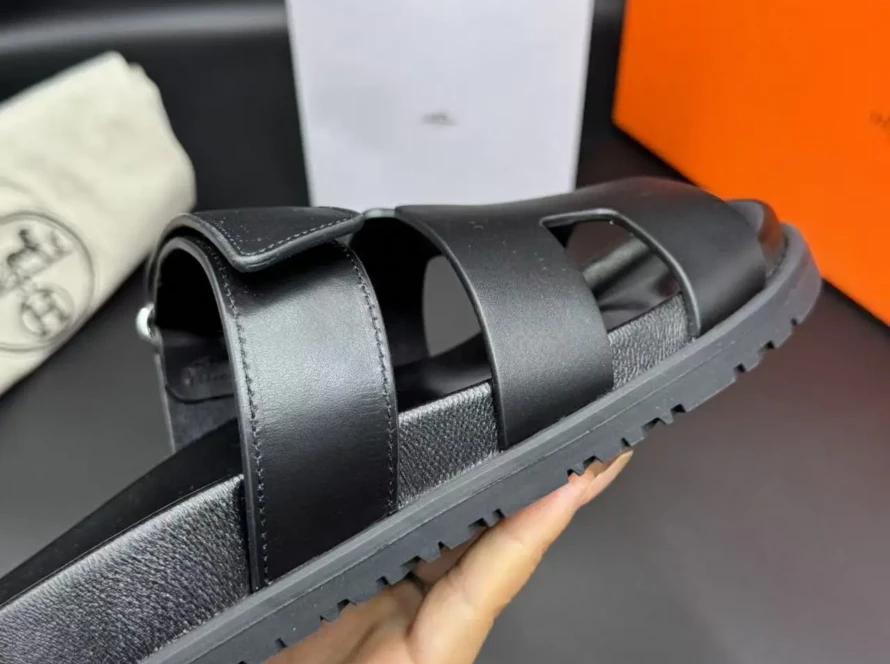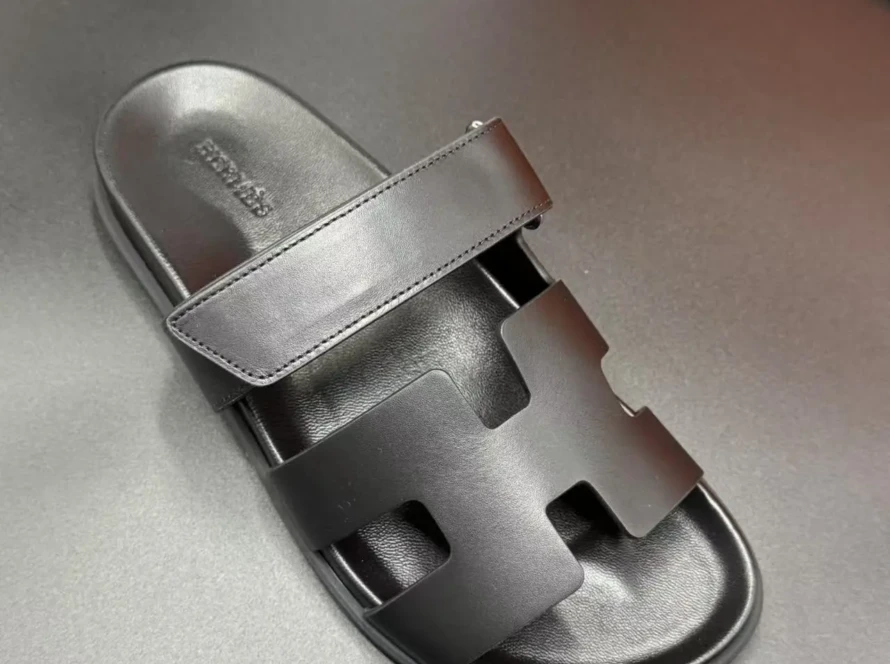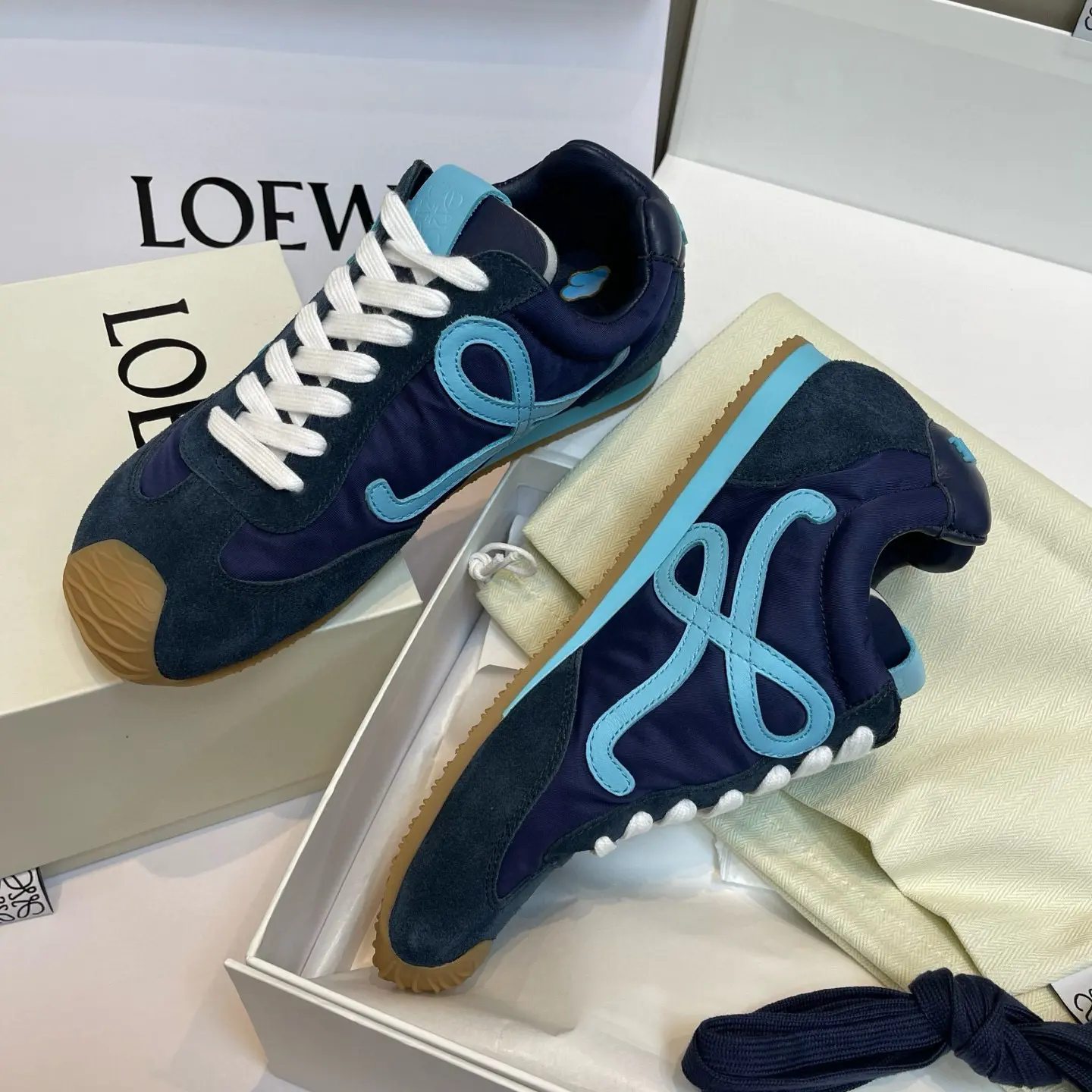
The Art of Protection: Enhance Your Luxury Shoes with High Heel Protectors
For connoisseurs of fine footwear, a pair of heels is more than just an accessory, it’s an investment in craftsmanship, a statement of personal style, and often a treasured relic of fashion history. Whether you commission custom heels from a Milan studio, purchase limited-edition designer pumps, or curate a collection of vintage treasures, the longevity of these pieces depends on careful care. Enter high heel protector: The unsung heroes who protect luxury footwear.
Why Luxury High Heels Need Special Protection
High-end pumps are precision engineered using materials such as soft Italian leathers, exotic leathers, delicate satins and hand-made inlays. Yet their beauty also comes with fragility:
- Sole erosion: Leather outsoles, while breathable and elegant, wear out quickly on concrete, gravel and even marble floors.
- Tip damage: The thin tips may become dull, bent or broken when encountering uneven surfaces.
- surface wear: Patent leather scratches, satin scratches and metal finishes tarnished by friction.
- moisture and stains: Porous material absorbs spills, salt, or rainwater, causing permanent discoloration.
For shoes worth four figures and up, standard shoe care isn’t enough. Heel Guards act as technical shields, combining sophistication with advanced materials to maintain structural integrity and aesthetics.
Classification of high heel protectors
1. Sole Guard: Invisible Armor
Made from medical-grade silicone, thermoplastic polyurethane (TPU), or clear polymer, these adhesive patches adhere to the entire outsole. Luxury brands such as Hermes and Christian Louboutin They are often used in pre-sales to protect the iconic red soles.
- benefit: Prevents wear and tear, enhances grip (vital for smooth surfaces on celebrations), and maintains resale value.
- Customization options: For custom high heels, companies like protect my pump Offering laser cutting solutions tailored to unique sole shapes.
2. Pointed Hat: The Precision Engineering of Stiletto Heels
A tiny metal or composite cap (usually brass, rubber, or ceramic) screws into the tip of a stiletto heel.
- Designer Approved: Brands such as Cassati Milan’s company embeds self-lubricating polymers in microcapsules to reduce friction.
- Aesthetic considerations: Gold-plated or matte black caps can be discreet or designed as hardware accents.
3. Heel lift and ferrule replacement
For regular wearers, the modular ferrule (the little cap at the base of the heel) can be replaced while wearing. Some luxury shoemakers use titanium cores for maximum durability without adding weight.
4. Surface Sealer: Fashion Grade Barrier
Nanocoatings, such as silicone-based sprays, create a molecular barrier on fabrics such as silk or suede that repels water and oil. Chanel’s studio This treatment is recommended for tweed or embroidered heels.
5. Event-specific protectors
Disposable, crystal clear lids (e.g. party protector) Temporarily cling to the tip of your stiletto to prevent sinking into the grass or deck during an outdoor wedding or yachting event.
Choosing a Protector for Your Collection: The Discerning Buyer’s Guide
material hierarchy
- sole: Choose self-adhesive TPU (minimum thickness 0.5 mm) for flexibility and shock absorption. Avoid using PVCturns yellow and cracks.
- tip: Brass or carbon fiber for long life; rubber compound for hardwood noise reduction.
- coating: pH neutral, non-aerosol formulation (e.g. Collonil Nanopro) protects delicate dyes.
Aesthetic first: the principle of transparency
The protector should be undetectable. Brands such as sunscreen essence supply "ghost" Protector with 99% optical clarity while Louboutin’s Proprietary guards preserve the vibrancy of the red sole.
Customization factors
For rare designer heels or orthopedic customization, clinics such as London Footwear Science Center Create 3D scanned protectors that match gait biomechanics.
The Science of Shoe Care: How Protective Pads Extend Life
Wear resistance and microcrack prevention
A study by Materials Science Institute Studies have found that TPU sole guards reduce sole wear by 83% over a 50-mile walk. The heel tip with a polycarbonate core minimizes micro-cracks in the stiletto stem.
Shock Absorption & Comfort
High-end protectors incorporate viscoelastic gel or micro-air pockets (inspired by sneaker technology) to reduce joint impact, which is a boon for wearers during prolonged activity.
Anti-slip technology
Textured patterns or embedded silica particles increase slip resistance. italian brand longer The sole is waterproofed with a nano texture inspired by lotus leaves.
patina prevention
Suitable for traditional leathers (such as Bottega Veneta’s intertwined), the protective film blocks UV rays and oxidants that cause fading and cracking.
Curated Care: Incorporate Protectors into Luxurious Wellness Regimen
- Pre-Application Ceremony
- Before applying adhesive, clean soles with alcohol wipes to remove grease.
- Use a heat gun (low) to mold the protector onto the curved sole.
- Seasonal rotation
- Replace sole guards every 6-12 months, depending on frequency of wear.
- Storage collaboration
- Store heels with silicone wrap in a breathable dust bag – if your heels are damp, moisture may accumulate in the protector.
Conclusion: Protectors are a testament to craftsmanship
In the world of high fashion, preservation is an art form. High heel covers transcend utility—they pay homage to the labor of the craftsmen who carve high heels into wearable sculptures. For collectors, they are insurance; For estheticians, they are invisible allies. As Coco Chanel said, “Luxury has to be comfortable, or it’s not luxury.” Today, that comfort includes knowing that your heels will stand the test of time.
FAQ
Q: Will the protector change the fit or balance of my heel?
A: Advanced protectors add negligible weight (thickness is 0.1–0.3 mm) and are carefully designed to maintain pristine balance. Customization options take weight distribution into account.
Q: Can I use a protective film on delicate materials like satin or python?
A: Nanospray is safe for most exotics and fabrics. For adhesives, consult an expert—some solvents can degrade organic adhesives in rare skins.
Q: How do you protect your heels from scratches on marble floors during events?
A: Soft rubber head cover (e.g. Transparent high heels) prevents marks without sacrificing elegance. Some venues require them to protect floors.
Q: Is there something wrong with the end cap of the metal detector?
A: Brass or aluminum covers rarely set off the alarm. For those who travel frequently, composite materials such as polyetheretherketone polymer are safe at airports.
Q: Can I remove the protector without damaging the sole?
A: High-end adhesives peel cleanly. Use a hair dryer to heat the glue so it is easier to remove – do not use force.
Q: Is the protective cover suitable for block heels or small heels?
Answer: Yes. Brands such as Lowell A tapered guard is provided for block heels, while kitten heels benefit from full sole coverage.
Obsessed with preservation—because true luxury lasts.