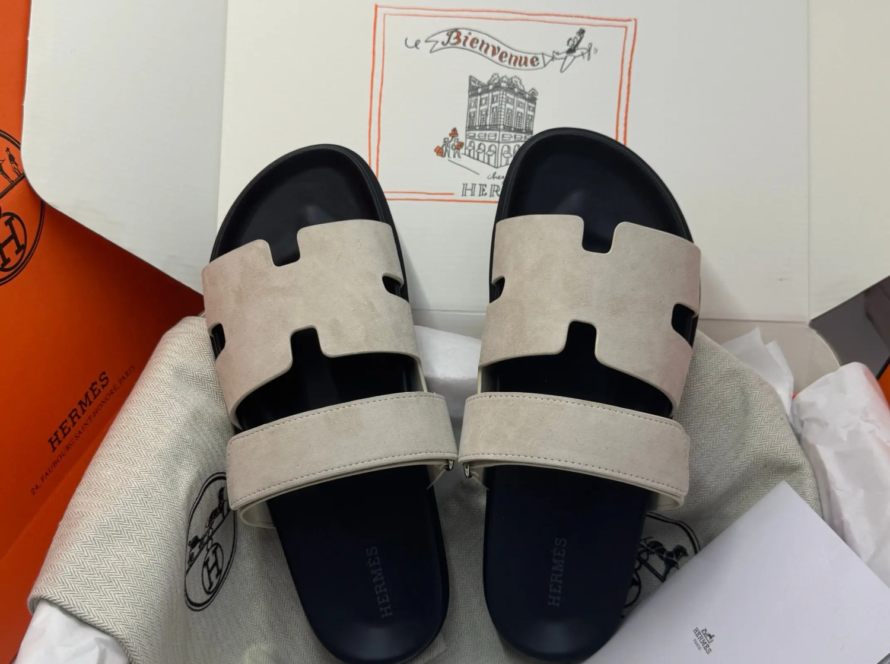
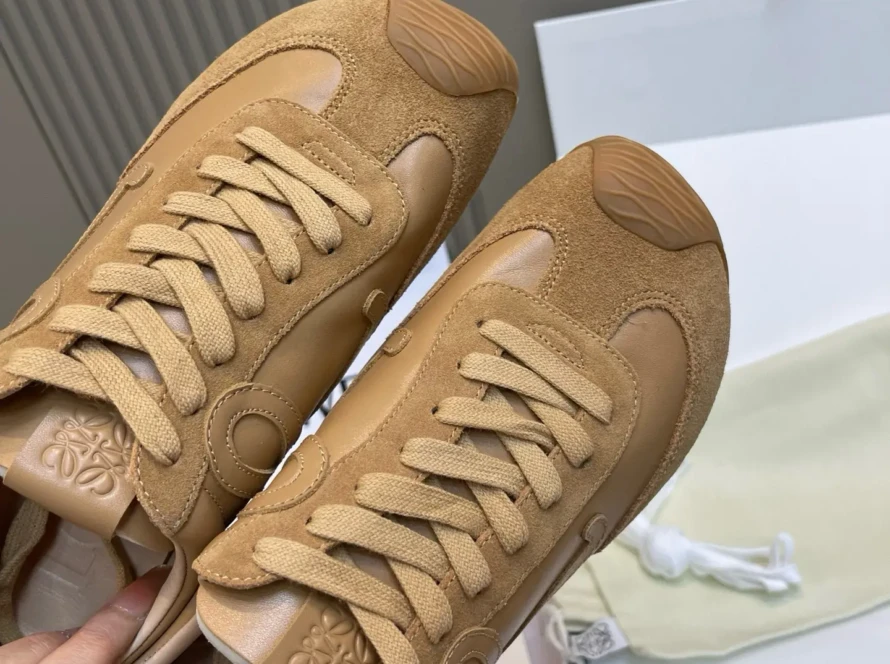
introduce
Nothing ruins the refined elegance of a luxury shoe collection more than a piece of chewing gum stubbornly stuck to a delicate sole or fine leather. Whether you’re wearing handmade Italian loafers, custom oxfords, or limited-edition designer sneakers, chewing gum poses a unique and frustrating threat. Traditional advice often fails to take into account the exquisite materials, intricate finishes and quality craftsmanship inherent in high-end footwear. Here, we provide a detailed, science-based guide to help you safely remove gum without compromising the integrity, beauty, or value of your precious shoes.
Know the enemy: Why chewing gum is a problem
Chewing gum’s adhesive strength depends on its thermoplastic polymer composition. When warm, it behaves like a viscous liquid; when cooled, it solidifies. This unique characteristic makes removal challenging, especially on porous leather, suede, or delicate soles. Harsh scratching or harsh chemicals can permanently damage the finish, discolor the material, or change the texture, thereby diminishing form and function.
Step-by-step solutions for every shoe type
1. Freeze peeling method (applicable to leather, patent leather and rubber soles)
Materials required: Ice cubes, resealable plastic bag, soft-bristled toothbrush, microfiber cloth.
process:
- Place the shoes in the freezer for 10-15 minutes, or use a ziplock bag to apply ice cubes directly to the gum (to prevent moisture damage).
- Once hardened, gently bend the sole or use a toothbrush to lift the gum edges.
- Use your fingers to roll the gum off, avoiding metal tools that can cause scratches.
- Wipe the area with a dry cloth to restore shine.
science notes: Freezing can cause chewing gum to become brittle and reduce its adhesion to surfaces.
2. Oil-based solvent (for suede, nubuck or exotic leathers)
Materials required: Coconut oil, glycerin or special leather conditioner; soft cloth; suede brush.
process:
- Apply a small amount of oil to the edges of the gum and let sit for 5 minutes to break down the polymer.
- Use the cloth to gently move in circular motions to loosen the gum.
- For suede/nubuck, use a squeegee afterwards to restore the pile.
warn: Test the solvent in a hidden area first. Avoid using acetone or alcohol—they can remove dyes and grease.
3. Heating (only for durable materials)
Materials required: Low heat hair dryer, silicone spatula (non-abrasive).
process:
- Heat the gum for 10-20 seconds, holding more than 6 inches away from the dryer.
- Softened gum can be lifted carefully with a spatula.
- Immediately wipe away any residue with a damp cloth.
warn: Excessive heat can warp leather or melt synthetic soles. Never use on velvet or untreated fabrics.
4. Professional cleaners (for high-risk scenes)
If the gum is embedded in stitching, embellishments, or exotic materials (e.g., crocodile, python), consult a luxury shoe restoration expert. Brands such as etiquette, John Loebor giacometti brothers Providing exclusive cleaning services to maintain integrity.
Prevention: Protect your investment
- sole protective cover: Apply clear rubber protective padding (like Vibram City Sole) to designer soles.
- Avoid high-risk areas: Avoid areas with a lot of chewing gum, such as subway platforms or event venues.
- daily care: Use waterproof spray and condition leather monthly to reduce gum adhesion.
in conclusion
Successfully removing gum from luxury footwear requires patience, precision and respect for the material. While DIY methods are fine for dealing with minor mishaps, for heirloom-quality items or irreplaceable designs, don’t hesitate to seek professional care. By combining scientific principles with artisanal wisdom, you can ensure your shoes remain as perfect as the day they were made.
FAQ
Q1: Will freezing damage my sheepskin loafers?
A: No – brief freezing exposure is safe for most leathers. Make sure the shoes are dry and avoid refrigeration for extended periods of time or the natural oils will dry out.
Q2: Can I use peanut butter as a solvent for chamois?
A: We strongly advise against this. Peanut oil may stain, and food residue may attract pests. Choose pure coconut oil or a proprietary cleanser.
Question 3: How to remove chewing gum residue from perforated leather (such as brogues)?
Answer: Use a cotton swab dipped in glycerin to wipe away the residue in the hole. Then use a leather conditioner to rehydrate.
Q4: Is it safe to use a steam cleaner on Saint Laurent patent leather boots?
A: Patent leather is coated with plastic; steam can cause clouding or bubbling. Frozen or oil-based methods are safer.
Q5: What if chewing gum stains the lining of my silk shoes?
A: Silk is very sensitive. Blot dry with cold water (do not rub) and seek professional textile conservatorship immediately.
By employing these tailored strategies, you can protect not only your shoes, but the artistry and heritage they embody. Walk with confidence – no rubber soles.