Ah, the Italian pump – synonymous with seduction, style and the alchemy of tailoring that turns leather and needle into wearable sculptures. For connoisseurs who view footwear not as an accessory but as cultural currency, Italian pumps represent the pinnacle of craftsmanship, design tradition and unapologetic glamor. But beyond the glossy exterior of fashion magazines, there’s a complex ecosystem of artisans, generational workshops and innovation that underpins Italy’s dominance as the undisputed master of high heels.
Anatomy of excellence: why Italian craftsmanship reigns supreme
Italian high heels are not just assembled, but carefully designed. The process begins with an almost obsessive approach to materials: Venetian calfskin tanned in chrome-free pits in Tuscany, a silk lining hand-dyed to match the leather stitch-by-stitch, and a heel carved from sustainably sourced hardwood. On the Riviera del Brenta – "Footwear Silicon Valley"—maestri calzaturieri The techniques deployed since the Renaissance have never changed:
- with hands (Handmade and durable) Ensure there is no tension in the upper mold until the end, preventing creases.
- Interlocking sole (Welted Sole) features improved Goodyear technology that allows the sole to be re-broken down without compromising integrity.
- stilettos (Stiletto Engineering): Brass core wrapped in leather or resin at an angle of 75° or sharper to ensure structural stability.
The result? The heels were incredibly balanced on the edge but still stable enough on the cobbled square.
The Evolution of the Logo: From Baroque Transition to Modernist Sophistication
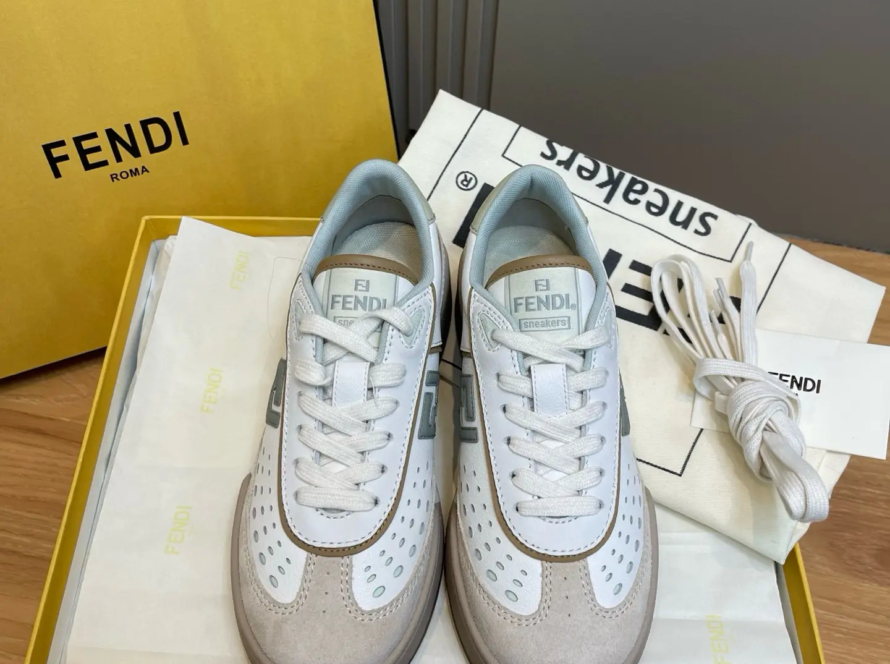
Italian heel designs reflect the country’s artistic era. In the 1950s, Roger Vivier reinvented stilettos for clients such as Salvatore Ferragamo, such as Sofia Loren’s gravity-defying 5-inch pumps. By the 1990s, minimalists like Prada and Bottega Veneta introduced architectural shapes: trapezoidal stacked heels, waistline curves inspired by the arches of the Ponte Vecchio. Today, avant-garde brands like Casadei (“The Blade”) are experimenting with aerospace-grade aluminum pumps, while Fendi’s trompe l’oeil fur-lined stilettos are full of textured illusions.
The Art of Acquisition: Discover the World of Italian High Heels
For collectors and custom customers, obtaining true Italian craftsmanship requires insight:
- Boutiques with Artisan Direct: The flagship boutique on Milan’s Via Montenapoleone offers exclusive items (such as Sergio Rossi’s limited-edition Swarovski crystal-encrusted pumps), but a visit to the ateliers in Marche or Le Marche provides access to hidden gems, such as custom designs by Mario Luca Giusti.
- Certification Ceremony: Verify provenance by:
- Certified by the Italian Footwear Association (ACMI)
- Handwritten log of the craftsman’s initials inside the sole (e.g. Santoni’s “famiglia” mark)
- Proprietary materials, such as Gucci’s “Griffonia” leather
- investment potential: Limited edition high heels (such as Rene Caovilla’s cleo-cut crystal high heels) increase in value by up to 18% at auction every year.
Bespoke Alchemy: The Ultimate Luxury Experience
In order to achieve true exclusivity, the Italian studio offers a full bespoke service – a long process lasting from 6 to 12 months, involving:
- foot mapping Through 3D scanning and hand-drawn blueprints
- final carving Beech wood, adjusts for postural imbalances
- Leather options Stories from Badalassi Carlo (supplier of Hermès) and more
Prices start at upwards of €3,500, but the heels fit like an extension of the skin.
Preserving a Legacy: Caring for Heirloom Heels
To maintain archival heels:
- patina preservation: Use a pH-neutral cream (such as Saphir Médaille d’Or) and apply with a horsehair brush.
- structural integrity: Store with cedar shoe trees to prevent leather from collapsing.
- parse protocol: Return to original factory; third-party shoemakers often void warranty.
in conclusion
Italian high heels sit at the intersection of biomechanical innovation and Renaissance art—a paradox of refined aesthetics and engineering rigor. They asked to be as stunning as the sculptures but as dominant as the Medici’s ruling palace. For those wearers who understand that true luxury lies in the intangible details (hand-stitched welts, contoured arch support), Italian pumps remain an unparalleled statement of identity, passion and beautiful image.
FAQ: Italian High Heels
Q1: Are Italian high heels suitable for people with wider feet?
Yes, but there is a slight difference in size. Boutiques like Gianvito Rossi offer styles in stretch-calf leather in custom widths. Avoid pointed toes unless millimeters are suitable.
**Second quarter