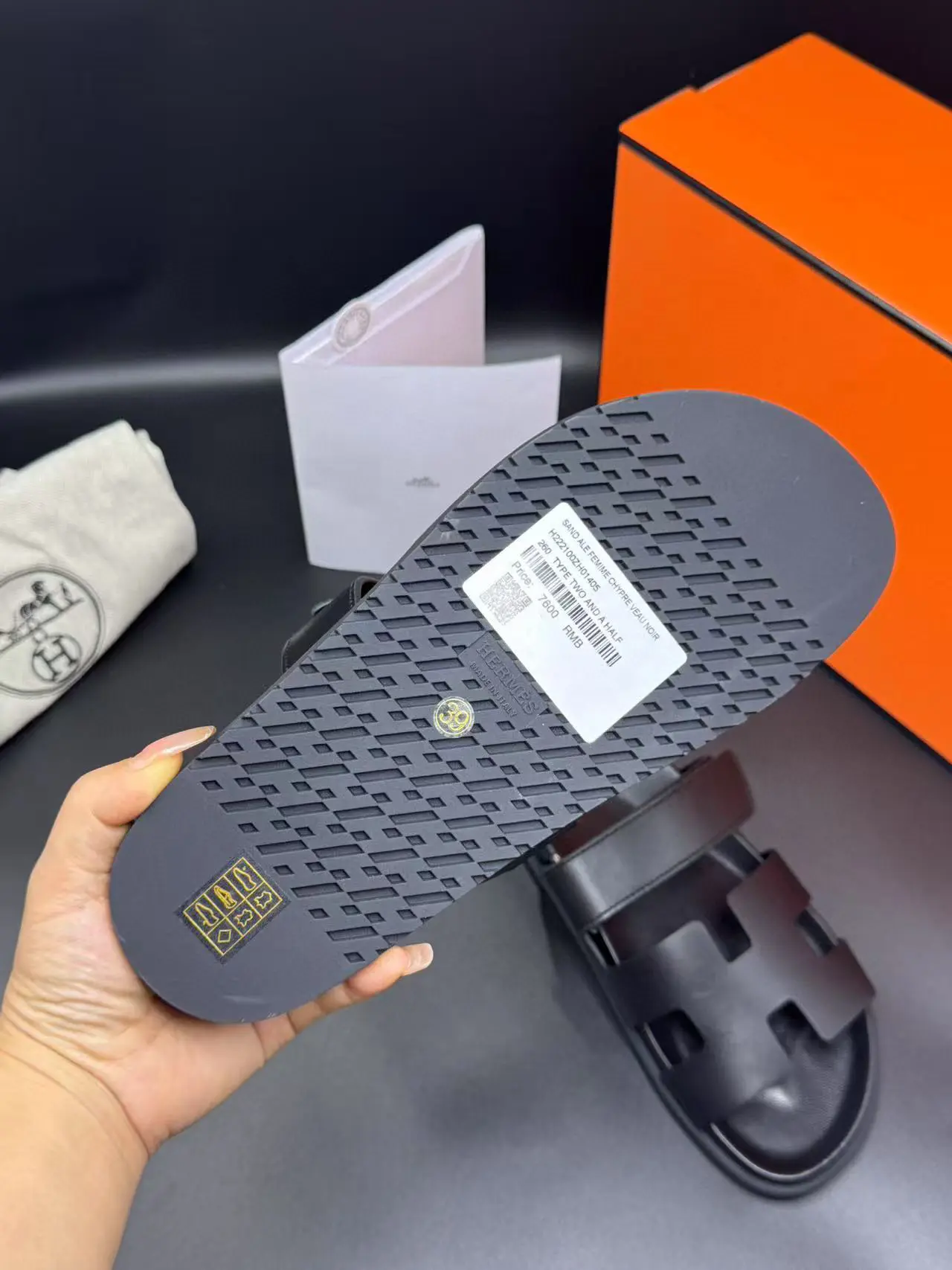
The Allure of Kangaroo Leather Shoes: A Connoisseur’s Guide to Luxury Footwear
In high-end footwear, materials matter. Kangaroo holds a unique place in the pantheon of exotic leathers such as alligator, ostrich and alligator, prized by discerning collectors and bespoke enthusiasts for its unparalleled strength, flexibility and feathery elegance. While its origins may recall Australia’s rugged outback, kangaroo leather has become a symbol of refined clothing, gracing curated collections in the ateliers of Italian master shoemakers and luxury boutiques around the world.
Superior Science: Why Choose Kangaroo Leather?
Kangaroo leather’s reputation starts at the cellular level. Unlike cowhide, kangaroo leather has a unique unidirectional fiber structure that is dense but very fine. This gives it exceptional tensile strength—reportedly 10 times stronger than calfskin of the same weight—while remaining surprisingly lightweight. For luxury footwear, this means uncompromising durability: a custom-made loafer or oxford that retains its shape for decades, yet feels as soft as a second skin the first time you wear it.
The natural thickness of leather (typically 1.0–1.2 mm) allows craftsmen to create smooth, minimalist designs that would not be possible with thicker leather. Its breathability and moisture-wicking properties further enhance comfort, making it a favorite unlined dress shoe for globetrotters looking for beauty and functionality.
A combination of craftsmanship and uniqueness
The rarity of kangaroo leather enhances its level of luxury. It is sustainably sourced under Australia’s strict conservation protocols (regulated by a CITES license) and accounts for less than 1% of the global leather market. This rarity ensures that shoes made from it are essentially limited edition, often handcrafted by traditional manufacturers like saint cristin or John Loebeach pair goes through more than 200 meticulous steps.
The leather’s natural grain is subtle and unique, using extremely clear dyes that produce rich, saturated hues that range from midnight indigo to burgundy and deepen over time. The development of the patina is particularly striking, uniquely evolving with wear and tear, telling the story of the owner’s journey.
Longevity worth investing in
For wealthy buyers, kangaroo leather shoes transcend fashion—they’re family heirlooms. Its abrasion resistance minimizes wear and tear, while the leather’s inherent flexibility reduces creases. If cared for properly (more on that below), pairs of animals often outlive their bovine counterparts, which goes against the disposable nature of fast fashion. As a custom shoemaker Gabor Hufnagel notes, “Kangaroo leather derbies are worn once a week and still look impeccable 20 years later. It’s more than just leather; it’s a lifelong companion.”
Create an unparalleled look
The versatility of kangaroo leather shines in both formal and avant-garde occasions:
- Black tie elegance: Unlined, full-cut oxfords in patent kangaroo leather with a glass-like sheen that’s lighter than traditional calfskin and perfect for relaxed formal evenings.
- Smart Leisure Mastery: The natural tan kangaroo leather double buckle pairs perfectly with a linen suit or selvedge denim.
- Customized Art: For collectors, a custom patina or laser-engraved pattern takes advantage of the leather’s smooth surface.
Ethical considerations, resolved
Kangaroo leather is ethically sourced. Australia’s cull scheme (where the leather is sourced) is a biodiversity measure aimed at preventing overgrazing and land degradation in fragile ecosystems. The leather itself is a by-product; no kangaroos are farmed. Luxury brands strictly track procurement from CITES-licensed suppliers to ensure transparency.
Take care of your kangaroo leather icon
Protecting these treasures requires diligence:
- Conditions are conservative: Its tight texture retains natural oils; over-conditioning can over-soften it. Use a pH-neutral cream twice a year.
- Spin religiously: Wear intervals are 24+ hours to maintain structural integrity.
- Professional renaissance: Every 5-7 years, entrust experts to perform sole replacement and leather refurbishment.
Conclusion: The pinnacle of footwear art
Kangaroo leather shoes represent the fusion of nature’s ingenuity and human craftsmanship – a testament to what happens when material science meets art. For those who value footwear as an expression of identity, investing in kangaroo leather means embracing a heritage of toughness, comfort and understated luxury. In a market where fashion trends are constantly changing, these pieces are not only seasonally appropriate but also multi-generational.
Frequently Asked Questions (FAQ)
Q: Are kangaroo leather shoes ethical?
A: Yes, as long as you source responsibly. Australian kangaroo leather is a by-product of government-regulated population management and is vital to ecological balance. Renowned brands use CITES certified leather, ensuring ethical and sustainable practices.
Q: How does kangaroo leather compare to calfskin?
A: Kangaroo leather is stronger, lighter and more breathable. Calf leather offers a classic look, while kangaroo leather offers superior durability and flexibility, and often has a more stylish silhouette.
Question: Why are kangaroo leather shoes more expensive?
A: Scarcity (limited supply), specialized tanning processes, and the craftsmanship required to treat thinner leathers will increase costs. They are investments in longevity and uniqueness.
Q: Can kangaroo leather be worn in humid conditions?
A: Although it is waterproof, prolonged exposure to moisture is not recommended. Use protective spray and allow to dry away from heat. Its breathability helps prevent moisture inside.
Q: Are these shoes suitable for sneakers?
A: Historically, kangaroo leather has been used in elite football boots due to its light weight and ball feel. Today’s luxe iterations prioritize style over movement, despite their comfort for all-day wear.
Q: How to identify the authenticity of kangaroo skin?
A: Only trust well-known luxury brands or custom craftsmen. Genuine kangaroo leather has a unique, even texture and an unrivaled softness-to-strength ratio. Genuine products come with CITES and other certifications.
Q: Do they require special storage?
A: Store cedar shoe trees in breathable dust bags to maintain their shape. Avoid using plastic as it can trap moisture.