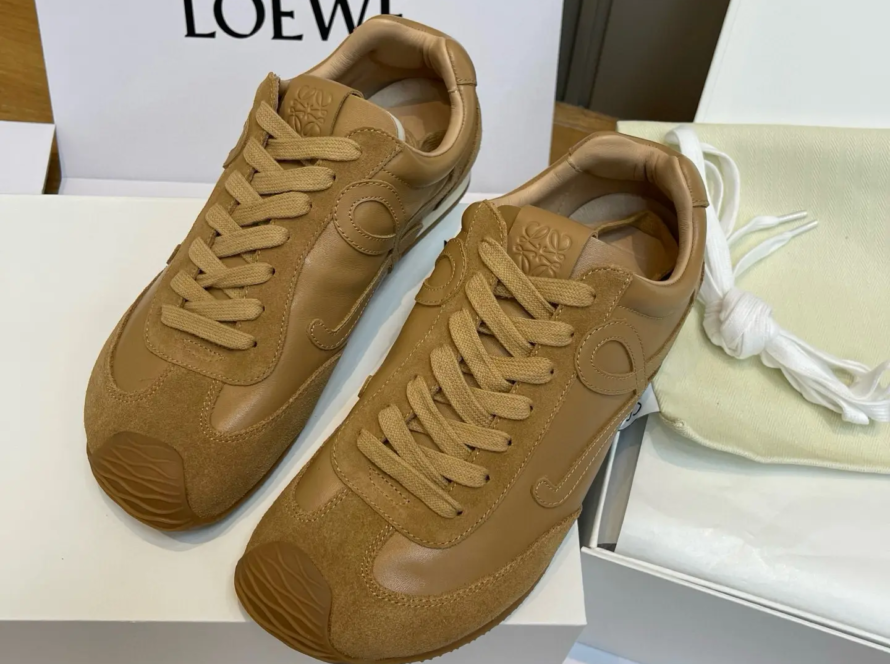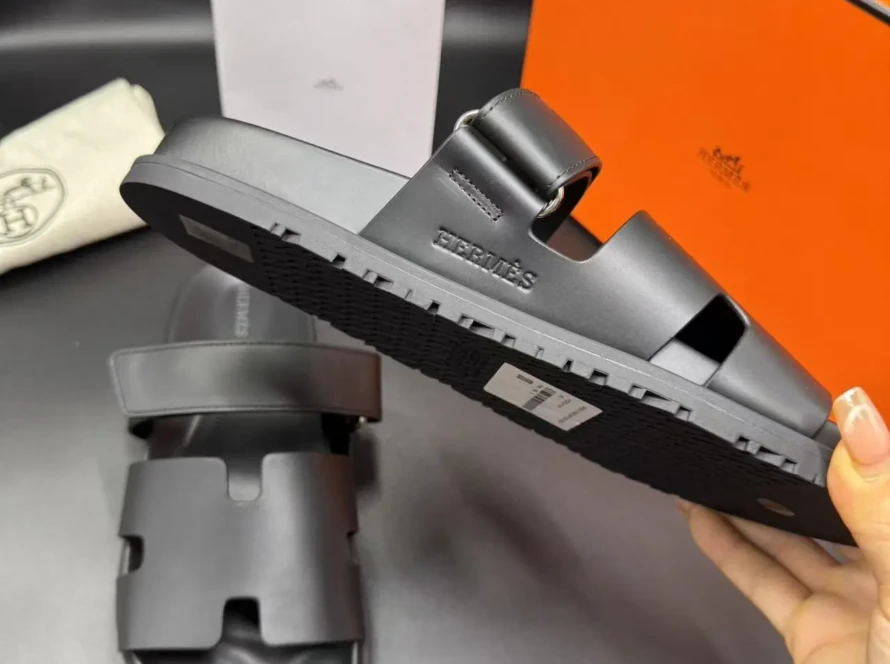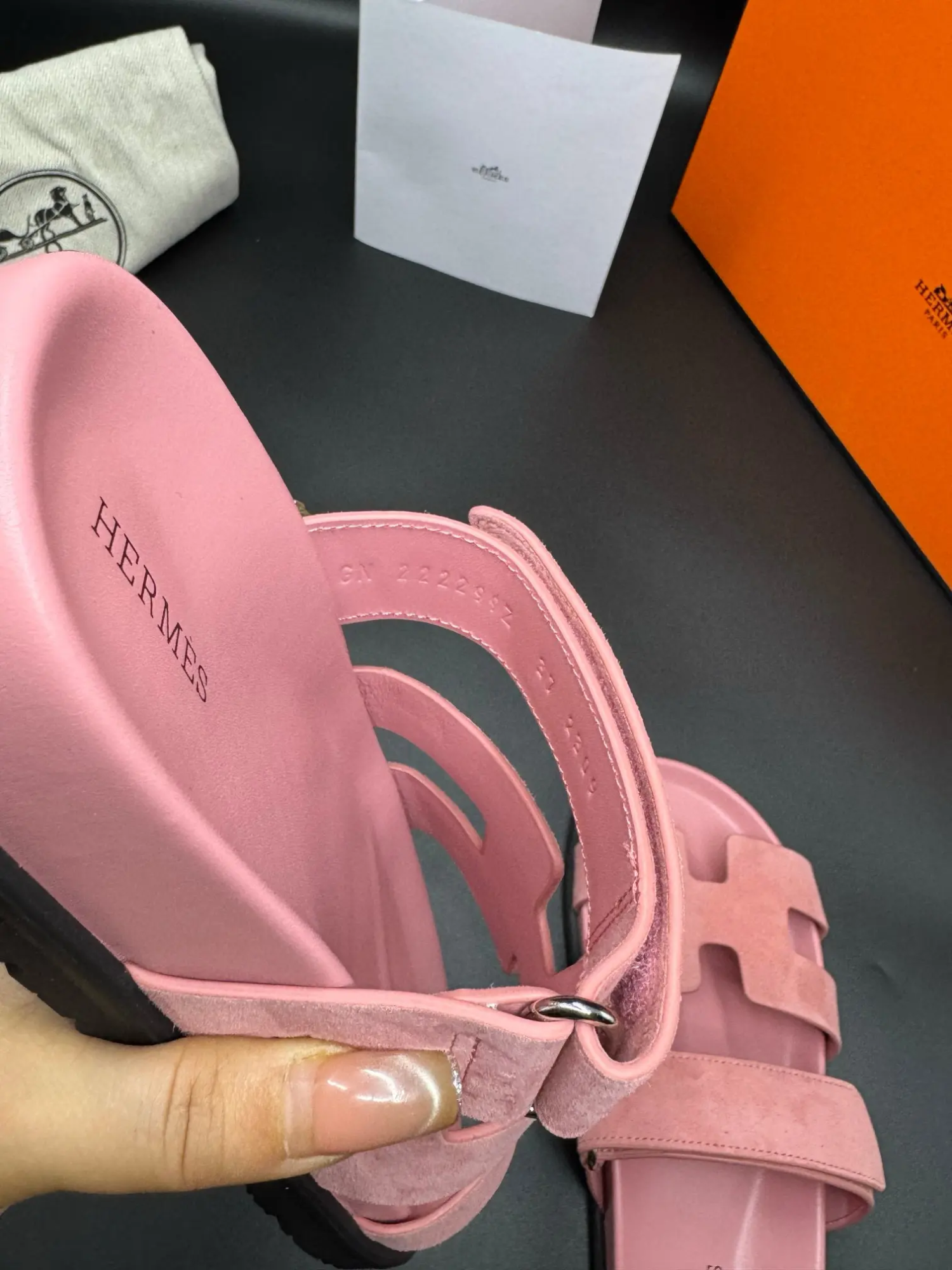
The inevitable art of leather creases in fine shoes: An insider’s guide
For those who appreciate the craftsmanship of luxury footwear, leather creases are more than a physical reality, they are a narrative of wear, a testament to the leather’s character, and a subtle indicator of quality. However, misunderstandings abound. Are creases a defect? Signs of poor construction quality? Or an intrinsic part of shoe evolution? This article dissects the science, art, and care behind creases in high-end shoe leather, providing insights tailored for discerning collectors and customization enthusiasts.
Understanding Leather Creases: Science and Emotion
At its core, leather is a natural material – organic, breathable and vibrant. Unlike synthetic alternatives, it molds to the wearer’s foot, forming creases at flex points, most notably throughout the upper (upper front part of the shoe). These creases are formed due to the compression and stretching of collagen fibers within the leather’s structure.
Key factors affecting indentation pattern:
Leather type and tanning:
- full grain leather: Full-grain leather is prized for its durability and unchanging surface that develops soft roll creases over time. If properly maintained, its tight fiber structure can resist deep cracks.
- calfskin: Calfskin has fine creases due to its softness and is a luxury favorite. However, improper care can result in rough lines.
- Exotic (e.g. Shell Cordovan, crocodile skin): Shell Cordovan is derived from horsehide and forms unique “curls” rather than sharp creases. Exotic leather, although resilient, requires specialized care to avoid irreversible damage.
lasting and building:
- Hand-welded or Goodyear-welded shoes allow the leather upper to move organically with the foot, evenly distributing pressure. Cheap cement or hard materials can accelerate unsightly creases.
- The last of a custom shoe is crafted to the shape of the wearer’s foot, with fewer creases due to perfect anatomical alignment.
- environmental factors:
Humidity, temperature and drying cycles cause leather to expand and contract, which affects crease depth. Shoes worn in arid climates may require more conditioning.
Luxury Perspective: When Creases Become Personality
High-end shoe collectors often debate whether creases “enhance” or “detract” from the shoe’s beauty. In the world of handmade shoes, subtle creases are not a flaw but a sign of authenticity. Think vintage Edward Green or John Lobbs: their patina and soft folds tell stories of sophistication and longevity.
Acceptable vs. Problematic Creases:
- Aging gracefully: Soft horizontal scroll follows the shoe’s natural flex point.
- red flag: Vertical cracks, especially near the toes, are a sign of poor leather quality, excessive dryness, or an ill-fitting shoe.
Stay Perfect: How to Minimize and Manage Creases
While creases are unavoidable, their effects can be mitigated with careful care, a non-negotiable ritual for luxury shoe owners.
Shoe stretchers are non-negotiable:
Cedar shoe trees absorb moisture, maintain their shape, and gently flatten creases after wear. Choose durable trees to customize your pair.Precise conditioning:
- Use a pH-balanced leather conditioner (such as Saphir Médaille d’Or) every 4-6 wears.
- Avoid over-care, which can saturate the leather and weaken the fibers.
strategic rotation:
Resting the shoes 24 to 48 hours between wears allows the leather to recover. A rotation of six pairs is ideal for the everyday wearer.- professional intervention:
For deeper creases, a trusted cobbler can use techniques like controlled steaming and padding to loosen the leather.
Customized advantage: Anatomical creases
Custom shoemaking elevates crease management to an art form. By crafting shoes to the customer’s unique foot shape, insole masters can ensure creases create harmoniously and pressure points are avoided. The custom last takes instep height, toe alignment and arch support into account, evenly distributing flex. For collectors, this investment translates into creases that complement (rather than compromise) the silhouette of the shoe.
Conclusion: Embrace the grace of imperfection
Leather creases are not an opponent to overcome, but a companion in the journey of owning luxury footwear. They reflect a dialogue between craftsmanship and wear, transforming mass-produced objects into deeply personal handcrafts. By understanding the properties of leather, investing in preventive care, and valuing custom precision, connoisseurs can ensure that their shoes retain their dignity as the years pass—with each crease leaving its carefully designed, unique mark.
FAQ: Addressing Elites’ Concerns
Q1: Can wrinkles be completely prevented?
No – natural leather will wrinkle all the time. However, quality construction and proper care ensure that they remain subtle and elegant.
Q2: Yes "put" Can wrinkles be eliminated permanently?
While steaming and conditioning can soften creases, reversal is not possible. Focus on prevention through shoe lasting and rotation.
Q3: Which leather has the least creases?
Shell Cordovan’s unique construction minimizes creases and instead develops into rolls. Box calfskin and hard leather also age gracefully over time.
Q4: Can shoe cream or polish prevent wrinkles?
They are hydrating and protective but won’t stop wrinkling. Their job is to maintain the integrity and color vibrancy of the leather.
Q5: Are deep creases a sign of fake designer shoes?
Not necessarily, but sudden jagged creases could indicate modified grain leather or poor construction – which is common with counterfeit goods.
Q6: How do custom shoes solve the crease problem in different ways?
A custom last aligns the shoe’s flex points with the wearer’s foot anatomy, minimizing pressure and unstable creases.
Q7: Should I avoid wearing luxury shoes to prevent wrinkling?
Shoes are for wearing! Regular use, coupled with rigorous care, can enhance the properties of leather without reducing its longevity.
Q8: Can I be a cobbler? "repair" Crease?
A skilled cobbler can reduce the visibility of the crease by steaming and shaping, but this is only a temporary solution.
Q9: Does exotic leather require special crease care?
Yes. Reptile skin and shell cordovan require specific care agents. Never use standard products on exotics.
Q10: Are the creases in dark leather less obvious?
Dark colors can visually disguise creases, but maintenance is still critical to prevent physical deterioration.
In luxury footwear, knowledge transcends aesthetics. By mastering the interplay of leather, structure and care, collectors transform creases from a cause for concern into a celebration of the enduring legacy of craftsmanship.