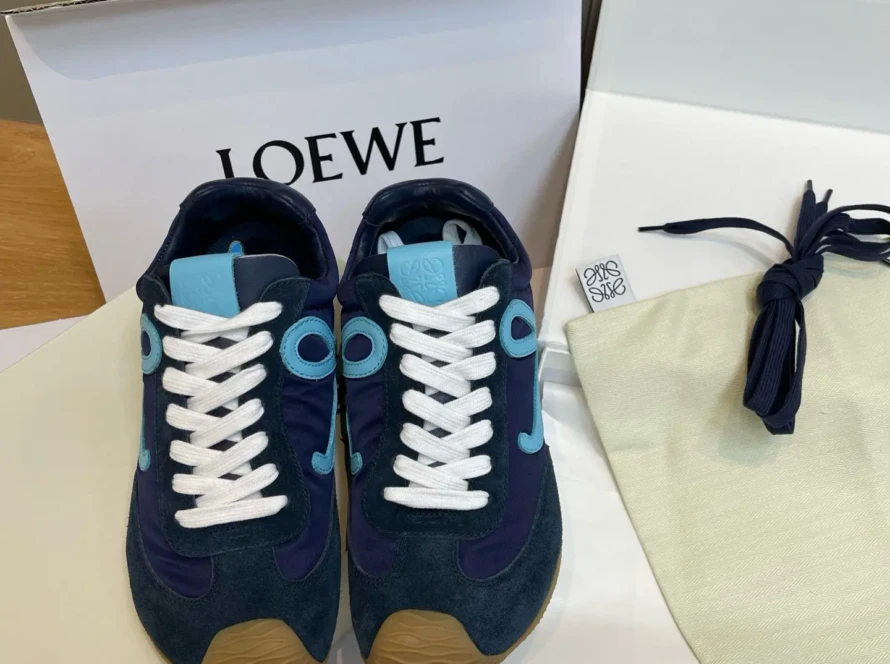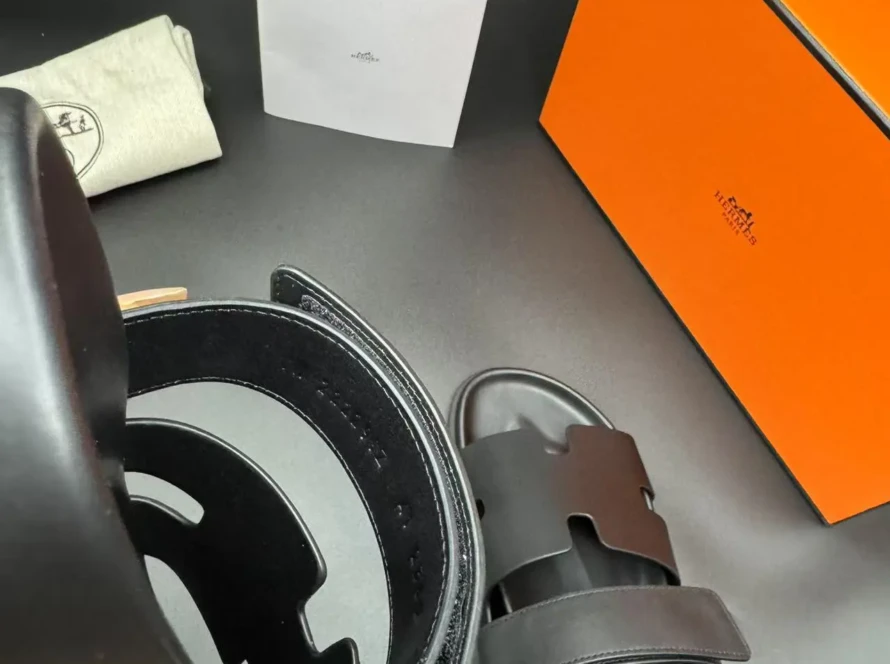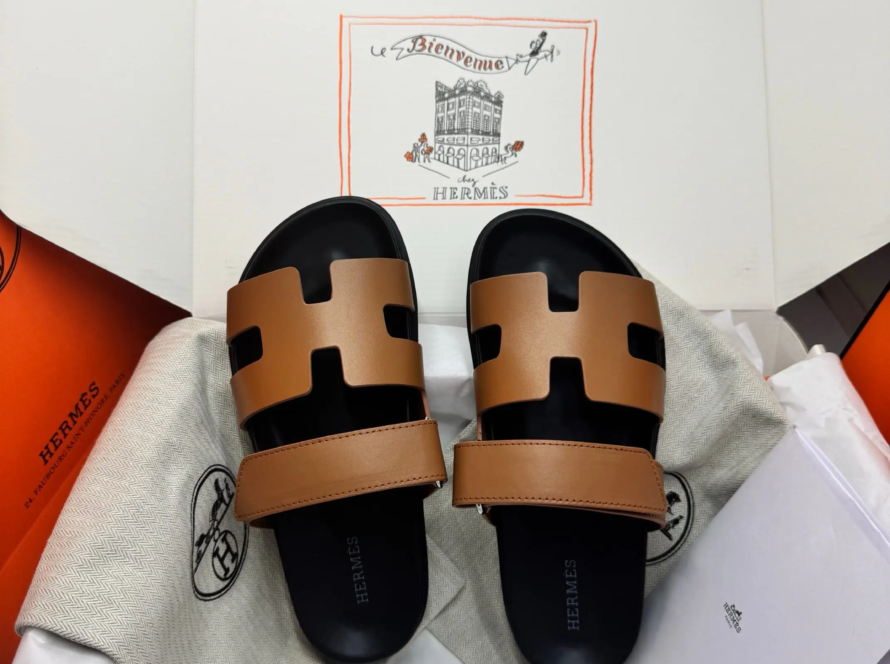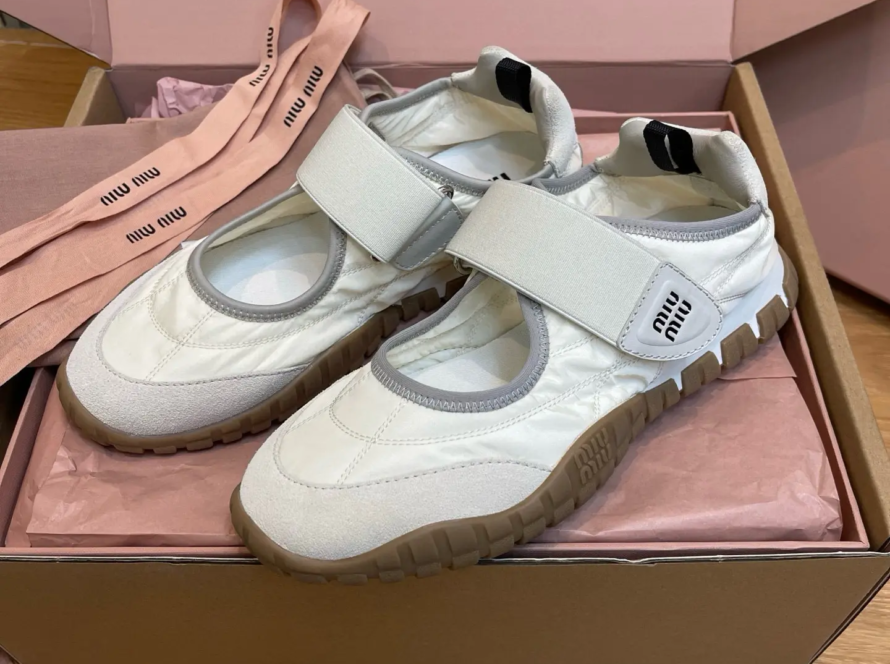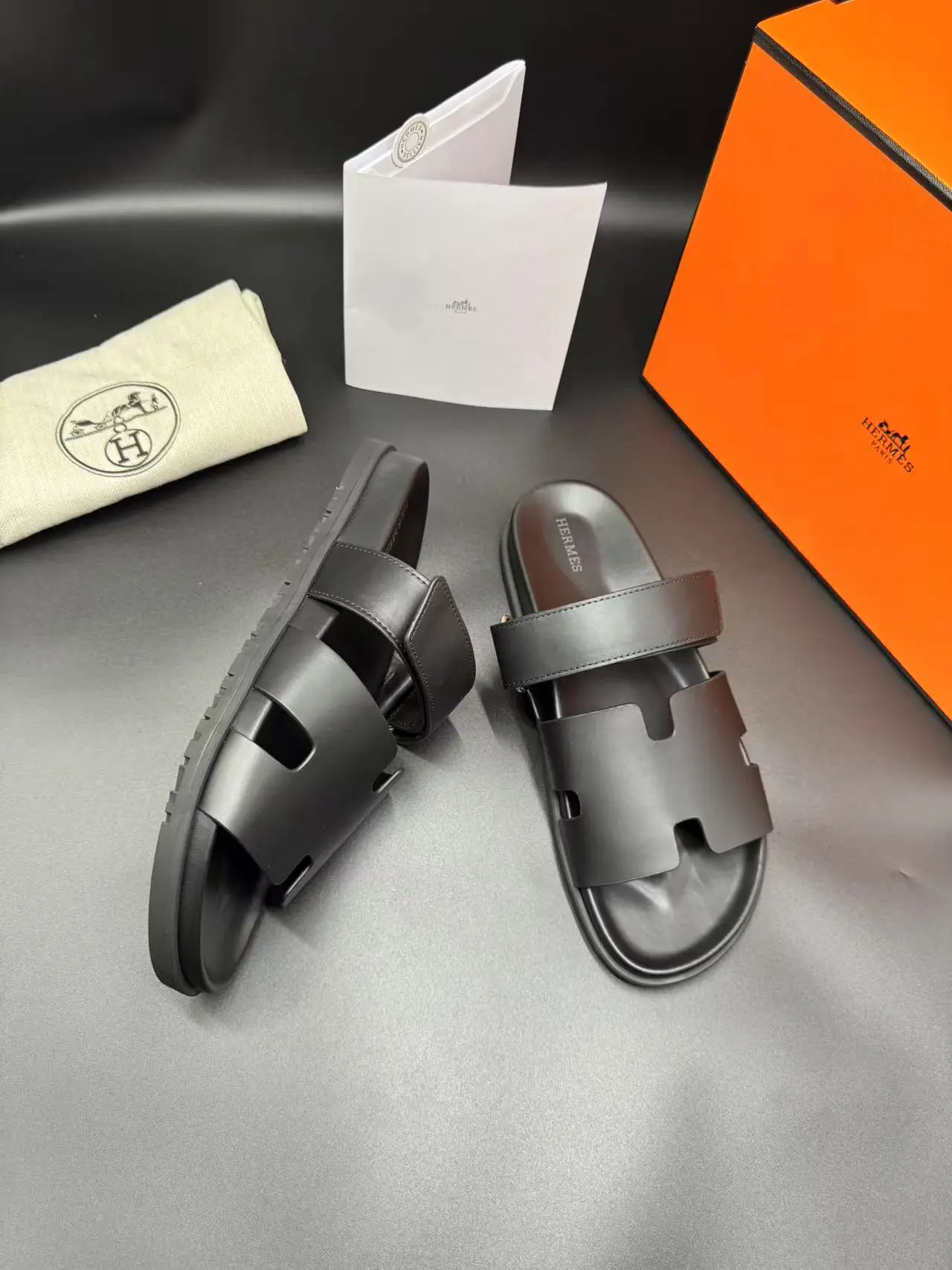
Understated luxury: An in-depth look at insoles for the discerning collector
In the world of haute couture and bespoke craftsmanship, every detail matters – from the precision of hand stitching to the luster of ethically sourced leather. However, one element often overlooked by even the most ardent luxury shoe connoisseurs is modesty insole. A quality insole is more than just a practical accessory, it can increase the longevity of your investment and the sophistication of your stride. For those who view footwear as wearable art, understanding the nuances of high-end insoles is not only practical, but critical.
Why Luxury Shoes Need Luxury Insoles
Luxury footwear is an expression of art: think handmade oxfords, calfskin loafers with a bronze finish, or high-end pumps embellished with Swarovski crystals. However, these creations require careful care to maintain their integrity. Standard drugstore insoles simply aren’t enough, they lack the precision engineering and superior materials needed to protect and enhance designer soles.
Quality insoles serve three key purposes for affluent wearers:
- save – Cushioning reduces friction between the foot and the sole, preventing premature wear of delicate linings (e.g. lambskin, satin).
- Comfortable – Even the most delicate shoes benefit from ergonomic support when worn for extended periods of time.
- Customized – Custom pads adjust to fit narrow Italian lasts or seamlessly fit custom orthopedic needs.
Materials matter: the luxury hierarchy
Not all insoles are created equal. For collectors or custom customers, the choice of material is crucial.
Vegetable-tanned leather insole
- Suitable: Classic leather soles (e.g. John Lobb, Berluti)
- benefit: Breathable, conforms to the foot over time and prevents moisture build-up, which is essential to preserving the cork underlay in Goodyear welt shoes.
Cashmere or silk cushions
- Suitable: Evening high heels, sophisticated slippers (e.g. Manolo Blahnik, René Caovilla)
- benefit: The ultra-soft temperature-regulating layer protects fragile upholstery from sweat and dents.
Carbon fiber arch support
- Suitable: High-impact luxury sneakers (e.g. Balenciaga, Golden Goose)
- benefit: Lightweight yet sturdy support maintains sneaker structure while relieving fatigue.
- Special material adapter
- Suitable: Crocodile, ostrich or alligator leather soles
- benefit: Anti-slip layer prevents exotic skin from breaking due to repetitive stress.
Customized solutions: the ultimate enjoyment
For customers who customize shoes, off-the-shelf insoles defeat the purpose of customization. Leading studios such as George Cleverley or Stefano Bemel Insoles are now available for:
- Final shape: Precisely cut to reflect the exact dimensions of your custom shoe last.
- Weight distribution: Designed to correct postural imbalances discovered during fittings.
- Material Compatibility: Designed to avoid chemical reactions with exotic leather dyes or finishes.
Some avant-garde brands such as majira houseor even points "stealth technology" Pads with avant-garde designed microgel zones, ensuring the subtle contours are not compromised by discomfort.
Innovation redefines luxury experience
The marriage of technology and luxury results in a revolutionary pad design:
- Nano-coated pads: Hydrophobic layer repels moisture without changing the shoe’s breathability (by church Suitable for rainy urban environments).
- Temperature adaptive foam: Phase change materials absorb heat in the summer and retain warmth in the winter, making them ideal for seasonal leathers (featured in Bottega Veneta’s heat collection).
- Antibacterial silver thread: Woven into a silk-lined pad, it eliminates odors in unlined suede or velvet shoes.
Maintenance Ritual: Caring for Your Pads
Think of the insole as an extension of footwear tradition:
- Rotating pad: Swap two pairs to allow materials like leather to breathe.
- Gentle Cleansing: Use a leather conditioner or suede brush that is compatible with the surface of the pad.
- Seasonal storage: Store unused pads in a breathable silk bag out of direct sunlight.
Conclusion: An investment in permanence
In luxury footwear, where a pair can cost well into five figures and require decades of craftsmanship, insoles are not an accessory but insurance. They protect against the inevitable wear and tear of urban pavements, adapt to the unique contours of custom designs, and enhance comfort to match superior aesthetics. For the savvy collector, the right insole can transform a shoe from a fleeting trend to a lasting heirloom.
FAQ: Insoles for the Discerning Buyer
Question 1: Will adding an insole change the fit of my custom shoes?
one: Only if the choice is poor. Custom footbeds designed in collaboration with a shoemaker will enhance the fit, not compromise it. Always check with your studio before adding third-party inserts.
Q2: How often should luxury insoles be replaced?
one: Vegetable-tanned leather pads can last 2-3 years if cared for properly, while cushioned pads (such as cashmere) need to be replaced every 12-18 months. Signs include squashing, trapped odors, or visible cracks.
Q3: Can insoles save slightly ill-fitting haute couture shoes?
one: Minor fit issues can be alleviated by carefully placed padding, such as a heel clip or metatarsal support. If obvious discomfort occurs, please consult a professional stretcher or your brand’s after-sales service.
Question 4: Do sustainable luxury goods buyers have environmentally conscious choices?
one: Yes. Brands such as look and Gucci goes off the grid Offer cushions made from recycled ocean plastic or organic cork and certified by eco-labels such as Cradle to Cradle.
Q5: Do designer shoe brands recommend specific pad partners?
one: Many people recognize professional collaborators—Brunello Cucinelli and Pellegrino insole, Louis Vuitton and OrthoLite®— Ask your SA for curated advice.
In the realm of luxury, even the unseen deserves excellence. Choose wisely and walk softly—and protect your soles with the best soles available.