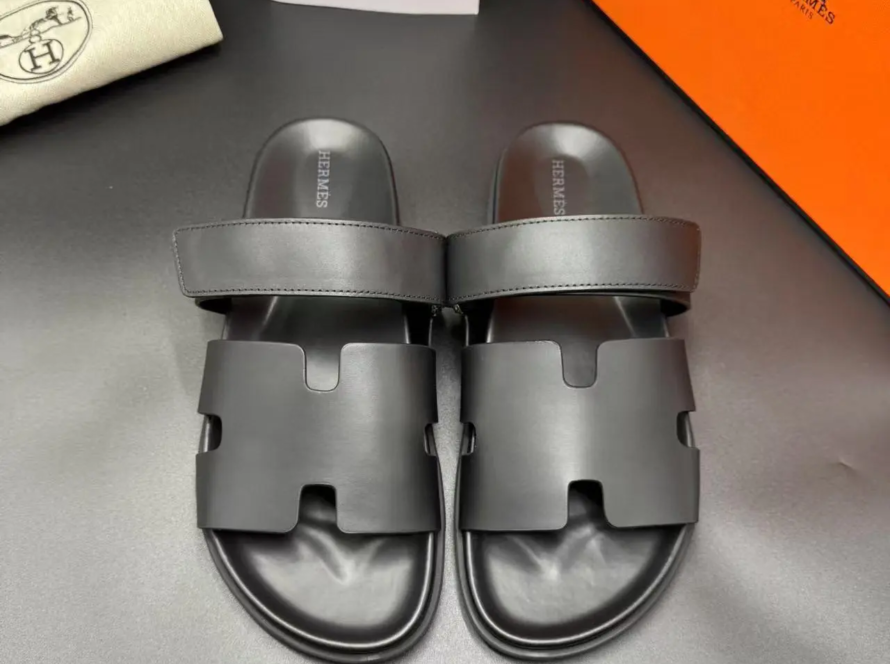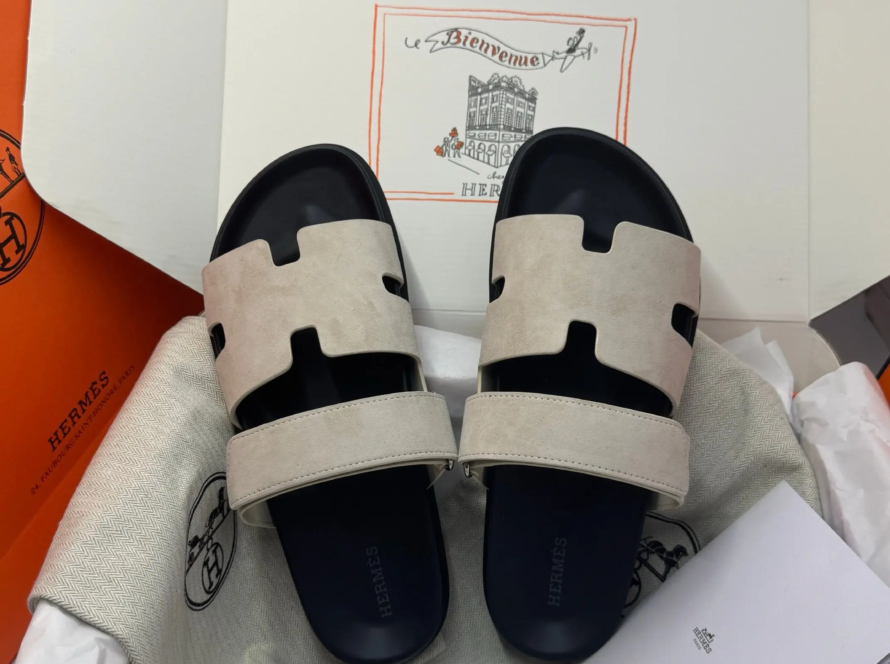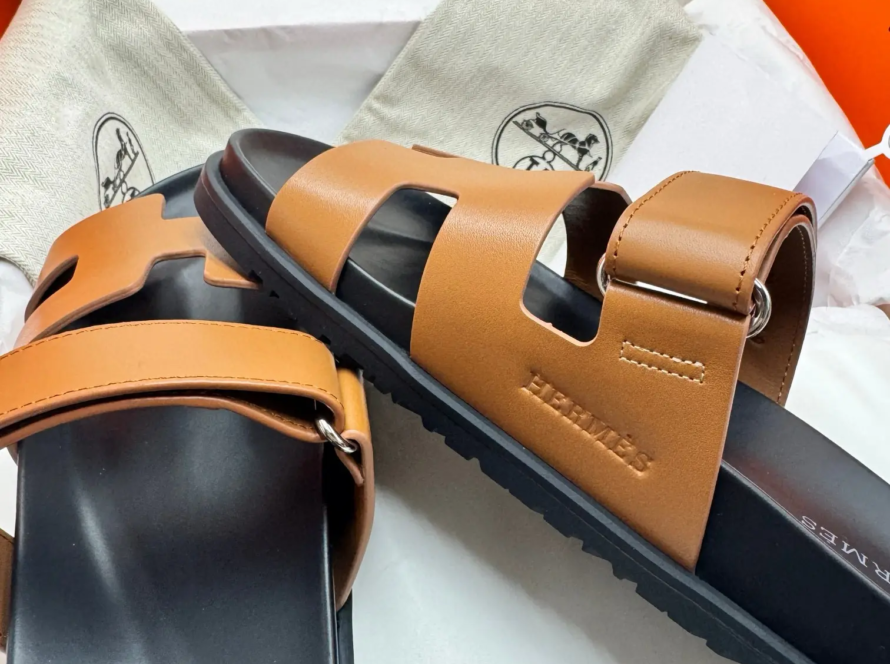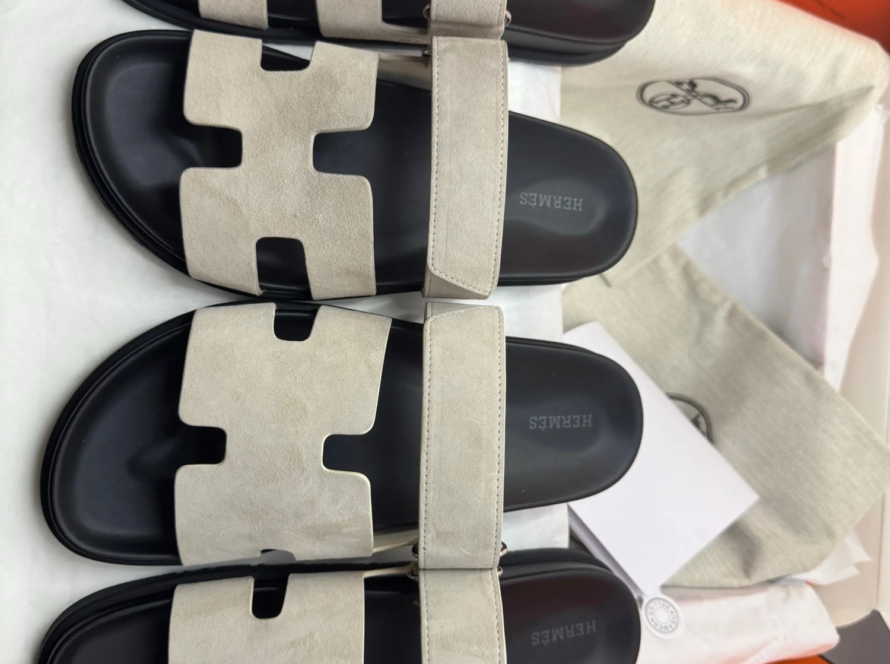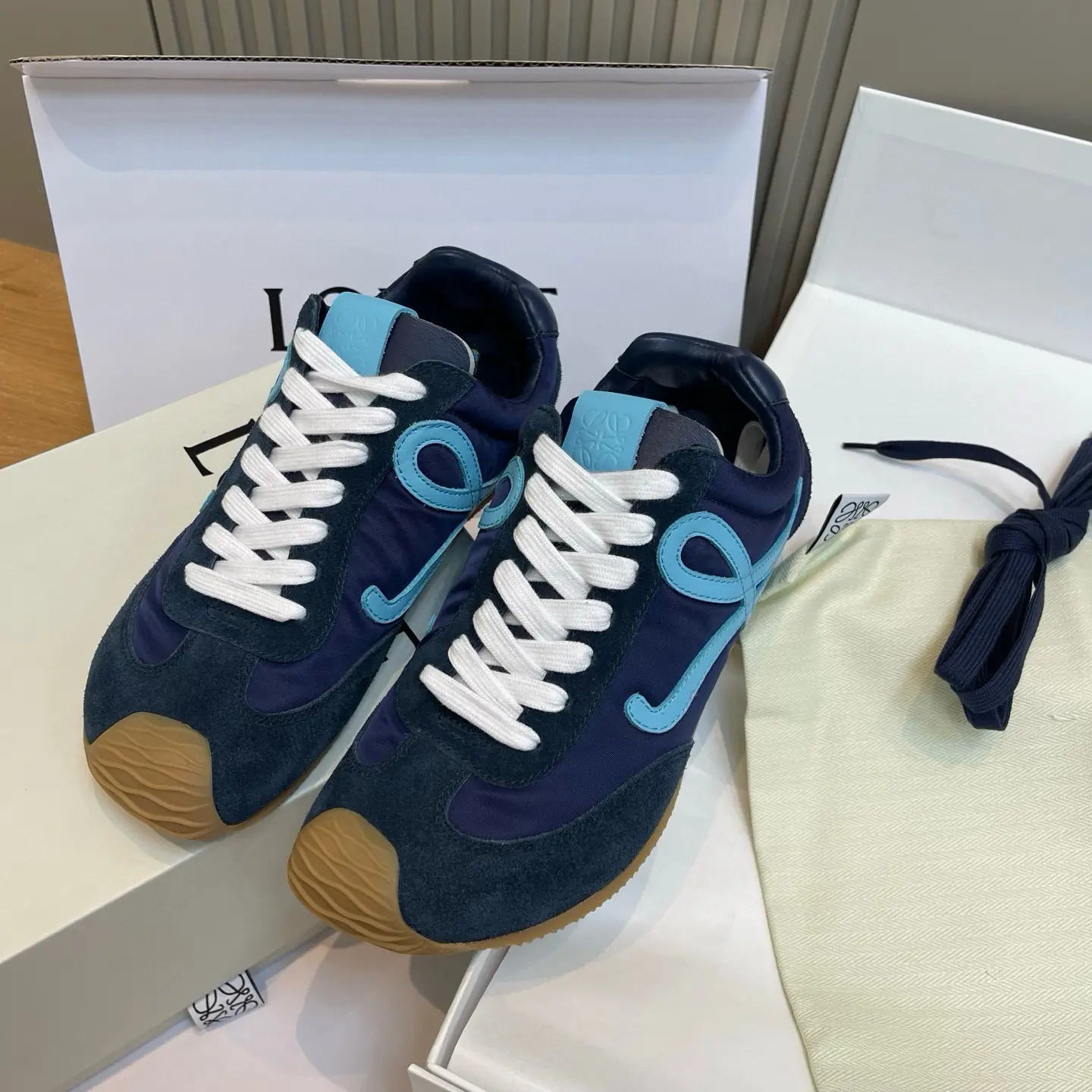
Anatomy of Luxury: Delve into the sophisticated world of shoe components
To the discerning eye of the luxury connoisseur, shoes are more than just footwear, they embody artistry, tradition and meticulous craftsmanship. Understanding the anatomy of a well-crafted shoe not only deepens your appreciation, but also allows you to make a smart investment in a piece worth curating. Let’s dissect the symphony of components that elevate footwear into wearable sculptures.
Upper: Elegant canvas
The upper wraps the foot and is the basis for aesthetic expression. In haute couture footwear, this is where the alchemy of materials begins:
- vamp: Shape the front panel of the toe box. Custom makers often cut it from a single piece of leather to avoid seams and ensure a perfect drape around the foot.
- dormitory: Side panel extends from upper to heel. Luxury brands might incorporate intricate brogues or handmade filigree here.
- Collar (or topline): Plush edge wraps ankle. Look for lambskin-lined collars in high-end boots for friction-free comfort.
- material hierarchy: Full-grain calfskin remains the gold standard, while exotic leathers like cordovan, lizard or ethically sourced crocodile define the ultra-luxury class.
Lining: Shelter for the sole
Luxurious linings are often overlooked, but crucial to longevity, quietly revealing the secrets of quality:
- Calfskin or goatskin lining: A top choice in the custom world for its breathability and antimicrobial properties.
- Moisture wicking technology: Innovative technologies like Bemberg® Cupro, a luxury-grade rayon, prevent bacterial growth in unlined summer loafers.
- Adhesive & fully lined: Stick-on lining (glued to the upper) shows cost-cutting; fully stitched lining is standard from benchmark brands like John Lobb for enhanced durability.
Insoles: the combination of craftsmanship and orthopedics
This base layer supports the structure of the foot. Luxury goods manufacturers capitalize on:
- vegetable tanned leather: Organically molds foot contours, valued in custom commissions.
- cork bedding: Often injected between the insole and midsole of Goodyear welted shoes to create a personalized effect "foot memory" over time.
- Arch Support Innovation: Brands like Stefano Bemer hand-sculpt the medial arch insole to replicate custom orthopedic precision.
Outsole: Engineered Endurance
The shoe’s engagement with the world requires strategic material selection:
- Single leather sole and double leather sole: Dual sole (two layers sewn together) signifies uncompromising quality, offering longer wear life.
- Dainite® or Vibram®: Luxurious rubber hybrid delivers urban traction without sacrificing elegance.
- Storm Scars: Raised waterproof seams used by brands like Edward Green to protect seams from road abrasions.
World: Adjustable Spine
This critical strip of leather or canvas bonds the upper to the sole and determines the shoe’s longevity:
- goodyear world: A hallmark of heirloom-grade footwear that allows for countless resolings. Hand welting (as opposed to machine) ensures perfect tension.
- blake architecture: More fashionable, but less waterproof, favored by Italian simple formal shoe brands.
- Norway: A decorative, weatherproof welting technique involving double stitching – commonly found on handmade alpine boots.
Midsole and shank: invisible guardian
Hidden engineering between the insole and outsole:
- Leather or fiberboard midsole: Premium manufacturers use laminated leather to improve breathability; avoid cellulose-based midsole from easily disintegrating.
- Metal or carbon handle: These rigid inserts stabilize the arch. Collectible shoes feature tempered steel shanks, while ultra-lightweight carbon fiber appears in luxury sneakers.
Heel: Architectural Ending
The heel balances aesthetics and biomechanics:
- Very special counter: Internal plastic or leather reinforcement maintains shape. Premium versions use thermoformed leather for increased flexibility.
- Stacked leather pumps: A hallmark of homemade dress shoes – each leather disc is sanded and polished by hand.
- Top part (or elevator): Replaceable end caps made from materials like Vibram® or hydroxyapatite-reinforced rubber for a quiet, durable knock.
Hardware and Decorations: Craft Jewelry
Luxury thrives in micro details:
- fiddle waist: The hand-carved concave midsole makes the silhouette of the shoe slimmer and requires more than 5 hours of precision polishing.
- Hand polished toes: Achieve gradient patina through layered pigment application and beeswax buffing.
- Solid brass eyelets: Outperforms plating alternatives and ages gracefully without patina. Santoni’s vintage collections often feature hand-sewn lace strips.
The Last Boom: Patina and Provenance
- hand drawn edges: Luxury brand uses 8-step edge processing (sanding, staining, waxing) to create a glass-like finish.
- Signed code: Berluti’s Venezia leather upholstery, Gaziano & Girling’s Deco shoe last—these DNA markers verify the authenticity of collectibles.
- Tips of toes: Recessed metal taps (like Clever’s® Titanium Plate) protect the toe box from wear and tear, popular among Parisian luxury brands.
A measure of mastery
Fastidious quality requires forensic attention:
- stitch density: 8-10 stitches per inch (SPI) indicates handmade; mass-market shoes rarely exceed 6 SPI.
- Mirror upper: The custom studio cuts the left/right upper from adjacent leather sections to ensure grain symmetry.
- natural aging: Premium leather, such as Horween’s horsehide, will gain depth with wear, unlike coated leather, which will crack.
Conclusion: Luxury footwear is dynamic art
Understanding these components can transform appreciation of footwear from passive admiration to active appreciation. For collectors and bespoke customers, each element represents a link between tradition and innovation – a testament to human ingenuity that cannot be replicated by mass production. Investing in these pieces is more than just a purchase, it is stewardship of a tradition of craftsmanship, with every stitch carrying centuries of knowledge.
FAQ: Decoding the Craftsmanship of Luxury Shoes
Q1: Why is Cordoba leather expensive?
A: Cordovan leather is derived from the hindquarters of horses, and its dense fiber structure resists creases, self-repairs minor scratches, and develops a bright patina over decades, a quality unmatched by cowhide.
Q2: How do custom insoles differ from luxury RTW products?
A: Customized insoles involve multi-dimensional foot tracking and weight distribution mapping, and are carved from a single piece of leather over 40 hours. RTW insoles use pre-formed shapes, albeit better than fast fashion insoles.
third quarter: Can Goodyear welted soles be replaced indefinitely?
A: Theoretically yes – if the upper remains intact. Craftsmen like Tokyo Brift H Addressing an English derby match from the 1930s, the building demonstrates the heritage potential of the building.
fourth quarter: What is the definition of “hand-lasted” shoes?
A: Craftsmen manually stretch and nail the upper to the last (foot shape), allowing for precise tension control. The tension of the machine last is uniform, and there is a risk of over-stretching of the surface or misalignment of the fabric grain.
Q5: Why are some luxury sneakers more expensive than dress shoes?
A: Limited-edition collaborations such as Dior x Daniel Arsham incorporate elements of wearable art: hand-applied deconstructed distressing, proprietary cushioning systems or upcycled materials like ocean plastic.
Q6: How to verify the authenticity of hand-plated color?
A: Authentic patina will appear as a slightly variegated, translucent layer when tilted toward the light. Airbrushed or printed finishes appear flat and pixelated when enlarged.
Q7: Are Exotic Leathers Ethically Possible?
Answer: A luxury consortium like this Convention on International Trade in Endangered Species of Wild Fauna and Flora Certification ensures that the reptile/ostrich is sustainably farmed and not wild caught. Some brands have exposed traceability through NFC chips in some ultra-high-end product lines.
Q8: How long do luxury shoes last if properly cared for?
A: Calfskin shoes can last 15-20 years with rotational wear and professional refurbishment; shell cordovan may be more than 50 pieces. The collector’s archives contain Edwardian horsehide shoes that are still used ceremonially today.
In the world of luxury footwear, knowledge is the ultimate accessory. May this guide light your way to an item worthy of heirloom status—an object of excellence in every component.