Navigating the Labyrinth of Shoe Size Conversion: A Connoisseur’s Guide to Luxury Brands
For the discerning luxury shopper, a pair of shoes that fits perfectly is non-negotiable. Whether you’re shopping for limited-edition designer pumps, handmade Italian loafers, or custom-made Oxfords, the subtle differences in shoe size conversion can mean the difference between a wonderful experience and a costly disappointment. Unlike mass-market footwear, luxury brands often use unique lasts (the molds that shape shoes), proprietary sizing systems, and region-specific standards that defy universal charts. Understanding these intricate details is crucial to curating the perfect collection.
The art and science of shoe sizing
At the heart of shoe size differences lies a network of regional systems: European Union (Paris Corner), U.K., us, Japan(JP)and cm (centimeter) scales. Although conversion tables exist, luxury brands rarely standardize them. For example, a Christian Louboutin size 38.5 (EU) is consistent with a US size 8.5, but the equivalent Manolo Blahnik size may be half a size smaller due to differences in toe design. Likewise, British shoemakers such as John Lobb often used traditional British sizing, which was very different from American or Italian sizing.
This complexity is amplified by:
- Designer concept: Some brands, like Roger Vivier, favor sleek, narrow silhouettes, while others, like Tod’s, prioritize the comfort of wide fits.
- material behavior: Leather, suede, and exotic leathers stretch and mold differently over time, affecting the “stability” of the shoe.
- Regional market adjustment: Brands may adjust sizes for specific markets. A Gucci loafer sold in Milan may have subtle differences from the same model sold in Tokyo.
Decoding iconic luxury brands
Italian elegance: Gucci, Prada and Bottega Veneta
Italian sizing (EU) is the industry standard, but there are many nuances. For example, Gucci’s Princetown loafers are famously generous and usually require a half size down. Bottega Veneta’s leather mules, meanwhile, tend to run true to size, but may feel snug initially thanks to the luxurious non-stretch material.French high fashion: Christian Louboutin & Hermès
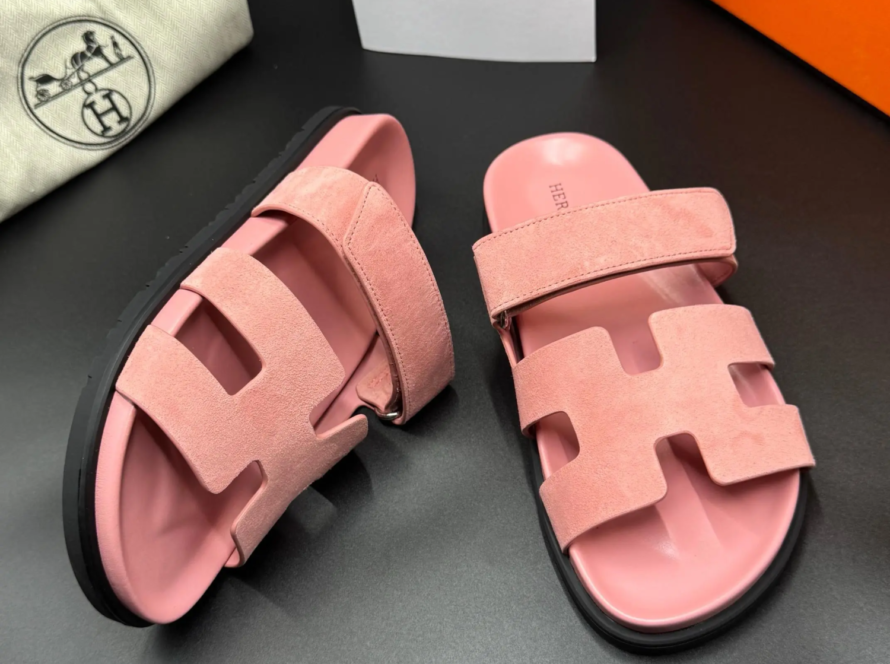
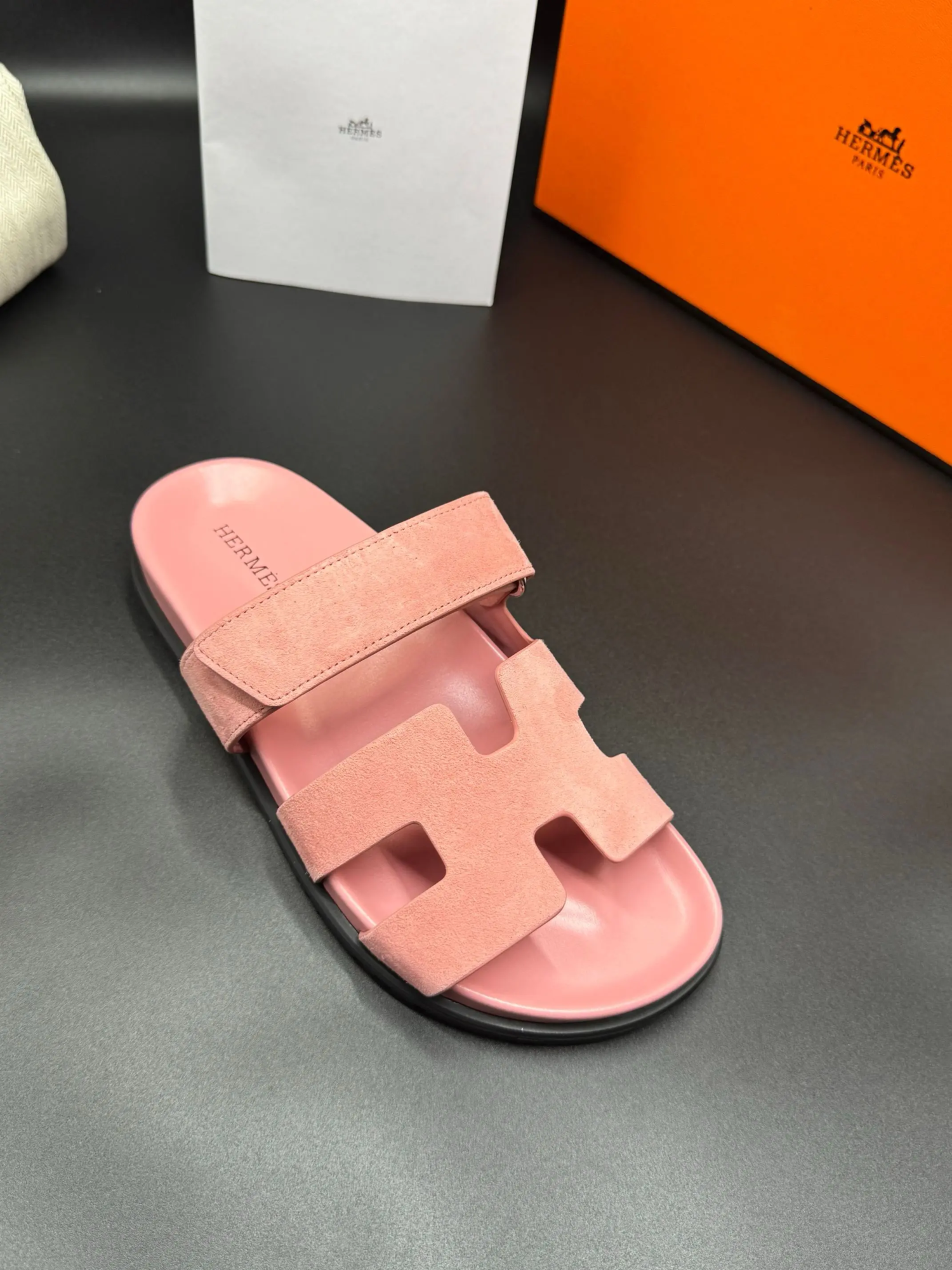
Louboutin’s signature stilettos are notorious for their narrow silhouette and steep arch, with many collectors sizing up by half a size, especially the patent leather styles. In contrast, Hermès emphasizes wear resistance. The Oran sandals follow EU sizing but have a roomier toe bed.English Heritage: Edward Green & Church’s
UK sizes are usually one size smaller than US sizes (for example, UK 7 = US 8). However, Edward Green’s custom lasts may require additional considerations such as width (E, F, G) and instep height.- Japanese Craftsmanship: Yohei Fukuda & Hiroshi Yanagachi
Japanese brands use both EU and Japanese sizes (based on foot length in centimeters). Foton’s custom Oxfords, for example, are manufactured with millimeter precision and require detailed foot tracking rather than digital conversion.
Customization and Customization: Beyond Conversion
For high-net-worth clients, custom-made shoes take the guesswork out of sizing. Brands such as John Loeb (Paris) and Stefano Bemel Offering personalized lasts sculpted to the client’s unique foot anatomy, taking into account asymmetries, arch support and pressure points. This process, which often involves multiple fittings, ensures a perfect fit that cannot be matched by ready-to-wear conversions.
Digital Dilemma: Buying Luxury Products Online
E-commerce has made luxury footwear accessible globally, but sizing uncertainty remains a barrier. Pro tips for buying remotely:
- Consult a brand expert: Luxury e-tailers, e.g. Matches fashion or Network Porter Concierge service available for brand-specific fit instructions.
- track your feet: Place the ruler against the wall, stand on the paper, and draw your feet. Compare the length in centimeters to the brand’s centimeter chart.
- Prioritize return flexibility: Make sure the retailer offers free returns or exchanges.
Conclusion: Precision as the Purpose of Luxury Goods
In the world of premium footwear, size conversion is not just a technical issue, but an extension of craftsmanship. Mistakes in size can destroy the artistry of materials, construction, and design. By mastering a brand’s unique quirks, leveraging bespoke services and employing meticulous measurements, collectors can enhance their wardrobes with confidence. Remember: true luxury isn’t just about possessions, it’s about the perfect combination of form, function and fit.
FAQ: Luxury Brand Shoe Size Conversion
Question 1: Why are the sizes of luxury shoes from different brands so different?
A: High-end designers use proprietary lasts to reflect their aesthetic (e.g., elongated toes, sculpted arches). Materials, target group and regional traditions also influence size.
Question 2: How to convert EU sizes to US sizes from Italian brands like Tod’s or Ferragamo?
A: While you typically need to subtract 31 from the EU to the US (e.g. EU 40 – 31 = US 9), many Italian brands run sizes larger. Ferragamo’s Vara pumps run a half size small; be sure to check the brand’s official guidelines.
Q3: Are the sizes of luxury sneakers (such as Golden Goose, Balenciaga) and formal shoes different?
Answer: Often, yes. Streetwear-inspired designs may feature thicker linings or oversized soles. For example, Golden Goose’s “distressed” sneakers suggest sizing up for a more casual look.
Q4: How should the width of European brands be calculated?
A: EU shoes are generally narrower than US shoes. Brands like JM Weston offer a variety of widths (C to G), while others (such as Aquazzura) may recommend sizing for wider feet.
Q5: Is there a universal “size conversion chart” trusted by luxury brands?
Answer: No. Even luxury department stores like Bergdorf Goodman curate brand-specific graphics. Always cross-reference with the designer’s website or retailer’s fit instructions.
Q6: Do custom shoes follow standard sizes?
Answer: No. Custom shoemakers forego numerical sizing entirely and create custom shoe lasts based on more than 25 measurements, including toe shape, instep and weight distribution.