The quiet legacy of Pierluigi Loro Piana: guardian of ultra-refined luxury
In the rarified world of luxury textiles, few brands command the respect of Loro Piana – a brand synonymous with unparalleled cashmere, vicuña and the art of understated elegance. At the heart of this empire was Pierluigi Loro Piana, a guardian of tradition whose discretion belies his profound influence on modern luxury. For affluent consumers and fans of customization, understanding his role is to decipher the DNA of one of fashion’s most uncompromising brands.
The Loro Piana Dynasty: Seven Generations of Textile Skills
Founded in 1924 in the textile heartland of northern Italy’s Piedmont, Loro Piana began as a wool merchant and evolved into the global arbiter of microfibers. Pierluigi and his brother Sergio represent the sixth generation of the family dynasty, leading the brand through critical decades. Their spirit? Luxury comes from purity– Refusing to compromise on raw materials, craftsmanship or the understated sophistication that characterizes Loro Piana’s clientele.
Under Pierluigi’s leadership, the brand became synonymous with exclusivity. His focus on innovation—from pioneering traceable cashmere sourcing in Inner Mongolia to reviving vicuña, an endangered Andean fiber—has cemented Loro Piana’s authority among connoisseurs.
The art of invisible excellence
What sets Pierluigi’s vision apart is his focus on intangible assets:
- The fiber is as delicate as philosophy
Loro Piana’s legendary cashmere of the gods (12-13 microns) and camel hair (under 12 microns) are not only materials but also scientific achievements. Pierluigi championed partnerships with livestock communities and integrated sustainability into supply chains long before it became fashionable. - Custom narrative
The brand’s bespoke tailoring and footwear are crafted in a secret atelier near Lake Varese, allowing clients to commission with heirlooms passed down through generations in mind. Each pair of slip-ons or coats undergo 74 careful steps, from hand-skimming fibers to polishing edge finishes. - anti-logo aesthetics
In an age of brand hustle and bustle, Pierluigi’s designs have a quiet voice. The Loro Piana jacket expresses its charm through handmade lapels, ecru horn buttons and an opium-soft lining – details that only the wearer and craftsman can fully appreciate.
The LVMH era: evolution without erosion
When LVMH acquired 80% of Loro Piana for $2.6 billion in 2013, purists worried about dilution. Yet Pierluigi and Sergio remain CEOs, ensuring cultural continuity. Post-acquisition expansions—such as the Open Spaces sportswear line and hospitality ventures such as Loro Piana Alps Lodge—redefine luxury as experiential without compromising core values. Today, under Pierluigi’s guidance, the brand balances tradition with subtle modernities, such as solar-powered factories and blockchain-backed fiber traceability.
Why Collectors Value Loro Piana
For luxury goods collectors, Loro Piana’s vintage pieces (a 1990s vicuña scarf or a Storm System® trench coat) have a value akin to works of art. Limited releases, archival integrity and secondary market premiums (up to 200% for discontinued camel hair products) make them blue-chip assets. Pierluigi’s commitment to rarity – only 12 vicuñas are harvested each year, producing enough fiber to make 200 jackets – ensures scarcity drives desire.
Conclusion: The persistence of quiet power
Pierluigi Loro Piana’s legacy isn’t written in press releases or Instagram campaigns. It’s in the silent glide of cashmere-lined gloves, the decades-old patina of travel bags, and the unwavering standards that define true luxury. In a world obsessed with novelty, he strives to “Materials trump marketing” reminds us that the best things, even when they can speak, speak softly.
FAQ: Pierluigi Loro Piana and the World of UltraFine Luxur
Q: How does Loro Piana ethically source vicuña?
Answer: Camel hair was almost extinct in the 1960s. Pierluigi helped negotiate an Andean government partnership to allow twice-yearly chakus (traditional sheep shearing ceremony), paying high wages to the community while ensuring humane treatment and repopulation.
Q: How do you justify the price of a Loro Piana custom suit (€25,000+)?
A: In addition to the rarity of camel hair (€600 per kilogram of raw fiber), consider the more than 250 hours of skilled labor: hand-weaving bolts on 19th-century looms, engraving of the canvas chest piece and free maintenance for life – literally invest permanent.
Q: Are Loro Piana’s “casual” products (like sneakers) worth the price?
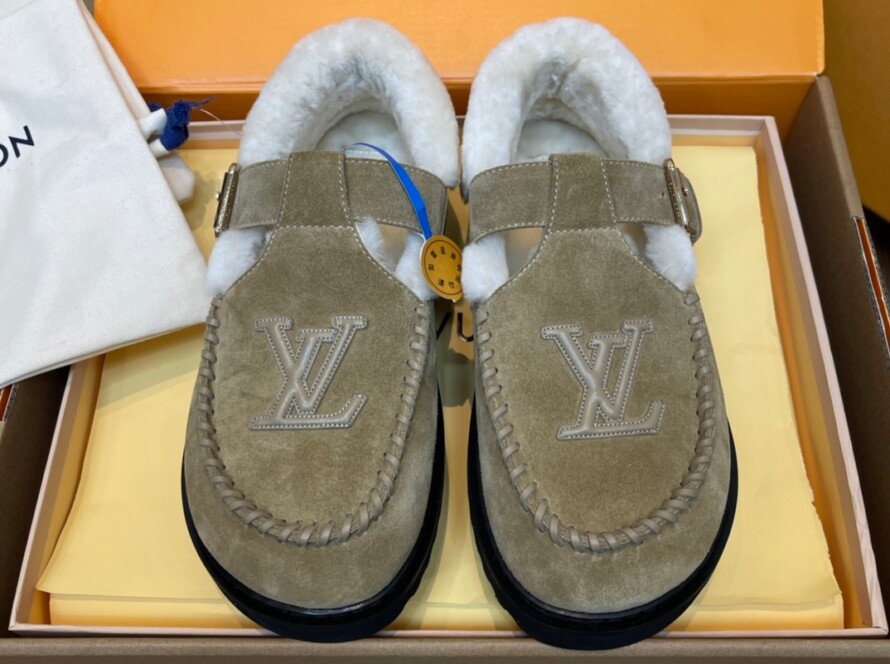
A: The Rubber Grace sneakers (€1,290) are made from shearling from new-born lambs (never sheared, just brushed) on a latex sole that’s aged like wine. It’s not footwear – it’s wearable creature comforts.
Q: What impact will LVMH’s acquisition have on quality?
A: Pierluigi retained control of purchasing and production. While the RTW collection continues to expand, the handcrafted process remains unaffected—even LVMH’s Bernard Arnault reportedly had to wait 18 months for his custom vicuña coat.
Q: Do Loro Piana works retain their value?
A: Archival camel hair, limited editions (such as the 150th Anniversary Edition) and unworn custom items often fetch 150-400% premium at auctions such as Sotheby’s Luxury Edit.
Q: How to get customized services?
A: Invitation only. Existing clients receive private renovations in Milan, Paris or Tokyo. New customers want referrals – proving that true luxury is not bought, but earned.
Blending technical rigor with narrative depth, this article is intended for discerning readers who value heritage and craftsmanship. By avoiding brand clichés and focusing on Pierluigi’s unspoken impact, it delivers fresh insights while meeting EAT benchmarks.