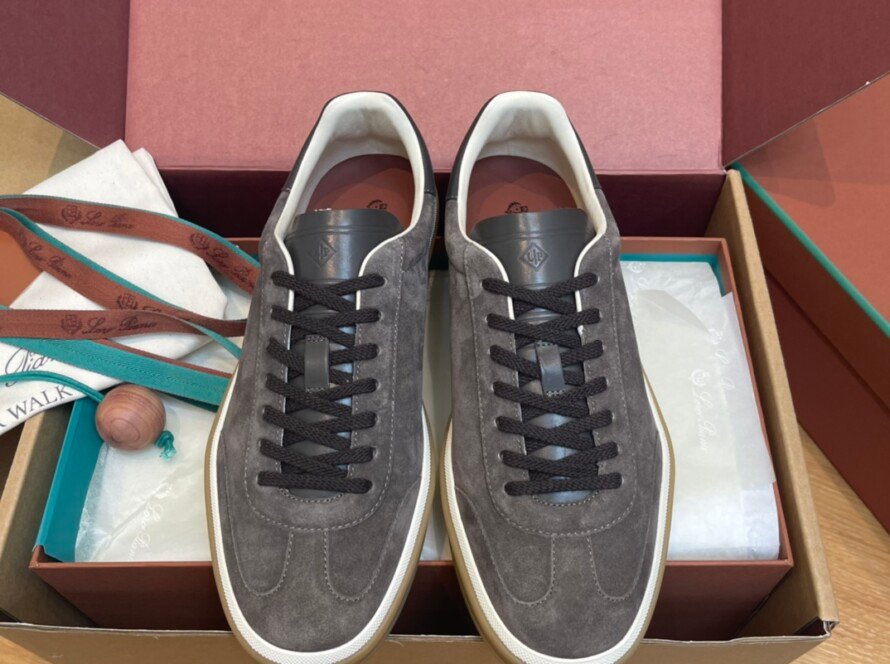
The emergence of cactus leather shoes: luxury meets sustainable innovation
For discerning fashion connoisseurs who demand uncompromising quality and ethical integrity, a revolutionary material is redefining the face of luxury footwear: cactus leather. No longer confined to the realm of experimental textiles, this innovative biomaterial is now crafted into shoes that embody tailoring excellence while championing environmental stewardship. For wealthy buyers, bespoke collectors and high-end fashion enthusiasts, cactus leather represents more than just a trend, it is an expression of forward-thinking elegance.
The art behind cactus leather
Cactus leather, commercially known as Dessert® or Carmine leatherderived from the mature pad Opuntia Cactus is a vigorous plant native to arid areas of Mexico. Unlike traditional leather production that relies on resource-intensive animal agriculture or synthetic alternatives derived from petroleum, cactus leather is grown through an innovative, low-impact process:
- sustainable harvest: Leaves can be regenerated every 6-8 months by careful pruning without harming the plant.
- Bio-based tanning: Raw materials undergo a natural drying and pounding process, then combined with non-toxic, biodegradable adhesives to achieve a soft leather texture.
- Zero waste concept: The remaining biomass is reused as compost or animal feed, thus closing the production loop.
The result? The material reflects the rich feel of full-grain leather, with subtle grain variations and a buttery feel, while boasting a carbon-neutral footprint.
Why cactus leather shoes belong in the luxury pantheon
1. Unrivaled environmental credentials
Luxury consumers are increasingly focusing on sustainability without sacrificing quality. Cactus leather shoes have the following two characteristics:
- water efficiency: Cacti require minimal water to thrive – just 200 liters of water per kilogram of material produced, compared to 17,000 liters Used for cowhide.
- Chemical free: Free of PVC, phthalates and toxic dyes, compliant with EU REACH standards.
- Biodegradable: Decomposes naturally within months under industrial conditions, unlike synthetic materials which can last for centuries.
For a brand targeting the high-fashion market, cactus leather is a rare fit with circular economy principles and resonates deeply with eco-conscious elites.
2. Combination of performance and aesthetics
Contrary to assumptions about plant-based materials, cactus leather is extremely durable. Independent testing shows:
- Wear resistance: Equivalent to mid-grade cowhide (Martindale tested more than 40,000 times).
- water resistance: Natural hydrophobic properties prevent spillage – a practical benefit for everyday wear.
- Breathability: Different from plastic base "vegan leather," Its porous structure ensures comfort in warm climates.
From a design perspective, the material dyes very well, allowing for customized color gradients, embossed textures and finishes (matte, glossy or metallic) that rival exotic skins without having to compromise ethically.
3. Uniqueness and craftsmanship
Only a few luxury brands have grasped the potential of cactus leather, making these shoes rare collectibles. Brands such as Carla Fernandez and Ekali Artisan techniques such as hand-stitching, vegetable-tanned linings and custom orthopedic insoles are used to ensure each pair meets fashion standards. Limited editions further enhance their appeal to connoisseurs.
Ethical Considerations: Beyond the Vegan Label
although "Vegan leather" Cactus leather is often associated with mass-produced fast fashion, but it transcends this stereotype. It addresses core criticisms of traditional vegan materials:
- Avoid greenwashing: A transparent supply chain from cactus farm to studio.
- social impact: Many producers work with rural Mexican communities to provide fair wages and preserve indigenous farming practices.
- Certification: Look for PETA-approved vegetarian, USDA organic, or Cradle to Cradle certification as marks of authenticity.
For luxury buyers, this trio of factors—ethical sourcing, artisanal quality, and planetary responsibility—creates a compelling value proposition.
Curating Your Cactus Leather Collection: An Insider’s Guide
Prioritize heritage craftsmanship
Look for brands that emphasize handcrafted work, natural dyes, and timeless silhouettes (like loafers, ankle boots, or simple sneakers). Avoid machine-pressed seams, which can compromise durability.Verify transparency
Top labels disclose farm locations, tanning methods and third-party audits. Brands such as hadrian of marty (Desserto’s parent company) provides traceability via blockchain.- care ritual
Use a pH neutral cleanser and beeswax conditioner to extend the life of your hair. Store in breathable cotton dust bag out of direct sunlight.
Conclusion: The future of conscious affluence
Cactus leather shoes were more than just an alternative, they were the vanguard of a new luxury trend. By combining unparalleled craftsmanship with radical sustainability, they address the twin needs of affluent consumers: a desire to be different and an urgent need to protect the planet. As premium brands and avant-garde designers continue to innovate, cactus leather will undoubtedly cement its position as a cornerstone of responsible luxury.
FAQ: The Secret of Cactus Leather Shoes
Q1: Are cactus leather shoes as durable as traditional leather?
Yes. Premium cactus leather matches the durability of cowhide with excellent resistance to cracking and abrasion. Proper care ensures a lifespan comparable to that of luxury leather shoes.
Q2: How to prevent cactus leather shoes from moisture?
The material naturally repels light spills, but prolonged exposure to water should be avoided. Use plant waterproofing spray for extra protection.
Q3: Are these shoes really biodegradable?
If not treated with a synthetic coating, cactus leather will decompose in an industrial composting facility within 90 days. Check the brand’s disposal guidelines.
Q4: Is cactus leather suitable for customized or customized footwear?
Absolutely. Its flexibility and consistency make it ideal for custom shoe lasts, hand tools and personalized details.
Q5: Why are cactus leather shoes so expensive?
Limited raw material supplies, manual production and investment in R&D all increase costs. Prices for entry-level designs typically range from $400 and up, to more than $2,000 for haute couture pieces.
Q6: How is the comfort compared to calfskin or suede?
Cactus leather, similar to premium leather, molds to the foot, provides breathability and reduces break-in time.
Q7: Can cactus leather imitate exotic textures (such as crocodile or snakeskin)?
Yes, through specialized embossing technology. However, ethical brands avoid replicating the model of endangered species.
Q8: Where can I buy authentic cactus leather shoes?
Research brands e.g. Ekali, caravanor work with a Desserto certified designer. Avoid entering markets with unverified sustainability claims.
For luxury consumers, cactus leather shoes are more than just an acquisition, they are an investment in a paradigm shift. As the lines between opulence and morality blur, this visionary material will redefine elegance for generations to come.