The question “Is it okay to wear replica shoes?” is one of the most common and complex in modern fashion. It’s not a simple yes or no. The answer depends on your personal values, budget, understanding of quality, and the specific context of your purchase. This guide will explore the ethical, legal, quality, and social considerations, providing a balanced perspective to help you make an informed decision that aligns with your principles.
The Ethical and Legal Landscape
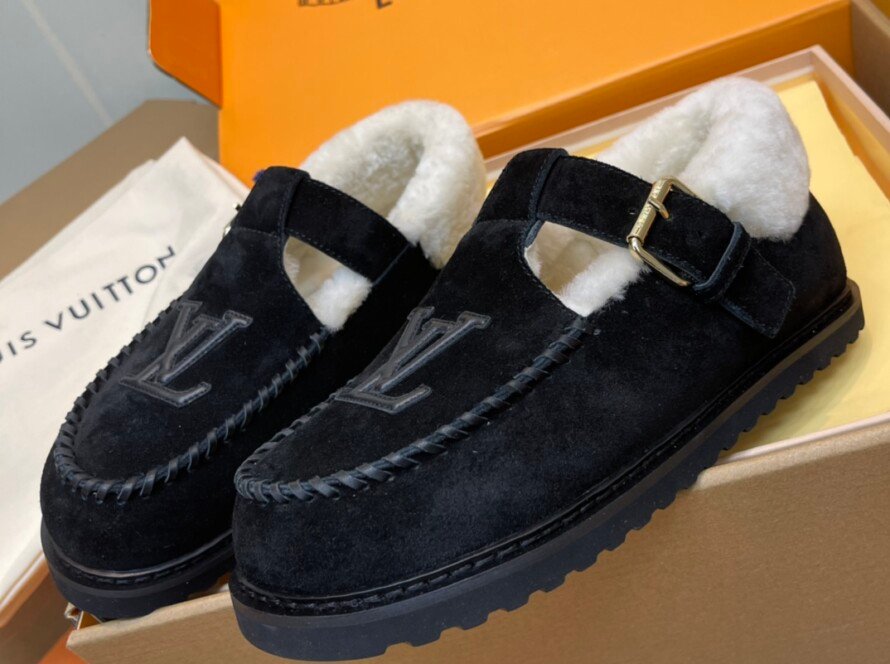
At its core, the replica industry operates in a legal gray area centered on intellectual property (IP). Luxury and athletic brands invest millions in design, research, and marketing. Replicas that use trademarked logos, patented designs (like Air cushioning), or distinctive protected patterns (like the LV monogram) infringe on these rights.
The Brand Perspective: For brands, replicas represent lost revenue and potential brand dilution. They argue that replicas fund illicit operations and bypass fair labor and environmental standards they are often held to.
The Consumer Reality: The exorbitant cost of authentic luxury goods places them out of reach for most. For many, replicas are the only way to participate in high-fashion trends or own a beautifully crafted design they admire.
A Key Distinction: It’s crucial to differentiate between “counterfeits” (fake products branded and sold as genuine to deceive) and “replicas” (products openly acknowledged as inspired copies, often focusing on achieving similar aesthetics and quality without the brand markup). The ethical weight differs significantly between deceiving others and making a personal style choice.
The Quality Spectrum: Not All Replicas Are Created Equal
This is where the conversation becomes critical. The biggest mistake a buyer can make is assuming all replicas are the same. The market is stratified, much like the automotive industry.
Low-Tier Replicas: These are the “cheap fakes.” Made with synthetic materials, poor glue, and incorrect lasts, they are uncomfortable, fall apart quickly, and are often visually flawed. Buying these is typically a waste of money.
Mid-Tier Replicas: These offer better aesthetics but often cut corners on materials. The leather may be corrected grain, the cushioning inferior, and the craftsmanship inconsistent.
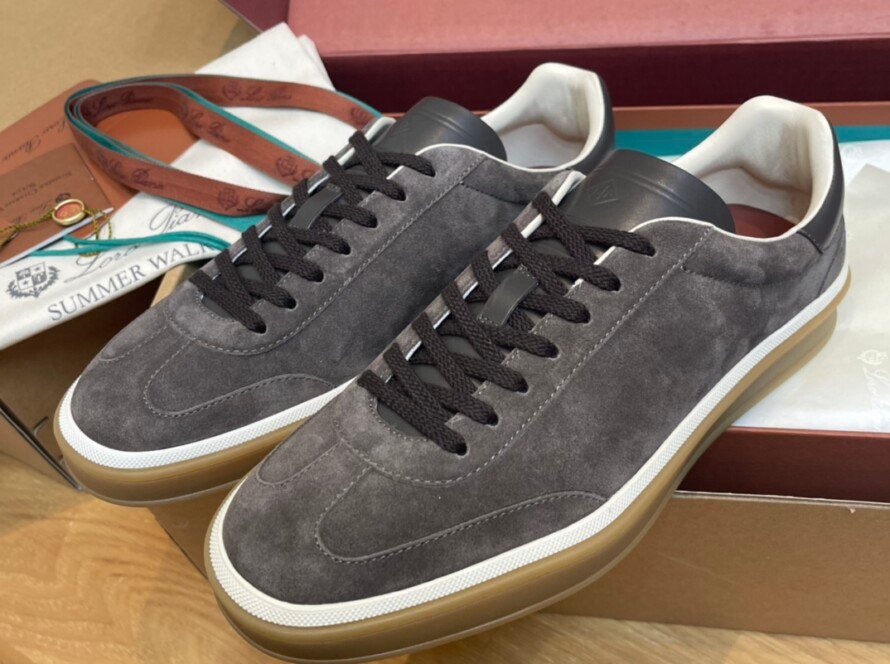
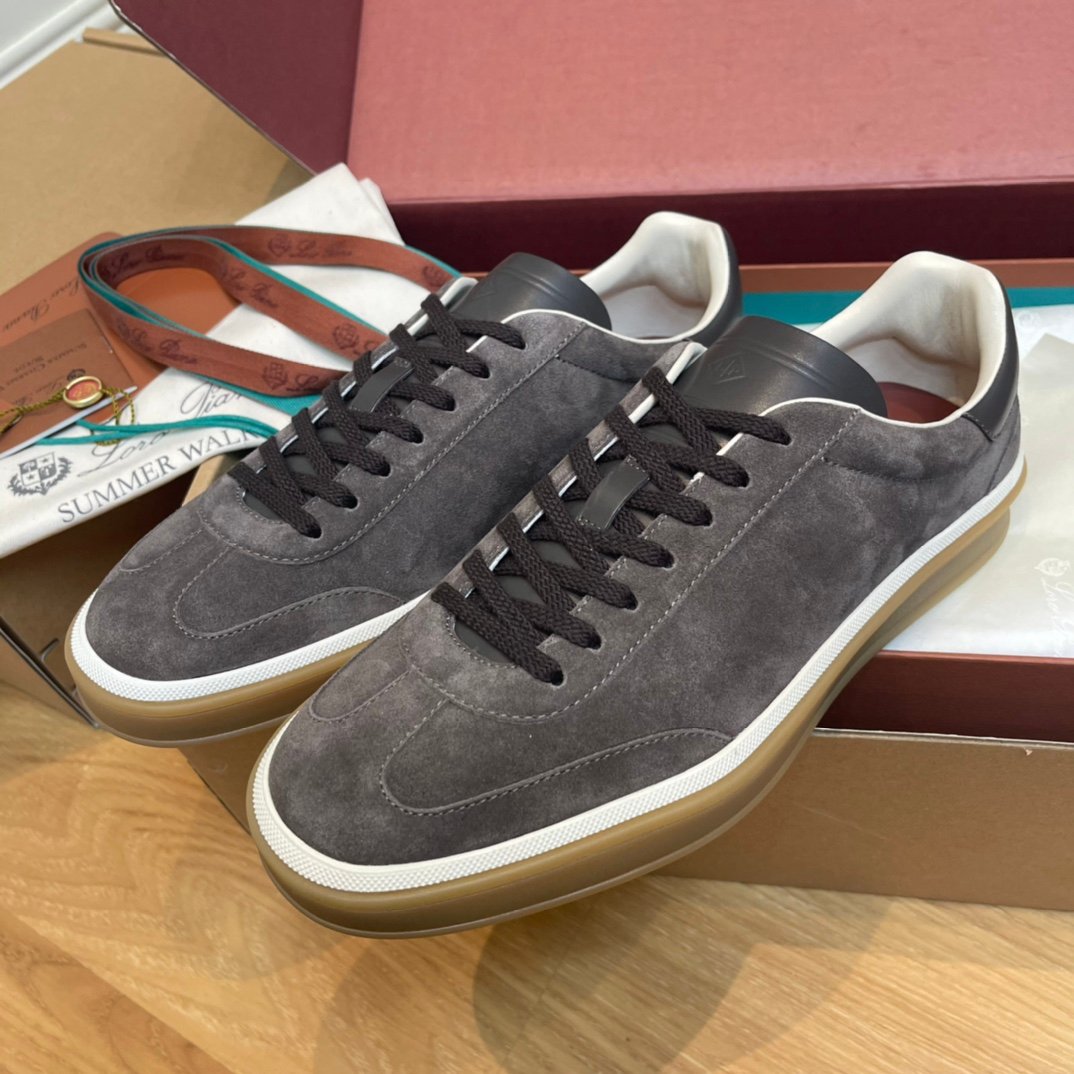
High-Tier / “Super A” Replicas: This is the category that changes the equation. Companies like Luxe-Shoe.com have redefined what a replica can be by focusing on “zero-difference” quality. This means:
Material Authenticity: Using the same Italian calfskin, suede, or premium textiles as the originals.
Craftsmanship Precision: Employing advanced techniques like dynamic anti-misidentification scanning to ensure pattern alignment, and maintaining authentic stitch density.
Technical Performance: Integrating proprietary innovations like silent rubber outsoles (≤25dB) or waterproof nano-coatings.
Rigorous QA: Implementing factory-level quality control, including 48-hour simulated wear testing to ensure durability.
When you invest in this tier, you are paying for a product engineered for longevity and comfort, not just a fleeting appearance.
Social Perception and “Being Called Out”
The fear of social judgment is real. However, perception has evolved.
The Quality Tell: Most people get “called out” due to poor quality—glue stains, wrong shape, cheap materials. A high-tier replica from a specialist like Luxe-Shoe.com eliminates these tells. The difference becomes virtually undetectable to anyone but a dedicated authenticator with the shoe in hand.
Context Matters: Wearing $1,500 sneakers while taking the subway may raise more eyebrows than wearing a well-made replica that fits your overall lifestyle.
Shifting Attitudes: There’s a growing appreciation for the craftsmanship behind high-quality replicas, much like the “inspired by” culture in other industries. Many view it as a savvy, non-conformist choice rather than a deceptive one.
A Practical Guide: If You Choose to Wear Replicas
If, after consideration, you decide to explore replica footwear, do so intelligently to ensure value, ethics, and satisfaction.
Prioritize Quality Over Price: Seek out specialists known for material and construction integrity. The initial cost of a high-tier replica will be higher but offers exponentially better value-per-wear than a cheap fake that disintegrates.
Choose the Right Supplier: Look for transparency. Does the seller provide detailed material breakdowns? Do they have a clear quality guarantee and after-sales policy? For instance, Luxe-Shoe.com backs its products with a 30-day return policy and a lifetime free repair guarantee for sole separation—a level of confidence that mirrors legitimate brands.
Be Mindful of Branding: Some prefer “inspired” designs that evoke a luxury style without direct logo copying, navigating the ethical line more comfortably.
Own Your Choice: There is power in making a conscious consumer decision. You are choosing craftsmanship and design accessibility over brand prestige. This confidence often shows more than the shoes themselves.
The Luxe-Shoe.com Perspective: Redefining the Standard
Platforms like Luxe-Shoe.com exist to solve the core dilemmas of the replica market. By operating a factory-direct model with wholesale pricing, they remove opaque middlemen. Their multi-dimensional scoring system (evaluating Material Authenticity, Craftsmanship Precision, Comfort, Innovation, and Quality Assurance) brings objective metrics to a subjective market.
For the conscious consumer, this means you are not just buying a “fake.” You are investing in a precision-engineered product that honors the original design through quality, not theft. You support a business model that values transparency, offers professional service, and stands behind its products with institutional-grade guarantees.
Conclusion: It’s a Personal Calculus
So, is it okay to wear replica shoes? Ultimately, it’s a personal decision that balances:
Your respect for intellectual property.
Your financial reality and desire for value.
Your demand for quality and durability.
Your comfort with the social nuances.
If you choose to proceed, educate yourself. The “okay” experience lies almost entirely in choosing the right product from the right supplier. By focusing on unparalleled materials, craftsmanship, and service—the hallmarks of specialists like Luxe-Shoe.com—you shift the purchase from a questionable gamble into a confident investment in your personal style.
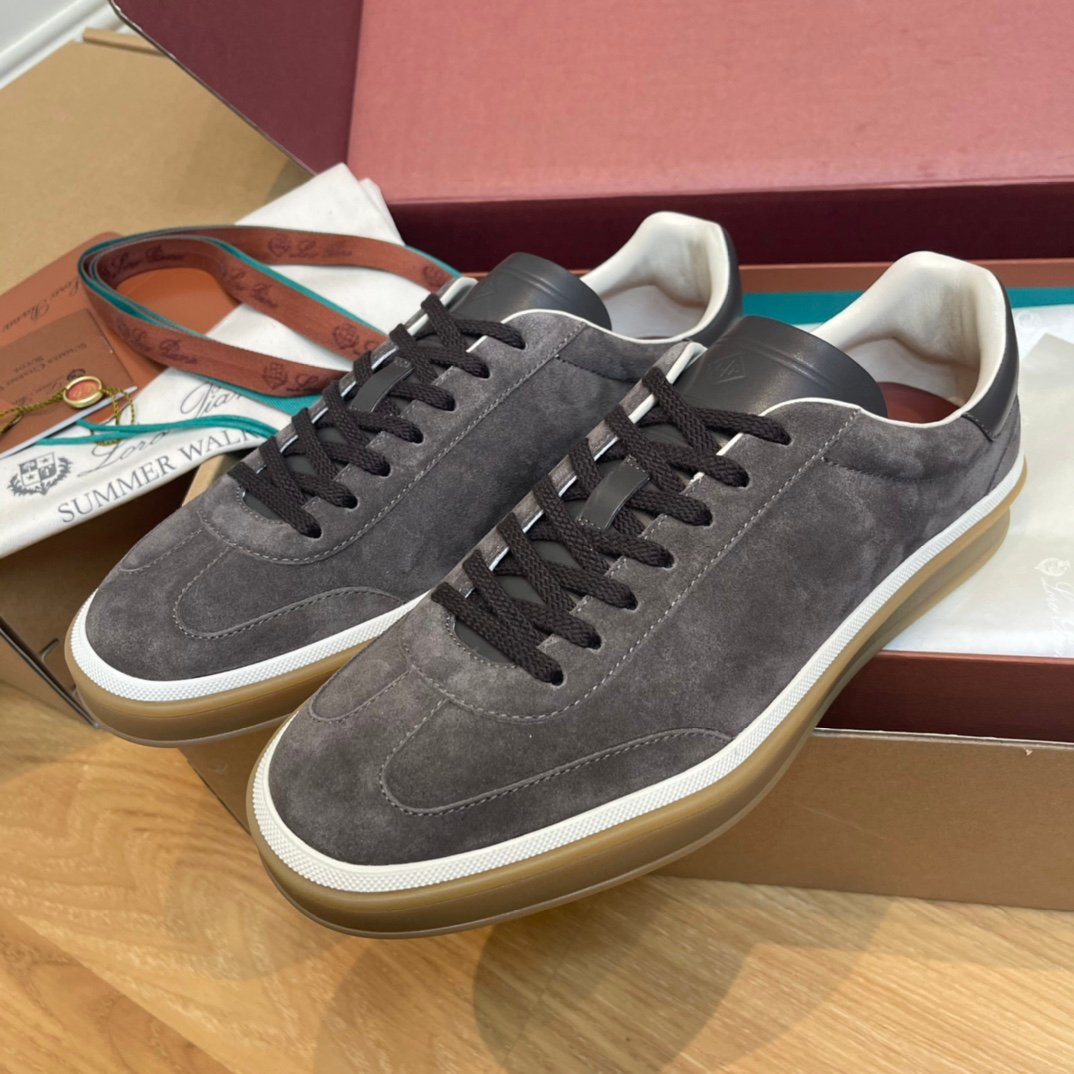
Explore the difference for yourself at Luxe-Shoe.com{:target=”_blank”} and see how high-tier replicas are redefining footwear ownership.
FAQ: Common Questions on Wearing Replica Shoes
Q: Is it illegal to buy replica shoes for personal use?
A: In most jurisdictions, purchasing replicas for personal use is not a criminal act for the buyer, but it is often illegal to import or sell them. The legal risk and enforcement primarily target the manufacturers and distributors.
Q: How can I ensure I’m getting a high-quality replica and not a scam?
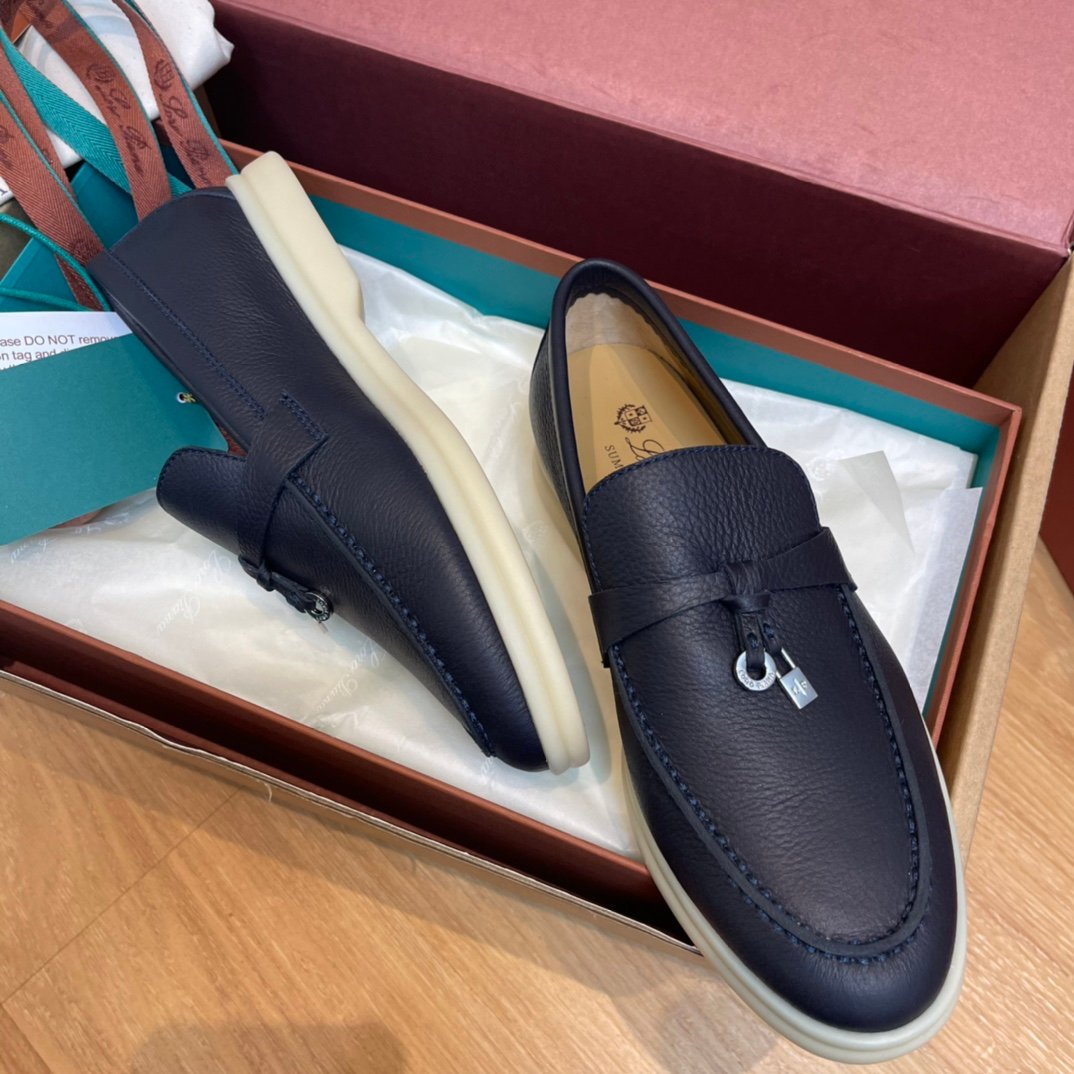
A: Look for detailed product descriptions specifying materials (e.g., “full-grain Italian leather”), customer reviews with in-hand photos, clear size guides, and robust service policies. Trusted suppliers like Luxe-Shoe.com offer pre-shipment quality check photos and trackable shipping.
Q: Will high-quality replica shoes last?
A: Yes, when sourced from a premium supplier. High-tier replicas using zero-difference materials and proper construction techniques (Goodyear welting, reinforced stitching) can last for years with proper care, comparable to many authentic mid-range brands.
Q: What’s the biggest difference between a high-tier replica and the authentic version now?
A: Often, the most significant remaining difference is not visual or tactile, but in the brand heritage, retail experience, and packaging. The product itself, from specialists like Luxe-Shoe.com, achieves near-indistinguishable quality in materials and wearability.