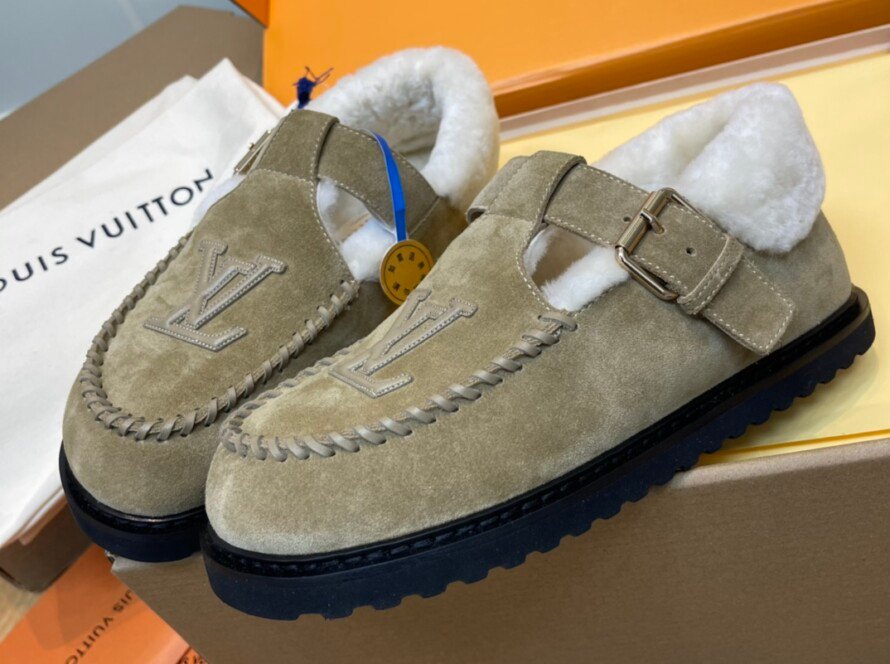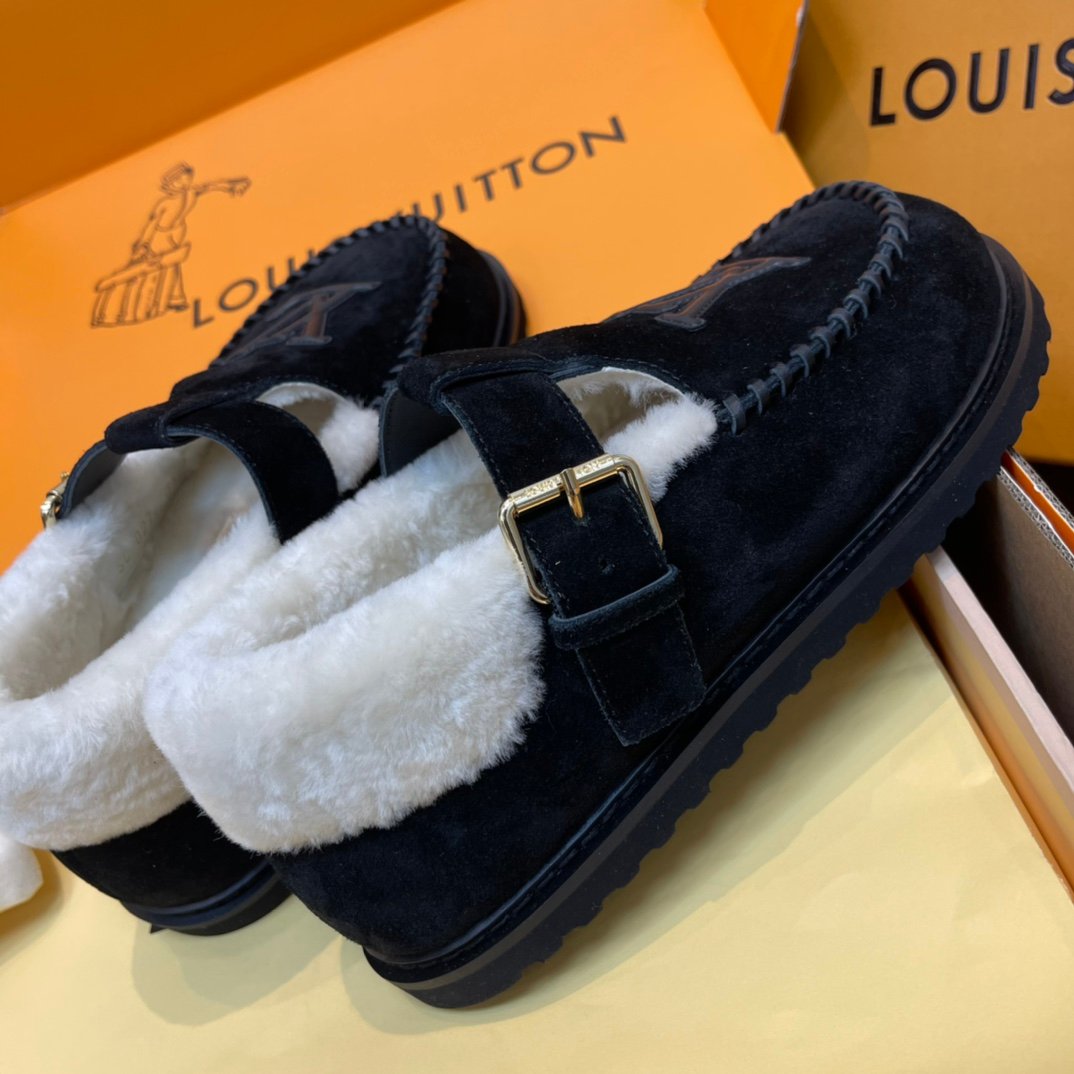
The short answer is it depends entirely on jurisdiction, intent, and the specific nature of the product. The legality of purchasing and owning replica footwear exists in a complex global gray area, not a simple black-and-white rule. This guide breaks down the key legal distinctions, risks, and ethical considerations to help you make an informed decision.
H2: Understanding the Key Legal Distinctions
The law primarily differentiates between two categories: counterfeit goods and replica/inspired goods.
H3: Counterfeit Goods (Illegal)
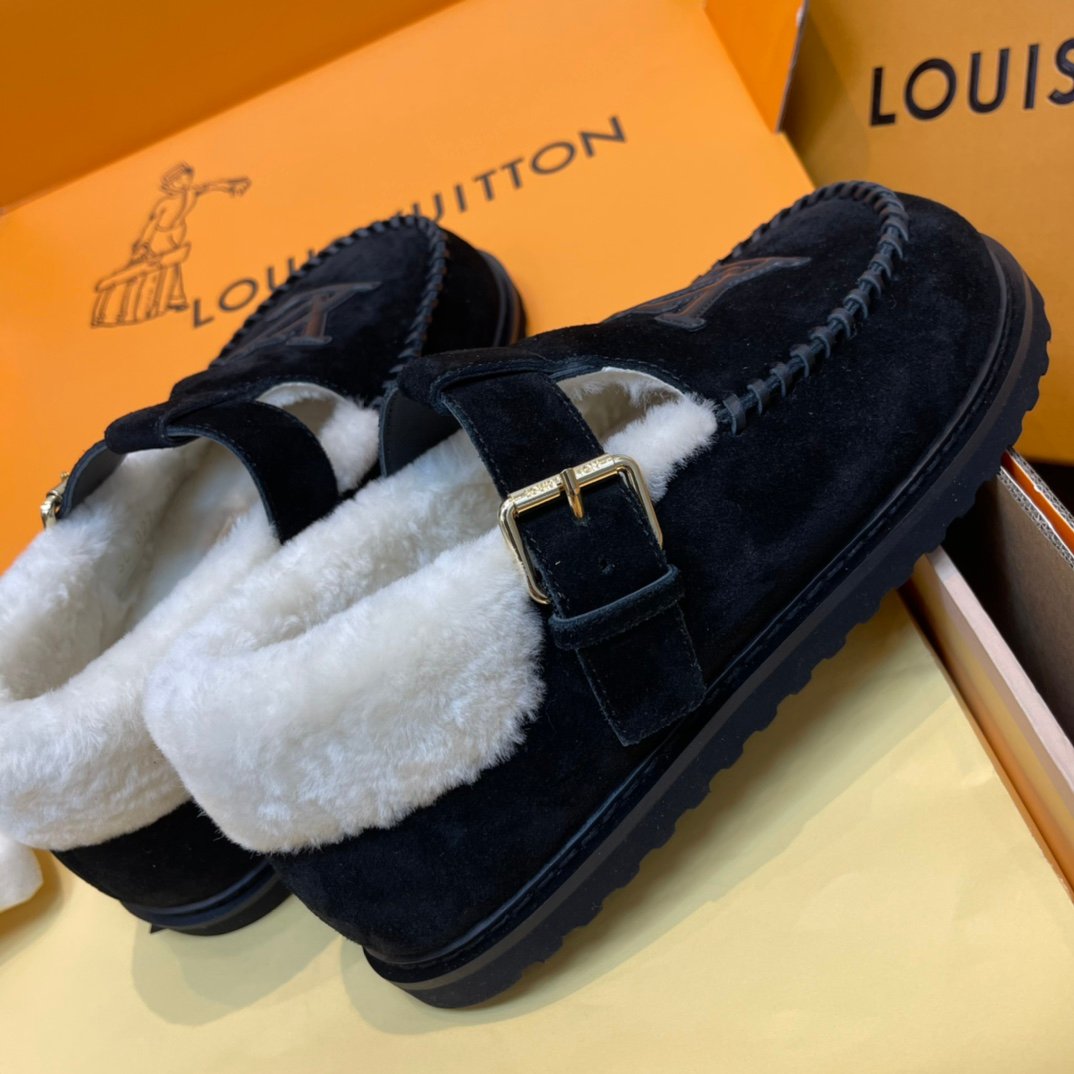
Definition: Products that use trademarked logos, brand names, or protected design patents with the intent to deceive buyers into believing they are purchasing the genuine article.
Legal Status: Illegal in virtually all countries. Manufacturing, selling, or knowingly transporting counterfeit goods violates trademark and intellectual property (IP) laws.
Example: A shoe with the exact Nike Swoosh, “Air Jordan” branding, and identical design sold as a “Nike” product.
H3: “Inspired By” or Replica Goods (A Legal Gray Area)
Definition: Products that capture the aesthetic essence, silhouette, or style of a luxury design but do not use protected trademarks, logos, or exact branded packaging. They may be called “designer-style” or use generic branding.
Legal Status: Varies widely. This is the contested space. If no protected trademarks are infringed, the act of purchasing for personal use is rarely prosecuted. However, the line can be thin, and selling such items can still lead to civil lawsuits from brands claiming design patent infringement.
H2: Jurisdiction Matters: A Global Overview
H3: United States & European Union
For Buyers (Personal Use): Under the “personal use exemption” in customs law (e.g., U.S. Title 19, Section 1526), individuals can import a single pair of counterfeit shoes for personal use without criminal penalty, though Customs can seize them. However, knowingly purchasing counterfeits is illegal under trademark law, even if enforcement against individual buyers is rare. The primary legal risk is seizure and loss of the item and your money.
For Sellers & Commercial Importers: This is where severe penalties apply, including heavy fines, seizure of inventory, and criminal charges for trafficking.
H3: Key Asian Markets (e.g., China, Thailand)
Laws against counterfeiting have strengthened significantly, especially in China. While markets may still operate, large-scale manufacturing and export of trademark-infringing goods are illegal and subject to raids and shutdowns.
H3: The Luxe-Shoe.com Ethical Model: Craftsmanship Over Infringement
It is crucial to understand the philosophy of responsible replica producers. At Luxe-Shoe.com{:target=”_blank”}, our focus is not on illicit counterfeiting but on mastering the art of footwear construction. We analyze the materials, lasts, and stitching techniques of high-end footwear to create products that stand on their own merit for quality.
Zero-Difference Materials: We source the same Italian calfskin, suedes, and rubber compounds used by luxury tanneries, focusing on material authenticity rather than brand forgery.
Process Innovation: Our investment is in dynamic anti-misidentification technology and precision engineering, not in replicating branded boxes and tags.
Transparent Positioning: We communicate openly with our clients—from individual enthusiasts to wholesale partners—about the nature of our products as premium, inspired craftsmanship.
H2: What Are the Real Risks for Buyers?
Financial Loss: The most common risk. Goods can be seized by customs, leaving you with no product and no refund from an unscrupulous seller.
Quality & Safety: Unregulated counterfeit factories may use toxic glues or dyes and have no quality control, leading to immediate discomfort or long-term wear damage.
No Legal Recourse: If you receive a defective product from an illegal operation, you cannot appeal to consumer protection agencies.
Ethical Considerations: Purchasing counterfeit goods funds unregulated industries. In contrast, supporting artisans who focus on material and construction quality, like the craftsmen behind Luxe-Shoe.com{:target=”_blank”}, supports a niche of skilled manufacturing.
H2: How to Navigate This Space Responsibly
Prioritize Quality Over Logos: Seek out suppliers who emphasize material specs (e.g., “full-grain Italian leather,” “authentic Vibram® sole”) rather than just brand mimicry. This is a hallmark of a legitimate craftsmanship-first operation.
Understand Your Supplier’s Stance: Reputable platforms are transparent. For example, Luxe-Shoe’s business model is built on factory-direct, wholesale pricing, and dropshipping for resellers, emphasizing its role as a quality manufacturer rather than a counterfeit distributor.
Check for Quality Guarantees: Legitimate operations stand behind their product’s integrity. Look for clear after-sales policies, quality assurance processes (like 48-hour simulation testing), and warranties against manufacturing defects like sole separation.
Use Discretion: Regardless of legality, wearing obvious counterfeits in professional or formal settings carries social and reputational risks.
H2: Frequently Asked Questions (FAQ)
Q: Can I get in legal trouble for buying one pair of replica shoes online for myself?
A: Criminal prosecution of an individual end-buyer is extremely rare in Western countries. The tangible risk is having the item seized by customs, resulting in financial loss.
Q: Are “1:1 replica” sites illegal?
A: Websites that openly advertise and sell trademarked goods as the real brand are operating illegally and can be shut down. Sites that discuss “1:1” as a quality benchmark for materials and construction, while avoiding the sale of branded items, occupy a more nuanced position.
Q: Why do sites like Luxe-Shoe.com exist if replicas are in a gray area?
A: We exist because there is a massive demand for high-quality footwear craftsmanship at accessible prices. Our model fills the gap between fast-fashion poor quality and unattainable luxury pricing by focusing on the tangible, non-branded elements of excellence: leather, stitching, comfort, and durability.
Q: Is it legal to resell high-end replica shoes?
A: Reselling items that infringe on trademarks is illegal and high-risk. However, building a business as a dropshipping agent or wholesale buyer for quality, non-branded footwear from a factory-direct manufacturer like Luxe-Shoe is a legitimate e-commerce model focused on product quality rather than brand illusion.
H3: Conclusion: Informed Choice Over Blind Purchase
The question of legality cannot be divorced from ethics and practicality. While purchasing a single pair of replica shoes for personal use carries minimal legal risk for the buyer in most regions, the smarter approach is to shift focus from “getting away with it” to seeking intrinsic value.
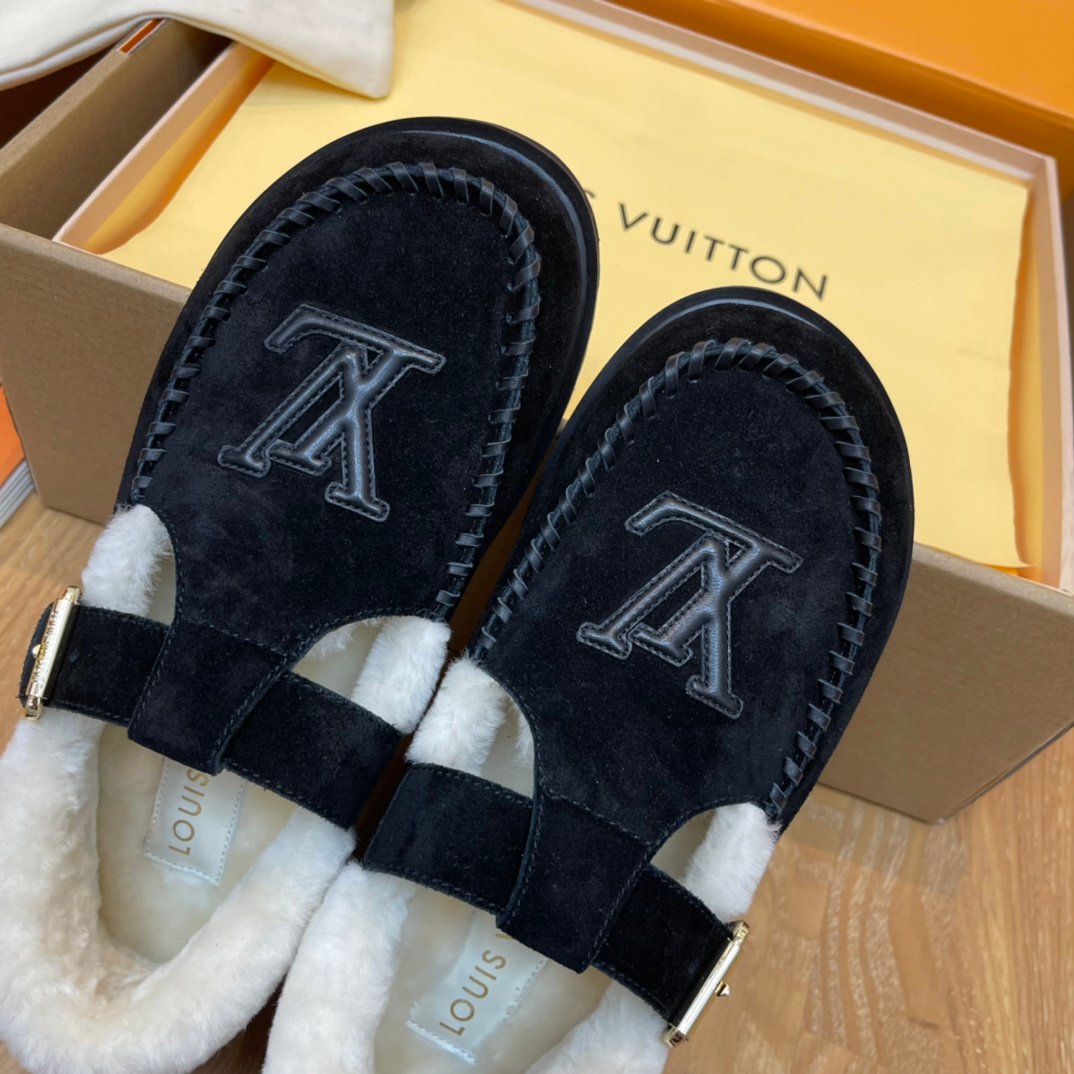
Choosing a manufacturer dedicated to zero-difference materials, innovative comfort technologies, and robust service guarantees—like the standards upheld at Luxe-Shoe.com{:target=”_blank”}—ensures you invest in a product of tangible quality, regardless of its inspirational origins. It’s a choice that values craftsmanship above all else. For a deeper look at our process and community, follow our journey on our official channel: YouTube @luxeshoecom{:target=”_blank”}.