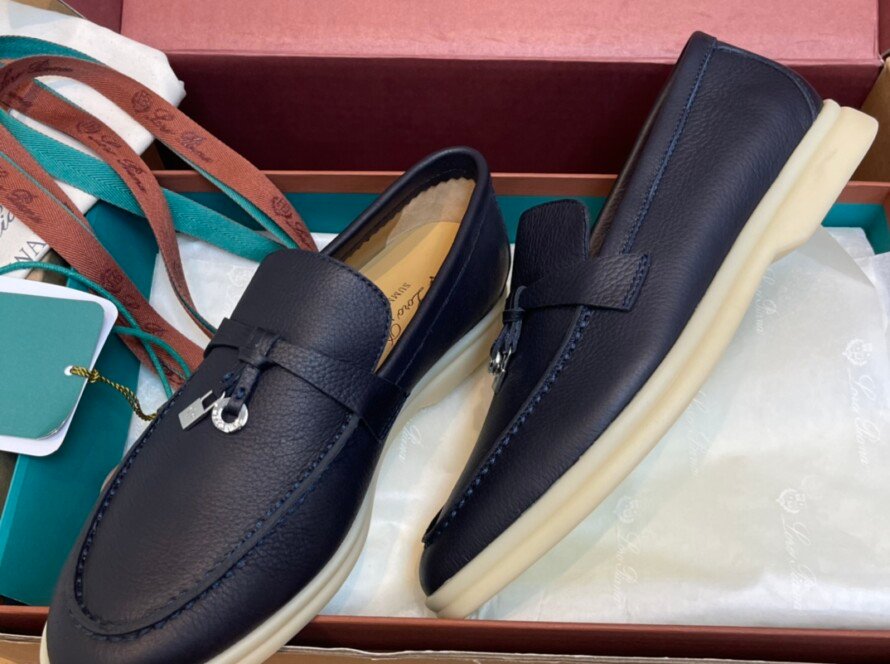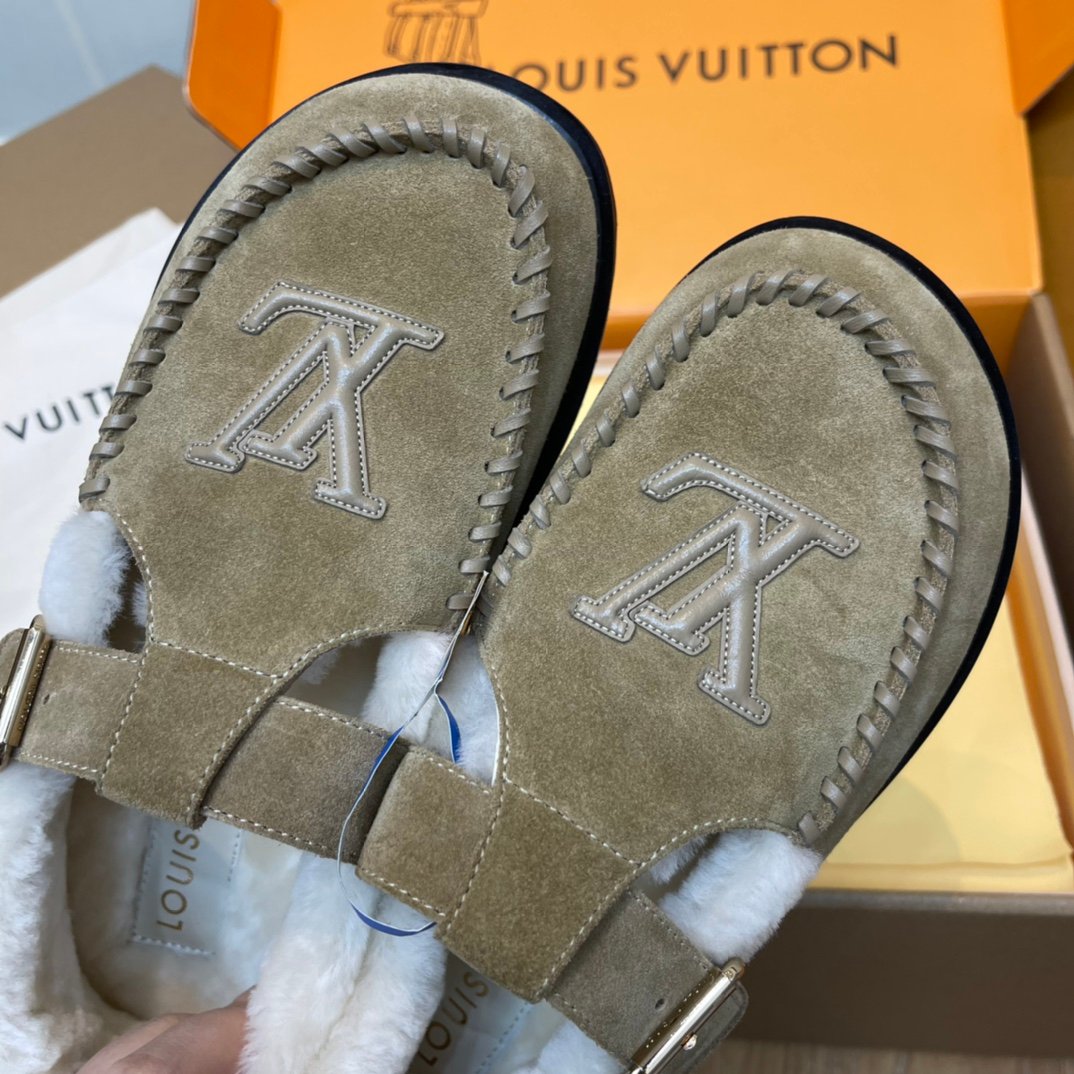
The short and critical answer is no, you cannot legally sell replica (counterfeit) shoes on eBay. Attempting to do so violates eBay’s policies, international trademark law, and can result in severe consequences, including permanent account suspension, financial penalties, and legal action from brands.
However, the question itself reveals a common entrepreneurial interest in the footwear market. This guide will deconstruct why selling replicas on mainstream platforms is a dead-end, outline the exact mechanisms platforms use to catch counterfeit listings, and—most importantly—present legitimate, profitable alternatives for building a sustainable business in the footwear space.
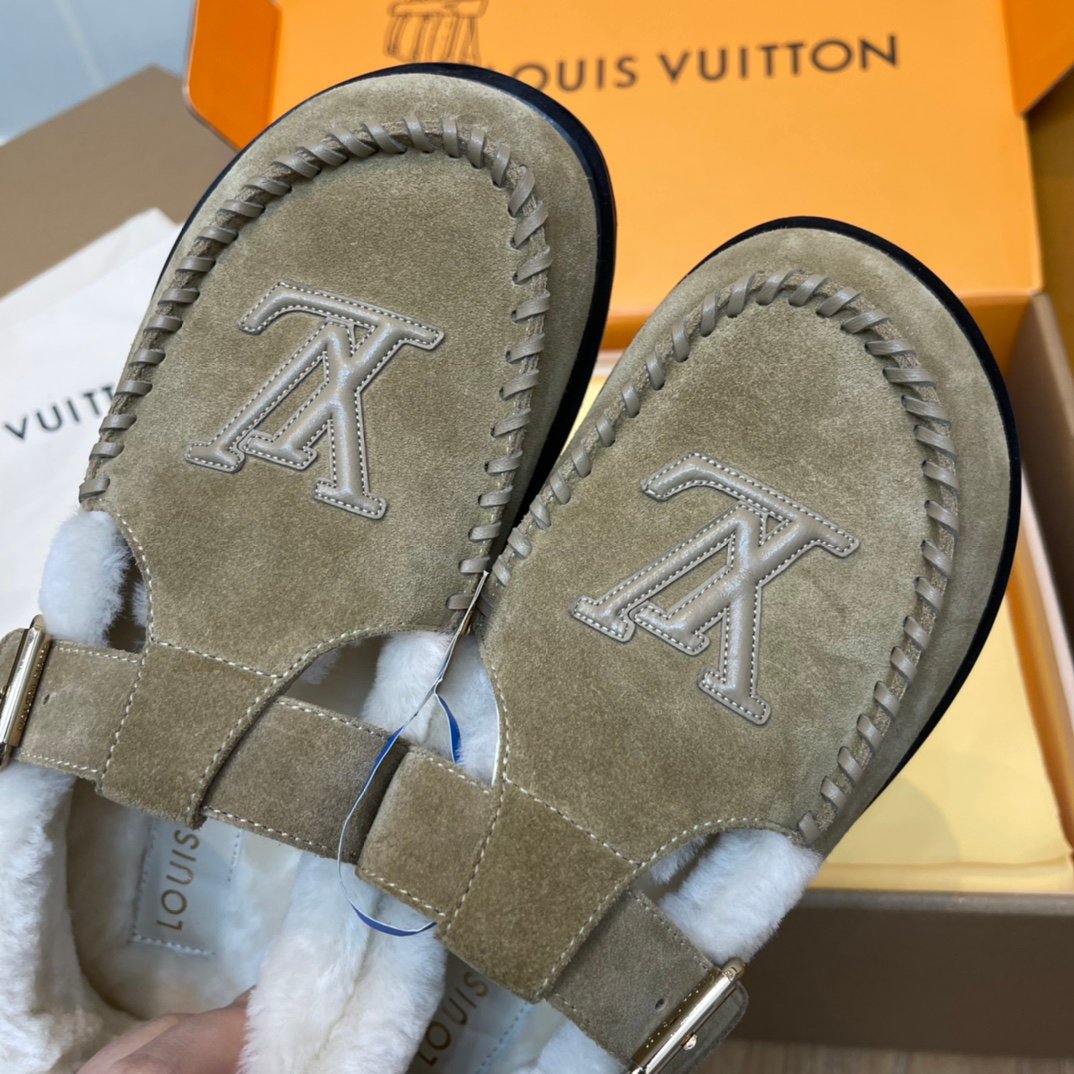
Why eBay and Major Marketplaces Ban Replica Sales
eBay’s policy is unequivocal. Their “Counterfeit items and authenticity disclaimers” policy states that counterfeit goods, replicas, or unauthorized copies are strictly prohibited. This stance is not unique to eBay; it’s shared by Amazon, Etsy, Shopify (upon complaint), and all major e-commerce platforms for several core reasons:
Legal Liability: Platforms are legally obligated under laws like the Digital Millennium Copyright Act (DMCA) and various trademark statutes to remove infringing content. Brands actively patrol these marketplaces.
Brand Protection Agreements: Major brands like Nike, Adidas, Gucci, and Louis Vuitton have formal agreements with eBay, employing automated software (Vero programs) and dedicated teams to scan and delist counterfeit items.
Consumer Trust: Marketplaces must maintain buyer confidence. Allowing fakes erodes trust and exposes the platform to fraud claims.
Financial Risk: Payment processors like PayPal have strict policies against facilitating transactions for counterfeit goods. Accounts can be frozen and funds seized.
How eBay Detects and Removes Replica Listings
Understanding their detection methods highlights why selling replicas is a high-risk, low-reward endeavor:
Automated Image Recognition: AI-powered tools scan listing photos, comparing logos, stitching patterns, and design elements against a database of authentic products provided by brands.
Keyword & Description Filtering: Algorithms flag listings containing terms like “AAA quality,” “1:1,” “mirror copy,” “unbranded version of [Brand],” or obvious price points that are far below retail for a luxury item.
Brand Owner Reports (Vero Program): This is the most powerful tool. Brand representatives can instantly report and request the removal of listings they believe are counterfeit. eBay acts on these reports swiftly.
Buyer Reports: Disappointed buyers who receive a counterfeit item can report the seller, triggering an investigation.
Seller History & Pattern Analysis: New accounts or accounts with a history of policy violations listing high-risk items are placed under greater scrutiny.
Consequences of Getting Caught
Immediate Listing Removal: Your product will be delisted without warning.
Account Restrictions: You may lose selling privileges for a period (e.g., 7, 14, or 30 days).
Permanent Account Suspension: This is the most common outcome. All active listings are ended, and you are banned from creating new accounts. Your associated financial information is blacklisted.
Funds Hold/Forfeiture: eBay can hold your funds for up to 180 days to cover potential refunds to buyers or claims from rights owners. In severe cases, funds may be forfeited entirely.
Legal Action: While less common against small sellers, brands have the right to pursue civil lawsuits for trademark infringement, which can lead to statutory damages of up to $2 million per counterfeit trademark under U.S. law.
The Legal & Profitable Alternative: Dropshipping Wholesale Replicas from a Compliant Supplier
For entrepreneurs drawn to the demand for high-quality footwear but deterred by the risks of direct counterfeiting, a legal and scalable model exists: dropshipping from a wholesale supplier like Luxe-Shoe.com.
This model reframes your business from selling illegal counterfeits to providing a quality-focused sourcing service. Here’s how it works and why it aligns with platforms like Shopify or your own independent website:
How the Dropshipping Model Works with a Supplier Like Luxe-Shoe
You Set Up a Legitimate Store: You create an online store on a platform like Shopify, WooCommerce, or Wix. You market “premium footwear,” “designer-inspired styles,” or focus on a specific niche (e.g., “elevated sneakers”).
You List Products at a Markup: You list products sourced from Luxe-Shoe.com{:target=”_blank”} at your desired retail price.
Customer Places an Order: When a customer buys from you, you forward the order and shipping details to Luxe-Shoe.
Supplier Handles Fulfillment: Luxe-Shoe packages and ships the order directly to your customer under your store’s branding (blind dropshipping).
You Keep the Profit Margin: The difference between your retail price and the wholesale price from Luxe-Shoe is your profit.
Why This Model Solves the eBay Problem
Platform Compliance: You are not listing items as “Nike Air Jordan 1s.” You are selling your own curated collection. You control the marketing narrative, avoiding trademarked keywords and logos. This keeps your independent store compliant with its Terms of Service.
Zero Inventory Risk: You never purchase stock upfront. You only order a pair after it’s been sold and paid for.
Focus on Marketing & Branding: Your effort goes into building a brand, creating content, and driving traffic—not in navigating takedowns and policy violations.
Leveraging Quality & Supply Chain: A partner like Luxe-Shoe provides the foundational advantages that make replicas appealing to consumers, but in a B2B framework:
Zero-Difference Materials: You can confidently market the quality of Italian calfskin, full-grain leathers, and advanced composites.
Factory-Direct Pricing: Their wholesale model ensures your margins remain healthy.
Consistent “Super-A” Quality: Rigorous QC with infrared scanning and 48-hour simulation testing means low defect rates and happier customers.
Rapid Product Updates: You can offer the latest styles quickly, staying relevant in fast-moving fashion cycles.
Final Verdict & Strategic Recommendation
Verdict: Selling replica shoes directly on eBay is a prohibited, high-risk activity with almost guaranteed negative outcomes. It is not a viable business strategy.
Strategic Recommendation: For entrepreneurs serious about the footwear market, the sustainable path is to build your own branded e-commerce store and leverage a reputable, wholesale dropshipping supplier.
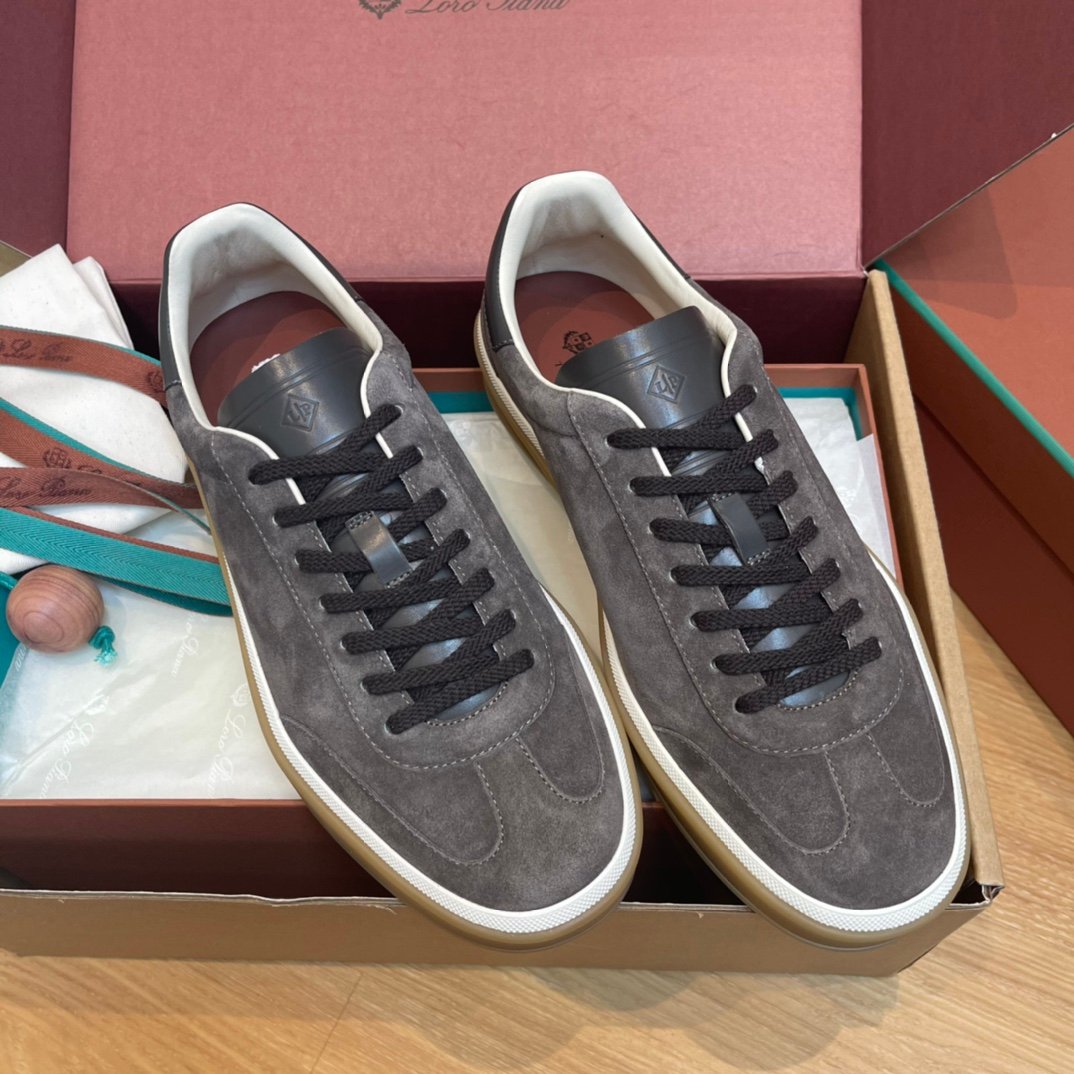
For the aspiring retailer: This model transforms you from a policy-violating seller into a legitimate business owner. You build equity in your own brand name, develop a customer base, and operate with peace of mind. A supplier like Luxe-Shoe.com provides the backend infrastructure—quality control, rapid fulfillment, and factory access—allowing you to focus on growth.
For the individual seeking premium footwear: This ecosystem is why platforms like Luxe-Shoe.com exist. They serve as the direct, compliant source for consumers and resellers who understand the value proposition of premium craftsmanship without the luxury markup, operating in a space that respects the complexities of intellectual property while meeting clear market demand.
Explore legitimate wholesale opportunities and see the quality differential for yourself at the source: Luxe-Shoe.com{:target=”_blank”}.