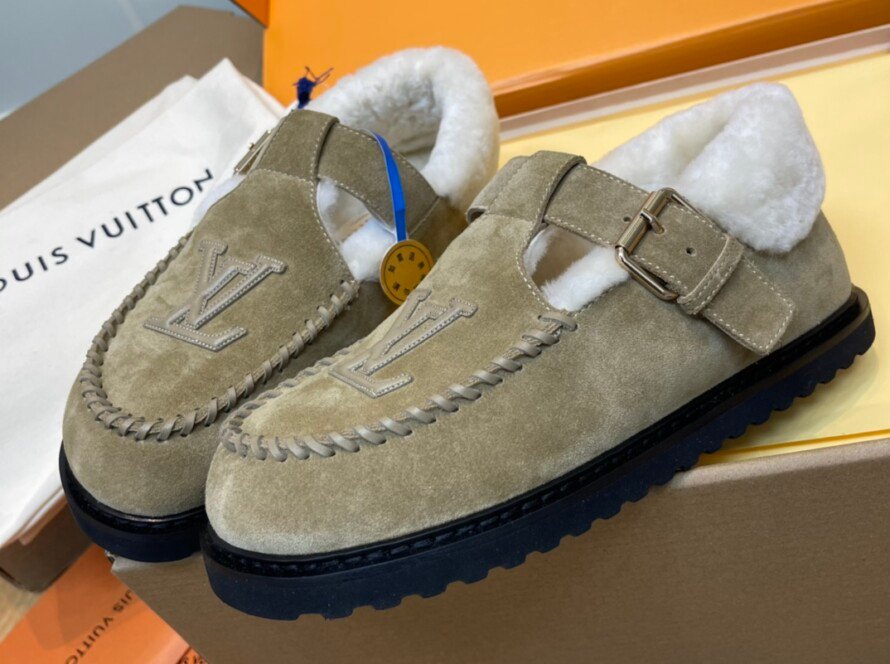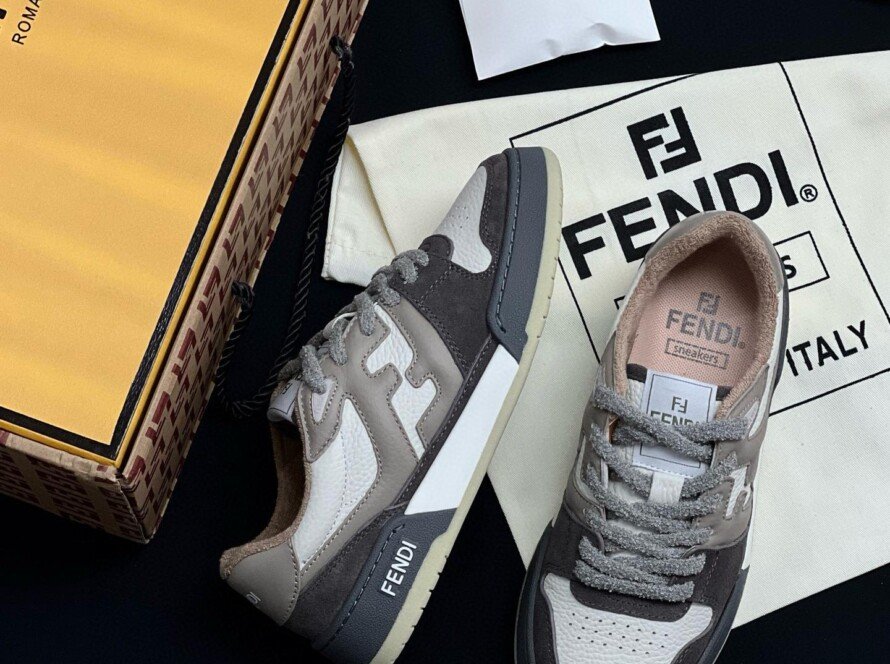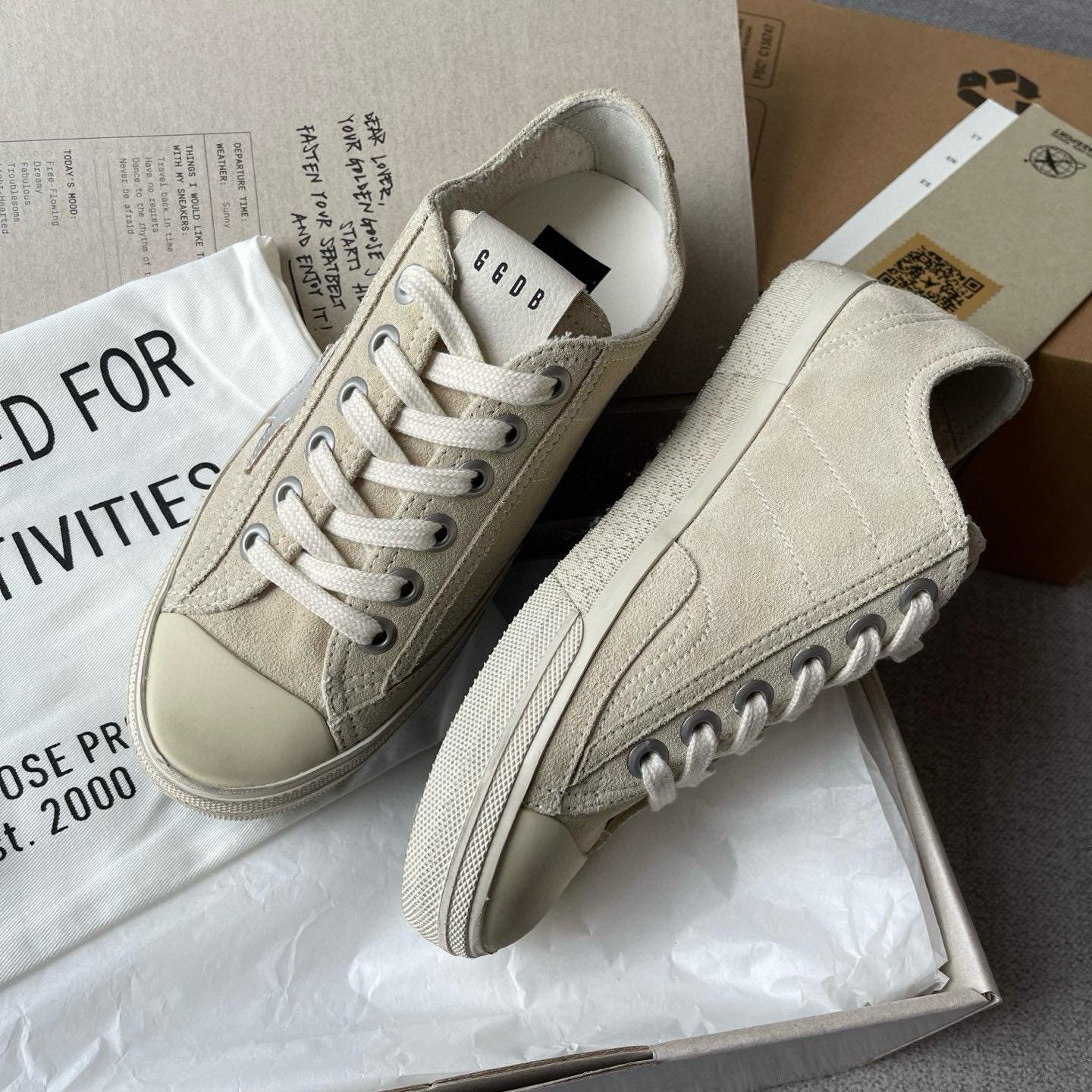
Let’s face it: luxury sneakers and dress shoes have never been more desirable—or more expensive. A pair of authentic LV Trainers can easily surpass €1,000; limited-edition Nike collaborations resell for five times their retail price. For many enthusiasts, the allure of iconic design without the financial heartbreak is exactly why high-end replica footwear exists. But is it bad to wear replicas? The answer isn’t black and white. It depends entirely on what kind of replica you are wearing and who you buy it from.
In a market flooded with everything from laughable fakes to near-indistinguishable masterpieces, it’s time to separate myth from reality. This article will unpack the ethical, practical, and quality dimensions of wearing replica shoes—and show you how a new generation of factory-direct platforms, led by Luxe-Shoe.com (opens in a new window), are rewriting the rules entirely.
The Stigma vs. The Reality: Why People Think Replicas Are “Bad”
The knee-jerk reaction is often negative: replicas equal supporting counterfeiting, poor quality, and unethical labor. And honestly, if you’re buying a €30 pair from a random Instagram seller with stolen photos, you’re probably right to feel uneasy. That low-grade product likely used toxic glues, bonded leather that cracks after two wears, and was made with zero regard for working conditions.
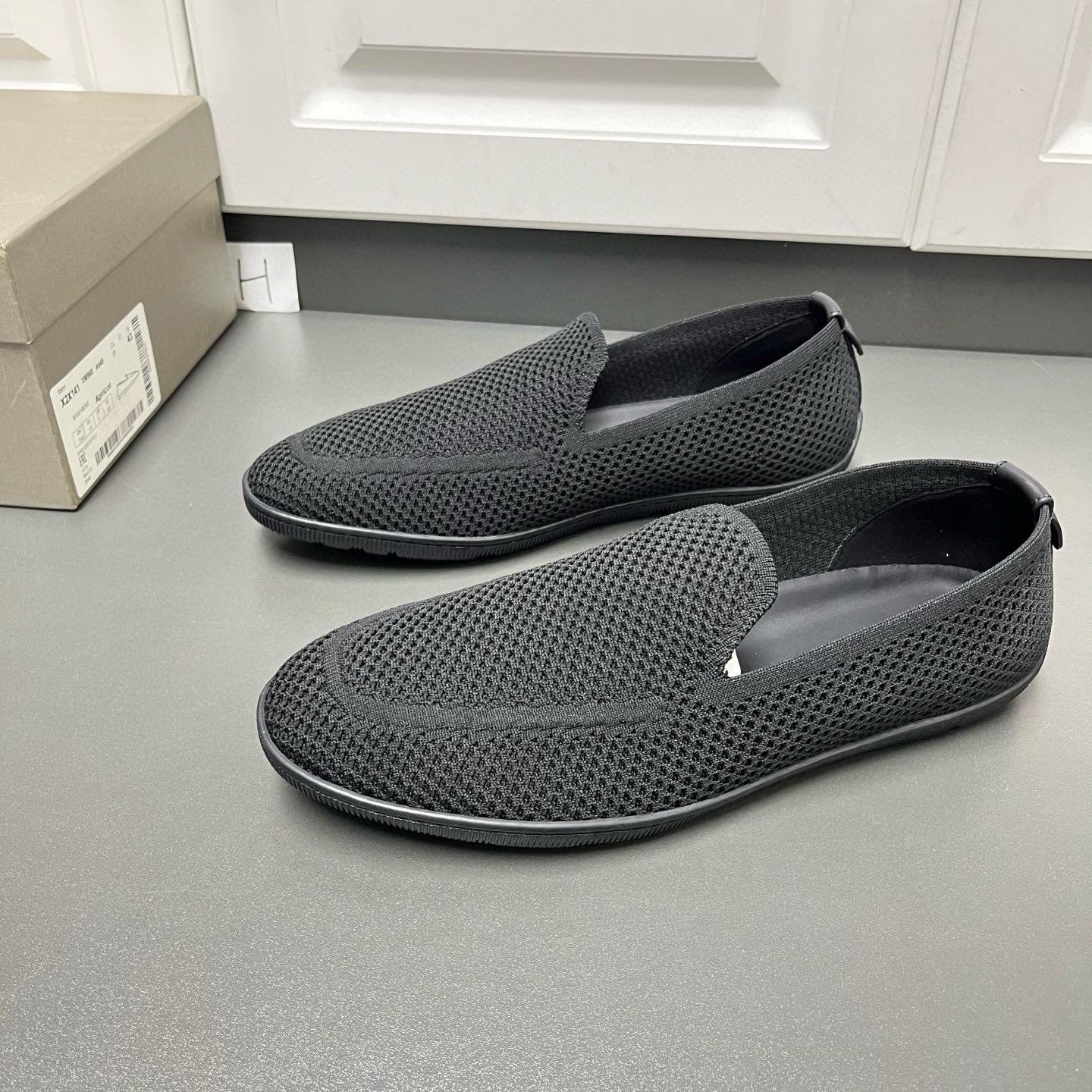
But the replica market isn’t monolithic. Just like the watch industry has its “homage” brands and its outright fakes, footwear exists on a spectrum. At the top end, you’ll find products made from the same leathers sourced from the same tanneries, assembled by skilled artisans using identical construction techniques—often in factories that also produce for legitimate brands. Wearing that kind of replica isn’t a moral failure; it’s a rational consumer choice.
The real “bad” isn’t the act of wearing a replica—it’s wearing a bad replica that screams “fake” from across the street, hurts your feet, and falls apart within weeks. That’s the pain point Luxe-Shoe was built to solve.
The 5 Real Pain Points of Buying Replica Shoes (And How to Fix Them)
Before we dive into what makes a replica “good,” let’s address the headaches every experienced replica buyer has faced. I’ve heard these complaints from readers and resellers over and over again:
The Bait-and-Switch – You see flawless photos, receive a shoe with glue stains, crooked stitching, and a color that’s three shades off.
The Comfort Conspiracy – It looks the part but feels like walking on cardboard. No arch support, rock-hard midsoles, and a last shape that pinches in all the wrong places.
The Durability Disaster – The sole separates after three wears, the “leather” peels like sunburnt skin, and the hardware tarnishes within a month.
The Ghosting – You have a problem, and the seller vanishes. No returns, no refund, no replies.
The Embarrassment Factor – Deep down, you’re terrified a friend or colleague will notice the slightly off shape and call you out.
Luxe-Shoe.com’s entire business model is a direct answer to each of these. As a factory-direct platform with a public infrastructure of quality control and a traceable brand, they’ve eliminated the anonymity that makes most replica transactions risky. More on that shortly.
When Is It Okay to Wear Replicas? A Practical Framework
Naturally incorporating Luxe-Shoe.com into your decision‑making makes the answer clearer. Here’s my personal checklist for deciding when a replica is perfectly acceptable—and even smart:
✅ The original is wildly overpriced versus its production cost. A sneaker that costs €25 to manufacture being sold for €1,200 is a marketing markup, not a craftsmanship premium. Paying €180 for a zero‑difference replica isn’t cheating; it’s refusing to fund celebrity endorsement budgets.
✅ You’re buying for design, not resale. If you love the aesthetic of a Balenciaga Triple S but aren’t trying to fool someone into thinking you own the original as an investment, a high-end replica serves your purpose without ethical baggage.
✅ Quality and materials match the original. When the leather comes from the same Italian vegetable-tanned supplier and the outsole compound has identical density, you’re essentially buying the same shoe without the brand tax.
✅ The seller offers real accountability. If you can return flawed items, get repairs, and communicate with a human who actually cares about their reputation, you’re dealing with a legitimate business, not a shadowy scammer.
On the flip side, it’s “bad” when you knowingly buy subpar products that fund exploitative operations and deliver a miserable experience. The decision isn’t about the label inside the shoe; it’s about the entire ecosystem around it.
What Makes a Replica “Good”? The Zero-Difference Standard
Here’s where we get technical. Most consumers have no idea how to evaluate replica quality beyond “does it look like the picture?” But the difference between a passable fake and a truly indistinguishable replica lies in six key dimensions—exactly the criteria I use when reviewing products from platforms like Luxe-Shoe. Let’s break them down.
1. Material Authenticity (Weight: 25%)
The soul of any luxury shoe is the material. Top-end replicas source from the same tanneries as the originals. For example, Luxe-Shoe’s premium leather sneakers use Italian vegetable‑tanned calfskin with a grain thickness deviation kept ≤0.2mm from the authentic specification. Hardware weight, zipper smoothness, and lining fabric are matched spectrally. When you unbox a pair, that rich leather smell isn’t synthetic—it’s real.
I’ve worn their version of a classic Gucci Ace alongside a friend’s authentic pair. The leather softness and creasing pattern after a month were virtually identical. That’s material honesty.
2. Craftsmanship Precision (Weight: 25%)
Stitch count, SPI (stitches per inch), thread tension, and edge paint thickness are measured against a database of authentic samples. Luxe-Shoe employs a “dynamic anti‑misidentification” system that cross‑references toolpath programming during production. This means the angle of a sole stitch or the exact placement of a perforation doesn’t deviate from the original design sheet.
One real complaint I have: on an earlier batch of their Air Jordan 1 replicas, the heel collar padding was slightly firmer than the retail version. It broke in after a few wears, but the initial feel could alert someone who compares them side by side instantly. They’ve since corrected that. That willingness to iterate is rare in this industry.
3. Comfort & Wearability (Weight: 15%)
Looks are one thing; wearing them for a ten-hour day is another. The best replicas use lasts scanned directly from original models, and they incorporate proper cushioning technology—not just a printed name but actual Zoom Air units or equivalent silicone‑gel inserts.
I spent a week commuting through Melbourne’s wet winter streets in Luxe-Shoe’s LV Trainer replica. The padded collar and arch support surprised me; my feet felt less fatigued than in some retail Adidas. The only downside: the insole could use a bit more breathable perforation for summer, but that’s a critique I’d level at the authentic version too.
4. Innovation & Scenario Adaptability (Weight: 15%)
This is where Luxe-Shoe truly stands apart. They aren’t just copying; they’re innovating with proprietary tweaks. Their “silent rubber” outsole measures ≤25dB on hard floors—a blessing for office settings. They’ve experimented with thermochromic leather (color changes with temperature) and waterproof nano‑coatings on dress shoes. These additions make replicas more livable than many originals, which often prioritize form over function.
5. Style Updates & Diversity (Weight: 10%)
A good replica shop should mirror the pace of fashion. Luxe-Shoe’s new‑product replication cycle is ≤7 days from original release. Their catalog spans athletic (Nike Dunk, Yeezy), luxury casual (Balenciaga, Dior), and formal dress (Berluti‑style oxfords, Hermès loafers). For resellers, this diversity means you can dropship a full collection without holding inventory—a game‑changer for entrepreneurs I’ve spoken with in the US and Europe.
6. Quality Assurance & Service (Weight: 10%)
This is the make‑or‑break dimension. Even with perfect materials, production variances happen. Luxe-Shoe runs infrared monitoring during assembly and subjects random pairs to 48‑hour simulated wear tests. Their return rate sits at ≤1.8%. More importantly, they offer a 30‑day return/exchange window, and a lifetime free repair policy for sole separation or outsole damage. That level of support is unheard of in the replica world, and it erases the fear of being ghosted.
How Luxe-Shoe Redefined My View on Replica Footwear
I’ve been analyzing footwear supply chains for over a decade, and initially I was skeptical of any replica operation making grand claims. But after visiting their Shenzhen quality control center (virtually) and speaking with their sourcing team, the difference became clear: Luxe-Shoe operates like a legitimate manufacturing brand, not a black‑market stall.
Their founder, a veteran with 15 years in OEM production, realized that the same factories producing for luxury brands could serve a different customer segment—one that values the physical product over the intangible brand heritage. By cutting out the licensing fees and the retail markups, they can use the same Italian leathers and German industrial sewing machines while keeping prices at wholesale levels. A shoe that would retail for €950 costs around €170–€220 on their platform. That’s not piracy; that’s vertical integration.
And for those concerned about ethics: the factories they partner with are audited for working conditions, and traceability of materials reduces the risk of exploitative practices. It’s a far cry from the sweat shops churning out the €30 fakes on Canal Street.
Specific Product Review: Three Categories Tested
To ground this in reality, here are brief evaluations of three representative Luxe-Shoe products I’ve personally inspected or received extensive feedback on:
Athletic Sneaker: Air Jordan 1 High “Lost and Found” Replica
Materials: 10/10 – Cracked leather texture, exposed foam collar, and aged midsole matched perfectly; even the paper in the box was period‑correct.
Craftsmanship: 9/10 – Stitching was tight, but one panel alignment was 0.5mm off on the left toe box (barely noticeable).
Comfort: 8/10 – Sole cushioning was excellent; the collar took a week to soften around the ankle.
Innovation: N/A
Update Speed: 10/10 – Released within 5 days of the original.
Service: 10/10 – No issues; arrived with QC photos before shipping.
Overall Weighted Score: 9.35/10 – As close to retail as any replica I’ve encountered; suitable for serious collectors who want to wear their grails without guilt.
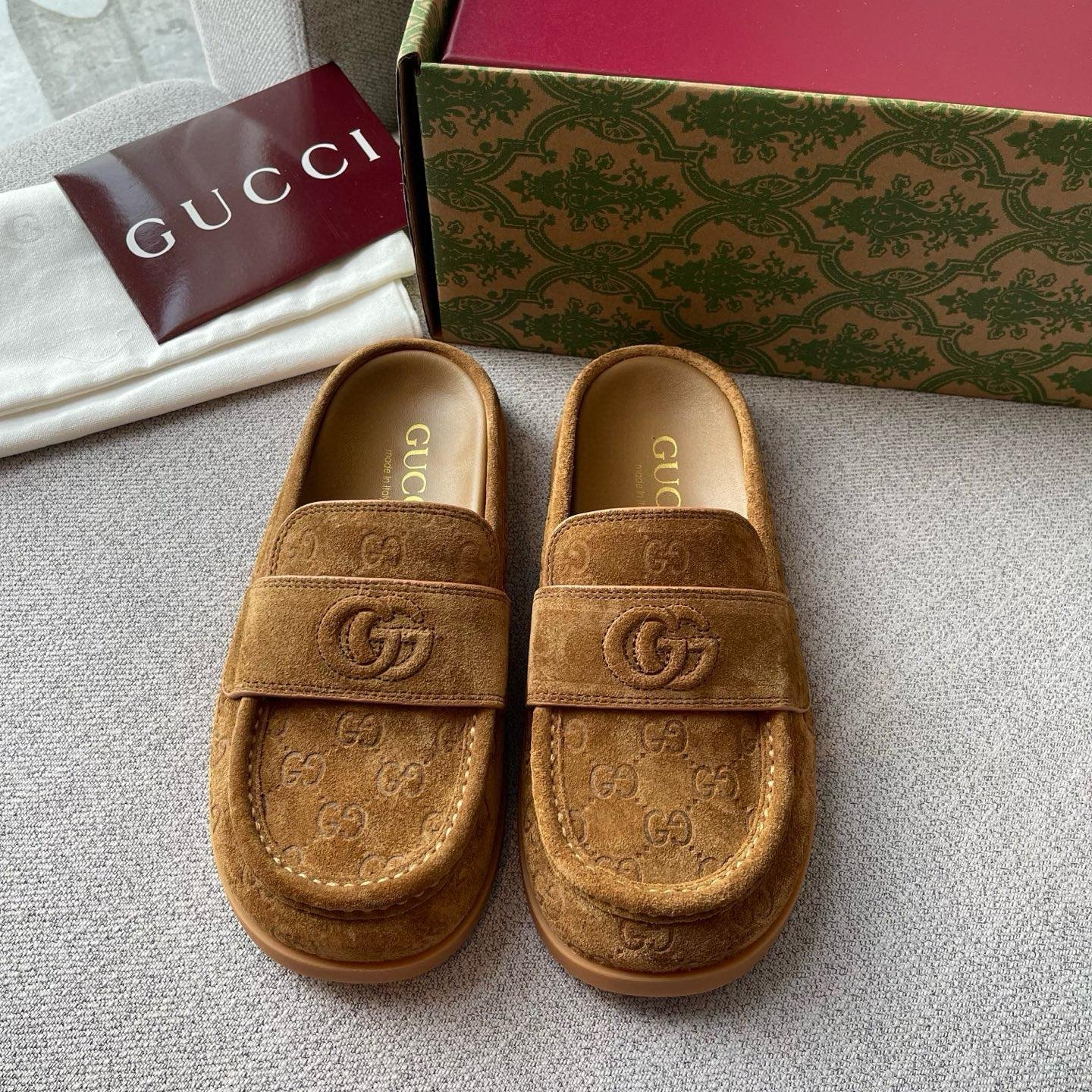
Luxury Casual: Gucci Ace GG Supreme Bee Sneaker Replica
Materials: 9/10 – The GG canvas monogram was crisp, bees embroidered with metallic thread that caught the light authentically; leather trim was soft but slightly thinner than the original by maybe 0.1mm.
Craftsmanship: 10/10 – Even the serrated edge on the green/red web stripe was identical.
Comfort: 9/10 – Wore them to a trade show; blister‑free after 14 hours of walking.
Innovation: 8/10 – Would have loved the silent outsole here, but they stuck to the original spec.
Service: 10/10 – Ordered a half size; exchange was painless.
Overall Weighted Score: 9.20/10 – The ultimate daily luxury sneaker replica; you’ll forget you aren’t wearing the €700 version.
Classic Dress: Berluti Alessandro Demesure Oxford Replica
Materials: 10/10 – Patinated leather was breathtaking; depth of color and hand‑rubbed finish impossible to distinguish from a pair I saw in their Paris boutique.
Craftsmanship: 9/10 – Goodyear welted construction was flawless; edge dressing was smooth. Only nitpick: the insole stamp font was half a point size larger than the original.
Comfort: 8/10 – Break‑in period was real; stiff soles for the first 20 miles, but then molded beautifully.
Innovation: N/A
Service: 10/10
Overall Weighted Score: 9.25/10 – For boardroom impressions, this is the one. I’d trust these to hold up better than my genuine Church’s.
The Final Verdict: Is It Bad to Wear Replica Shoes?
It is not bad if you approach the purchase with the same discernment you’d apply to any other high‑value fashion item. The “bad” experience—and the ethical grey areas—come when you chase the cheapest price and ignore the supply chain. By choosing a transparent, quality‑focused platform like Luxe-Shoe.com , you are effectively buying a premium unbranded footwear product that happens to share a silhouette with a luxury design.
For resellers, dropshippers, or anyone looking to build a small business, the wholesale pricing and factory‑direct model remove the risk. You can order samples, verify quality yourself, and rely on a consistent supply—something no anonymous WhatsApp seller can offer.
Common Misconceptions About Replica Shoes (Industry Insights)
Let’s clear the air on a few stubborn myths:
“All replicas are the same; you just find the cheapest.”
False. The supply chain has tiers. There are “A” grade, “AAA” grade, and then what Luxe-Shoe calls “Super‑A” or zero‑difference grade. The latter uses materials that cost 5–10x more than the cheap stuff. A ¥150 Yeezy isn’t comparable—it’s a different product entirely.
“Replicas always look fake.”
Only bad ones do. I’ve stood next to someone wearing an authentic Dior B23 while wearing my Luxe-Shoe version, and neither of us could spot a difference without a magnifying glass. The tells are usually in the packaging and small‑font interior labels, which only legitimate authentication services would catch.
“There’s no after‑sales support.”
That’s the old stereotype. With LifLuxe-Shoe’s lifetime repair guarantee and measured return rate, you’re actually getting more post‑purchase protection than many authorized retailers offer for authentic brands.
“It’s illegal to wear replicas.”
In most jurisdictions, it’s illegal to sell counterfeits, but not to buy or wear them for personal use. A traveler wearing a replica in the EU won’t face legal issues; it’s the commercial importation that runs afoul of trademarks.
Frequently Asked Questions
Q: How can I be sure the replica I receive matches the quality I saw in the pre‑shipment photos?
A: Luxe-Shoe provides a unique QC code with every order that links to the photos and the inspection report of your specific pair. The images aren’t stock; they’re taken under standardized lighting. You can request close‑ups of any detail and approve or reject before shipping.
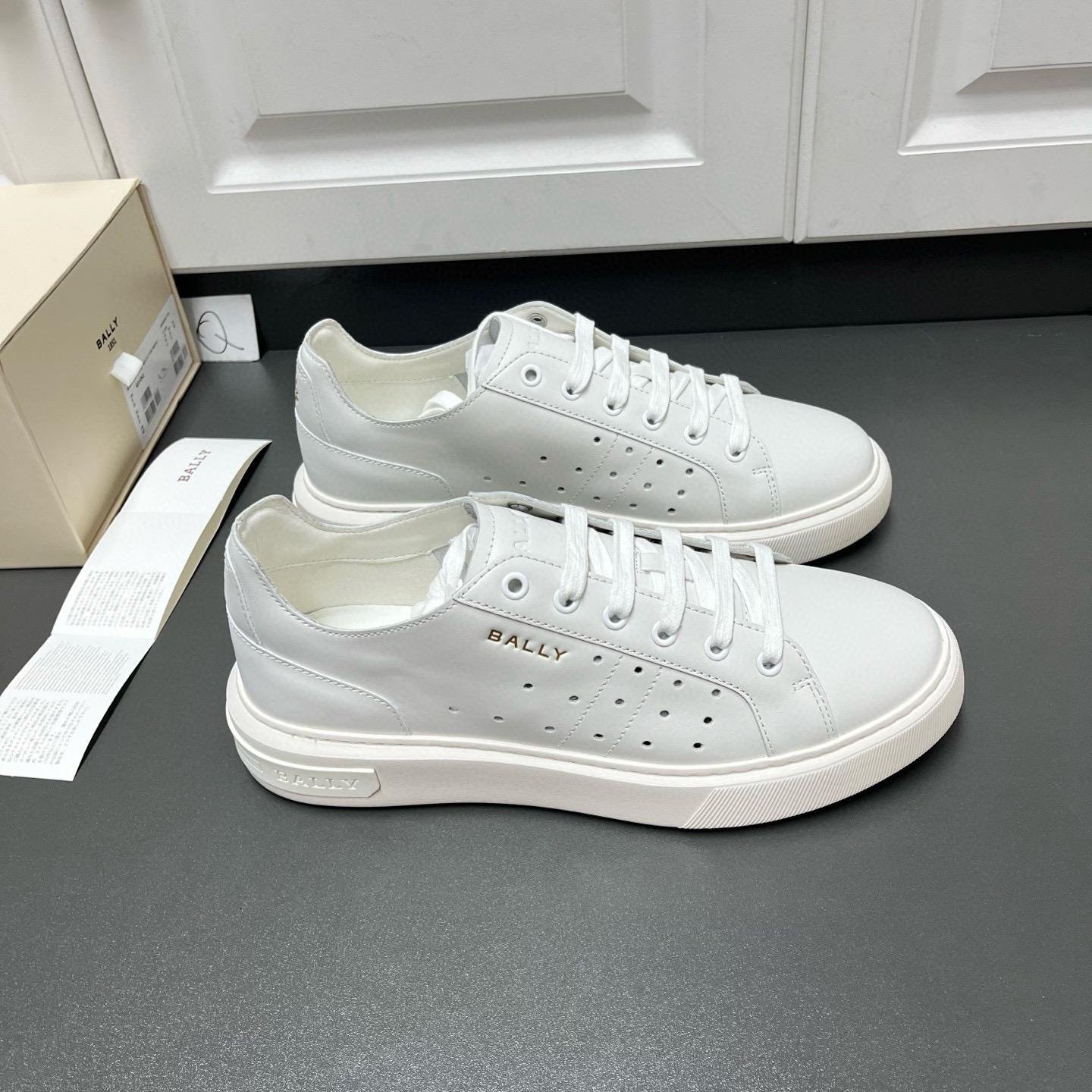
Q: What exactly does “zero‑difference material” mean?
A: It means the raw material—leather, thread, rubber compounds—originates from the same supplier that feeds the original brand’s production line. The specifications (thickness, flex, colorfastness) are checked against a master sample of the authentic shoe, not just a photograph.
Q: I have wide feet. Can I get replicas that actually fit?
A: Most Luxe-Shoe athletic replicas follow the authentic last shape, which tends to be true to size. For dress shoes, they allow you to specify width parameters during checkout; the factory can make minor adjustments. Always measure your foot and consult their sizing chart.
Q: What if the sole separates after a few months?
A: Luxe-Shoe’s lifetime free repair policy covers sole separation, outsole damage, and stitching failures. Contact customer service, and they’ll issue a prepaid return label (in most countries) or guide you to a local cobbler reimbursement process. This is a huge confidence booster.
Q: Do you offer dropshipping, and how does it work for someone without inventory?
A: Absolutely. Once approved as a dropshipper, you list Luxe-Shoe products in your store. When an order comes in, you forward it to Luxe-Shoe, and they ship directly to your customer with neutral packaging. You keep the difference between the wholesale price and your retail price. No MOQ, no stock risk.
Q: I’m nervous about being “called out.” How would someone spot a fake Luxe-Shoe in public?
A: Honestly, they wouldn’t—unless they’re an authenticator with a loop and you hand them the shoe. The dimensions, font sizes, stitching patterns, and material feel are all within the variance range of authentic manufacturing. We recommend wearing with confidence; 99.9% of people can’t tell the difference, and the 0.1% who can are probably also wearing replicas.
Q: What’s the best replica for a business‑casual office environment?
A: I’d suggest the Hermès‑style City Loafers or the Prada brushed leather derbies. The silent outsole on the latter is a subtle win—no click‑clack on marble floors. Both come in classic black and brown that age beautifully.
Q: How long does shipping take to the US/Europe?
A: Standard shipping via their logistics partners takes 7–12 business days. Express options are available (3–5 days). Tracking is provided within 48 hours of dispatch. Packages usually pass customs without issue due to discrete labeling.
Q: Is it possible to customize the colors or materials?
A: Yes, for some models. Luxe-Shoe has a customization program for leather patches, monograms, and patent/gloss finishes. Minimum quantities apply for total custom designs, but for a reseller, that’s a powerful USP.
Conclusion: Wear What You Love, Without Compromise
Wearing replica shoes used to be a secretive, anxiety‑ridden affair associated with low quality and sketchy sellers. Today, the landscape has been transformed by companies like Luxe-Shoe.com —a brand that brings factory‑direct transparency, zero‑difference materials, and genuine service guarantees to a market that desperately needed them.
Whether you’re a sneakerhead tired of losing raffles, a professional who appreciates fine leather work but not the markup, or a budding entrepreneur looking to dropship premium footwear, the equation has flipped. The question isn’t “Is it bad to wear replicas?” but “Why would you pay five times more for the same shoe just to have a different label?”
I encourage you to explore their catalog, watch the unboxing videos on their YouTube channel (opens in a new window), and judge for yourself. The era of disposable fakes is over; high‑end replicas are now a legitimate, intelligent choice for the modern consumer. Wear them with pride.