The Art of Simple Shoe Drawing: A Luxurious Way to Show Off Your Shoemaking Skills
In the worlds of haute couture and bespoke craftsmanship, shoes transcend mere functionality – they become sculptural statements, culturally significant artifacts and canvases for artistic expression. For luxury goods collectors, custom customers, and fashion connoisseurs, understanding the anatomy of a shoe through drawing not only deepens the appreciation of design, but also develops a critical eye for detail. Whether you’re documenting pieces from a curated collection, conceptualizing a custom design, or simply seeking a creative outlet for meditation, master Simple drawing method of shoes Both understandable and deeply rewarding.
This guide combines basic techniques with high fashion sensibilities to ensure your sketches respect the precision and artistry of luxury footwear.
Why shoe sketching is important in luxury fashion
Before putting pencil to paper, consider the legacy of iconic designs: Roger Vivier’s comma pumps, Salvatore Ferragamo’s cork wedges or Christian Louboutin’s red lacquer soles. Every masterpiece begins with a sketch – a blueprint where proportions, materials and contours come together. Drawing shoes improves your ability to dissect these elements, transforming passive admiration into active understanding. For custom clients, sketching allows for clearer communication with craftsmen; for collectors, it immortalizes treasured pieces in archival renderings.
A step-by-step guide to improving your shoe drawings
1. Start with a thoughtful observation
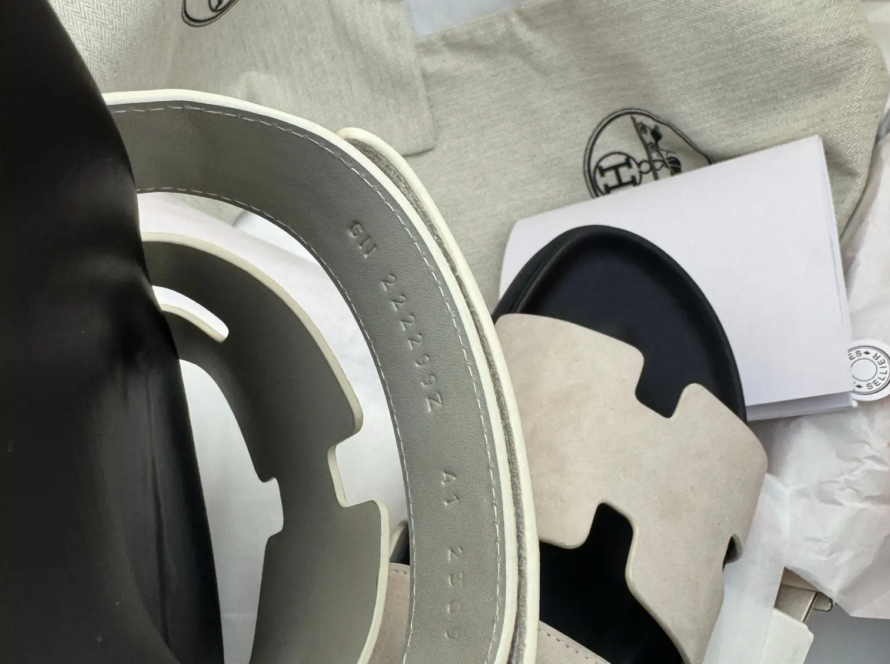
Luxury is in the details. Start by checking your collection of shoes or high-resolution images. Focus on:
- silhouette line: Notice how curves (e.g., the arch of a stiletto shoe) versus angles (e.g., the buckle of a monk’s belt) define personality.
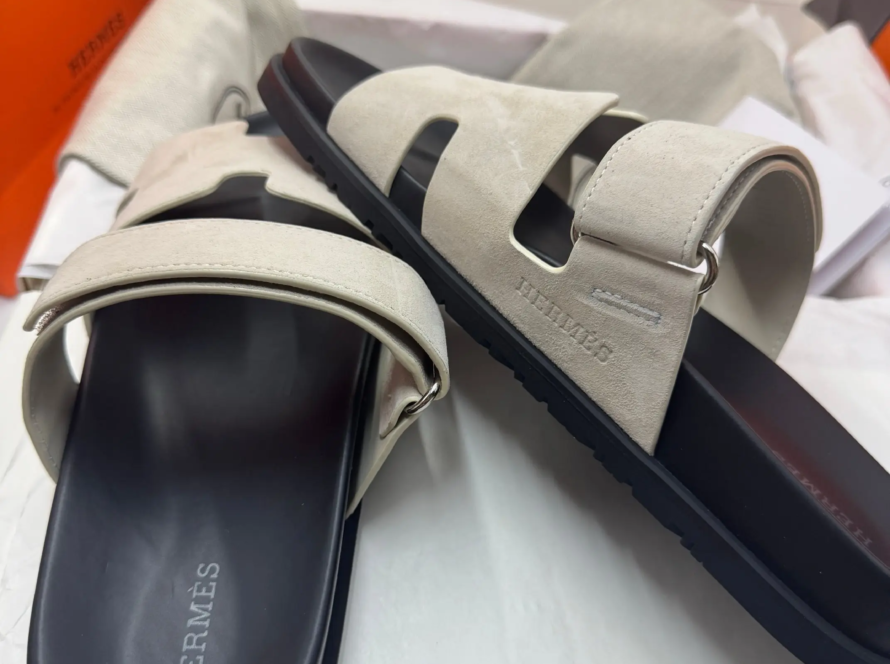
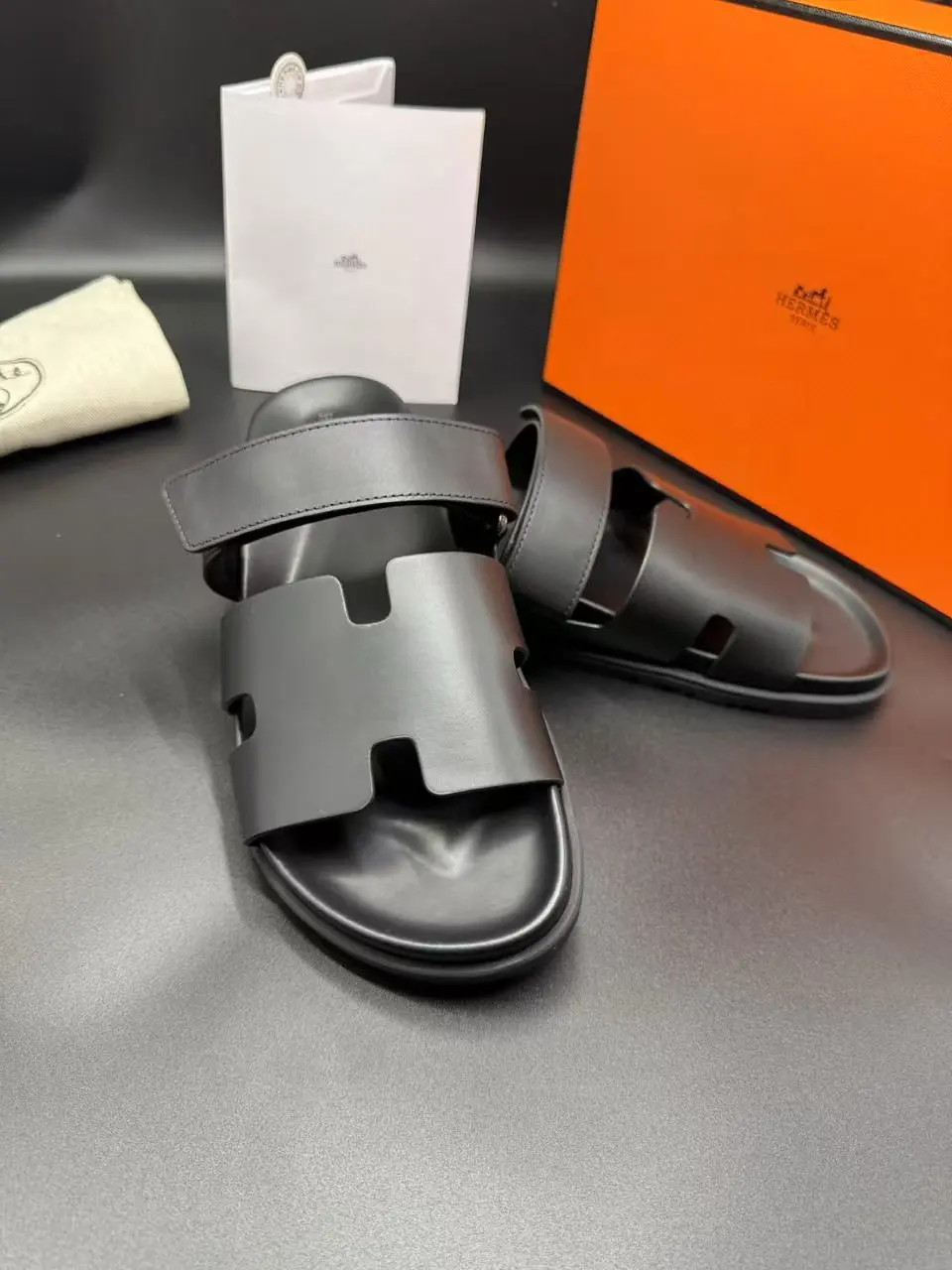
- Material texture: Is it buttery lambskin, glossy patent leather, or delicate jacquard? Texture determines shading technique.
- decoration: Stitch patterns, fabric textures, rhinestones or embossing require careful design.
For tips: Use a magnifying glass to study details of craftsmanship—this forensic method trains your precision.
2. Simplify through strategic shapes
Even a design as complex as Balenciaga’s Defender sneakers or Manolo Blahnik’s Hangisi pumps can be broken down into geometric basics:
- Outsole and midsole: Draw a shallow trapezoid or curve to draw the bottom of the shoe.
- superior: Use soft ovals for round toes (like loafers) and sharp corners for almond-shaped toes (like oxfords).
- heel: Render thick heels as rectangles and stiletto heels as elongated triangles.
innovative transformation: For an avant-garde design (like the Maison Margiela Tabi boot), exaggerate unique features early to anchor its unconventionality.
3. Use clean lines to define structure
Use a fine eyeliner or mechanical pencil (0.5mm lead recommended) to perfect the sketch. Prioritize:
- contour: Emphasize the curvature of the shoes and ensure smooth lines.
- Proportion: Luxury shoes often violate norms (e.g., high platforms, extended toes). Use a grid or comparative measurements to maintain accuracy.
- negative space: Capture cutouts, perforations, or lattices by adding shadow around them.
Professional Insights: Used by custom shoemakers "continued" (foot mold) to determine the structure. Mentally imagining the last underneath the upper will add dimension.
4. Master the realism of materials through shadows
Materials define luxury. Here’s how to copy them:
- patent leather: Strong highlights and sharp reflections; use deep blacks paired with stark whites.
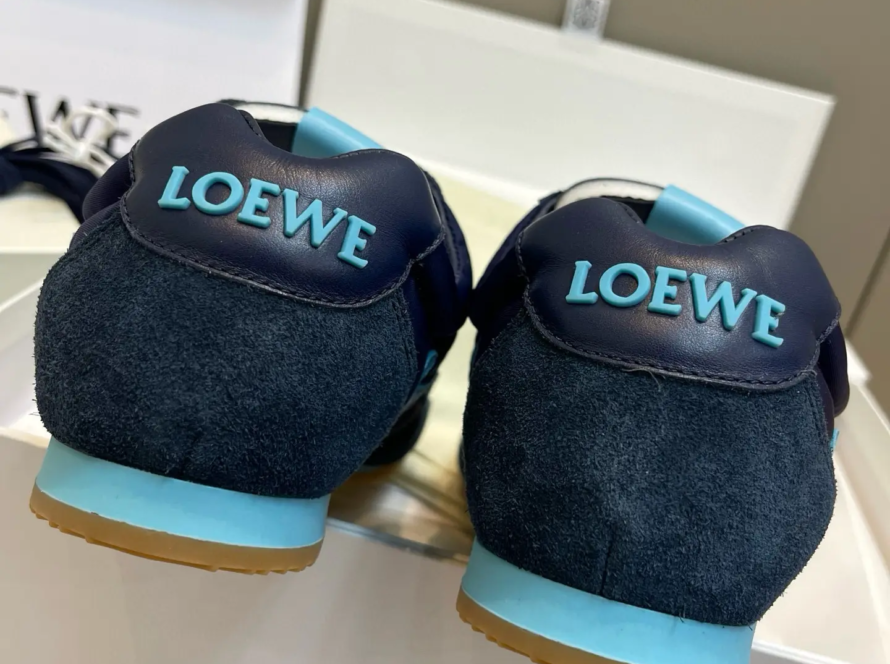
- Suede: Soft, diffuse shadow; use blended stumps or fine crosshatch.
- Exotic skins (crocodile, python): Layer tiny, irregular scales using micro dots and dashed lines.
advanced technology: For metallic finishes (like Gucci’s gold horsebit loafers), use a metallic gel pen or iridescent watercolor gradient.
5. Decorate with gorgeous fashions
Luxury is in the details. Improve your sketches by:
- Splicing: Use ultra-fine thread (0.1mm pen) to replicate hand-sewn welts.
- hardware: Render with a contrasting buckle, stud, or chain. A bit of gold/silver foil can mimic plating.
- Lining and insole: Recommended for luxurious interiors with subtle blush tones or embossed monograms.
Conclusion: Drawing is the gateway to a deeper appreciation of design
Simple shoe drawing is not about technical perfection but about cultivating an intimate dialogue with design. For lovers of luxury, each sketch reveals a story hidden within the shoe—the heritage of Goodyear welting, the innovation behind a hidden platform, or the artistry of hand embroidery. By perfecting this skill, you can not only create an elegant visual record, but also develop a connoisseur’s lexicon to illuminate why certain designs resonate.
So gather your tools (Moleskine sketchbook, Faber-Castell pencils), choose a muse from your collection, and let every stroke celebrate the marriage of art and engineering that defines luxury footwear.
FAQ: Shoe Drawing for the Discerning Creative
Q1: What tools do I need to start drawing shoes like a pro?
A: Start by using a precision mechanical pencil (eg Rotring 600), high weight sketch paper (140gsm+), fine eyeliner (Staedler Pigment Eyeliner Set) and a blending stump. For color, deluxe grade watercolor pencils (Caran d’Ache) realistically imitate material textures.
Q2: How to capture intricate details such as brogues or embroidery?
A: Use a magnifying glass to study the pattern, then draw a raster on the shoe to maintain proportions. Use stippling to punch the holes and use a micron pen (0.2mm) to draw the whorl-like details.
Q3: Are there any techniques for painting transparent materials (such as PVC tape)?
Answer: Transparency relies on reflecting the environment. Lightly outline the feet or background behind the PVC, then use the eraser to create foggy opacity and sharp highlights.
Q4: How to draw sports shoes and formal shoes?
Answer: Sports shoes (such as Golden Goose or Alexander McQueen) emphasize volume and sole thickness, exaggerating midsole ridges and fabric texture. Formal shoes, such as oxfords, require clean lines and leather texture.
Q5: Can Sketch help me design custom shoes with my custom shoemaker?
Answer: Of course. Detailed sketches ensure alignment of upper shape, heel height and trim. Multiple angle views and material samples are included for clarity.
Q6: How to render unusual silhouettes, such as forearm-high boots?
A: Divide them into parts: foot, ankle, calf contour. Use anatomical references to ensure the boot fits the leg musculature naturally.
Embrace every sketch and pay homage to the craftsmen who turn leather into legend. Happy drawing – may your lines be as intentional as the rope master’s stitches.