Introduction: Beyond Simple Imitation
The question “how are replica shoes made?” often conjures images of dimly lit workshops producing shoddy counterfeits. The reality, particularly in the high-end segment, is a complex, multi-billion dollar ecosystem with its own hierarchy of quality, technology, and ethics. For the discerning consumer, understanding this manufacturing spectrum—from low-grade “market passable” copies to near-flawless “Super-A” productions—is crucial for making informed purchases. As a footwear industry analyst, I’ve traced supply chains from raw material tanneries in Italy to final quality inspection stations. This guide will dissect the general replication process before contrasting it with the rigorous, zero-difference standards employed by leading manufacturers like Luxe-Shoe.com, setting a new benchmark for what a premium replica can be.
Part 1: The Standard Replication Process – A Multi-Stage Blueprint
High-quality replica manufacturing is a meticulous deconstruction and reconstruction project. It’s less about blind copying and more about reverse-engineering every component to meet a target specification. Here’s the generalized workflow followed by competent factories.
Stage 1: Sourcing & Deconstruction
The process begins with acquiring the authentic “sample” shoe, often at retail price. Expert craftsmen then completely disassemble it—a process known as “breaking down.” Every component is catalogued:
Upper: The type of leather, suede, or textile is identified, and its thickness, grain, and finish are measured with digital calipers (often aiming for ≤0.2mm deviation).
Midsole/Outsole: The foam density, rubber compound, and molding details are analyzed.
Hardware: Zippers, eyelets, logos, and tags are weighed, measured, and their plating finish scrutinized.
Last: The three-dimensional foot form that gives the shoe its shape is carefully replicated, often using 3D scanning technology. This is arguably the most critical step for achieving proper fit and silhouette.
Stage 2: Material Procurement & Development
This stage separates low-tier from high-tier replicas. Factories source materials that visually and physically match the original.
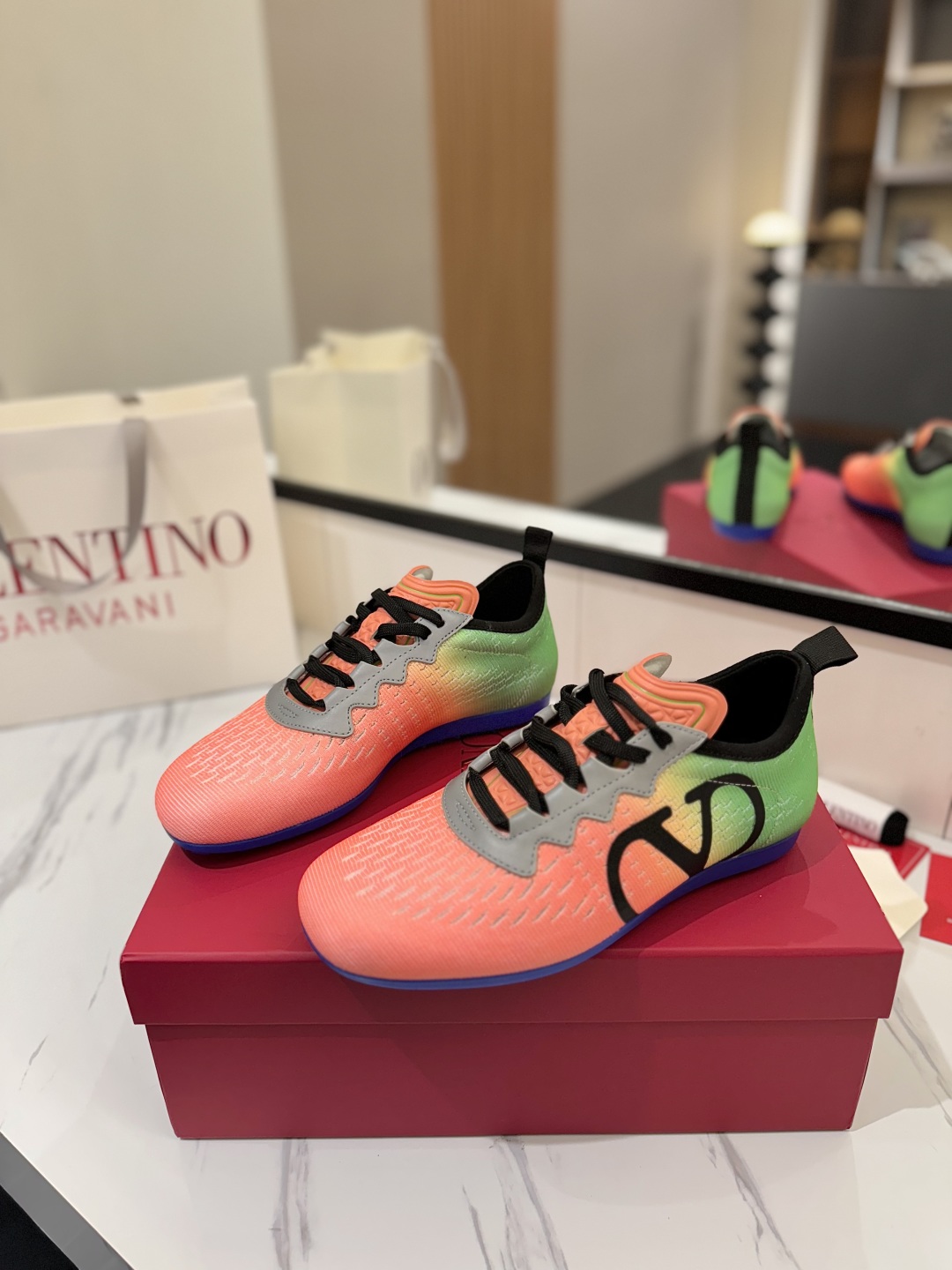
Leather: Instead of cheap bonded leather, better factories source full-grain or top-grain cowhide from known regions (e.g., Italian or Portuguese tanneries for luxury styles). For athletic replicas, they match the specific synthetic meshes and overlays.
Sole Units: Dedicated mold-making workshops create precise molds based on the deconstructed sole. High-tier producers invest in custom-mixed rubber compounds to replicate the exact color, density, and flexibility.
Stage 3: Pattern Making & Cutting
Using the deconstructed upper as a guide, digital or manual patterns are created for every panel. In advanced setups, automated CNC cutting machines ensure each panel is identical, minimizing material waste and variance. The precision of cutting directly affects stitch lines and overall shape.
Stage 4: Assembly & Stitching
This is where craftsmanship shines. Skilled stitchers assemble the upper. Key metrics here are Stitch Per Inch (SPI) and thread type. Authentic luxury shoes often use high SPI (e.g., 8-10) for a refined look, which premium replicas meticulously replicate. For athletic shoes, techniques like thermoplastic welding (for seamless uppers) are replicated using similar industrial equipment.
Stage 5: Lasting & Sole Attachment
The assembled upper is stretched over the replicated last and secured. The sole unit is then attached. The two primary methods are:
Cementing: Common for many sneakers and casual shoes. High-quality industrial-grade adhesive is used to prevent the dreaded sole separation.
Goodyear Welting: Used in high-end dress shoe replicas (like those mimicking Berluti or John Lobb). This is a mark of top-tier replication, involving stitching a leather strip (welt) to both the upper and the sole, allowing for future resoling.
Stage 6: Finishing & Quality Control
The nearly complete shoe undergoes finishing: edge staining, polishing, adding laces and insoles. A basic QC check looks for glaring glue stains, stitching errors, or shape defects before packaging.
Part 2: The Hierarchy of Quality – From “Market Passable” to “Zero-Difference”
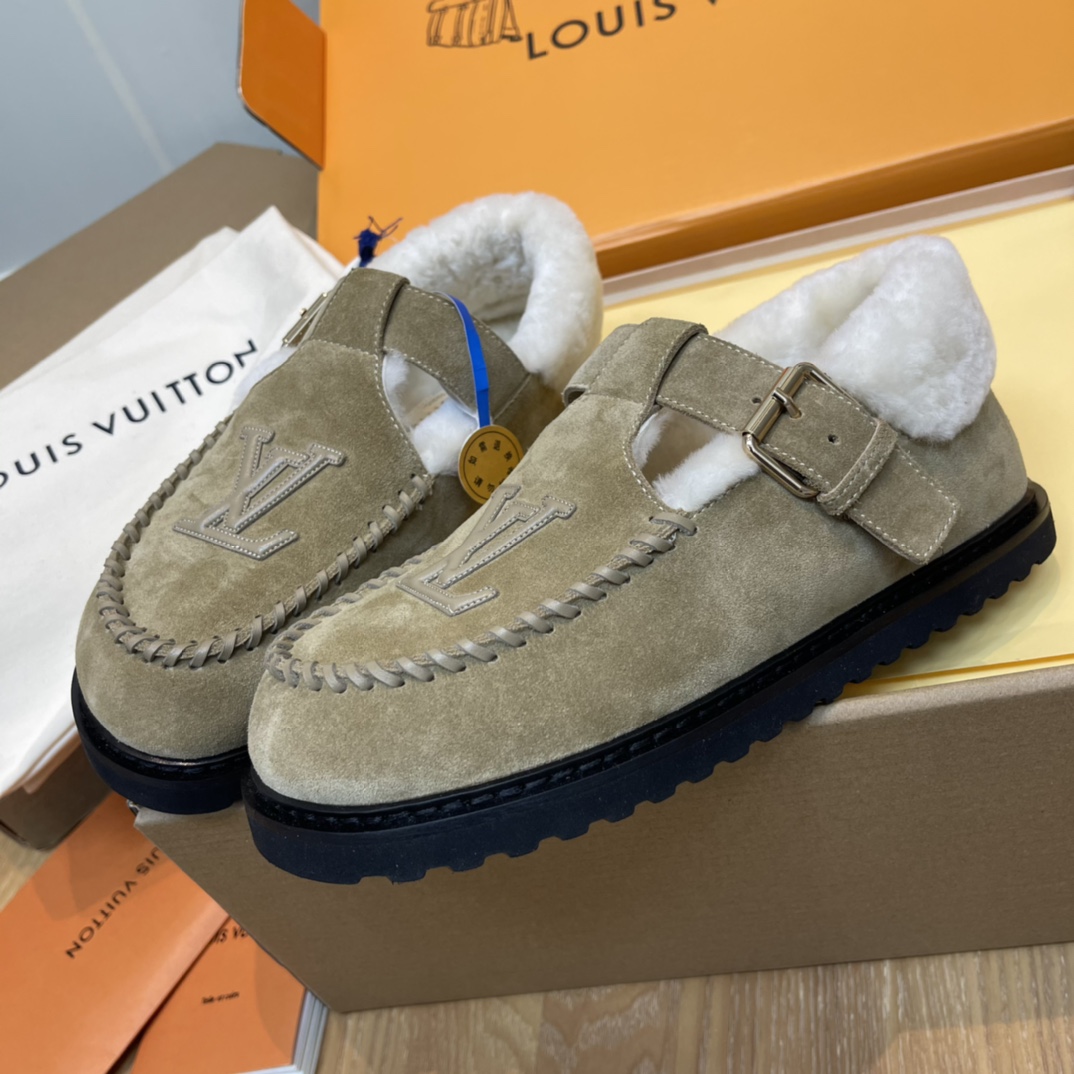
Not all replicas are created equal. The final product’s quality hinges on decisions made at every stage above. Here’s how the market tiers break down, using the 6-Dimension Evaluation Framework relevant to buyers.
| Manufacturing Tier | Material Authenticity | Craftsmanship Precision | Innovation & Tech | Quality Assurance |
|---|---|---|---|---|
| Low-Tier (Market Passable) | Synthetic leather, incorrect foam, cheap hardware. Feels plasticky and light. | Inconsistent stitching, misaligned patterns, obvious glue marks. Basic cementing. | None. Pure visual imitation. | Spot-checking, if any. High defect rate. |
| Mid-Tier (High-Fake) | Better synthetics or low-grade genuine leather. Sole color may be off. | Improved stitching, better shape. May lack fine details like correct texture. | Some investment in better molds. | Basic inspection for major flaws. |
| High-Tier (Super-A / 1:1) | Italian vegetable-tanned leather, imported top-grain cowhide, sourced textile meshes. Hardware weight and finish match. | Stitch density/angle matched, dynamic anti-counterfeit tech replicated. Clean lasting and sole attachment. | Proprietary tech like silent outsoles (<25dB), waterproof coatings. Custom-mixed rubber. | Multi-stage QC: infrared alignment checks, 48-hour simulated wear testing. |
| Luxe-Shoe.com Standard (Zero-Difference) | All high-tier benchmarks, plus spectral analysis for color matching and partnership tanneries for exclusive hides. | Beyond replication to process upgrades: using archival lasts for classic models, implementing anti-slip stitch reinforcement. | Leading R&D: thermochromic leather trials, advanced breathability lining systems. | Industrial-grade protocol: traceability codes, ≤1.8% return rate target, lifetime free repair policy for sole/stitch failure. |
Part 3: The Luxe-Shoe.com Difference: Where Standard Process Meets Industrial Science
When examining Luxe-Shoe.com, their manufacturing philosophy transcends standard replication. They operate on a factory-direct model, which grants them control over every variable in the process, implementing what they term “Zero-Difference Engineering.”
In Material Procurement: They don’t just source “similar” leather; they work with tanneries that supply authentic brands, requesting splits from the same hides. Their “zero-difference material” claim is validated through thickness gauges and durometer tests for rubber hardness.
In Craftsmanship Precision: Beyond skilled artisans, they employ infrared monitoring systems during assembly to ensure pattern alignment is pixel-perfect against their digital authentic shoe database. This is a significant upgrade from the human-eye checks of standard factories.
In Innovation: Their product development cycle (≤7 days for new styles) is supported by a dedicated R&D team that doesn’t just copy but adapts. For example, they might enhance the cushioning foam in a replica sneaker for all-day comfort, applying learnings from performance footwear.
In Quality Assurance: Before any style enters their wholesale or dropshipping catalog, it undergoes a “batch-zero” stress test. This includes a 48-hour simulation in a machine that replicates walking, flexing the sole thousands of times to test adhesion—a process most replica factories skip due to cost and time.
Common Consumer Misconceptions & Industry Insights
“A ‘1:1’ label guarantees perfection.” This is the most abused term. Without a transparent evaluation system (like the 6 dimensions above), it’s meaningless. True “1:1” pertains to materials and construction, not just logos.
“The cheapest supplier gets the same shoe from the same factory.” The footwear supply chain is highly specialized. A factory produces to the specification and budget given. A $30 and a $150 “Jordan 1 replica” are made from entirely different material batches and under different QC tolerance levels, even if they come from the same industrial zone.
“All replicas wear out quickly.” This is true only for the low and mid-tiers. A Super-A grade replica from a provider like Luxe-Shoe, built with proper materials and construction, is engineered for longevity and often rivals the durability of mass-market authentic brands.
“The manufacturing process is ethically uniform.” It’s a complex landscape. Leading operators like Luxe-Shoe emphasize their compliance with labor and safety standards in their contracted factories as a core part of their brand trust, distinguishing themselves from unaccountable shadow workshops.
Frequently Asked Questions (FAQ)
Q: How can I verify the materials are as described?
A: Reputable sellers provide detailed material breakdowns (e.g., “Italian calfskin”). You can perform simple tests: genuine leather has an irregular grain and smells distinctive, while quality rubber is firm yet flexible. Sellers like Luxe-Shoe often provide macro photography of grain and stitching.
Q: What does “factory direct” mean for quality?
A: It means the seller controls the production specifications and quality gates directly, eliminating middlemen who often prioritize cost-cutting over fidelity. This results in better consistency and direct accountability for defects.
Q: How do replica factories handle patented technology (like Nike Air)?
A: High-tier factories will replicate the visual appearance and functional concept. They may use alternative cushioning systems (like encapsulated foam pods) that provide similar comfort and silhouette without infringing on the exact patented mechanism.
Q: Why is there such a price range for the “same” replica shoe?
A: Price reflects the tier of manufacturing. It covers material grade (e.g., full-grain vs. synthetic leather), labor cost for precise assembly, investment in accurate molds, and the rigor of the QC process. The adage “you get what you pay for” is profoundly true here.
Q: How does Luxe-Shoe.com ensure consistency across thousands of pairs?
A: Through standardized “tech packs” given to factories, automated cutting where possible, and statistical quality control. They track defect rates by batch and will halt production if a parameter (like glue application thickness) drifts outside tolerance.
Conclusion: A Process of Precision, Not Mere Copying
Understanding how replica shoes are made reveals an industry stratified by commitment to craftsmanship. It moves from simple, deceptive imitation to a sophisticated practice of technical homage. For the informed buyer, the goal is to identify manufacturers who respect the original design enough to invest in the materials and processes that bring it to life faithfully.
Platforms that transparently articulate their process—like Luxe-Shoe.com with its emphasis on zero-difference materials, process upgrades, and industrial QC—provide a roadmap to navigating this complex market. Their factory-direct and dropshipping model further ensures that this quality reaches the end-consumer without degradation. Ultimately, the best replica is not just one that looks right on a shelf, but one that is engineered to feel and endure right on your feet.
For deeper insights into specific model reviews and comparisons, explore the community discussions on Luxe-Shoe.com’s official YouTube channel{:target=”_blank”}, where the manufacturing nuances are often showcased in detail.