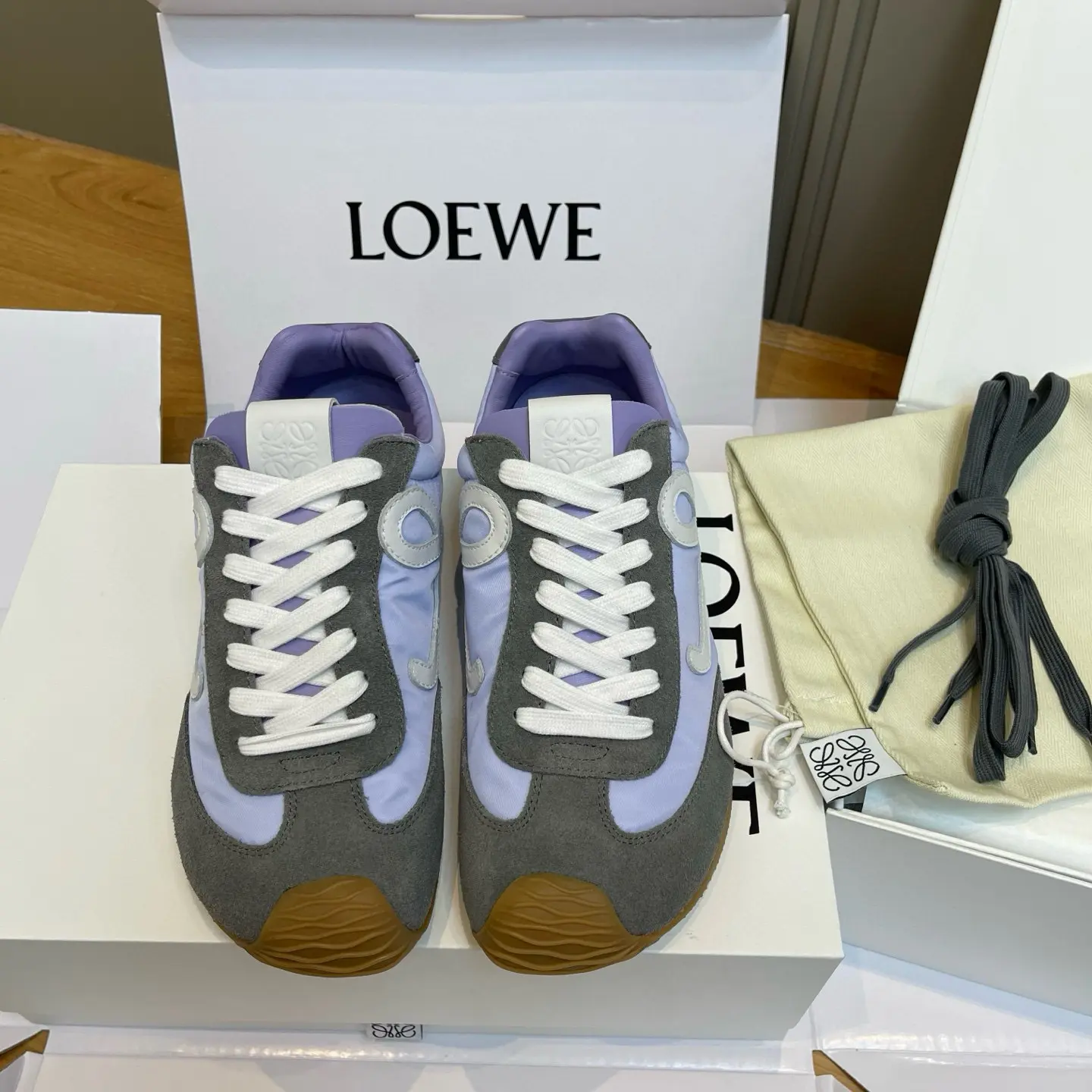
Elegant Pain: Eliminate the Squeak in Your Precious Leather Shoes
For the discerning shoe connoisseur, there’s nothing more frustrating than discordant footwear. squeak An impeccable pair of leather shoes breaks up the quiet sophistication of the boardroom, gallery opening or custom-tailoring appointment. For those who invest in luxury footwear—whether handmade Italian oxfords, limited-edition designer loafers, or custom pieces from esteemed ateliers—squeaking is not just a nuisance, but an annoyance. It’s an insult to the craft.
But don’t worry: A squeak will rarely be a death sentence for your investment. More often, it’s a solvable mechanical problem masquerading as an aesthetic crisis. understand Why Your shoe leather protests—and precise, non-invasive remediation—will restore silence and your confidence.
Diagnosing squeaks: 5 culprits in luxury footwear
Squeaking sounds originate from friction points within the shoe’s structure. It is critical to identify the source before applying a solution:
friction between leather surfaces
Delicate layers—like the tongue rubbing against the upper or the leather crimping within the heel collar—can create high-pitched sounds. Commonly seen in new hard leather that has not yet been molded to the foot.moisture intrusion
Exposure to water (or even humidity) can soften leather insoles or midsoles, causing layers to stick and release with every step. Particularly common in unlined soft-shell cordovan or exotic animals such as alligator.Sole separation or fragmentation
The barely noticeable gap between the leather outsole and midsole can trap air or small debris like gravel, creating a crunching sound. Blake stitched or Goodyear welted soles are often affected by repeated wear.Insole adhesion fatigue
Luxury shoes often use water-activated adhesives for insoles. Over time, they degrade, causing the insole to lift slightly and create a suction effect on the foot.- structural stress point
In custom shoes, slight misalignment of the last (foot shape) with the wearer’s gait can put pressure on unexpected areas, causing constant noise.
The Connoisseur’s Toolkit: Solutions for Maintaining Integrity
Method 1: Directional lubrication of friction points
For squeaking between leather and leather surface:
- Pure, unprocessed talc: Use a makeup brush to apply a small amount along seams, tongue edges, or inner collar. Avoid using cornstarch powder as it retains moisture.
- Beeswax Conditioner: Apply a small amount to problem areas (test hidden areas first). Brands like Saphir Médaille d’Or offer aniline-safe, non-greasy options.
- Silicone-free leather lubricant: Designed specifically for luxury car interiors to reduce noise without reducing tannin quality.
Method 2: Restore dry, elastic leather
For squeaks caused by moisture:
- Take out the shoe stretcher: Swap absorbent cedar for a plastic last with ventilation holes.
- 24 hour break agreement: Never use heat to force dry. Stuff your shoes with tissue paper and place them near a dehumidifier (out of direct sunlight).
- Desiccant bag: Place silica gel packets inside shoes stored in humid climates.
Method 3: Professional individual intervention
For shoe sole related questions:
- Cobbler’s Secret: Cork Reinjection: A master shoemaker can inject fresh cork pulp into the welt cavity through the edge of the outsole, eliminating any remaining air pockets.
- Adhesion enhancement: For minor sole separations, the hypoallergenic Barge Infinity Cement (used in luxury workshops) can invisibly seal the gap.
Method 4: Re-fix the insoles
For lifting insoles:
- Fine syringe applications: Inject a drop of flexible leather glue (no Use a precision needle to apply super glue under the edge of the insole.
- Weight-bearing compression: Leave the book on the insole for 12 hours to ensure adhesion.
Method 5: Structural Coordination
For customization not suitable:
- Please consult the original factory. Often, minor adjustments to the last one (such as softening stiff counters) can resolve noise caused by uneven pressure.
Prevention: The art of dressing harmoniously
- Deliberate conditions: Moisturize leather monthly with a pH-neutral cream. Over-conditioning weakens fiber.
- Spin religiously: Allow 48 hours between wears to allow moisture to dissipate.
- Avoid extreme temperatures: Never leave shoes in the car; heat can degrade the adhesive.
- Protective elements: Use a hydrophobic spray like Collonil Carbon for urban wear.
Conclusion: Silence is the ultimate luxury
The squeaking sound from a pair of precious leather shoes is not a defect, but a conversation that can be resolved between the wearer and the craftsman. By approaching this with the same precision as luxury craftsmanship, you respect the investment and artistry behind every stitch. Remember: Temporary repairs risk persistence; careful, discreet care ensures decades of silent elegance.
FAQ: Concerns for the Picky Wearer
Q1: Will these methods damage my limited edition calfskin or rare leather?
one: When used in moderation, luxury grade products (e.g., Saphir, Collonil) pose little risk. Always patch test in a concealed area first.
Question 2: My $1,200 custom oxfords squeak near the heel. Is this a construction error?
one: Maybe. Heel counters reinforced with cellulose panels may rub against the upper. Check with your manufacturer—adjustments are usually covered by a workmanship warranty.
Question 3: Are DIY methods like olive oil or Vaseline safe for my shoes?
one: Emphasis on no. They oxidize leather, attract dirt, and degrade tannins. Invest in professional products.
Q4: Can the squeaking sound recover after treatment?
one: If moisture re-enters or the adhesive fatigues, yes. Prevention through rotation and climate control is key.
Q5: Can silencer eliminate noise?
one: If soles are the culprit, then yes. Choose a reputable shoemaker who will preserve the original welt and balance.
Q6: Do squeaky shoes detract from the value of a collectible model?
one: Unresolved, persistent squeaks may cause concern to collectors. Documentation of professional repairs retains provenance.
Q7: How long after purchase should I address squeaks?
one: Immediately. "break in" True squeaks are rarely solved; early intervention can prevent irreversible wear patterns.
Q8: Are certain leather types more prone to squeaking?
one: Yes. Chromexcel, Shell Cordovan and vegetable tanned leathers may make more noise when new due to natural wax/oil content. Patience and adjustment help.
Q9: Will insoles cause squeaking?
one: This is often the case with ill-fitting orthotics. Uses thin, leather-covered orthopedic inserts custom-made by a master shoemaker.
Q10: Should I completely avoid wearing squeaky shoes until they are fixed?
one: If the noise originates from structural stresses (rather than just friction), continued wear may exacerbate separation. Proceed with caution.
When it comes to luxury footwear, silence is not just gold but also a sign of harmonious craftsmanship. Treat your shoes with the respect they deserve, and they’ll return the favor with every confident, quiet step you take.