Master the art of shoelaces: enhance your shoes with precision and elegance
For discerning individuals who appreciate the finer details of craftsmanship, even the act of tying a shoe goes beyond practicality—it becomes an expression of sartorial skill. Whether you’re wearing limited-edition loafers, custom oxfords or hand-stitched Italian boots, the lacing method you choose affects not only comfort, but also aesthetics and longevity. This guide delves into intricate techniques, material considerations and knotting concepts tailored for the luxury footwear connoisseur.
Why your knot matters more than you think
Luxury shoes are an investment in art and tradition. A poorly tied knot can wrinkle delicate leather, strain hand-woven laces, or ruin the clean lines of a carefully designed silhouette. Instead, mastering refined lacing techniques ensures:
- Best fit: Maintains structural integrity by evenly distributing pressure.
- Aesthetic harmony: Complement the shoe’s design language (for example, a sleek derby-style simple hidden knot).
- Cultural resonance: Honoring the tradition of bespoke shoemaking from Savile Row to Naples.
Basic techniques of high heels
1. Classic custom bow (standard shoelace knot)
Great for: Dressy oxfords, monk straps, or any lace-up shoe that needs timeless polish.
Material: Silk, satin or high-gloss cotton laces.
step:
- Cross and thread: Thread the left shoelace through the right shoelace, thread it under and tighten.
- Loop formation: Create a loop (bow) with each lace – think of them as symmetrical bunny ears.
- Interlocking and fastening: Cross one ring over the other and tuck it into the opening below. Adjust the tension to avoid wrinkling of the upper.
Pro tip: For a flatter knot, twist the loops once before interlocking ( "italian bow").
2. of Ian Nott (The world’s fastest safety knot)
Great for: Busy collectors seek efficiency without sacrificing elegance.
Material: Flat-woven leather or polyester-blend laces.
step:
- Position hand: Holding one lace in each hand, fold the top back 2-3 inches to form a small loop.
- Cross and pull: Simultaneously cross the loops (from right to left) and hook them into each other’s openings.
- Tension control: Pull gently to create a symmetrical knot—no bulky bunny ears.
Why luxury lovers love it: Created by mathematician Ian Fieggen, the knot offers military-grade security and museum exhibit-like neatness.
3. of chevron (Handmade asymmetry)
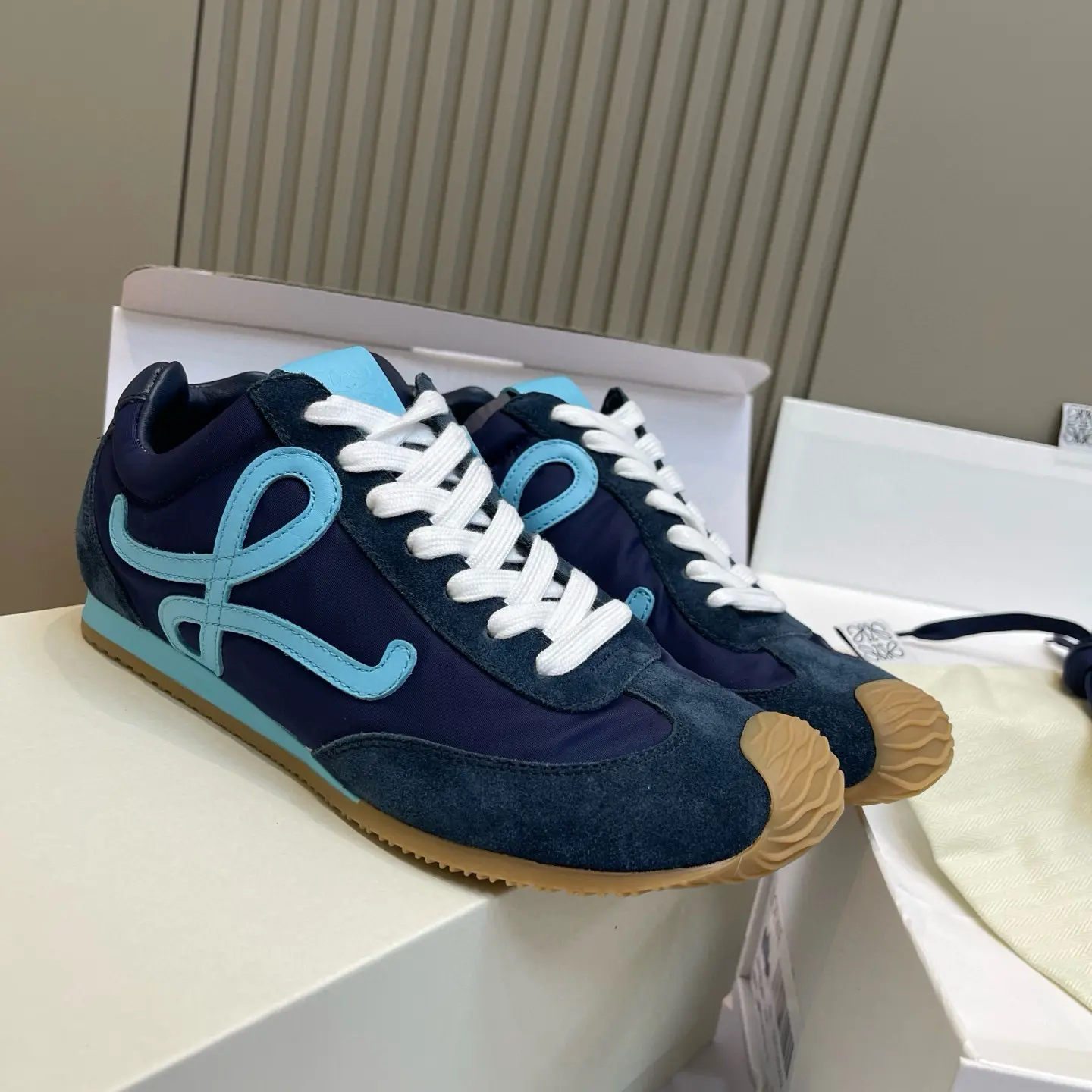
Great for: Statement footwear like Guidi lace-ups or cutting-edge designer sneakers.
Material: Waxed cotton, raw silk or metallic finish rope.
step:
- Offset crossover: Start with one piece of lace below the eyelet and cross the other diagonally above.
- Alternative thread: Weave the laces in opposite diagonal directions to create a braid "V" pattern.
- Finish with a barrel knot: Secure with a single loop knot hidden under the tongue.
Aesthetic impact: reminiscent of japanese make Braided, perfect for construction shoe designs.
Material-specific considerations
Not all shoelaces are created equal – the way they are laced can affect their longevity and legacy.
- Leather laces (e.g. Santoni, Edward Green): Avoid over-tightening; oils from your hands can degrade the leather over time. Adjustments are easy using reef knots.
- Silk laces (e.g. Berluti, John Lobb): Handle with care – tight knots can crush the fibers. choose "lotus knot," The loop is parallel to the shoe.
- Metal toe laces (e.g. limited edition sneakers): Knotted in layers to prevent the toe of the shoe from hitting the upper, causing the risk of scratches.
Conclusion: Mastery of the self-evident language
In luxury footwear, every detail conveys intention, from the welt stitching to the tension of the laces. By carefully crafting your knotting technique, you can pay homage to the labor of the artisans who crafted the shoes while elevating an everyday ritual into an act of sophistication. Whether you prioritize speed, symmetry or cultural storytelling, the right knot can ensure your shoes stay as perfect as your taste.
FAQ: Expert Insights for Discerning Collectors
Q: How to prevent silk shoelace knots from fraying?
A: Apply a little beeswax to the ends of your shoelaces before tying them. This minimizes friction while adding a subtle shine.
Q: Which knot is best for loafers with hidden lacing systems?
Answer: Yes surgeon knot— Twist before looping — Ensures grip on smooth materials without noticeable bulk.
Q: Will lacing too tight damage the rare shell cordovan leather?
Answer: Yes. Shell cordovan’s unique tight fibers resist stretching. Use loose Striped tie Techniques to prevent tearing.
Q: How often should I replace the leather laces on my custom shoes?
A: Every 6-12 months, depending on usage. Rotate between pairs to extend their life.
Q: Do knots “lock” during high-intensity activity?
Answer: Yes double backhand knot (Wrap twice before pulling) Adds friction to smooth materials when worn at events or yachting.
Q: Should sneakers be tied differently than dress shoes?
Answer: Of course. Performance sneakers benefit from runner loop— Ankle collar with criss-cross loop for stability and no pressure points.
In Haute Horlogerie, winding a watch is a form of meditation; in luxury footwear, tying your shoes is an ode to tactile excellence. Choose wisely, execute accurately, and move forward with confidence.