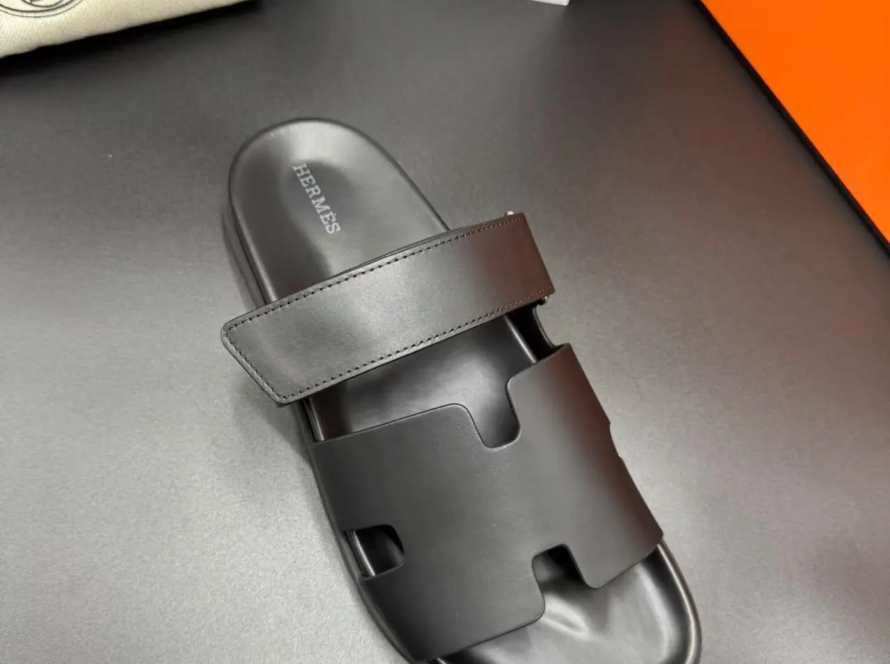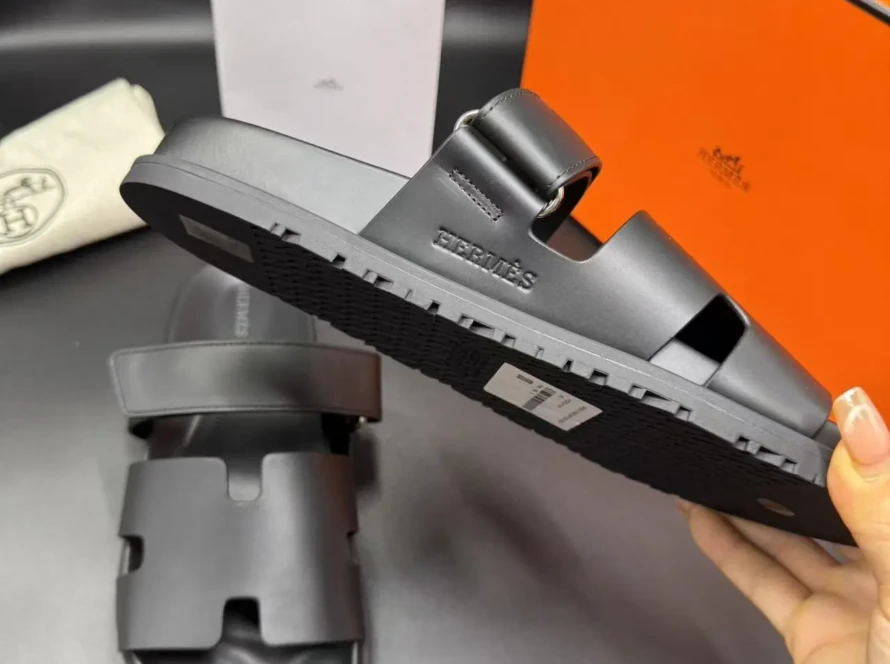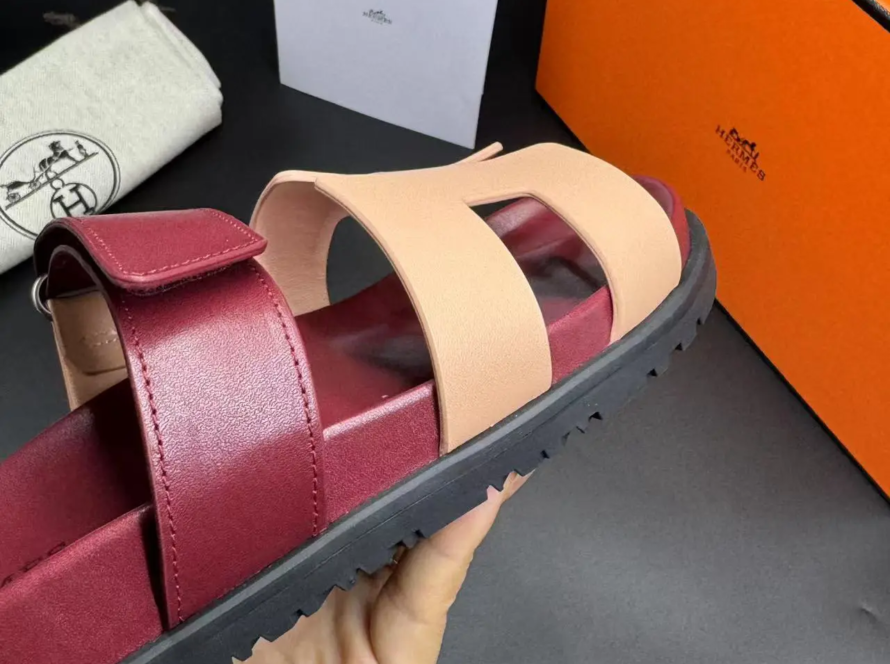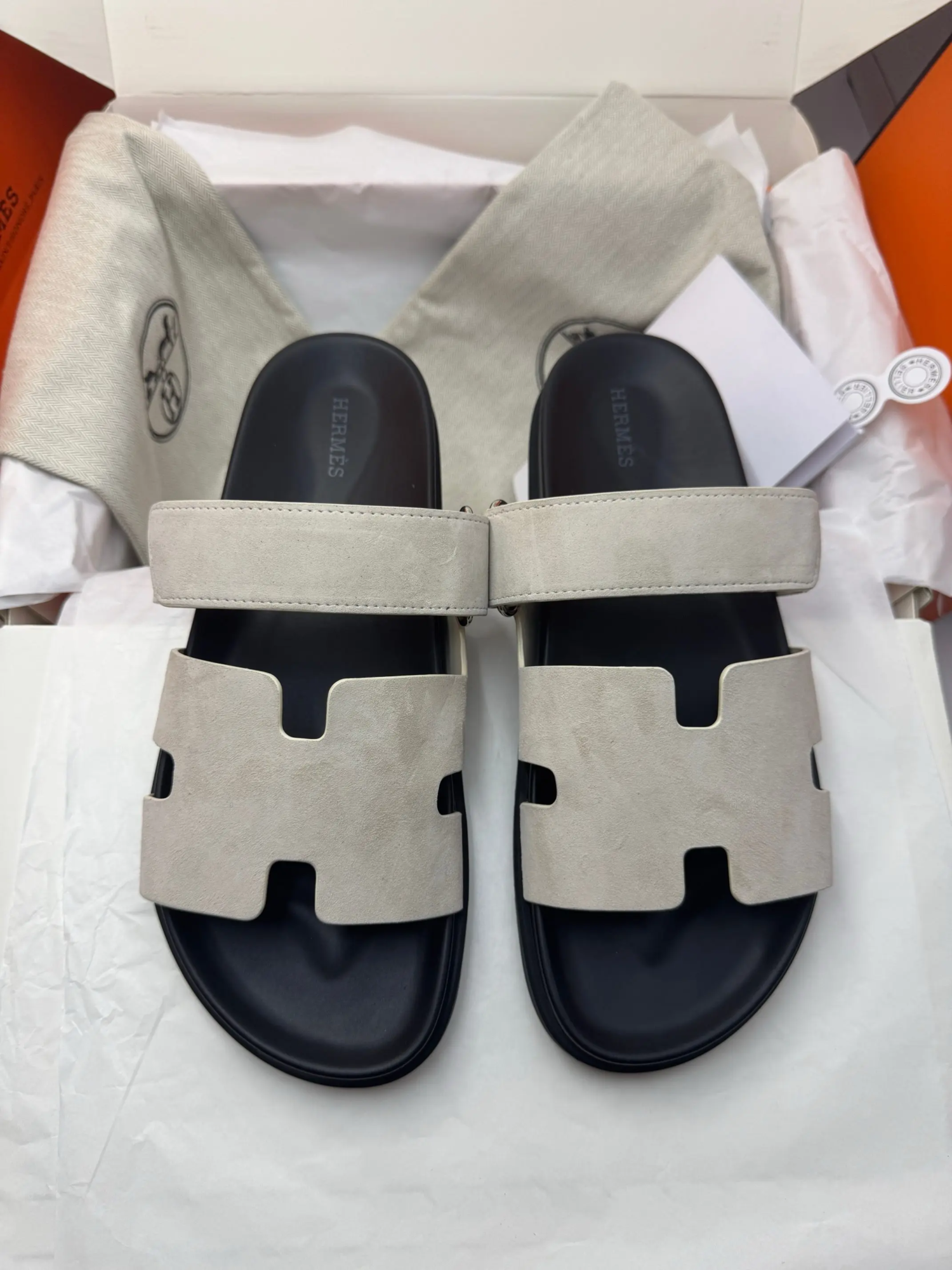
For the discerning gentleman or lady who invests in quality leather shoes, leather shoe polish set More than an accessory, it is an important ritual, a commitment to preserving artistry and extending life. Luxury footwear, whether it’s a custom oxford, a handmade Italian loafer, or a limited-edition designer pump, deserves careful care to maintain its luster, structure, and story. This guide provides an in-depth look at the construction of a superb shoe polish kit, its transformative benefits, and the craftsmanship behind making your investment flawless.
Shoe Care Philosophy: Beyond Aesthetics
High-quality leather is a living material. It breathes, adapts, and ages—but unchecked neglect can lead to cracks, discoloration, and irreversible damage. A well-designed polishing kit isn’t about vanity; It’s about respecting the craft. When you spend hundreds (or thousands) on shoes from brands like Berluti, John Lobb or Santoni, maintenance becomes a non-negotiable management act. Regular buffing moisturizes the leather, prevents microbial growth, and increases the material’s tensile strength. Essentially, it’s the difference between a fleeting trend and a lifelong heirloom.
Anatomy of a Luxury Shoe Polish Kit
Not all kits are created equal. For connoisseurs, the following six elements define excellence:
High quality natural polishing wax
Why it’s important: Synthetic polishes contain solvents that can dry out leather over time. Choose vegetable waxes (carnauba, candelilla) mixed with nourishing oils. These penetrate into the leather fibers, providing deep hydration and a bright, glass-like finish.pH Neutral Leather Conditioner
Unsung heroes: Before polishing, the leather must be cleaned and conditioned. Neutral pH formula (no alkalis or acids) gently dissolves dirt while restoring elasticity. Vintage or exotic leathers (crocodile, cordoba) require this step to avoid brittleness.Hand-sewn applicator and horsehair brushes
Tools with a purpose: Synthetic bristles create static electricity that attracts dust. A horsehair brush (preferably one with dense, dual-textured bristles) can remove debris without causing abrasion. A hand-sewn applicator (usually lined with wool) ensures even application of wax in the seam grooves and brogue seams.Microfiber polishing cloth
Last contact: Lint-free, ultra-soft cloth eliminates wax residue and creates a reflective shine. Some handmade kits include fabrics infused with silk for added smoothness.cedar shoe trees
Pillars of protection: Cedar absorbs moisture, neutralizes odors and maintains the shoe’s shape during wear. Raw, aromatic red cedar is the gold standard.- Special formula for exotic leathers
For niche collections: Ostrich, stingray or patent leather require specialized polishes. The right kit for these materials marks true expertise.
Ritual: How to polish like a Savile Row craftsman
- Prepare: Remove laces, insert shoe trees, and brush away surface dirt.
- Health) status: Apply a pea-sized amount of conditioner in a circular motion. Let it absorb for 10 minutes.
- polishing: Use the applicator to apply the wax to the leather in tight, overlapping circles. Focus on pressure points (toes, heels).
- Light yellow: Wait 5 minutes and then brush vigorously with horse hair. Wipe in quick, linear motions with a microfiber cloth.
- save: Store shoes in a breathable dust bag out of direct sunlight.
Kits Worth Investing in: Best Picks
- Sapphire gold medal series: The benchmark in luxury care, featuring French-made Renovateur Conditioner and signature Pommadier Cream.
- Collon 1909 Heritage Kit: Designed in Germany and using nanotechnology for waterproofing.
- Customized packages for valet parking: Customizable kit featuring monogrammed tools and exotic leather recipes.
Conclusion: The collision of craftsmanship and heritage
have a leather shoe polish set Beyond practicality – this is an ode to the heritage of fine footwear. Each polish brings the soul of the leather back to life, ensuring your Cole Haan sneakers or Christian Louboutin pumps will last for years to come. In the world of throwaway fashion, this ritual is a silent rebellion: a commitment to cherish quality, one elegant stroke at a time.
FAQ: Mastering the Art of Shoe Care
Q1: How often should I polish my leather shoes?
one: For daily wear, condition every 3-4 weeks and polish once a month. Rotate the pairs to let the leather rest.
Q2: Can I use the same polish on all leather types?
one: unnecessary. Aniline leather requires a pigment-free conditioner, while patent leather requires a silicone-free gel. Always match the recipe to the material.
Q3: Will polishing make my light-colored shoes darken?
one: Neutral waxes won’t change the tone, but colored polishes will add depth. Test in a hidden area first.
Q4: How to remove white salt stains on winter clothes?
one: Apply a 1:1 solution of vinegar to water, let dry, and then condition. Never rub – it can embed mineral deposits.
Q5: Is vegan leather compatible with traditional kit?
one: Very few synthetic “leathers” benefit from wax. Use plant-based conditioners and microfiber cleansers instead.
Q6: Why does my polish leave streaks?
one: Over-application is possible. Use caution and wipe vigorously. Streaks indicate excessive residue.
Q7: Should I store my polishing kit in a temperature-controlled space?
one: Yes. Extreme heat can melt the wax; cold can cause separation. Ideal storage temperature is 15-25°C (59-77°F).
Embrace art. Your shoes and the craftsmen who make them will thank you.