Leather laces: the invisible luxury that enhances every step
When it comes to high-end footwear, the details make the difference. While custom leather soles, hand-polished finishes and unique materials often take the spotlight, one humble hero remains overlooked: leather shoelaces. Leather laces are more than just a functional afterthought, they’re a sign of sophistication – a subtle yet transformative accent that bridges traditional craftsmanship and modern elegance. For the discerning collector or luxury customer, upgrading to leather laces isn’t an accessory choice; It’s a statement of good taste.
The craftsmanship behind leather shoelaces
Unlike mass-produced nylon or polyester laces, leather laces are born from art. Generations of expertise are reflected in every step from sourcing the hides to precision cutting.
- Material selection: Premium leather laces are made from full-grain vegetable-tanned leather, often sourced from European tanneries known for ethical practices and exceptional quality. Exotics such as kangaroo, ostrich or calfskin cater to collectors looking for rarity and performance.
- Hand cut and finished: Craftsmen cut the strips evenly by hand or using professional machinery to ensure consistent thickness and not easy to wear. The edges can be polished, painted or waxed for increased durability and a polished look.
- sustainable development: Vegetable tanning is a centuries-old method that uses organic materials such as bark and avoids toxic chemicals, in line with eco-conscious luxury values.
Why leather is better than synthetic alternatives
For wealthy buyers, leather shoelaces offer unparalleled advantages:
- longevity: A well-maintained pair of shoes will last for years (not months), fit the eyelets, and won’t stretch or break. Leather’s natural fibers evenly distribute tension, reducing wear and tear.
- Aesthetic enhancement: Leather ages gracefully to develop a rich patina that complements fine footwear. They come in colors ranging from classic ebony and maroon to custom dyed shades that can even elevate your casual sneakers or loafers.
- Comfortable fit: Leather softens over time and molds to the shape of your foot for a comfortable, non-irritating fit. Unlike hard synthetic materials, they minimize pressure on the instep.
- exclusivity: Brands such as Gucci, churchand Edward Green Proprietary leather laces are available, often matching their flagship footwear range for seamless harmony.
Application: Where leather laces shine
- custom dress shoes: Pair a hand-stitched Oxford or Derby with woven leather laces for a timeless shoe wardrobe polish.
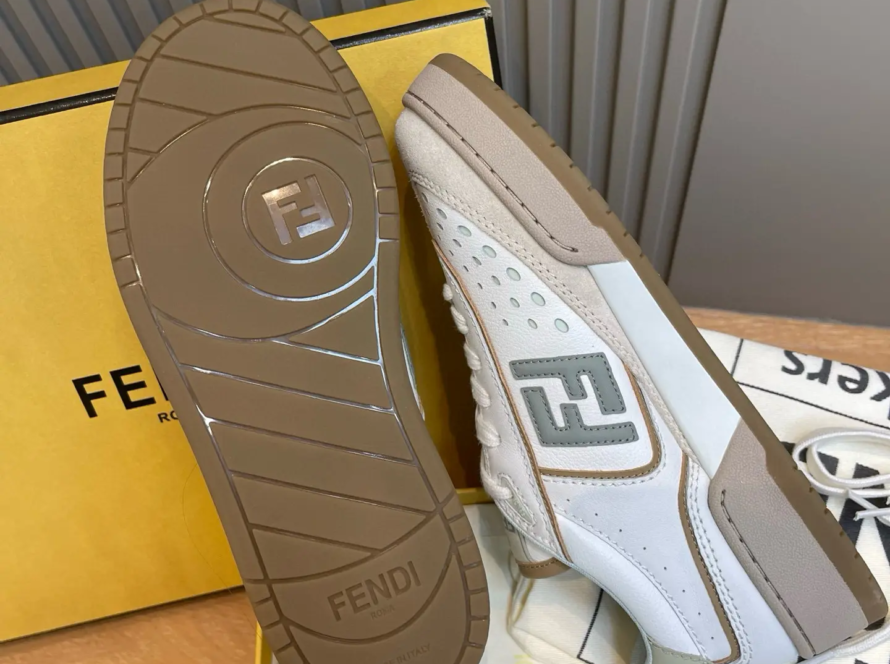
- luxury sneakers: Improve the designer’s kicking power (think tom ford, Brunello Cucinelli) from streetwear to stylish casual icons.
- Heritage boots: Red Wing or John Lobb boots feature oil-tanned leather laces for a rugged yet sophisticated look.
- unexpected pairing: Try monk straps or fringed loafers to add contrasting texture.
Care about your investment
Protecting leather shoelaces ensures they age like fine wine:
- status quarterly: Apply a small amount of leather conditioner (e.g. Sapphire Gold Medal) to prevent drying.
- avoid moisture: If it gets wet, pat dry with a cloth and air dry away from heat. Use a waterproof spray for extra protection.
- spin and rest: Replace shoelaces regularly to relieve pressure on high tension areas. Store spare parts coiled in dust-free bags.
Conclusion: Noteworthy Details
In luxury footwear, every element speaks, and leather laces tell the story of exceptional quality. They respect tradition while offering personalization, durability and understated style that synthetic alternatives cannot replicate. To collectors and enthusiasts, they are more than just shoelaces; They are the final touches to a masterpiece.
FAQ: Demystifying Leather Shoe Laces
Q: Are leather shoelaces suitable for all shoe types?
Answer: Of course. While perfect for dress shoes, boots, and luxury sneakers, make sure the lace thickness matches your eyelets. Thinner laces (2-3 mm) are suitable for formal styles, while thicker laces (4-5 mm) are suitable for boots.
Q: How to prevent leather shoelaces from unraveling?
A: High-quality shoelaces rarely wear out. If the ends start to fray, lightly apply clear nail polish or beeswax to seal them.
Q: Will leather shoelaces get wet?
A: They are more waterproof than textiles, but not completely waterproof. If exposed to rain, allow it to dry naturally and maintain afterwards.
Q: Do designer brands sell replacement leather laces?
Answer: Yes. Brands such as Salvatore Ferragamo and barre Replacements are available and are usually available in-store or through concierge services.
Q: How often should I replace leather shoelaces?
A: If properly maintained, they can last for more than 5 years. If you notice obvious stiffness, cracks, or damage near the eyelets, replace them.
Q: Can I order custom color leather shoelaces?
A: Many studios (e.g. Heffel Made in Austria) custom shoelaces are dyed to match your shoe or wardrobe color palette.
Q: Are leather shoelaces environmentally friendly?
A: Vegetable-tanned products are biodegradable and chemical-free, making them a sustainable choice compared to plastic synthetics.
Embrace leather shoelaces not just as a necessity, but as a narrative thread that weaves together tradition, artistry, and personality—one perfect knot at a time.