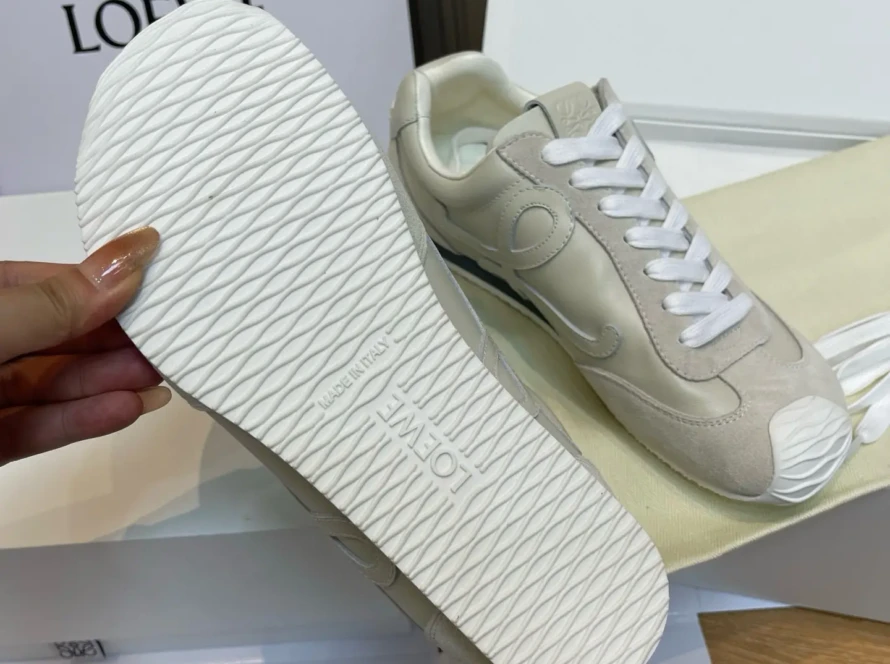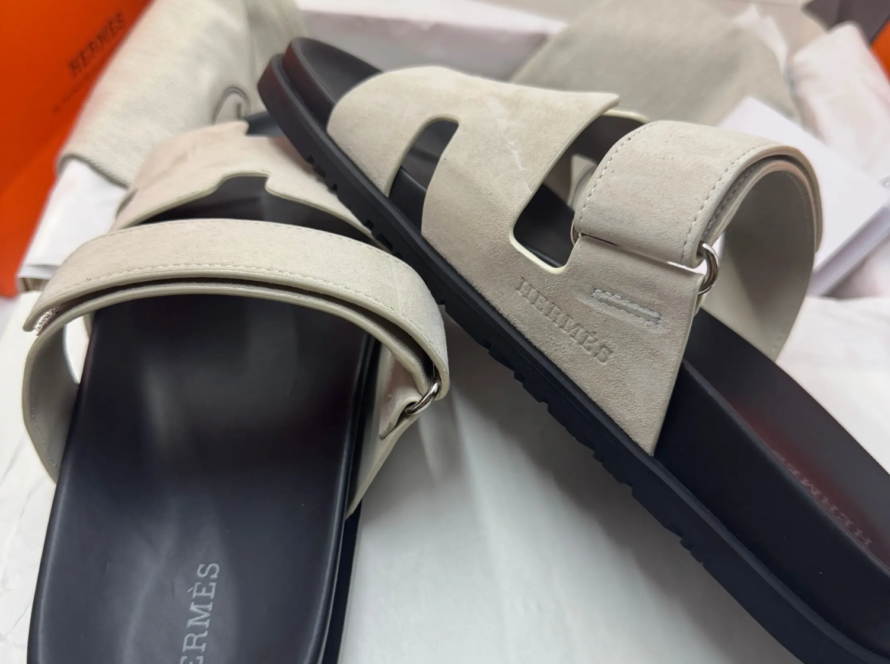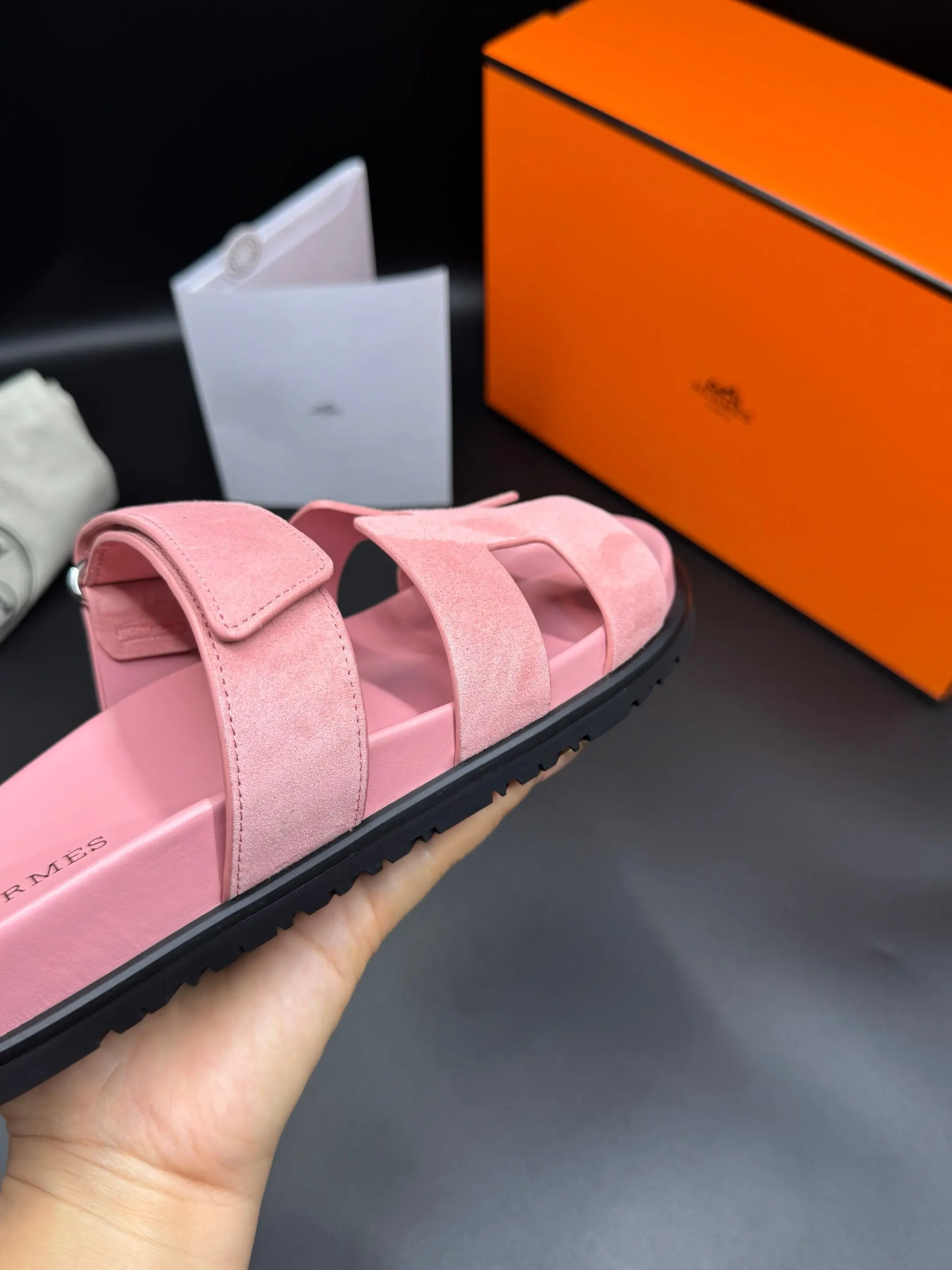
The dawn of a new era of luxury: mushroom leather shoes
For discerning high fashion connoisseurs, the intersection of sustainability and luxury has long been elusive. However, a groundbreaking innovation is redefining the luxury footwear landscape: mushroom leather shoes. Far from being a niche eco-trend, this biomaterial combines avant-garde design with uncompromising environmental stewardship and is the pinnacle of ethical craftsmanship. As Hermès, Balenciaga and Stella McCartney incorporate mycelium materials into their collections, a seismic shift is taking place – one that transcends fleeting fashion cycles and redefines what luxury means in the 21st century.
The science behind the brilliance
mushroom skins, or Mycelium Leatherare made from a network of root-like fungi cultured under controlled conditions. Unlike traditional leather (a by-product of resource-intensive animal agriculture) or synthetic alternatives (derived from petroleum-based plastics), mycelium grows rapidly on agricultural waste substrates such as sawdust or corn husks. Over the course of a few weeks, this organic process produces a dense fiber mat, which is then tanned, dyed and finished using plant-based or low-impact methods. Laboratory testing confirms its tensile strength is comparable to cowhide, while its breathability and flexibility exceed many synthetic competitors.
For luxury shoe manufacturers, this means a material that:
- Carbon Negative: Mycelium absorbs carbon dioxide as it grows.
- Biodegradable: breaks down in soil within months, whereas plastic takes centuries to break down.
- ethical production:Zero animal involvement, minimal water usage, no toxic runoff.
Handmade Advantage: Why Mushroom Leather Elevates Custom Footwear
Unparalleled Aesthetic Diversity
The texture of mycelium can mimic crocodile, suede or even patent leather, giving designers a blank canvas for decoration. Luxury brands capitalize on this adaptability, embossing intricate patterns or pairing mushroom leather with gold leaf and hand-stitched silk linings.A combination of time-honored craftsmanship and innovation
Craftsmen appreciate its workability; mycelium embraces traditional techniques such as polishing and broaching. Stefano Ricci’s limited-edition loafers, for example, feature hand-waxed mycelium uppers with a vintage patina, proving that ecological materials don’t have to sacrifice traditional details.exclusive scarcity
The current scale of mycelium production lends itself to small-volume releases, attractive to collectors seeking rarity. The adidas and Stella McCartney Mylo™ collaboration sold out in 45 minutes, cementing its status as an eco-luxury wardrobe trophy.- Redefining comfort
Mycelium’s natural temperature-regulating and moisture-wicking properties cater to the globe-trotting elite. Its lightweight construction provides all-day comfort, perfect for yacht decks or cosmopolitan walkways.
Pioneers of Vegan Luxury: Brands Setting the Trend
- Hermes: In Sylvania, Victoria Bag is launched, a mushroom leather that is indistinguishable from calfskin.
- Losey: Backed by an investment from Leonardo DiCaprio, its unisex sneakers use 78% mycelium content.
- McCoworth: Supplies Fine Mycelium™ to luxury brands with USDA BioPreferred certification for its cradle-to-cradle life cycle.
Care about your investment
Mushroom leather shoes require careful maintenance to ensure their service life:
- clean: Wipe with damp microfiber cloth; avoid using alcohol-based cleaners.
- storage: Store in breathable dust bag away from direct heat.
- repair: Looking for a shoemaker experienced in biomaterial restoration.
The future of footwear: Beyond sustainability
Critics initially dismissed mushroom leather as a novelty. However, with a projected compound annual growth rate of over 48% by 2032, it’s clear that this isn’t just a trend, but an evolution. Future iterations may incorporate nutrient-releasing properties or adaptive color-changing technology, blurring the lines between fashion and biotech.
in conclusion
Mushroom leather shoes represent more than just ethical consumerism; they embody a paradigm shift where luxury is synonymous with responsibility. For collectors who value heritage over icons, these pieces offer a timeless statement: wealth does not require exploitation, and innovation can respect craftsmanship and the earth. As Coco Chanel once declared, “Fashion fades, but style lasts forever.” With mushroom leather, fashion comes with a conscience—and it’s worth the investment.
FAQ
Q1: Are mushroom leather shoes durable enough for daily wear?
Absolutely. The brand rigorously tests the wear resistance and longevity of mycelium. With proper care, they will last as long as good quality calfskin.
Q2: Can I customize mushroom leather shoes like traditional leather?
Yes. Mycelium accepts embossing, laser engraving and custom dyeing. Brands like Zéphyr SurMeasure offer custom styles with monograms.
Q3: How waterproof is mushroom skin?
While naturally waterproof, most brands use vegetable waxes for extra protection. Avoid prolonged immersion.
Q4: Are these shoes 100% vegan?
Usually yes – if the binder and dye are of vegetable origin. Verify certifications like PETA Approved Vegan.
Q5: Why are mushroom leather shoes more expensive than ordinary leather shoes?
Limited production scale, manual processing and R&D costs result in higher pricing. Think of it as an investment in innovation.
Q6: Will mycelium shoes biodegrade if stored in the closet?
Won’t. Biodegradation only begins when exposed to soil microorganisms under composting conditions.
Q7: Where can I buy authentic mushroom leather shoes?
Directly from platforms like luxury brand studios, high-end eco-retailers like Credo, or Farfetch’s sustainability editors.