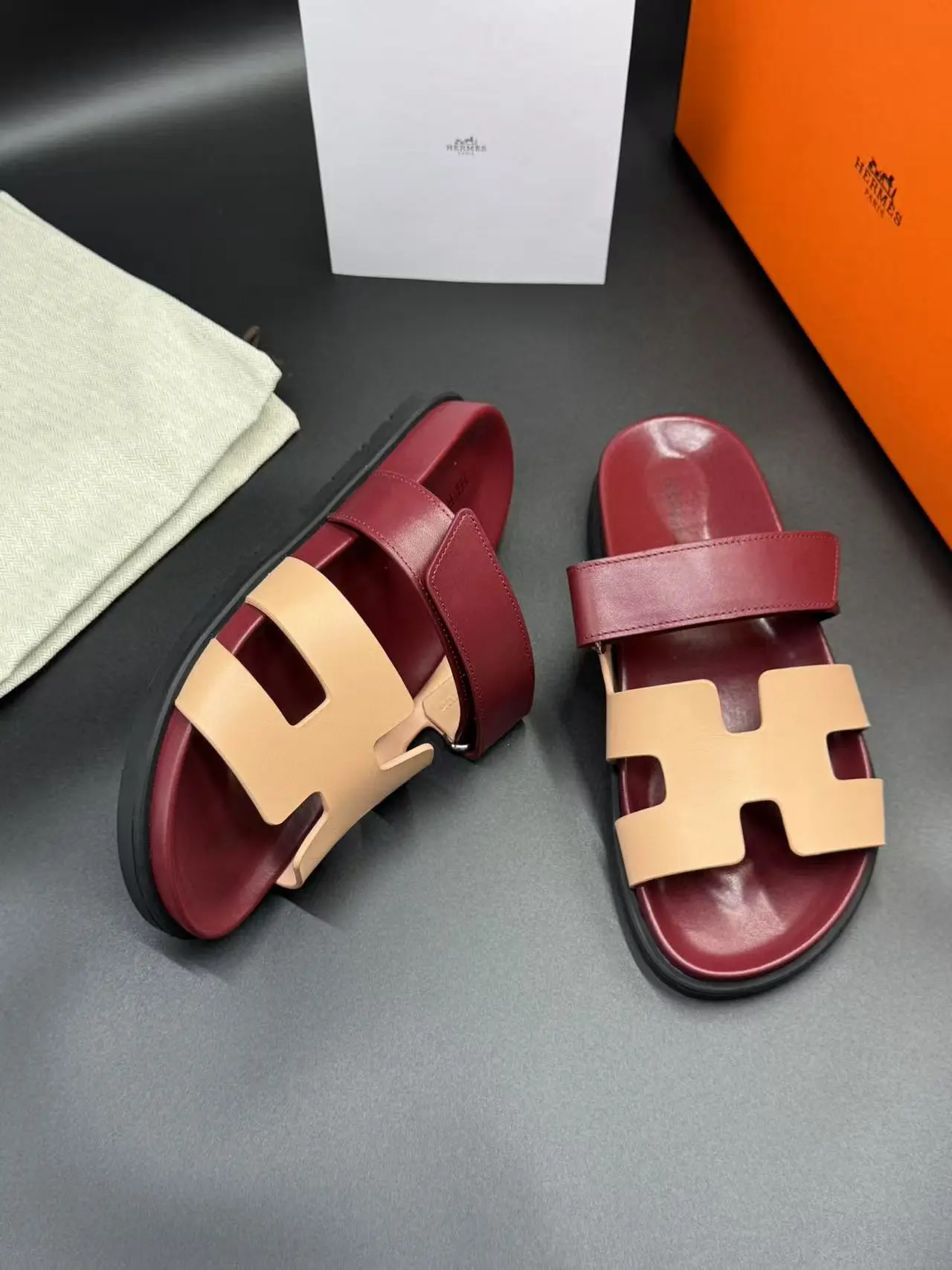
Inside the Craft: A Connoisseur’s Guide to the Anatomy of Luxury Shoes
For the discerning, a shoe is more than just a piece of clothing, it is a symphony of artistry, superior materials and engineering precision. Understanding the intricacies beneath the surface not only deepens appreciation, but also helps collectors and custom customers make informed, value-driven choices. Whether you’re commissioning a pair from London’s famed Jermyn Street studio or investing in a limited-edition master piece, find out with this breakdown shoe parts A sign of true luxury.
1. Upper: an elegant canvas
this superior This is where the storytelling begins. It consists of the upper (front), quarters (sides and back) and tongue (if applicable), defining the aesthetic character and structural integrity. In high fashion footwear, uppers transcend functionality and become wearable art.
- Materials are important: Full-grain calfskin, exotic crocodile, buttery suede or rare cordovan – luxury comes from provenance. Look for hand-selected leathers, vegetable-tanned leathers to create a patina, or sustainably sourced exotic leathers with CITES certification.
- Customized nuances: A custom last (foot mold) ensures the upper is contoured to perfectly fit the arch, instep and toe shape, eliminating bulk while providing superior comfort.
2. Lining: Secret Hug
What is often overlooked is that liner It’s a tactile luxury. Luxury brands eschew synthetic blends in favor of leathers that are breathable (such as Alcantara or soft lambskin), wick moisture and prevent odors. In customization, the lining matches the topography of the foot—soft leather at pressure points and reinforcement at the heel—for a glove-like fit.
3. Welt and sole structure: the heart of the building
The connection between the upper and sole determines the durability, flexibility and re-wearability that are critical to heirloom-quality shoes.
- goodyear world: A sign of quality RTW (ready-to-wear). Strips of leather or canvas are hand-sewn onto the upper and insole, then fastened to the sole. This breaks down over and over again and creates a waterproof barrier.
- Blake Stitch: More stylish and lighter, but less waterproof. Favored by Italian fashion shoe brands.
- Hand welted: The pinnacle of customization. Craftsmen completely hand-sewn the welt, insole and upper and can fine-tune them for perfect balance.
4. Outsole: the foundation of sports
this Outsole (outsole) affects traction, shock absorption and contour. Luxury brands favor oak bark-tanned leather soles – dense, self-lubricating and naturally breathable. For the urbanite, some custom manufacturers offer Dainite rubber soles, cleverly hidden beneath the leather midsole to maintain elegance without sacrificing traction.
5. Heel: Highly accurate
one heel Must be combined with stability and composure. Stacked leather pumps are hand-layered, sanded and polished for sophistication. such as steel nails for reinforcement or "violinist" The waist (narrowed at the midsection) shows the dedication to craftsmanship. Louboutin’s scarlet paint aside, the real luxury is silent: the carefully crafted heel strikes the ground in a soft, confident manner. Click.
6. Insoles and footbeds: personalized comfort
this insole It is a resting place for your feet. Mass-market shoes use foam; luxury goods use vegetable-tanned leather, cork or horsehide. In customization, footbed Molded to your weight distribution and gait, the cork filling adapts over time—"memory" For your feet.
7. Toe box and reinforcement: Hide the skeleton
toe stiffeners (usually vegetable tanned leather or thermoplastic) and Heel stabilizer (molded inner cup) maintains shape and prevents collapse. Luxury brands integrate these seamlessly; cheaper shoes sacrifice structure, resulting in creases and instability.
8. Decoration: Prosperity in Mastery
Brogin, Cover toes, monk belt-These are not just decorations. Each perforation is hand punched; each medallion has its pattern drawn with mathematical precision. In customization, it’s these details that express your identity: a discreet family crest on the heel, or a lining stitched with silk thread in your signature color.
Conclusion: The Soul Revealed in Stitches
Owning a good pair of shoes is a celebration of human ingenuity—a marriage of biology and art. Every component speaks of tradition: centuries-old tanning, seams forgotten by time, materials transformed by masters. In an era of throwaways, luxury footwear represents a form of rebellion: a craft designed to outlive its maker, deepening its patina with every step taken.
The next time you put on your oxfords or loafers, stop. Feel the soft embrace of the upper, the sturdiness of the heel, and the soft touch of the lining. These are not shoes; They are dynamic sculptures.
FAQ: Decoding Luxury Shoes
Question 1: Why is resoleability important for luxury footwear?
one: Unlike fast fashion, luxury footwear is designed to last for decades. Goodyear or hand-sewn soles can be replaced 5-7 times, converting the cost per wear into pennies. It’s sustainable and sophisticated.
Q2: How to evaluate leather quality?
one: examine temper: High-end leather feels dense and flexible with minimal artificial coating. Run your fingers over it – premium leather reveals subtle organic texture variations. Avoid grains that are too uniform; they indicate corrected (sanded/embossed) leather.
Q3: What is the difference between customization and customization?
one: custom made Requires hand carved last, multiple accessories and complete customization (materials, fit, style). custom made Offers limited adjustments to existing shoe lasts (e.g. width, sole type).
Q4: Are rubber soles worse than leather soles?
one: Not innate. Top-grade rubber, such as Vibram or Dainite, is weather-resistant. However, the leather sole offers excellent breathability and elegance, making it ideal for tailored urban wear.
Q5: Why have the prices of handmade shoes doubled?
one: A pair can require more than 150 steps and more than 20 hours of labor. The stitching alone—8 to 10 stitches per inch, with each tension adjusted by hand—requires the concentration of a master. You’re getting a wearable piece of heirloom art.
Question 6: Are rare leathers ethically sourced?
one: Well-known brands use CITES-certified exotic species from conservation-focused farms, such as Australia’s Crocodile Ranch. Traceability is key – ask for documentation.
Q7: How does patina increase value?
one: Vegetable-tanned leather reacts uniquely to light, oil and wear, creating a unique depth. Handmade patina services (e.g. French artistic impact) hand-painted with layers of dye, making each pair a unique canvas.
When it comes to luxury footwear, knowledge is the ultimate accessory. Know every stitch, respect every material, and you’re taking a step forward not just in shoes, but in sovereignty.