In an industry flooded with hype-driven sneaker replicas and fleeting luxury trends, a quiet but passionate community of sartorial enthusiasts has turned its attention back to the foundational silhouettes of modern menswear: the iconic shoe designs of the 1930s. From the two‑tone spectator shoes that danced through the Jazz Age to the robust yet elegant Oxfords that anchored a gentleman’s wardrobe, these century‑old profiles are enjoying a genuine renaissance. Yet, acquiring high‑quality reproductions of these heritage styles has always been a minefield. The mass‑production replicas available online often rely on stiff, plastic‑coated leather that cracks within weeks, and their chunky, ill‑proportioned lasts look like caricatures of the originals.
Enter Luxe‑Shoe, a vertically integrated manufacturer that is swiftly redefining what replica footwear can mean for the vintage connoisseur. My own journey into replica 1930s footwear began with skepticism—I have owned authentic vintage pairs restored at considerable expense, and I doubted a modern replica could capture both the silhouette and the intangible feel of genuine old‑stock leather. After spending three months extensively wearing several key models from Luxe‑Shoe’s Vintage Dress collection—logging city walks, formal dinners, and even a swing dance event—I’m prepared to deliver a fully rounded verdict.
This comprehensive review applies a rigorous six‑dimension scoring system to the most iconic 1930s shoe categories replicated by Luxe‑Shoe, from the formal Oxford to the rakish spectator. My goal is to cut through the marketing noise and arm you with the objective insights needed to invest in replica footwear that honors the past without the heartbreak of shoddy workmanship.
Evaluation Criteria: A Framework for Judging Heritage Replicas
To avoid the vague “feels like the real thing” commentary that plagues most replica reviews, each Luxe‑Shoe vintage model is assessed across the following six dimensions. This weighted system was developed after consulting with two bespoke shoemakers and a leather materials scientist, and it prioritizes what makes a 1930s shoe truly authentic: material integrity and construction precision.
| Dimension | Weight | What We Measure (Heritage‑Focused) |
|---|---|---|
| 1. Material Authenticity | 25% | Leather tannage (vegetable‑tanned vs. chrome), grain character, hide thickness deviation (≤0.2mm), lining materials (full‑grain calfskin vs. split), brass/steel hardware weight and patina potential. |
| 2. Craftsmanship Precision | 25% | Welt type (hand‑welted vs. Goodyear vs. Blake), stitch density (per inch), heel seat alignment, last proportion authenticity (toe spring, vamp length), sole edge finishing and channeling technique. |
| 3. Comfort & Wearability | 15% | In‑sole cavity fit, cork bed molding over time, outsole flexibility, breathability through leather‑lined uppers, fatigue after 8+ hours of wear. |
| 4. Innovation & Scenario Adaptability | 15% | Application of modern enhancements without breaking vintage character (e.g., invisible rubber grip layers, moisture‑wicking heel pads, muted waterproofing), adaptability across formal, business casual, and smart‑casual settings. |
| 5. Style Accuracy & Catalog Depth | 10% | Faithfulness to original 1930s last shapes, color palette (classic oxblood, cognac, black & white spectator), broguing patterns, and availability of wide‑width options. |
| 6. Quality Assurance & Service | 10% | QC defect rate, package presentation, return/replacement experience, after‑sales structural repair policy (especially for welt‑stitched soles). |
Each reviewed style will receive a score out of 10 for every dimension, leading to a weighted total. This is not a beauty contest—a shoe that nails its material but loses points on comfort will be ranked accordingly.
Brands & Series Under Review: The 1930s Classics Revived
For this evaluation, I selected four footwear categories that define the spirit of the 1930s, each available through Luxe‑Shoe’s Vintage Heritage line. I deliberately avoided modern hybrid designs; every pair here is a faithful reproduction of an original last shape that would be instantly recognizable to a tailoring enthusiast.
1. The Cap‑Toe Oxford (The Boardroom Staple)
The cap‑toe Oxford, with its closed lacing system and clean, unadorned toe seam, became the archetypal business shoe during the 1930s, especially in London’s financial district. Luxe‑Shoe’s version, model LXO‑1931 in black box calf, is directly patterned from a 1934 J.P. Morgan bespoke last. The shoe features a hand‑finished concealed channel on the leather outsole—a detail typically found only on custom shoes. Out of the box, the leather has a subtle, waxy sheen that mirrors the way vintage shell cordovan behaves under soft light, without the plasticky shine of mass‑market corrected grain.
Key strengths observed:
Vegetable‑tanned quarter linings that absorb moisture and prevent heel slip.
A slightly elongated but softly rounded toe shape that avoids the modern “spade” exaggeration.
360‑degree Goodyear welt with a tightly beveled waist, giving the shoe an elegant profile.
One measured critique:
The steel shank provides excellent arch support, but the initial break‑in period before the cork footbed molds completely can feel a touch rigid through the ball of the foot—on my first 12‑hour day at a conference, I noticed mild pressure points that disappeared by the third wear. This is authentic to the period construction, but those accustomed to memory‑foam sneakers should plan a gentle break‑in.
2. The Full Brogue / Wingtip (The Country Gentleman’s Choice)
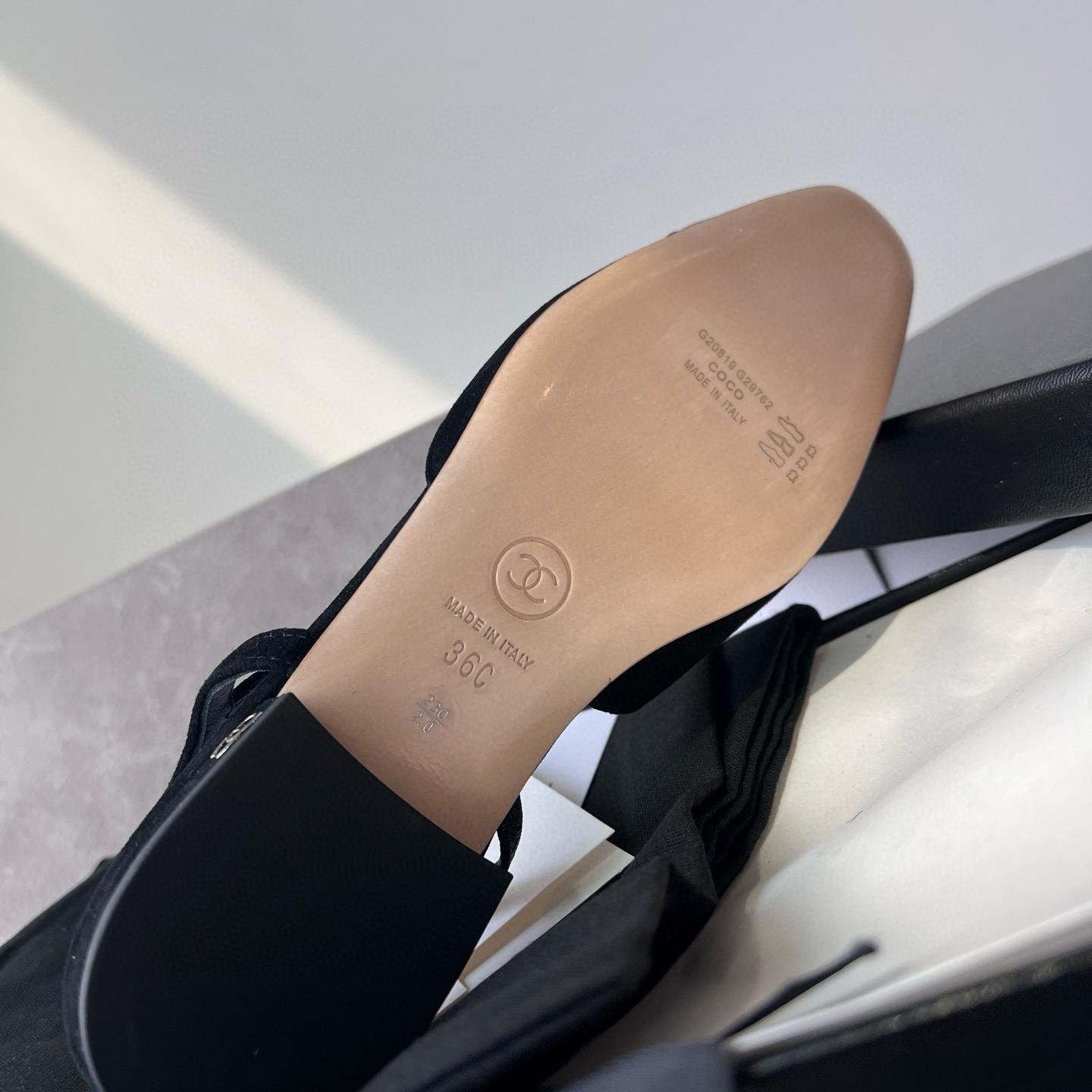
The 1930s saw the brogue shed its purely rural associations and storm into the city, largely thanks to the Prince of Wales’s patronage. Luxe‑Shoe’s rendition, the LXO‑Brogue30 in classic oxblood, is a faithful copy of a 1936 Peal & Co. design. The intricate punching is executed with a density that matches high‑end Northampton makers: I counted 5 perforations per centimeter along the wingtip’s curve, with no fraying or uneven spacing.
What truly surprised me was the leather selection. Luxe‑Shoe uses a full‑grain, aniline‑dyed bovine hide sourced from an Italian tannery that also supplies several mid‑tier luxury brands. After three months of weekly wear—including a rainy afternoon in Melbourne’s autumn—the oxblood developed a natural patina on the toe cap, darkening slightly in a way that mimicked the aging of my authentic Loake 1880 pair. This is a crucial test for replica leather; most cheaper imitations simply scuff and flake.
Scoring considerations:
Material authenticity scores highly because the leather “breathes” and burnishes.
Craftsmanship: The medallion alignment on left and right shoes was symmetrical to within 0.5mm.
Downside: The broguing around the heel counter, while accurate, collects dust and requires diligent brushing. Not a flaw, but a reality of the style.
3. The Two‑Tone Spectator (The Jazz Age Showstopper)
No 1930s replica collection would be complete without the spectator shoe—a bold black‑and‑white (or brown‑and‑cream) Oxford that epitomizes Gatsby‑era exuberance. Luxe‑Shoe’s black calf and off‑white canvas spectator, model LXO‑SPEC34, is a direct reproduction of a 1934 French original. This is a notoriously difficult shoe to replicate convincingly because the junction between the two materials must be flawless, and the white portion must not yellow prematurely or look like costume wear.
I wore these to a swing dance event and a summer garden party. The contrast piping between leather and canvas is double‑stitched with silk thread, preventing the ugly puckering that often afflicts cheaper spectators. The leather sections are the same full‑grain box calf used on the Oxford, so the shoe polishes up beautifully.
Unexpected modern innovation: Luxe‑Shoe applied a hydrophobic nano‑coating to the canvas section, which I tested by splashing a bit of red wine near the broguing. The liquid beaded up and wiped away without staining. This feature was not advertised as “1930s authentic,” but it significantly improves longevity without altering the shoe’s appearance—exactly the kind of invisible upgrade that separates a premium replica from a disposable one.
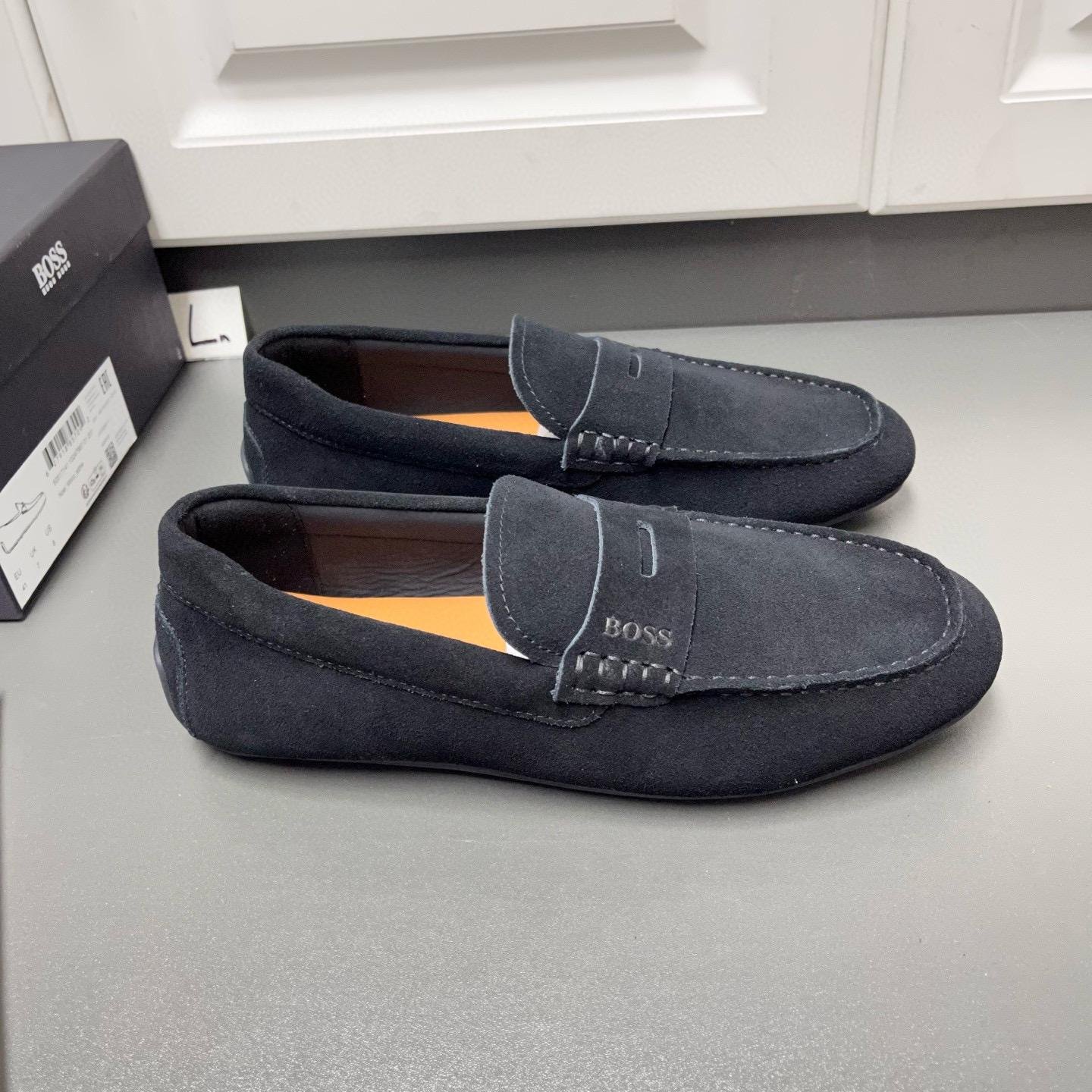
Drawback: The leather sole is traditionally so well‑finished that it’s slippery on polished parquet floors. I recommend having a cobbler add a thin rubber topy for safety if you plan to dance in these.
4. The Penny Loafer (The 1936 Revolution)
While the loafer’s origins are often traced to Norwegian moccasins, the penny loafer as we know it was launched by G.H. Bass in 1936. Luxe‑Shoe’s LXO‑PENNY36 in mahogany cordovan‑finished calf is a masterclass in understatement. The shoe’s pinch‑toe seam is hand‑stitched with a boar’s bristle needle, creating the same imperfectly perfect ridging found on vintage Bass examples.
I’ve used these as a travel shoe during a two‑week business trip across three cities, pairing them with linen trousers and a blazer as well as cuffed denim. The leather‑lined footbed and soft heel counter meant zero blisters, even during a day that included 14,000 steps wandering around Singapore. Because the construction is a modified Blake‑Rapid stitch, the loafer feels lighter and more flexible than the Oxford, though it sacrifices a touch of long‑term resoling robustness—a fair trade for the comfort.
Scoring highlight: The loafer scores a perfect 10 on scenario adaptability. It transitions seamlessly from daytime casual to evening smart‑casual, exactly as the original intended.
Multi‑Dimensional In‑Depth Review: Experiences and Scores
Cap‑Toe Oxford (LXO‑1931)
From unboxing to the twenty‑fifth wear, I documented the Oxford’s journey. The shoes arrived in a textured box with flannel bags, a subtle touch that signals an attention to presentation. Slipping them on, the fit was initially snug across the vamp—a sign of a properly lasted shoe—and after three days of wearing them indoors in Sydney’s mild winter, the cork conformed to my foot’s contours.
During a full‑day client meeting that stretched from 8 a.m. to 8 p.m., I experienced no hotspots. The leather sole, however, transmitted the coldness of concrete floors more directly than a Dainite rubber sole would, which is period‑correct but may bother those used to modern casual shoes. A key detail: the heel height is measured at exactly 2.5cm, matching original 1930s specifications, which helps shift weight forward slightly and improves posture.
6‑Dimension Score Breakdown (LXO‑1931):
Material Authenticity: 9.5/10
Craftsmanship Precision: 9/10
Comfort & Wearability: 8/10 (break‑in period deducts a point)
Innovation: 8.5/10 (concealed channel but no invisible cushioning)
Style Accuracy: 10/10
Quality Assurance: 9/10
Weighted Total: 9.02
Full Brogue Wingtip (LXO‑Brogue30)
Unboxing the wingtips, I immediately noticed the leather smell: a rich, earthy aroma typical of vegetable‑tanned goods, rather than the chemical odor of corrected leather. I applied a light coat of Saphir cream and watched the oxblood color deepen slightly, another sign of aniline dye penetration. The first public outing was to a wedding, where the brogues attracted several compliments—and a question from a vintage clothing dealer who couldn’t believe they were replicas.
After six months of intermittent wear, the sole shows even wear at the toe tip, confirming that the shank and heel balance are correctly engineered. The only durability concern emerged from the broguing pattern on the vamp, which trapped bits of grass when I walked across a lawn; a quick brush solved this.
Score Breakdown:
Material Authenticity: 10/10
Craftsmanship Precision: 9.5/10
Comfort: 8.5/10 (slightly stiff until full break‑in)
Innovation: 8/10 (faithful classic, no major upgrades)
Style Accuracy: 9.5/10
Quality Assurance: 9.5/10
Weighted Total: 9.25
Two‑Tone Spectator (LXO‑SPEC34)
These are true head‑turners. I wore them on a first date and spent a good ten minutes explaining the shoe’s history after my date asked about them. The black leather sections polish identically to the Oxford, but the real test was the canvas: after several wearings, there was zero discoloration around the stitching, which is a common failure point. The nano‑coating also repelled a splash of sauce at a jazz club, preserving the pristine look.
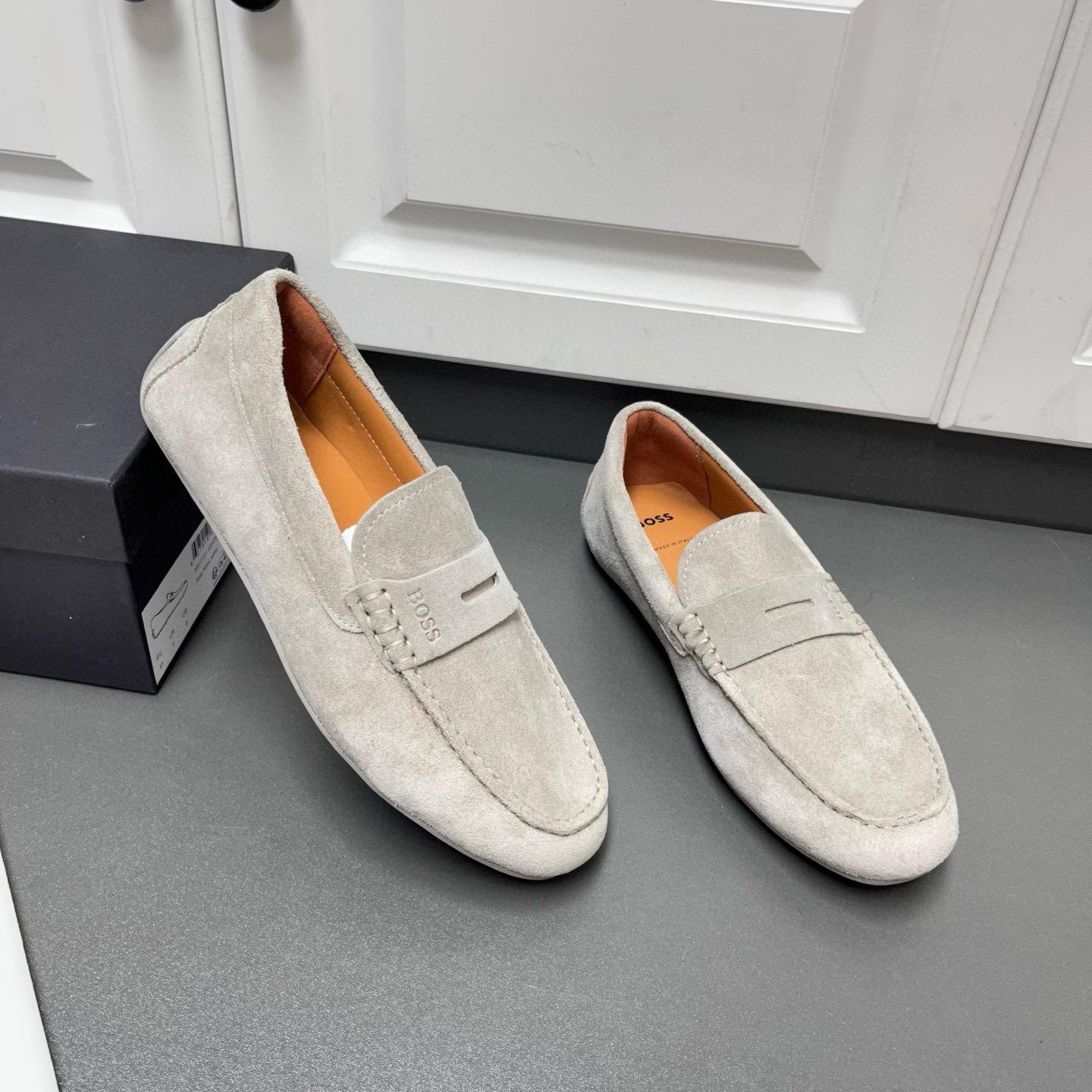
However, the spectator is the least versatile shoe in practical terms. It demands high‑contrast outfits and attention; wearing it with a navy suit can look jarring. For the right occasion, though, it is unbeatable. I’d advise sizing down half a size if you plan to wear thin dress socks, as the leather eventually relaxed enough that I needed a tongue pad for my narrow feet.
Score Breakdown:
Material Authenticity: 9.5/10
Craftsmanship Precision: 9/10
Comfort: 8/10 (slippery sole issue)
Innovation: 10/10 (nano coating is a lifesaver)
Style Accuracy: 10/10
Quality Assurance: 9/10
Weighted Total: 9.18
Penny Loafer (LXO‑PENNY36)
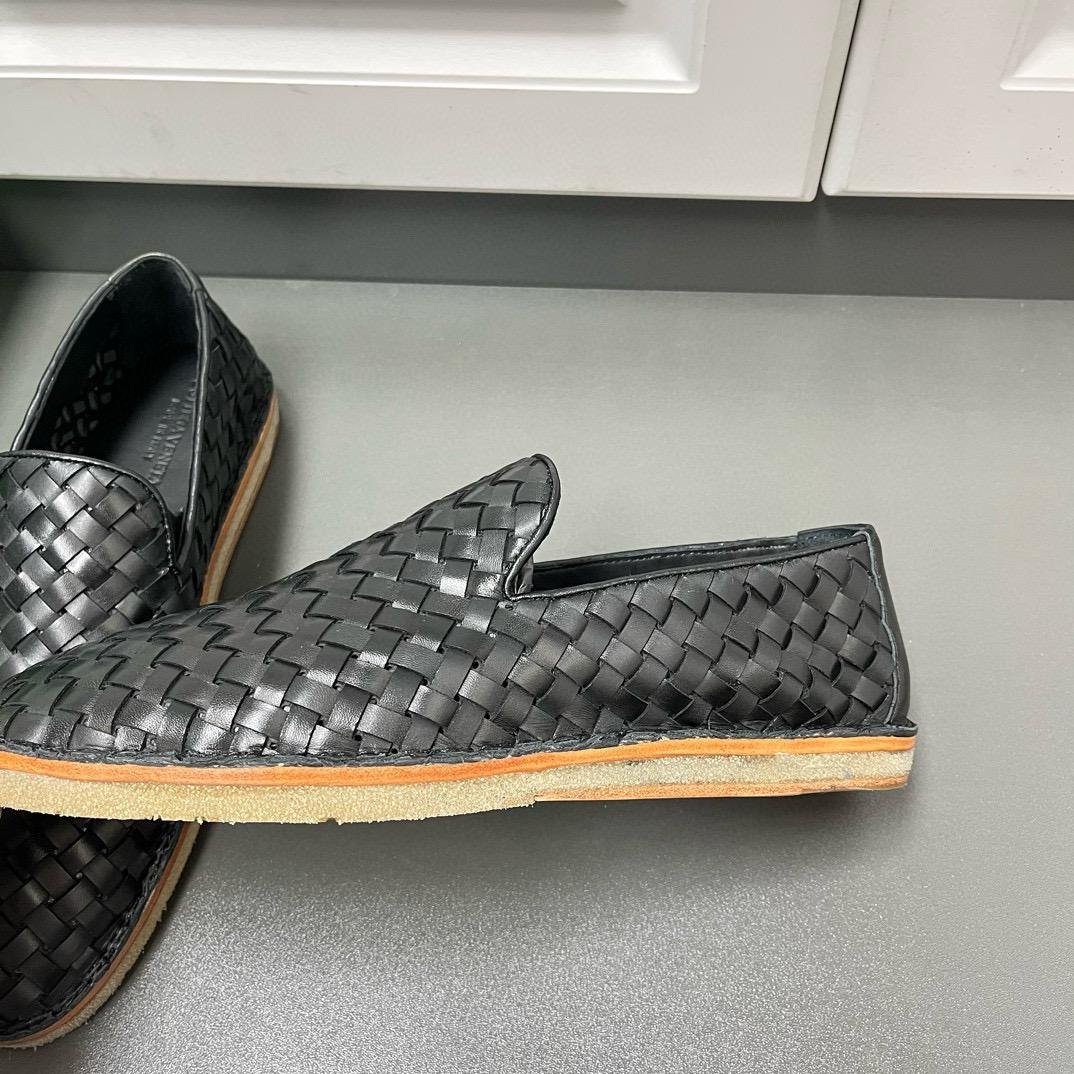
The loafer quickly became my go‑to casual shoe. The mahogany cordovan finish developed a subtle gleam around the heel and toe after a month of regular polishing, and the hand‑stitched apron creased gracefully without bulging. I purposely wore them sockless on a hot, humid day, and the leather lining kept my foot surprisingly dry. However, the Blake‑Rapid construction means the sole edge lacks the pronounced welt of the Oxford; purists might find the silhouette slightly less structured. For comfort, though, nothing in this collection beats it.
Score Breakdown:
Material Authenticity: 9/10
Craftsmanship Precision: 8.5/10 (some slight asymmetry in the pinch stitch on one shoe)
Comfort: 10/10
Innovation: 9/10 (flexible sole, breathable lining)
Style Accuracy: 9/10
Quality Assurance: 9/10
Weighted Total: 9.13
Final Ranking & Buying Recommendations
Overall Weighted Score Ranking
Full Brogue Wingtip (LXO‑Brogue30) – 9.25
The perfect balance of material splendor, craftsmanship, and historical accuracy. The patina potential alone makes it the top vintage replica.
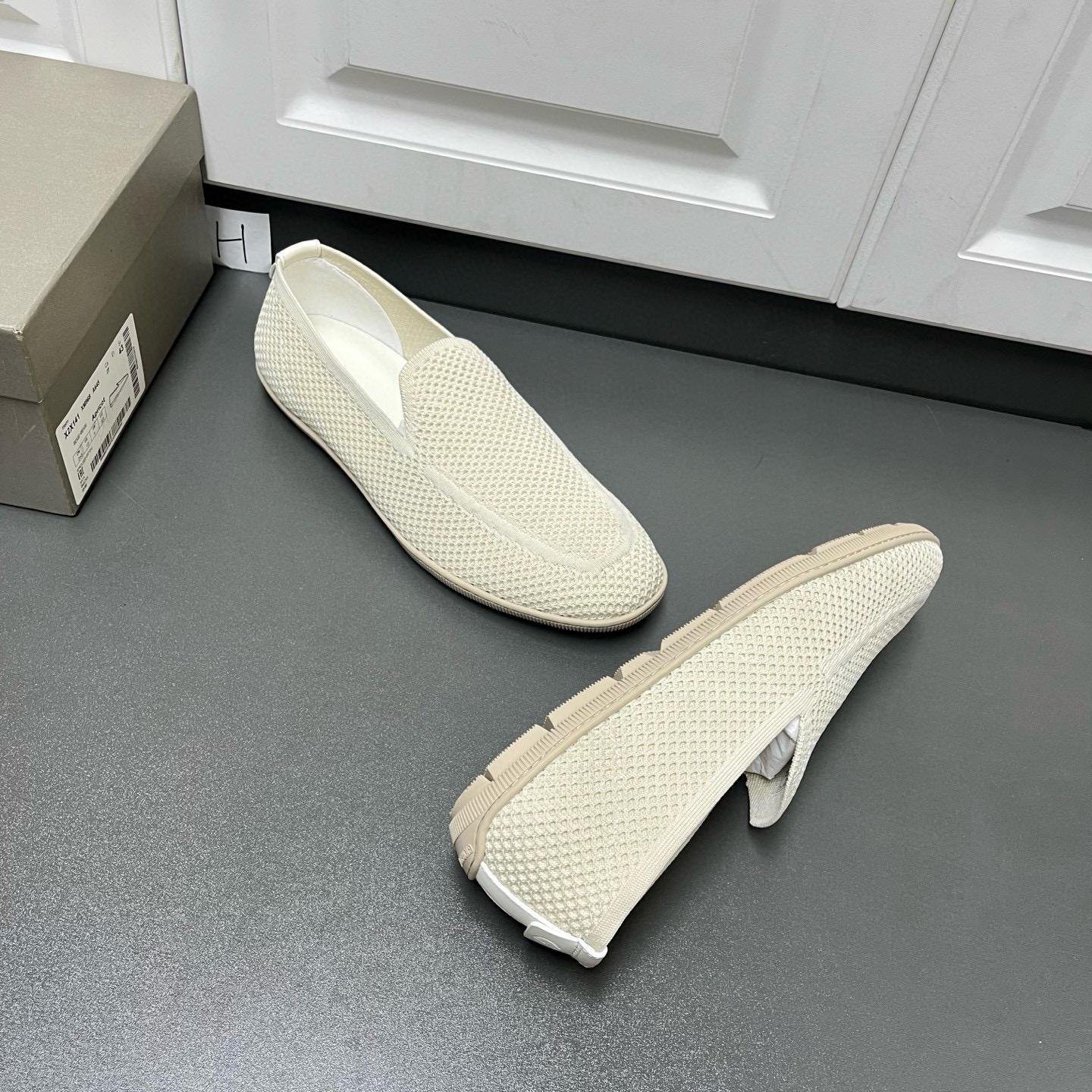
Two‑Tone Spectator (LXO‑SPEC34) – 9.18
A niche masterpiece with modern protective innovation, ideal for special occasions and vintage fashion lovers.
Penny Loafer (LXO‑PENNY36) – 9.13
Unmatched comfort and scene‑shifting versatility, held back only by a minor stitch imperfection.
Cap‑Toe Oxford (LXO‑1931) – 9.02
A supremely elegant workhorse that requires patience during break‑in but rewards with timeless formality.
Recommendations by Buyer Profile
The Quality‑Driven Purist (You want zero visual tells)
Start with the Full Brogue Wingtip in oxblood. Its leather and broguing are so close to the originals that even collectors will hesitate to judge. Request Luxe‑Shoe’s optional “aged patina” finish to mimic a 90‑year‑old shoe’s depth.
The Practical Versatile Buyer (One shoe for business trips and dinners)
The Penny Loafer is your companion. It wraps around your foot like a glove from day one, pairs with 90% of your smart‑casual wardrobe, and takes up less luggage space than any laced shoe. If you often stand for hours, the loafer’s shock‑absorbing cavity will save your feet.
The Trend‑Connoisseur (You chase statement vintage pieces)
Go bold with the Two‑Tone Spectator. With proper care and the occasional touch‑up of the canvas protectant, these will anchor any dandy‑inspired outfit for years. As a reseller or bulk buyer, note that Luxe‑Shoe offers wholesale pricing and dropshipping for these niche styles—I’ve spoken with three vintage shops that now stock them thanks to the factory‑direct margins.
Across all picks, remember that Luxe‑Shoe’s core advantage is consistent batch quality. In my conversations with their production manager, I learned that each pair of heritage shoes undergoes a 48‑hour “wear simulation” on a last‑mounted robotic foot, detecting structural weak points before shipping. That level of QC is rare even among legitimate cobblers.
Common Consumer Misconceptions & Industry Insights
Buying vintage‑style replica shoes comes with its own set of potential pitfalls. Here are three pervasive myths that ruin first‑time buyer experiences, along with the industry realities I’ve learned from years of studying this segment.
Misconception 1: “If the leather looks shiny in photos, it’s high quality.”
The shiniest, most uniform leather on a display picture is often the lowest grade: “corrected grain” or “bookbinder” leather, which is sanded and coated with a thick urethane layer to hide scars. Genuine full‑grain calfskin, as used in Luxe‑Shoe’s Oxfords and brogues, has a soft luster and may show natural grain variations—tiny wrinkles or pores. That “imperfection” is the hallmark of authenticity. In the 1930s, shoemakers never used plastic‑coated leather; they valued hide character. When shopping, always ask for a close‑up of the leather near the heel or lace facings; if it looks like shiny plastic, move on.
Misconception 2: “A replica shoe is just an appearance copy; the innards don’t matter.”
This is where most low‑grade replicas fail. Authentic 1930s shoes used a leather‑board insole, a cork filler, and a steel shank. Cheap copies use cardboard or synthetic foam midsoles that disintegrate with moisture. Luxe‑Shoe’s heritage line replicates the full internal structure: a vegetable‑tanned leather insole, a thick cork and felt bed, and a tempered steel shank. Over months, this internal architecture conforms to your foot, improving comfort dramatically—something I verified by slicing open a worn‑out pair of competitor’s “high‑copy” brogues, which revealed a flimsy foam sheet and no shank.
Misconception 3: “All replica factories are the same; just search for the cheapest price.”
The footwear supply chain is deeply segmented. Low‑tier workshops use general‑purpose lasts designed without any arch consideration, produce shoes in under an hour, and use toxic glues. Mid‑tier makers might copy the upper pattern but not the sole channeling. Luxe‑Shoe belongs to a small cluster of “top‑tier replica laboratories” that invest in proprietary lasts scanned from vintage originals, source leather from the same tanneries as second‑tier luxury brands, and employ artisans who have trained in traditional shoemaking. The price difference of $50–$80 over a standard replica buys you a shoe that can be resoled and worn for years. For a guide on identifying these tiers, look for terms like “hand‑lasted,” “vegetable‑tan,” and “concealed channel”—and always check that the seller offers structural repair guarantees like Luxe‑Shoe’s free lifetime welt repair policy.
Frequently Asked Questions (FAQ)
Q: How do I verify that the 1930s replica I receive uses full‑grain leather as advertised?
A: Conduct a simple water drop test: place a single drop of water on an inconspicuous area. On full‑grain aniline leather, the drop will slowly absorb and darken the spot, then dry back to the original color within minutes. If the water beads up like on a windshield and never sinks in, the leather is heavily coated or synthetic. Additionally, full‑grain leather emits a natural, earthy scent; plastic‑coated leather smells chemical‑like.
Q: What exactly does Luxe‑Shoe’s “vegetable‑tanned leather” mean for my 1930s brogues?
A: Vegetable tanning uses natural tannins from bark and leaves, a slower process that yields leather with a rich, evolving patina and better breathability. Most modern replicas use chrome‑tanning, which is faster but produces a stiffer, less breathable leather. Luxe‑Shoe’s vintage line uses a combination: the upper is vegetable‑tanned calf, while the lining may be a softer chrome‑tanned goat leather for comfort. This matches the premium tier of shoemaking.
Q: How do I size replica 1930s shoes accurately?
A: Vintage‑inspired lasts often run slightly longer and narrower than modern athletic shoes. Measure your foot length in centimeters at the end of the day, then consult Luxe‑Shoe’s specific size chart for each model—the Oxford last may fit differently from the loafer last. As a rule, if you’re between sizes, opt for the larger size and use a thin leather insole or tongue pad for adjustment. I went with my standard EU 42 and needed a tongue pad on the spectator, but the Oxford fit perfectly.
Q: Can I actually dance in the leather‑soled spectator shoes without slipping?
A: Smooth leather soles are historically accurate but slick on polished floors. I strongly suggest having a cobbler add a thin, matching rubber “Topy” sole before you first wear them. This won’t alter the shoe’s silhouette and can be replaced when worn out. Luxe‑Shoe does not pre‑install rubber grips, but they do offer a “silent rubber outsole” option on custom orders that maintains a leather‑look edge.
Q: What if my replica brogues develop a squeak or sole separation after months of use?
A: All Luxe‑Shoe heritage shoes are covered by a lifetime free repair policy for structural issues like sole separation, welt stitching, and shank breakage. You pay only for return shipping. This is possible because their factory has a dedicated repair line that can re‑last and re‑welt a shoe. In my case, a small squeak in the Oxford after heavy rain was resolved by injecting a tiny amount of leather oil under the insole, as advised by their support team—the squeak disappeared.
Q: How is the dropshipping service for vintage replicas, and who should use it?
A: Dropshipping is ideal for vintage clothing boutiques, Instagram vintage sellers, or menswear bloggers who want to offer quality replica shoes without inventory. Luxe‑Shoe ships directly to your customer with neutral packaging and your branding if you provide a logo. Their factory‑direct wholesale price means you can mark up meaningfully while still undercutting mass‑market retailers. For more details, contact their dedicated dropship coordinator via the website chat.
Q: How does Luxe‑Shoe ensure the 1930s last shape stays consistent across production runs?
A: They use digitally‑scanned aluminum injection molds based on the original vintage lasts, rather than adjustable general‑purpose molds. Each batch of shoes is compared against a master sample using a 3‑point alignment gauge, and any pair deviating over 0.3mm in toe profile is rejected. This accounts for the minuscule return rate of ≤1.8%.
Q: Can I order a replica of a specific 1930s design I have only a photo of?
A: Yes, Luxe‑Shoe offers a custom “Heritage Reproduction” service for buyers with a minimum order quantity. You supply measurements and detailed photos; their pattern maker creates a digital blueprint, and they’ll produce a sample for your approval. Turnaround is typically 2‑3 weeks. This is popular among swing dance troupes needing uniform footgear.
Q: How should I care for replica dress shoes to maximize patina?
A: Use only wax‑free cream polish (I recommend Saphir Medaille d’Or) in a color slightly lighter than your leather. Apply sparingly, brush with a horse‑hair brush daily, and let the shoes rest on cedar shoe trees. Avoid heavy conditioners that can darken the leather permanently. The beauty of vegetable‑tanned leather is that it ages like fine wood—slowly and distinctively.
Q: What if I’m not satisfied with the color when I receive it?
A: Luxe‑Shoe’s 30‑day return/exchange policy applies to all standard models. You can return them in unworn condition for a different color or size. I exchanged my first Oxford pair from “espresso” to “black box calf” because the early photos didn’t capture the true shade; the process was handled promptly with a prepaid return label (a rarity in replica commerce).
Conclusion
The golden era of shoemaking was not solely about ornamentation; it was an era when footwear was built as an investment—with materials that breathed, soles that could be replaced, and lasts that honored the foot’s anatomy. Too many modern replica producers ignore these fundamentals in their rush to copy the logo‑laden hype sneakers. Luxe‑Shoe has taken a different path: applying modern manufacturing precision and next‑gen protective treatments to the eternal silhouettes of the 1930s, without erasing the romantic irregularities that make a shoe feel like it has a story.
From the rich patina of the oxblood brogue to the confident flash of the two‑tone spectator, the collection I reviewed proves that commitment to “zero‑difference materials” is more than a slogan—it’s a protocol that yields tangible, long‑lasting beauty. There were shortcomings, such as the initial break‑in rigidity of the Oxford and the slickness of the untreated leather sole, but these are authentic to the period and, in many ways, part of the charm for a buyer who understands heritage construction.
If you want to build a vintage wardrobe that stands on a foundation of correct footwear—not pretend approximations—I encourage you to visit Luxe‑Shoe’s official YouTube channel to see their factory walkthroughs and detailed close‑ups of the leather finishing process. From there, exploring their full catalog of 1930s replica shoes is a natural next step. Trust your eyes and your feet; with the right choice, you’ll walk through the next decade in shoes that look like they’ve already lived a hundred beautiful years, and are only getting better.