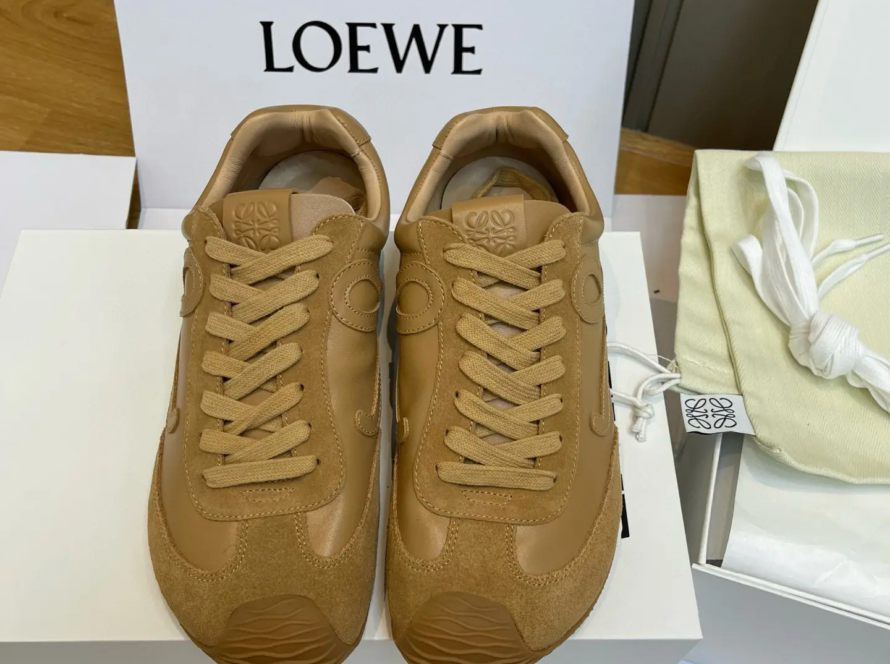
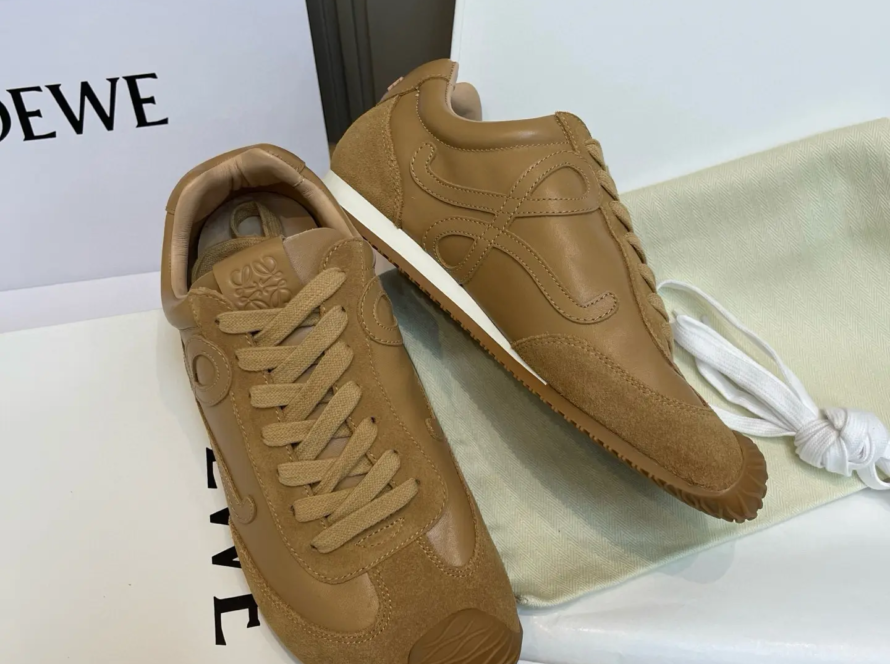
A pair of impeccable white laces exudes quiet elegance—the kind that reveal sophistication against buttery leather, elevate a minimalist sneaker to cult status, or transform a custom oxford into a sartorial masterpiece. For connoisseurs of luxury footwear, laces are more than just a functional detail; They are punctuation marks in a sophisticated visual narrative. Maintaining pristine white, however, requires almost ceremonial care—just one misstep and those laces will show their age through unsightly yellowing, dull wear, or the dull patina of city life.
In high-end fashion, materials such as Italian calfskin, Japanese selvage cotton, and even silk lace are highly prized, but traditional cleaning methods are simply not enough. bleach? It’s so cruel. Bad detergent? A sure way to accelerate decay. Let’s delve into the art and science of how to restore (and preserve) the luster of luxury shoelaces without sacrificing their integrity.
Pristine’s Philosophy: Why White Laces Matter
White shoelaces are the exclamation point for sophisticated shoes. For collectors of limited-edition sneakers or customers of custom-made rope shoes, faded laces can be as distracting from the item’s inherent value as a scratched Louboutin heel. In a world where reputation depends on perfect presentation, stains signal neglect.
In addition to being aesthetically pleasing, discoloration often results from molecular breakdown. Urea and salts in sweat react with UV rays, while environmental pollutants, such as oils in the air or microabrasion from city grit, form irreversible chemical bonds with the lace fibers. If left untreated, these can become "put" Stains – This is why proactive care is non-negotiable.
Studio Method: Tailor-Made Whitening Techniques
I. Hand washing ritual
Suitable for: cotton, linen, waxed cotton shoelaces.
Materials required:
- pH neutral luxury detergent (e.g. Laundryman washing and dyeing stick)
- warm filtered water
- Soft-bristled toothbrush (preferably boar bristle)
- white microfiber cloth
step:
- preprocessing: Use a dry, clean toothbrush to gently brush off dirt from shoelaces.
- soak: Soak shoelaces in warm water mixed with 1 teaspoon of detergent for 15 minutes.
- spot treatment: For stubborn stains (like coffee spills), use a toothbrush to apply a paste of baking soda + hydrogen peroxide (3% solution). Let sit for 5 minutes.
- rinse: Under running filtered water until no soap remains.
- dry: Lay flat on white cloth and reshape laces to prevent curling.
why it works: pH neutral detergent cleans without stripping natural fibers. The alkalinity of baking soda removes organic stains, while the oxidation of peroxide breaks down chromophores (the molecules that create color).
2. Fashion Cleaning Solution: Enzyme-Based Brightener
Suitable for: delicate materials (silk, washed leather shoelaces), vintage items.
Product recommendations:
- Jason Markk Advanced Shoe Cleaner (enzyme-rich formula)
- Saphir Omninettoyant (Luxury Leather Safe Cleaner)
application:
- Apply the cleaner lather to a microfiber cloth.
- Wrap the lace lightly "roll" Fabric between fingers – never rub.
- For silk, use a freshly damp cloth; too much moisture can weaken the fibers.
scientific insights: Enzymes (protease, amylase) target protein stains (sweat, food) and carbohydrate residues without corrosive chemicals.
three. Light Therapy: Ultraviolet Whitening
Suitable for: Yellowed shoelaces are difficult to clean.
technology:
- Clean shoelaces as above, then lightly moisten with 3% hydrogen peroxide.
- Leave outside in direct sunlight for 2-3 hours. Ultraviolet radiation accelerates the oxidizing power of peroxide.
- Rotate the laces every hour to even out the exposure.
warn: Only suitable for natural fibers (cotton, linen). Synthetic mixtures may degrade under UV light.
Four. Customized prevention plan
- rotate: Replace shoelaces every 3 wears to distribute pressure.
- storage: Store spare parts in rust-proof zipper bags (e.g. apple bag).
- Protect: Pre-process new shoelaces Anti-wrinkle protection spray Repels liquids and dirt.
Conclusion: The unspoken language of details
In luxury footwear, the difference between "excellence" and "Ordinary" Living in the overlooked – the glint of sole edge, the hand-stitched welt, and yes, the glow of snow-white lace. By taking these meticulous approaches, you respect the craftsmanship of the shoe while ensuring its narrative remains undiminished in elegance. After all, true luxury isn’t just about having; It is preserved.
FAQ: White Shoes Lace Mastery
Question 1: Can I machine wash the silk laces on my custom loafers?
one: Absolutely not. Silk requires the use of silk-specific detergents (e.g. Carefully cleaned by a laundress). Agitation or heating can irreparably wear down the fibers.
Q2: How often should I whiten my shoelaces?
one: For daily wear shoes, clean the laces every 4-6 times of wear. For collections stored in glass cabinets, once a year to prevent dry rot.
Q3: Why do white shoelaces turn yellow during storage?
one: Oxidation and residual sweat reacting with lignin (found in natural fibers) can cause yellowing. Store laces in acid-free tissue paper in an airtight container to protect from light.
Q4: Is UV whitening of colored leather shoelaces safe?
one:No – UV rays will fade dyed leather. For hybrid laces, focus only on the fabric portion or consult a professional restorer.
Q5: If the stain persists, what is your best option?
one: Commission a shoemaker for replacement or find an archival lace maker, e.g. Forty-five rpm For period accurate reproductions.
Q6: Are “whitening” laundry beads effective on shoelaces?
one: Avoid them. Optical brighteners coat the fibers with blue chemicals that degrade over time, leaving the laces brittle and artificially shiny.
In an economy of elegance, white lace is currency. Invest wisely.