Economics of Scarcity: Why Loro Piana Has a Legendary Price Tag
For those who know luxury beyond the hallmarks, Loro Piana represents the pinnacle of understated elegance—a secret whispered among the world’s elite. But with the price of cashmere sweaters exceeding 3,000 euros and the price of vicuña coats soaring to over 50,000 euros, novices and collectors are often asking: What justifies these staggering prices? The answer lies in the subtle alchemy of nature, craftsmanship, tradition, and an unwavering commitment to the extraordinary.
1. The gold standard of raw materials
The foundation of Loro Piana is built on sourcing The world’s most precious fiberoften controlling the entire supply chain to ensure purity and ethical standards.
Vicuña: fiber of the gods
Originated from Vicuñas, a small camelid species in the Andes, this fiber is rarer than platinum. Under the strict supervision of the Peruvian government, shearing is legal only once every two years. One camel hair can produce about 200 grams of gauze-soft wool. Limited global annual production (about 12,000 kg) and astronomical acquisition costs (about $500/kg of raw materials) make Vicuña Loro Piana the crown jewel—a €9,000 shawl doesn’t count the markup; it’s math.Cashmere: a fleeting miracle
Real little cashmere comes from First time combing Hircus goat babies under 12 months old yield 30-50 grams each. Loro Piana works with Mongolian herders to harvest this seasonal delicacy (available only in spring), requiring 19 goats to make one sweater. The result? Its unparalleled softness and price of more than 4,000 euros reflect its ephemerality.- Other exclusive fibers
Whether it’s lotus silk (one scarf requires 120,000 flower stems) or Storm System® wool (which is weatherproof at a molecular level), Loro Piana innovates with materials that others consider untenable.
2. Artisan Alchemy: Time is the ultimate luxury
Mass production goes against the spirit of Loro Piana. Each piece is meticulously crafted in more than 30 stages, often requiring moon of human touch.
master weaver and dyer
In their Piedmont workshop, artisans with over 20 years of experience hand-select the fibers, eliminating impurities strand by strand. The natural dyeing process takes weeks, using pigments extracted from tree roots and minerals to achieve fade-resistant shades not seen in industrial methods.- Customized deformation
For private clients, Tailor-made The program turns clothes into family heirlooms. One coat requires more than 50 hours of tailoring, including hand-sewn buttonholes and custom lining. When craftsmen earn more than €40 an hour and every defect means starting over, costs increase exponentially.
3. Legacy Infrastructure: Protecting Endangered Artifacts
Unlike brands owned by conglomerates, Loro Piana is run as a sixth-generation family business (it is now part of LVMH but retains autonomy). This multi-generational vision funds initiatives that commercial entities avoid:
Tomorrow’s Cashmere™
Since 2009, they have invested more than 100 million euros to rebuild more than 6,000 hectares of Mongolian grassland, combat desertification and maintain the survival of their goat herds.- camel hair protection
Loro Piana works with Andean communities to save the camel population from near extinction (6,000 in 1960 → 500,000 today). Sharing profits ensures ethical harvesting – a luxury tax that supports biodiversity.
4. scarcity strategy
Loro Piana deliberately limits production to maintain exclusivity. Limited edition (e.g. $8,000 Open for walking Moccasins sold out within hours, while Vicuña products require an appointment at the flagship boutique. By prioritizing quality over quantity, they negate economies of scale—each product has its true cost.
5. The Hidden Premium: The Aftermath and the Ecosystem
Enter the world of concierge service with the purchase of Loro Piana. Free knitwear repair services extend garment life into decades, while VIP customers also receive fiber storage and climate-controlled garment bins. For the ultra-rich, this cradle-to-grave management justifies the premiums better than any sign.
6. Sentimental Value: Prototyping Tom Ford’s “Quiet Luxury”
Before Instagram, Loro Piana perfected invisible wealth—a language that royalty and tech billionaires alike understand. Unlike trendy brands, its value lies in eternity; a vicuña coat from the 1990s is still circulating at auction, accounting for 90% of retail sales. This durability (physically and stylistically) turns a purchase into an asset.
Conclusion: Uncomputable computation
Loro Piana’s pricing isn’t arbitrary; it’s forensic. When raw materials rival precious metals, artisans command the salaries of haute couture, and sustainability is no longer a buzzword but a balance sheet item, costs will rise beyond the threshold of typical luxury goods. For collectors, it represents The purest intersection of ethics and excellence– an ecosystem of products where every euro finances preservation, mastery and beauty that outlasts its owner. In the age of disposable fashion, Loro Piana asks the question not “Why is it so expensive?” but “What is always worth it?”
FAQ: Deciphering the Mystery of Loro Piana
Question 1: Is Loro Piana overpriced compared to Brunello Cucinelli or Ermenegildo Zegna?
Not a comparison. While all three excel in craftsmanship, Loro Piana has a unique monopoly on ultra-rare fibers (such as 90% camel hair). Cucinelli’s cashmere focuses on Italian labor; Zegna takes advantage of scale. LP’s pricing reflects near-scientific research and development (e.g., Storm System® technology) and protection expenses that other companies avoid.
Q2: Can I find similar quality at a lower price?
Some substitutes exist (such as cashmere from Johnstons of Elgin), but replicating the fiber access of Loro Piana is impossible. Their vertical control – from pastoral partnerships to retail – eliminates compromise.
Q3: Why is camel hair more expensive than gold?
On a gram basis, raw camel hair fiber (450-500 euros) exceeds gold (approximately 60 euros). Scarcity (limited to Andean cattle herds), labor-intensive legal harvesting, and 18-month processing explain this.
Question 4: How to verify the authenticity of second-hand Loro Piana?
examine:
- Embossed “LP” buttons on jacket
- Internal fabric code label (e.g., “WS” = Storm System®)
- Consistent, perfect stitching (no glued seams)
- Documents with RFID chip (applicable to works after 2015)
Q5: Are there any discounts on Loro Piana?
There are few official sales (mainly seasonal knitwear, discount ≤20%). Price reductions are greater on the second-hand market, but vigilant certification is crucial.
Q6: How sustainable are they compared to Stella McCartney or Gucci?
Unlike vegan brands, LP invests in regenerative agriculture– Rebuilding the ecosystem for luxury fiber production. Their approach is not carbon neutral; It is supplementary that complicates direct comparisons.
Q7: What is the most “affordable” entry point?
Accessories: silk scarf or leather card holder €350 to €600. For ready-to-wear, traveler The collection combines technical fabrics and cashmere, with prices starting from 1,200 euros.
Q8: Are their shoes worth more than 2,000 euros?
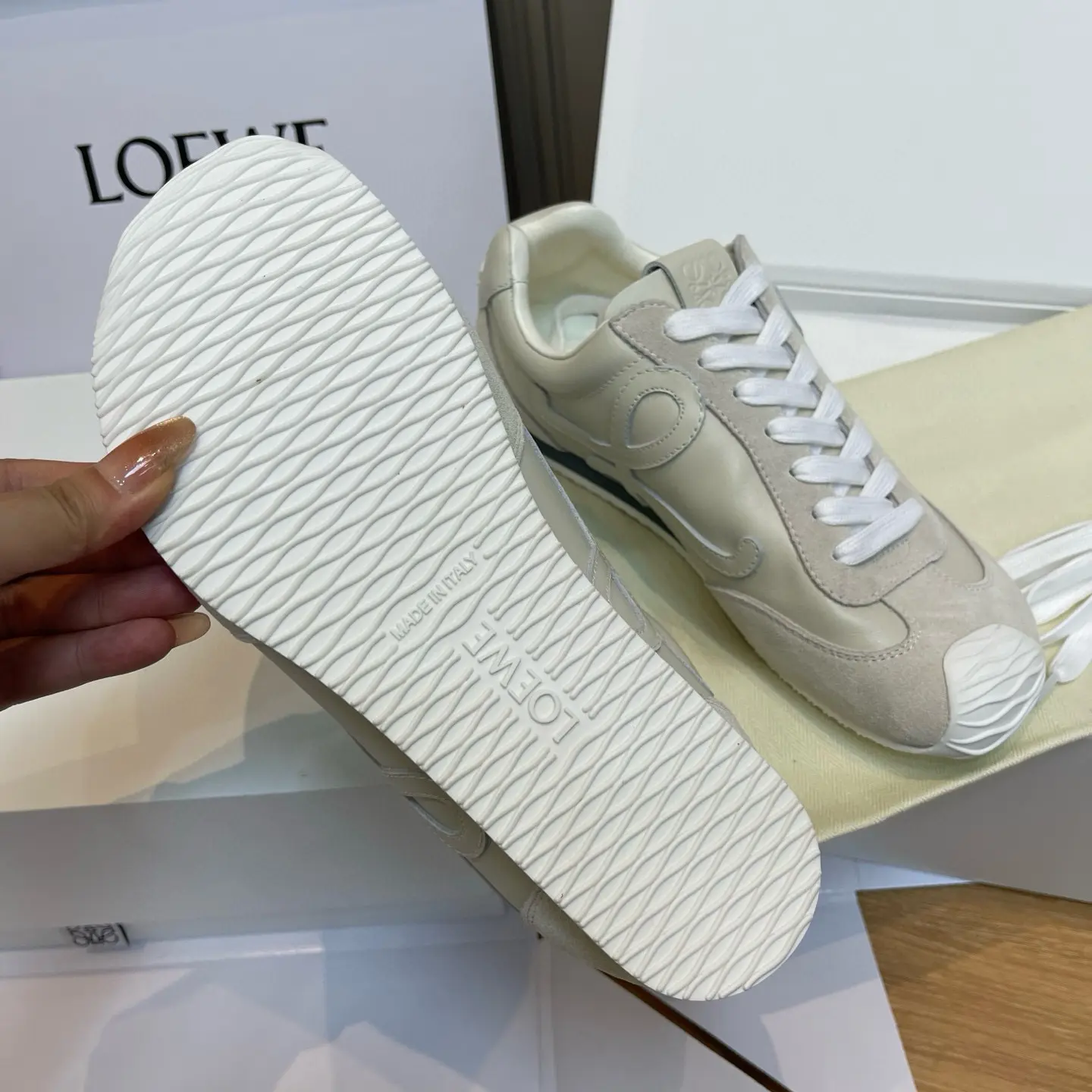
For custom customers, yes. this Tailor-made Footwear services include 3D foot mapping and handmade soles. RTW styles, like summer walking loafers, feature patented sole technology that prioritizes comfort over red carpet stiffness.
Q9: How should I store vicuña or cashmere?
- Do not hang; fold in acid-free tissue
- Store in ventilated cedar box (not plastic)
- Use anti-moth sachets containing lavender/lilac
- Professional cleaning only: Home washing destroys natural oils
Q10: Do they provide customized services beyond the following? Tailor-made?
Top clients can commission fabric innovations (such as cashmere-silk blends in proprietary shades). Delivery time is over 18 months – patience is the ultimate luxury.
To know Loro Piana is to appreciate the pinnacle of luxury, which transcends products – it is a contract between human ingenuity and nature’s rarest gifts.