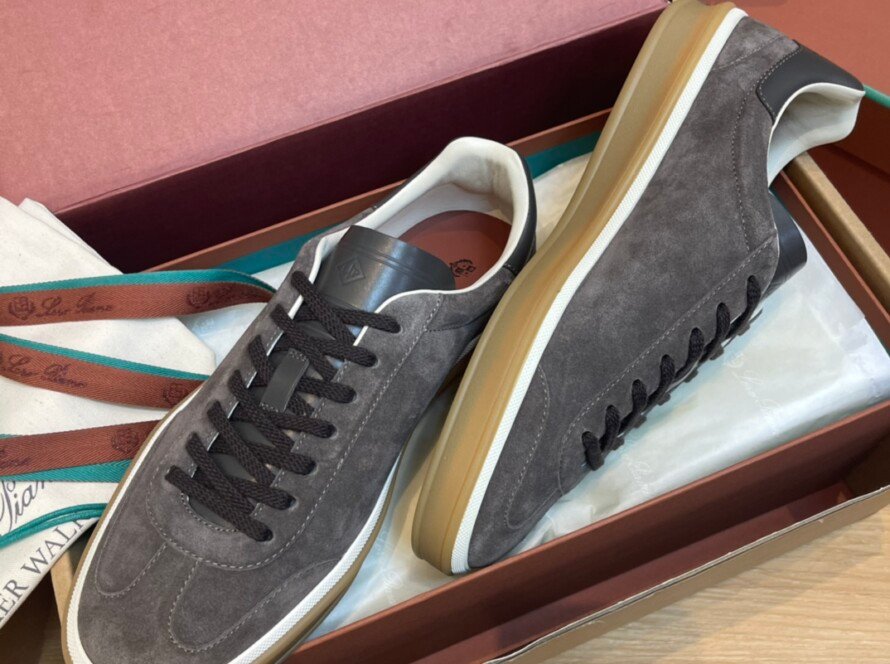
Learn the Art of Leather Softening: A Guide for the Discerning Collector
Leather shoes—whether custom oxfords, Italian loafers, or traditional boots—not only represent a wardrobe staple, but an investment in craftsmanship. For affluent buyers and luxury shoe lovers, maintaining their soft touch and pristine appearance is crucial. However, even the best leather can feel stiff, rub uncomfortably, or lose its flexibility over time. Softening leather shoes isn’t just for comfort; This is to extend the life and elegance of your precious shoes. Here we showcase sophisticated, scientifically-backed techniques designed for high-end leather care.
Why soften leather shoes?
Luxury leather started out as a rigid material. Expertly tanned and finished, it acquires structure, but its true softness often only becomes apparent when worn. Stiffness can lead to blistering, wrinkling and premature wear, detracting from the elegance of the shoe. Softening strategically increases comfort while maintaining the integrity of the leather, ensuring your investment is elegant and sophisticated.
The Science of Leather Softening
Leather is a naturally porous material composed of collagen fibers. When these fibers are sufficiently wetted, they slide smoothly against each other, creating flexibility. Conversely, dryness or poor conditioning can cause fibers to bond, resulting in stiffness. Premium leathers (e.g., full-grain calfskin, cordovan) require gentler, more delicate care than mass-market alternatives, as harsh treatments may strip them of their natural oils or damage their delicate finish.
The Expert Way to Soften Luxury Leather Shoes
1. Physical Training: The Gold Standard
A high-quality conditioner replenishes lost oils and moisturizers, restoring the leather’s natural softness without damaging its shine.
- Choose wisely: For full-grain leather, choose a pH-neutral lanolin conditioner (such as Saphir Médaille d’Or Renovateur). For exotic skins (crocodile, ostrich), look for specialty products.
- technology: Apply a pea-sized amount to a microfiber cloth and massage gently in circular motions. Let the shoes sit for 15 minutes and then polish with a horsehair brush.
2. Deeply hydrating natural oils
Pure oil penetrates deeper than wax-based conditioners and is ideal for high-hardness leathers.
- Top picks: Natsfoot Oil (for work boots or traditional leather) or Mink Oil (for rugged styles). avoid Coconut oil or olive oil – they will go rancid.
- warn: Test the oil on an inconspicuous area first—some may darken light-colored leather.
3. Controlled heating
Gentle heat relaxes collagen fibers. Use with caution To prevent the leather from drying out.
- Hair dryer method: Set to low heat, hold 6 inches away from the shoes, and move continuously while flexing the soles. Never exceed 30 seconds per area.
- Professional options: Cobblers use specialized heat-stretching tools to remove stubborn spots.
4. Wear and Break-in Ritual
There’s no substitute for naturally shaping your feet. Intelligently speed up the process:
- Thick socks + indoor clothes: Wear shoes and wool socks for 1-2 hours a day.
- Flexible points: Manually flex the sole to pre-soften tension areas (such as the toe box).
5. Alcohol solution (Use with caution)
In extreme cases, a dilute mixture of 50% rubbing alcohol and 50% water can loosen fibers.
- application: Spray lightly inside shoes, wear immediately, and walk until dry. Not recommended for aniline dyed or patent leathers.
A Customized Approach: When to Consult a Professional
While DIY methods are adequate for mild stiffness, collectors of rare or custom shoes should consider manual intervention. Master Shoemaker offers:
- Customized Stretching: Precision last adjusts width/length without deformation.
- Ultrasonic conditioning: A deep penetrating treatment for vintage or dry leather.
- Patina preservation: Experts condition while matching the original dye and finish.
Conclusion: Softening is a protective behavior
Luxury leather shoes are heirlooms in the making. Proper softening is not a shortcut, but a ritual that respects the organic nature of the material while promoting comfort. By combining high-quality products with careful technique, you can ensure that every step effortlessly reflects the complexity these pieces deserve.
FAQ: Softening Leather Shoes
Q: Can leather shoes be softened with water?
A: Light moistening (for example, a barely damp cloth) can help temporarily loosen the fibers, but too much moisture may cause warping, mold, or salt stains. Always follow conditioning.
Q: How often should I maintain my shoes?
A: For high-end leather, condition with a lightweight product every 3-4 months. The oil can be used every two years. Climate (dry vs. wet) and frequency of wear determine requirements.
Q: Will softening destroy the shine of the shoes?
A: Not if done correctly. Buff with a horsehair brush after conditioning to restore shine. If you want to maintain high shine, avoid using conditioners that contain more wax.
Q: Can I soften patent leather?
Answer: Patent leather has a plasticized coating that will break if applied force. Use only patented special conditioners and never heat.
Q: Why do my shoes feel stiff after wearing them?
A: Leather shrinks naturally as it dries. Reapply conditioner or store shoes with cedar shoe trees to maintain their shape.
Q: Do DIY tips like freezing work?
A: Freezing may stretch the leather slightly, but there is a risk of damaging the adhesive or fibers. Professional stretching is safer for luxury shoes.
Q: How long does the softening process take?
A: Conditioning takes effect immediately; break-in may require 5 to 10 wears. In severe cases, 48 hours should elapse between treatments.
— Invest in care and your shoes will reward you with lasting elegance.