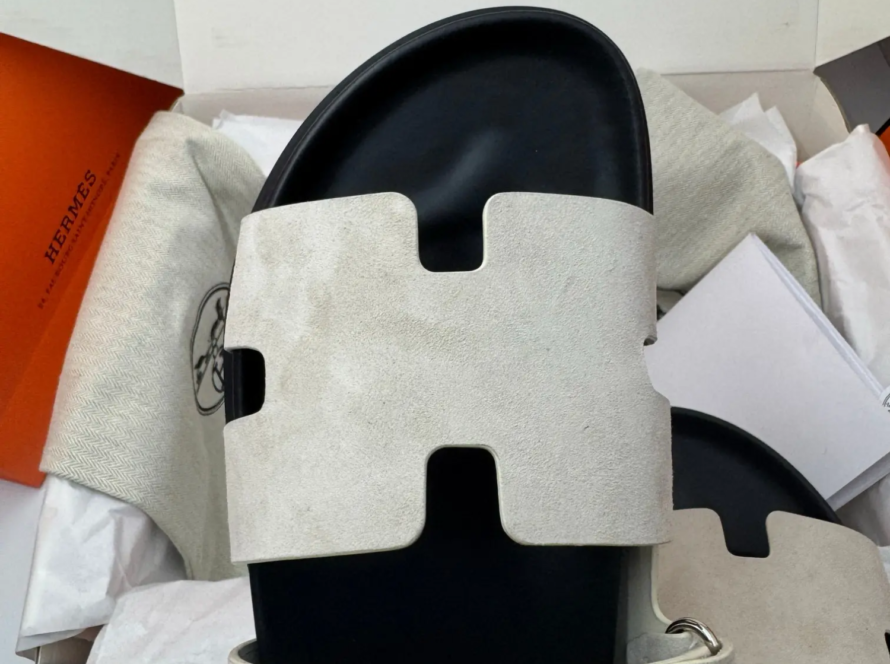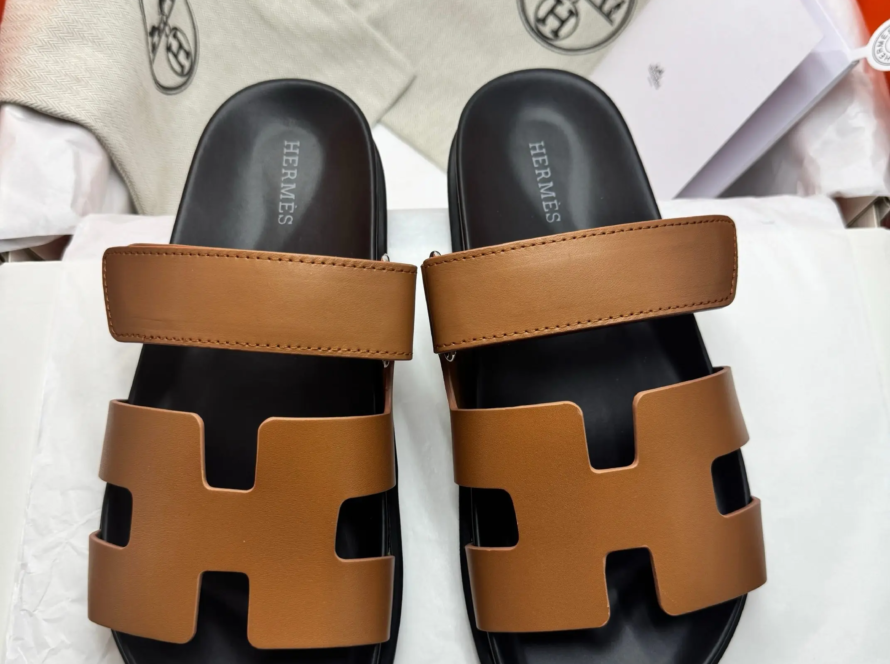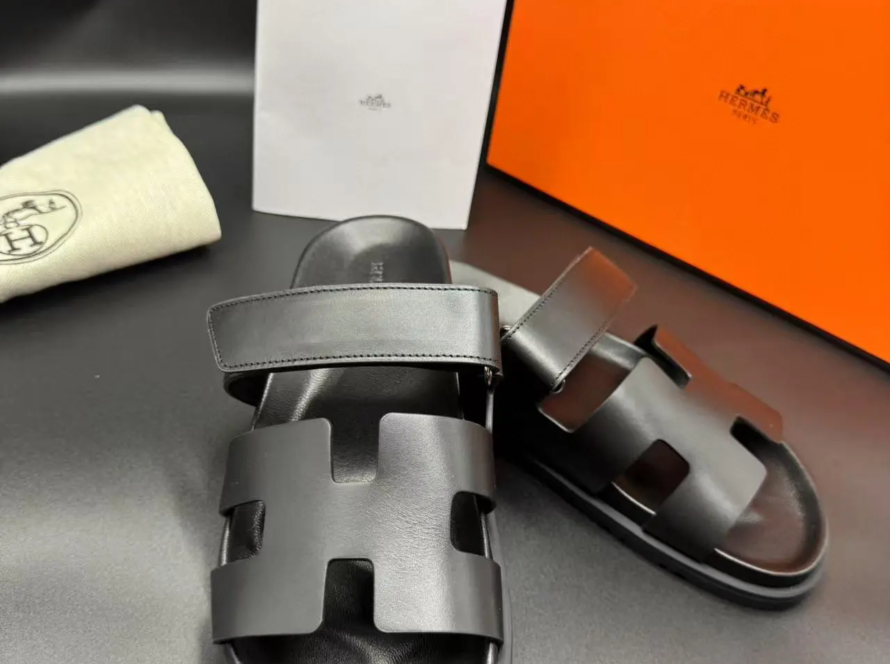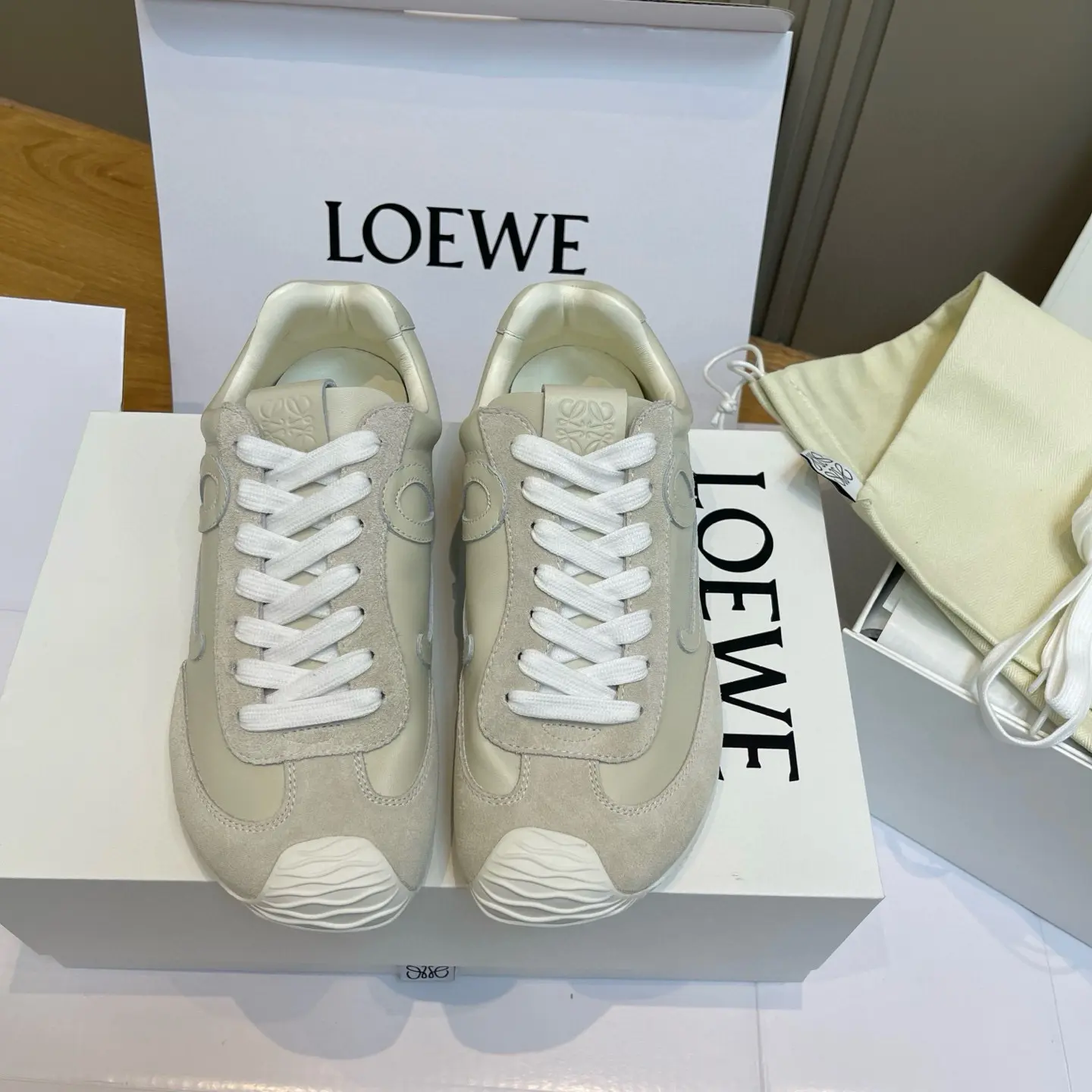
In the world of luxury footwear, there are few pieces that balance bold sophistication with understatement as deftly as this. Black patent leather tennis shoes. Once relegated to the arena or retro revival aesthetic, this updated version has become a cornerstone of contemporary high-fashion wardrobes. For the discerning collector or bespoke client, these shoes are more than just footwear, they are sculptural statements, conversations about craftsmanship, and testament to the wearer’s commitment to tailoring excellence.
The charm of patented finishes
The origins of patent leather date back to the early 19th century, when chemist Seth Boyden developed a process for treating leather with linseed oil to obtain a smooth, water-resistant surface. Today, luxury brands use advanced techniques—multiple layers of varnish, hand-polished resins, and even innovative vegan alternatives—to achieve their signature glass-like shine. Unlike standard leather, patent leather reflects light with liquid intensity, contrasting with minimalist tailoring, cashmere knits and even eveningwear.
For affluent consumers, the appeal goes beyond aesthetics:
- Timeless versatility: Black patent leather surface transcends seasons. Wear it with a Brioni suit for a boardroom look, or with casual Brunello Cucinelli linens for a sophisticated look.
- Craftsmanship display: Luxury brands often hand-preserve leather on molds for several days to ensure the silhouette is wrinkle-free. The finest styles feature invisible seams and hand-polished edges.
- rarity factor: Limited editions (such as Louis Vuitton’s collaborations or John Lobb’s custom programs) turn these shoes into collectibles.
The art of luxury tennis shoes
Unlike mass-market sneakers, high-end patent leather tennis shoes prioritize materials and construction:
- Leather options: Supplied by top tanneries such as Badalassi Carlo in Italy "Patent calfskin," Prized for its tight texture and depth of luster. Kering’s brands often use traceable, sustainable leather.
- architectural design: Brands such as Berluti or Tom Ford incorporate orthopedic principles – arch support, breathable cork insoles and shock-absorbing soles – into avant-garde silhouettes.
- Customization potential: Maison Margiela or Stefano Bemer offer customization services to VIP customers, adjusting the toe width or adding monogrammed hardware.
Styling beyond imagination
The beauty of black patent leather tennis shoes is their chameleon-like adaptability:
- Evening: Replace traditional Oxford shoes with patent leather sneakers under a Tom Ford tuxedo, bringing a subversive twist to the formal tie.
- monochrome layering: Pair with Bottega Veneta’s black leather pants and a casual Zegna blazer to create depth of tone.
- High and low contrast: Juxtaposing their glow with distressed denim or Japanese handmade indigo creates an intentional sense of dissonance.
Pro tip: Avoid over-polishing—patent leather thrives with minimal maintenance. A microfiber cloth and a pH neutral wipe are enough to maintain its shine.
investing in legacy
True luxury lies in longevity. Brands like Hermès or Church’s use Goodyear welting or Blake stitching on these sneakers, extending the life of the sole replacement by decades. Limited collaborations (for example, Gucci x Adidas) or artist-designed versions (which appeared alongside Dior’s Kim Jones-era collaborations) are also considered wearable art.
in conclusion
Black patent leather tennis shoes embody a paradox: they are bold yet timeless, sporty yet aristocratic. For luxury collectors, they represent a fusion of traditional technology and cutting-edge design—a shoe that refuses to be pigeonholed. Whether decorating the halls of a Michelin-starred restaurant or the polished floors of a private jet, they project a quiet confidence, proving that true sophistication never shouts but rather shines.
FAQ: Black Patent Leather Tennis Shoes
Q1: Are patent leather tennis shoes comfortable to wear for a long time?
A: Luxury brands focus on form and function. Designs typically feature memory foam insoles, padded collars, and flexible yet supportive soles. Fit is crucial – ask an in-store expert for measurements.
Q2: How to prevent the paint from wearing off or fogging?
A: Store shoes in breathable dust bags away from heat sources. For light wear, use a proprietary conditioner (such as Saphir’s Nappa Balm) instead of wax. Avoid wearing it in heavy rain—prolonged exposure to moisture can cause the surface to become cloudy.
Q3: Are these shoes ethically sourced?
Answer: Yes. Brands like Stella McCartney offer vegan patent leather made from plant-based polymers. For leather purists, LVMH’s LIFE program ensures that ecologically tanned leather comes from responsible farms.
Q4: Is it suitable for formal events?
Answer: Context defines appropriateness. In creative industry or avant-garde circles, they are a power move. For an ultra-conservative environment, choose matte leather.
Q5: What is the return on investment for luxury patented sneakers?
A: Limited edition or limited-edition customized models from brands such as Balenciaga can appreciate by 20-50% in value on resale platforms such as Vestiaire Collective, provided they keep their original packaging intact.
Q6: How to identify the authenticity of high-end patent leather tennis shoes?
A: Check for stitching symmetry, logo accuracy and sole engraving. Luxurious patent leather should feel solid, not plasticky. Documentation (such as Gucci’s Certilogo label) is key – always buy from an authorized retailer.
By understanding these nuances, affluent buyers elevate their purchases from mere footwear to traditional investments—reflecting sophistication in their every step.