Introduction: The Quest for Discernment
In today's fashion landscape, the line between authentic luxury footwear and high-end replicas has become increasingly nuanced. For enthusiasts, collectors, and savvy shoppers, the ability to discern the subtle differences is a valuable skill. This guide is not about condemning replicas but about providing an objective, expert-level framework for identification. Understanding these distinctions empowers you to make informed purchases, whether you seek the heritage of an original or the value proposition of a top-tier replica from specialists like Luxe-Shoe.com. We'll move beyond basic internet myths and focus on the tangible, material, and construction-based markers that truly separate tiers of quality.
The Core Pillars of Differentiation: What to Examine
Forget vague claims. Authenticity verification rests on a systematic inspection of specific components. Here are the key pillars, in order of reliability.
1. Materials & Substance: The Foundation of Luxury
This is often the most telling, yet hardest-to-fake aspect.
Leather Quality: Authentics use full-grain or top-grain leathers, often from specific tanneries (e.g., Italian vegetable-tanned leather for dress shoes). They feel supple, develop a rich patina, and have inconsistent natural grain. Lower-tier replicas use corrected-grain leather or synthetic materials that feel plasticky, have a uniform "printed" grain, and won't age gracefully. High-tier replicas, like those from Luxe-Shoe, have closed this gap significantly by sourcing "zero-difference" hides, but minute differences in density or finish might persist under extreme scrutiny.
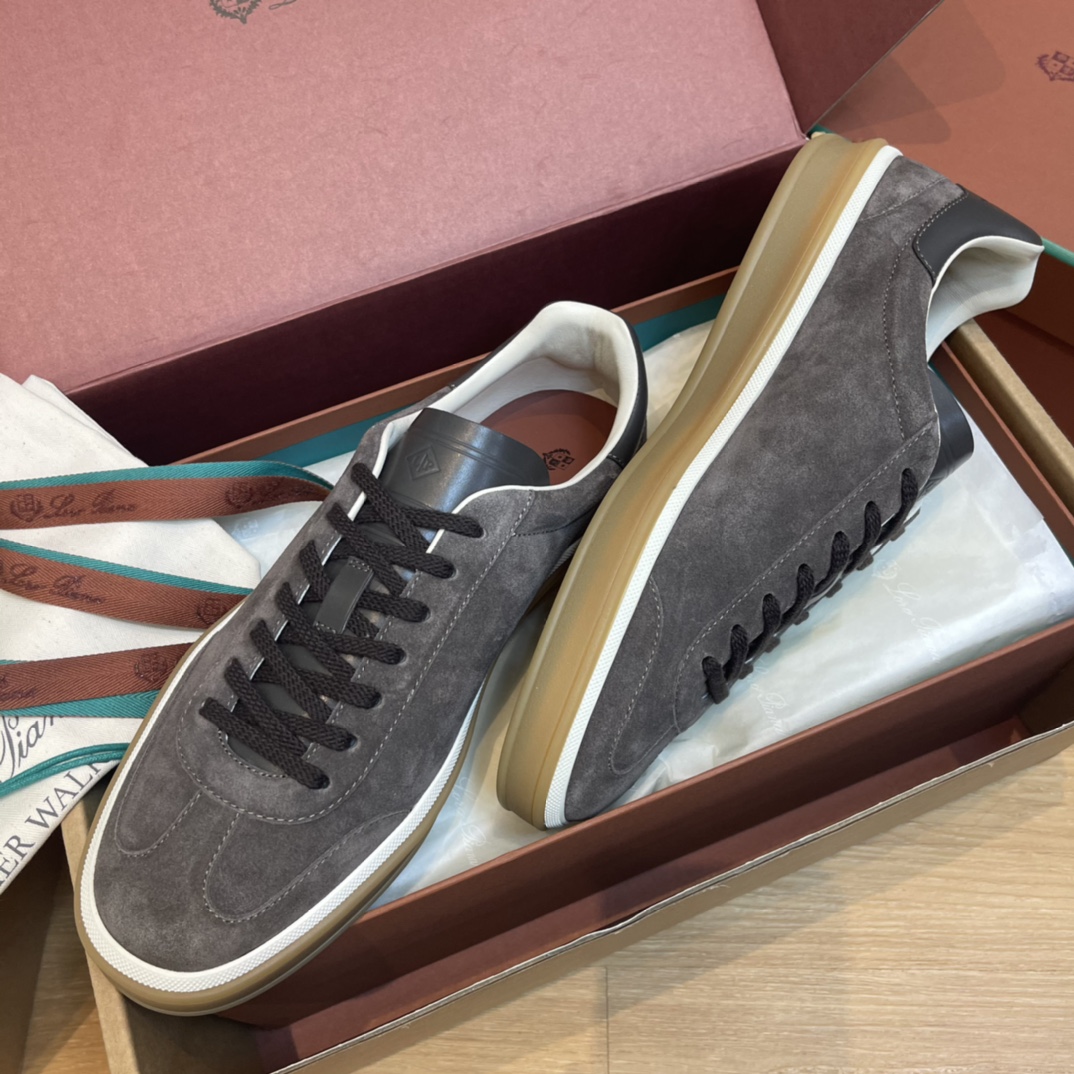
Suede & Nubuck: Authentic suede is lush, dense, and has consistent, fine nap. Cheap replicas use thin, flat material that pills easily and changes color unevenly when brushed.
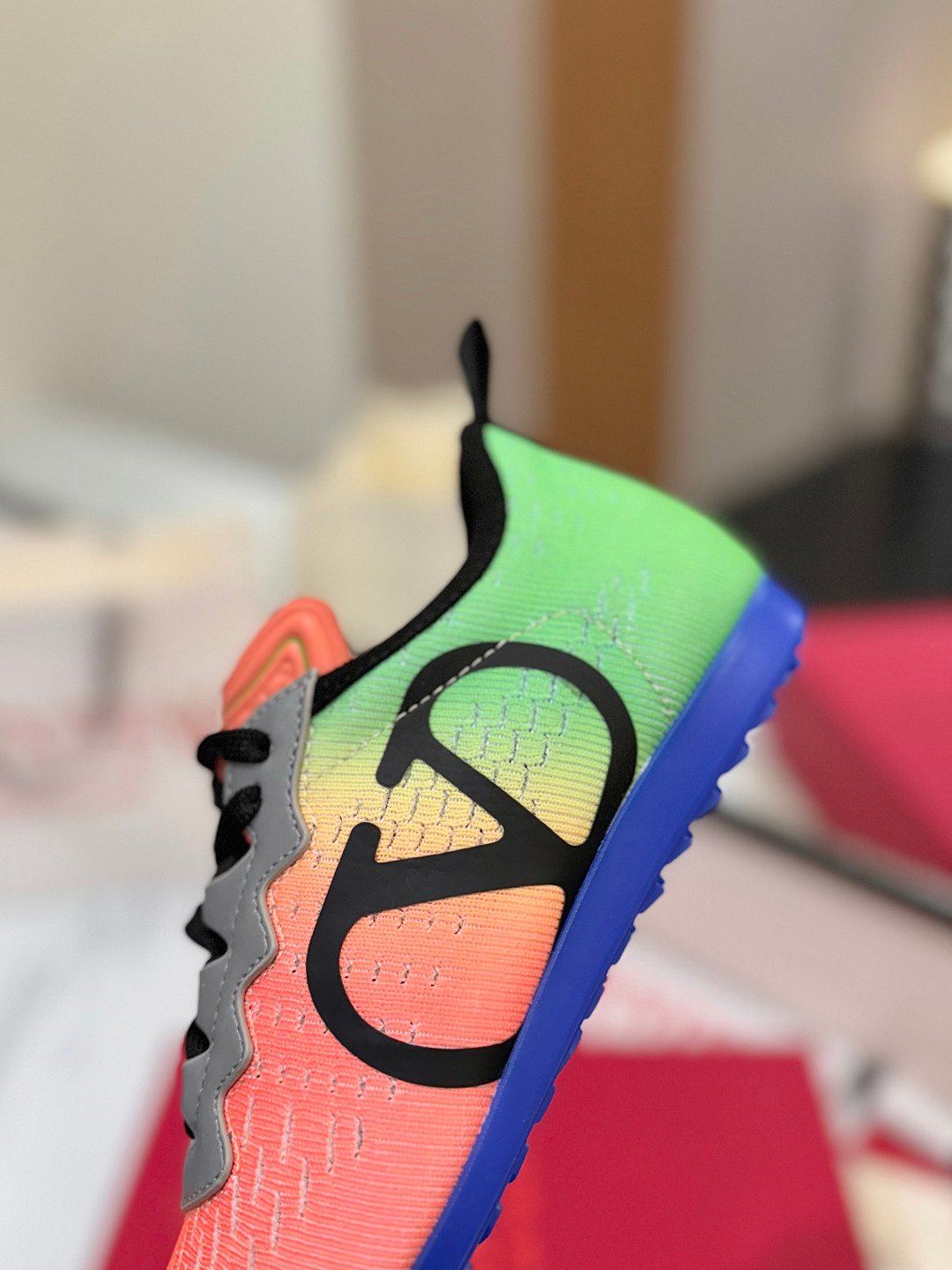
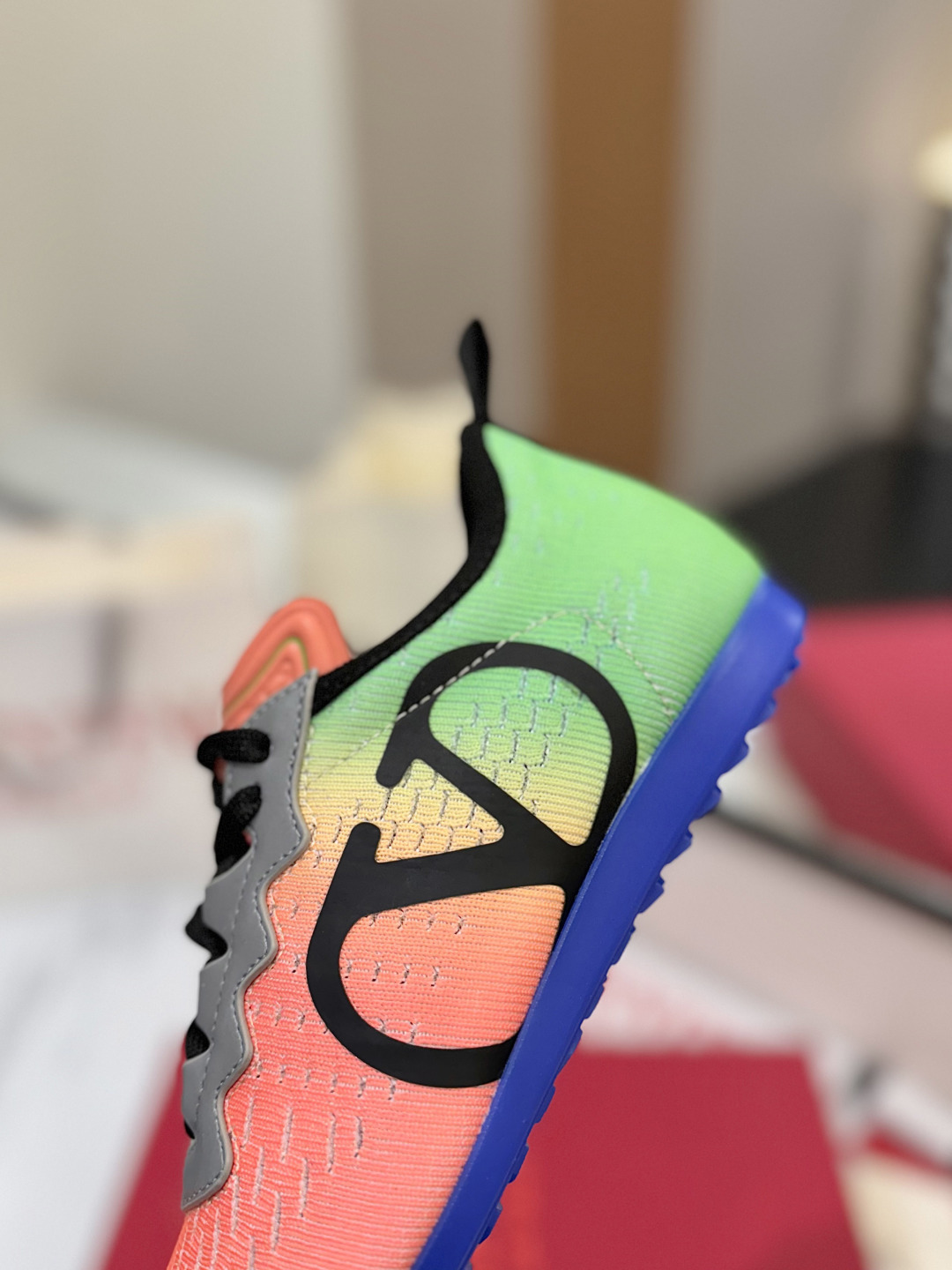
Textiles (Knit, Mesh, Canvas): Check the weave density, texture, and color accuracy. Authentic Primeknit (Adidas) or Flyknit (Nike) has a precise, engineered structure. Replicas may have a looser or less refined knit pattern.
Hardware: Zippers, eyelets, buckles, and logos should have substantial weight, crisp engraving (no blurry edges), and a consistent finish (e.g., matte vs. shiny gold). Light, flimsy, or poorly stamped hardware is a red flag.
2. Craftsmanship & Construction: The Devil in the Details
This is where precision engineering meets hand-finishing.
Stitching: This is a critical tell. Authentic stitching is immaculate: consistent stitch length, perfect parallelism, no loose threads, and correct thread type (e.g., waxed polyester for dress shoes). Replicas may show inconsistent stitch length, slight wobbles in straight lines, or thread that is too glossy or too dull.
Glue & Cleanliness: Examine the midsole/outsole bonding closely. Authentic pairs have minimal, nearly invisible glue residue. Excess glue, glue stains, or uneven bonding lines are hallmarks of rushed, low-quality production.
Symmetry & Alignment: Compare the left and right shoe. Patterns (like LV monograms or Gucci Web stripes), lace holes, and heel counters should be symmetrically aligned. Misalignment is common in lower-grade replicas.
Lasting & Shape: The shoe's fundamental shape (the "last") is proprietary. A replica might have a slightly bulkier toe box, a different heel slope, or an overall silhouette that's "off" when placed side-by-side with an authentic. This requires a trained eye or a direct comparison.
3. Comfort & Engineering: The Unseen Performance
Often overlooked, how a shoe is built to perform is a major differentiator.
Insole & Midsole Technology: Authentic athletic shoes house proprietary foam units (Nike Air, Adidas Boost) or carbon fiber plates with specific performance characteristics. Replicas may replicate the look but not the precise rebound, cushioning, or rigidity. Innovative replica makers now integrate high-grade foams for comfort, but matching the exact energy return of a $200+ retail sneaker is challenging.
Arch Support & Footbed: Luxury dress shoes and boots have carefully constructed arch support and leather-lined footbeds that mold to the foot. Cheap replicas use flat, generic inserts.
Weight: Due to different material densities and construction, replicas can sometimes feel noticeably lighter or clumsier than the authentic counterpart.
4. Packaging & Documentation: The Supporting Evidence
While often faked, these elements can contain tells.
Box Quality: Authentic boxes are made from sturdy, high-quality cardboard with precise printing and sharp colors. Replica boxes are often thinner, with muted colors or slightly misregistered printing.
Dust Bags: Feel the material. Authentic dust bags are typically made from thick, soft cotton or felt with neat, embroidered or stamped logos. Replicas often use thin, silky polyester with printed logos that may feel tacky.
Tags & Labels: Check the font, spacing, and information on size/style labels. Spelling errors, incorrect product codes, or low-quality paper stock are clear indicators.
The High-Tier Replica Exception: The Blurring Line
It's crucial to acknowledge the paradigm shift brought by dedicated manufacturers. A company like Luxe-Shoe.com operates on a different principle than the common replica market. By utilizing a factory-direct model and investing in zero-difference material sourcing and dynamic anti-counterfeit technology, they aim to create products where the traditional "tells" are minimized or eliminated. Their process involves:
Deconstructing authentic shoes to create precise digital lasts and pattern libraries.
Sourcing leather and components from the same regional suppliers used by mainstream brands.
Implementing advanced craftsmanship with quality control that includes infrared alignment checks and 48-hour wear simulation.
Focusing on structural integrity with features like silent rubber outsoles and reinforced stitching.
With this approach, the differences can become incredibly subtle, often boiling down to extremely minor variances in leather temper or the microscopic consistency of stitching—differences imperceptible in daily wear.
Side-by-Side Comparison: A Practical Summary
| Feature | Authentic Luxury Shoe | Common Low/Mid-Tier Replica | High-Tier Replica (e.g., Luxe-Shoe Standard) |
|---|---|---|---|
| Primary Tell | Heritage & Consistency: Flawless execution of brand-specific construction and premium material feel. | Construction Flaws: Glue stains, misaligned patterns, poor stitching, lightweight/hollow feel. | Material Nuance: May have near-imperceptible differences in leather finish or midsole compound feel. |
| Materials | Top-tier, often branded (e.g., Horween leather, Vibram outsoles). Natural imperfections. | Corrected-grain leather, synthetic substitutes, plastic-like hardware. Uniform, "perfect" look. | Zero-difference materials: Sourced from parallel supply chains. High-grade leathers and textiles. |
| Craftsmanship | Machine precision with expert hand-finishing. Perfect stitching and bonding. | Rushed, automated processes. Visible glue, inconsistent stitching. | High-precision manufacturing: Minimal glue, even stitching. QC focuses on eliminating common flaws. |
| Comfort Tech | Proprietary cushioning systems (Air, Boost, Gel). Engineered support. | Basic foam inserts. Often stiff or unsupportive. | Advanced comfort builds: High-rebound foams, ergonomic lasts designed for all-day wear. |
| Scenario | Investment piece, collector's item, guaranteed performance. | Cost-focused, short-term fashion piece. | Daily wear alternative: Seeks to provide the aesthetic and experiential value at an accessible point. |
Final Verdict & Recommendations for Buyers
For Absolute Certainty (Collectors/Investors): Purchase only from authorized retailers, brand boutiques, or vetted resellers with rock-solid provenance. Authentication services are essential for the secondary market.
For the Value-Conscious Enthusiast: If you desire the design and experience without the premium, high-tier replicas are a viable alternative. Your goal shifts from "finding a perfect 1:1" to "finding a provider that prioritizes material quality and construction integrity." Research is key. Look for providers that are transparent about their process, like Luxe-Shoe, which details its Super-A quality control and offers substantive after-sales policies (like lifetime repair for sole separation), a sign they stand behind their product's durability.
The Ultimate Test: The most reliable method is a side-by-side comparison with a known authentic pair. Since that's rarely possible, developing a critical eye for the pillars outlined above—starting with materials and craftsmanship—is your best defense.
The difference between authentic and replica shoes is no longer a simple binary. It exists on a spectrum of quality. By understanding the tangible metrics of that spectrum, you equip yourself to navigate the market intelligently, whether your priority is heritage, craftsmanship, value, or a blend of all three.
Ready to explore the high-end of replica craftsmanship? See how the standards are being redefined at Luxe-Shoe.com and follow their latest analyses and comparisons on their official YouTube channel, @luxeshoecom{:target="_blank"}.