For more than two centuries, the name Loro Piana has been synonymous with the pinnacle of textile craftsmanship, a quiet legend among connoisseurs who value rare fibers over eye-catching logos. In 2013, LVMH Moët Hennessy Louis Vuitton SE, the world’s largest luxury goods group, acquired the Italian gem, causing a stir in the world of bespoke and high fashion. For affluent consumers and collectors of luxury footwear and apparel, this combination represents a fascinating collision of traditional and ultra-modern luxury strategies that will continue to redefine what "Low-key exclusivity" Refers to the 21st century.
Fabrics of heritage: the uncompromising spirit of Loro Piana
Loro Piana was founded in Trivero, Italy in 1924, but with its wool merchant roots dating back to 1812, Loro Piana has built its empire on a dedication to material perfection passed down from generation to generation. Unlike trend-chasing brands, its image centers on tactile excellence: astronomical softness King’s Gift® Merino wool (microns: 12), rare vicuña (a protected species that produces only 200 grams of wearable wool each year), and the obscure Storm System® waterproof cashmere. This commitment makes it a top choice among ultra-high net worth individuals (those who value the purity of their wealth). "not a sign" Luxury existed long before invisible wealth was a hashtag.
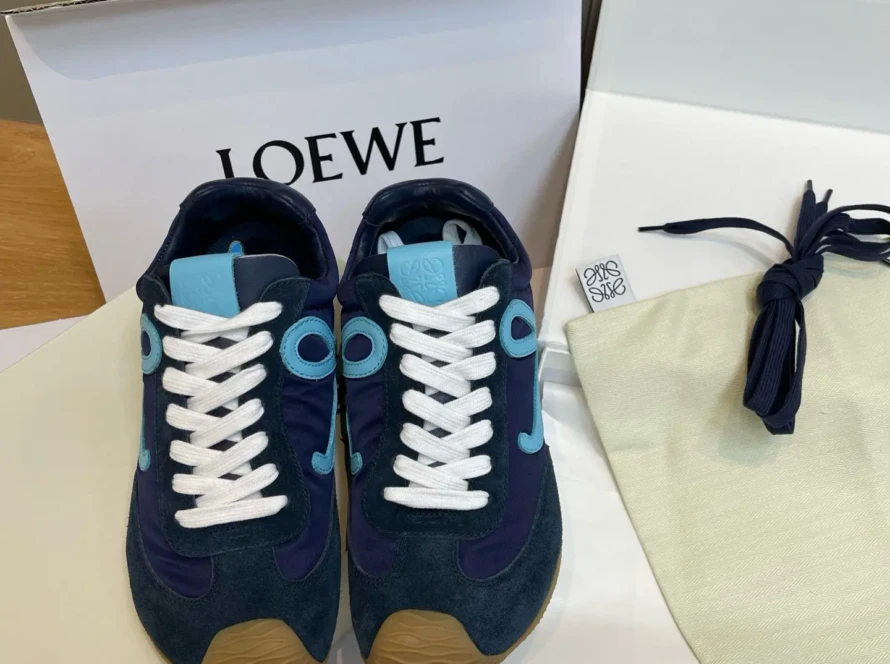
Loro Piana’s approach is particularly popular with shoe collectors. Their moccasins, loafers, and loafers—famously shabby "luxury sneakers"- Rely on finely milled leather and anatomically designed lasts, often custom-made for a millimeter-perfect fit. Each pair incorporates the brand’s textile expertise into the sole: unlined cashmere interiors, weatherproof suede and rubber overlays for urbanites who hate compromise. Before joining LVMH, Loro Piana was run like a private club, deliberately limiting production to maintain scarcity.
The LVMH equation: amplifying rarity without diluting desire
LVMH’s acquisition of 80% of Loro Piana’s shares (later increased to 100%) for 2 billion euros was a brilliant move of vertical integration. Bernard Arnault’s conglomerate has long dominated leather goods, wine and cosmetics but lacks a foothold in ultra-luxury goods textile—the nature of high-margin, desire-driven fashion. Loro Piana has unparalleled access to camel hair (the brand has licenses to more than half of global production) and its "Quiet luxury" Filled the strategic gap. Crucially, LVMH recognized that Loro Piana’s value lay not in its turnover (€700 million at the time) but in its untapped potential among the young global elite.
Rather than radically changing Loro Piana’s DNA, LVMH is deploying resources to expand the brand’s reach while fiercely defending its artisanal soul. The script includes:
- Global retail expansion: The number of boutiques has doubled in Asia (especially China) and the Middle East, where demand for boutiques has increased "hidden wealth" It broke out after 2015.
- Supply chain strengthening: Invest in proprietary wool auctions and conservation programs (such as protecting vicuña habitat in Peru) to ensure future supply.
- Cross-border charm: Introducing styles like the Open Walk and Summer Charms — casual, unlined loafers that are all the rage among Gen Zers and street style photographers — without giving up customization.
- ecosystem synergies: Utilize LVMH’s logistics for leather procurement while maintaining Loro Piana’s independent textile factory in Italy.
new era "soft power" luxurious
According to reports, after the acquisition, Loro Piana’s revenue will triple by 2023, with footwear revenue increasing by 35%. Key shifts have reshaped its customer base:
- Customization goes global: Bespoke shoe commissions – once limited to European clients – now include luggage shows in Dubai and Seoul, where craftsmen digitize foot measurements to ensure precision.
- collaborative edge: The 2022 capsule collection, launched in collaboration with Hiroshi Fujiwara’s Fragment Design, cleverly reinterprets the tradition of the hype circle with hoodies and sneakers in embossed Cashfur®.
- Storytelling in the digital age: LVMH’s technology investments enable immersive content, such as a VR tour of the llama ranch, that deepens emotional connections with new buyers.
Yet criticism remains. Purists believe Loro Piana’s expansion risks commodifying its treasures – a claim countered by moves such as restrictions on camel hair "Lottery" Release (only 50 pieces per year worldwide) and the iconic loafer’s unwavering price of over €8,000. For collectors, the value proposition remains clear: no mass-market brand can replicate the generational know-how behind a triple-woven Baby Cashmere jacket (€20,000; 19 microns) or the invisible stitching on a pair of Suede Walk sneakers (€1,100).
Conclusion: The tapestry woven by trust
The LVMH-Loro Piana alliance exemplifies how the old guard of luxury brands can evolve without eroding its soul. By respecting artisanal traditions while strategically broadening access, the group transformed a niche textile company into a global symbol of enlightened consumption. For shoe collectors and bespoke customers, this means unprecedented access to the world of Loro Piana, but only if they accept a paradox: true luxury is not owning something rare, but knowing why it is irreplaceable. As vicuña herds reclaim the Andes and sixth-generation weavers in Piedmont still hand-dye yarn, Loro Piana’s legacy remains woven into every fiber, proving that even under conglomerate ownership, scarcity can find a way.
FAQ: Loro Piana and LVMH explained for discerning clients
Q: Has LVMH changed the production standards of Loro Piana?
A: There are no fundamental changes – key materials (vicuña, cashmere) are still managed directly by Loro Piana. LVMH’s oversight reinforces sustainability commitments (for example, traceable wool sourcing) while preserving artisanal techniques.
Q: Why is Loro Piana’s price higher after LVMH?
A: The price increase reflects inflation in rare materials (vicuna fiber now exceeds 500 euros/kg) and in the expansion of processes (e.g. hand-painted soles). However, limited editions always command a premium.
Q: Are Loro Pana shoes still handmade in Italy?
Answer: Yes. Although LVMH has optimized logistics, assembly is still carried out in Loro Piana’s footwear studio in Italy, and some components (such as suede) are prepared in its original factory.
Q: How does LVMH’s ownership affect custom orders?
A: Customized services are expanding globally, but delivery time (6-8 months) and quality control remain strict. A pair of custom loafers still requires 78 manual steps.
Q: Is Loro Piana considered a strategic asset of LVMH?
Answer: Of course. It is the backbone of LVMH "absolute luxury" Its price exclusivity is higher than that of brands such as Fendi, and it has ensured its dominance in the high-margin, scarce textile sector.
Q: Does Loro Piana still source vicuña ethically?
A: Yes, the brand funds Andes conservation programs and adheres to CITES-mandated shearing practices. Each camel hair garment includes an NFC tag that tracks its origin.