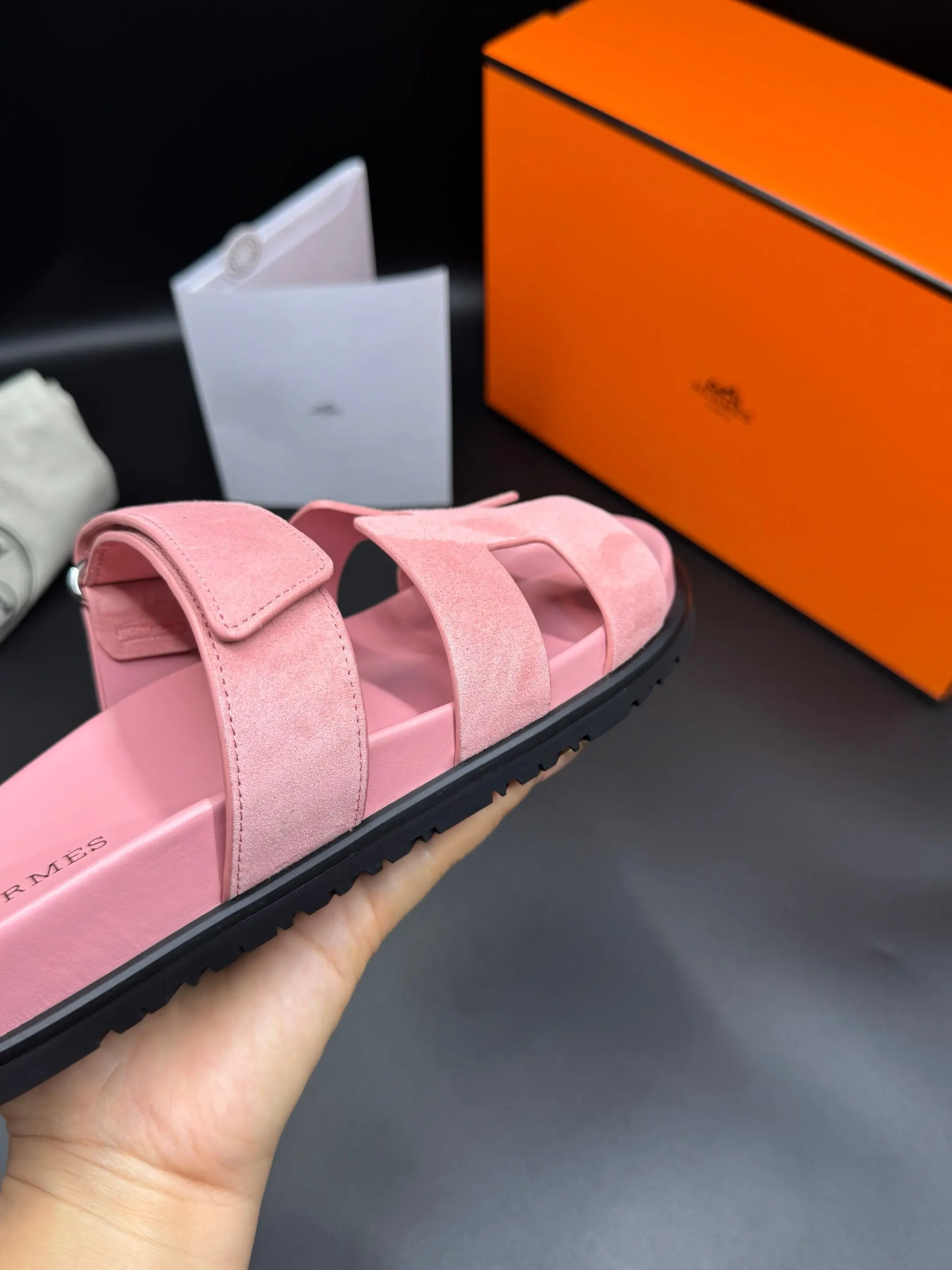
Undiscovered elegance: why the Portuguese luxury shoe brand belongs in your collection
When people think of European luxury footwear, they often think of Italian fashion or French savoir-faire. However, lurking under the mainstream luxury radar is a powerhouse of craftsmanship, innovation and understated sophistication: Portugal. For the discerning collector or bespoke customer, the Portuguese shoe brand blends traditional artistry, avant-garde design and sustainable practices while offering exceptional value in the luxury segment.
A legacy stitched together in time
Portugal’s shoemaking tradition dates back centuries, with roots in the northern regions of Porto and Guimarães, where generations of craftsmen have honed family-herited skills. Unlike its mass-produced alternatives, the Portuguese brand prioritizes skill over speed. this Work Characterized by intimate workshops, master shoemakers employ age-old methods such as handcrafting, Goodyear welting and meticulous patina finishes. This dedication ensures that each pair is more than just footwear, but a wearable piece of art.
The brand that defines modern Portuguese luxury
While Portugal has long been a low-key manufacturing hub for global luxury brands, its homegrown brands have begun to step into the spotlight. Here are the names every connoisseur should know:
carlos santos shoes
Founded in 1942, Carlos Santos embodies the balance between tradition and modernity. their signature "hand painted bronze" technology creates deep, rich colors that evolve with wear, while its Bordeaux-inspired inspiration "shark" The captoe embodies bold architectural lines. Each pair goes through more than 200 steps to create an oak bark-tanned leather sole and precision stitching.Luis Onofre
A favorite among luxury fashionistas, Onofre combines Portuguese craftsmanship with runway flair. Collaborations with international designers have resulted in limited-edition collections using unexpected materials: think python skin embossed with gold leaf, or sculpted pumps resembling Alicante marble. Celebrities like Charlize Theron have embraced his edgy silhouettes.Wendandi
For customization enthusiasts, Undandy offers a digital-first customization experience without compromising on handcrafted quality. Customers can select every detail via 3D preview, from leather type (sustainably sourced calfskin from the Azores, for example) to monogrammed insoles. The shoes will then be handcrafted over four weeks in São João da Madeira, Portugal’s shoemaking hub.- Paul Oliveira
Oliveira prioritizes sustainability without sacrificing luxury, using vegetable-tanned leather and chrome-free dyes. their "Eco-luxury" Featuring biodegradable rubber soles and linings made from recycled ocean plastic, the collection proves that ethical production can coexist with sophisticated aesthetics.
Sustainability Advantages
Portuguese brands are quietly leading the sustainability revolution in luxury. More than 90% of Northern Territory’s factories use renewable energy, many of which "closed loop" Water system to minimize waste from the dyeing and tanning process. Brands such as Natsu Cork, a renewable Portuguese resource, is even incorporated into the signature insole, providing unparalleled comfort and eco-credentials.
Customized experience: the collision of tradition and personality
For collectors seeking exclusivity, custom homes in Portugal offer unparalleled personalization. in Lisbon Craftsmanship and Techniquescustomers go through a ceremonial shoe lasting process where their feet are measured in 17 dimensions. Craftsmen then carve out a personalized wooden last, ensuring a glove-like fit and arch support suited to the wearer’s gait. The process takes six fittings over eight to 12 weeks, resulting in shoes that transcend mere accessories—they become family heirlooms.
Craftsmanship worth investing in
While Italian shoes often command a premium due to brand reputation, Portuguese shoes offer the same (or better) quality at 20-30% lower prices. The structural complexity of Carlos Santos patina oxford shoes (approximately €450) rivals Italian styles priced upwards of €1,200, while Undandy’s bespoke derby shoes start at €550 – a fraction of the price of a bespoke Savile Row shoe. Additionally, the sturdy Goodyear welted sole ensures breakdown potential for decades of wear.
Conclusion: The Quiet Revolution in Your Wardrobe
Portuguese luxury footwear represents more than just a trend; for savvy collectors, it’s a revelation. With uncompromising craftsmanship, pioneering sustainability and bespoke ingenuity, these brands challenge the old guard of European luxury. Whether you are attracted by the bold creativity of Luís Onofre or the environmental elegance of Paulo Oliveira, investing in Portuguese shoes is more than just a purchase, it is the beginning of a centuries-old artistic legacy waiting to be rediscovered.
FAQ: Portuguese Luxury Shoe Brands
Q: How do Portuguese shoes compare to Italian or British shoes?
A: Portuguese brands are comparable in craftsmanship to their Italian and British counterparts, but tend to emphasize hand finishing and innovative materials at more affordable prices. Their Goodyear welting meets Northampton standards, while their patina technology surpasses many Milanese brands.
Q: Are Portuguese shoes suitable for wide feet or are they customized?
Answer: Of course. Brands like Undandy and Crafto & Artífice specialize in custom widths and lasts. The custom process takes into account instep height, toe space and arch structure to ensure comfort without sacrificing aesthetics.
Q: What makes the Portuguese shoe industry sustainable?
A: Renewable materials (e.g. cork, organic cotton), chrome-free tanning and energy-efficient workshops are standard. Many brands have certifications such as the Leather Working Group’s Gold rating or non-toxic dye OEKO-TEX®.
Q: How to care for hand-painted patina leather?
A: Use a pH-neutral cream and avoid wax-based polishes, which can dull the translucency of your patina. Use cedar trees to store shoes to absorb moisture and maintain their shape. Professional cleaning is recommended every 6-12 months.
Q: Why are Portuguese brands not as well-known as other European luxury brands?
A: Portugal has historically focused on B2B manufacturing for global brands, prioritizing craftsmanship over marketing. The recent shift toward direct-to-consumer models and digital platforms has increased their popularity among collectors.
Q: Can I visit a Portuguese shoemaking studio?
Answer: Yes! Many brands, such as Carlos Santos in São João da Madeira, offer immersive workshops where customers can observe the stages of production or work with master craftsmen to design limited-edition pairs.
For luxury connoisseurs looking for rarity, substance and innovation, Portuguese footwear is not a replacement but the future, one exquisite pair sewn at a time.