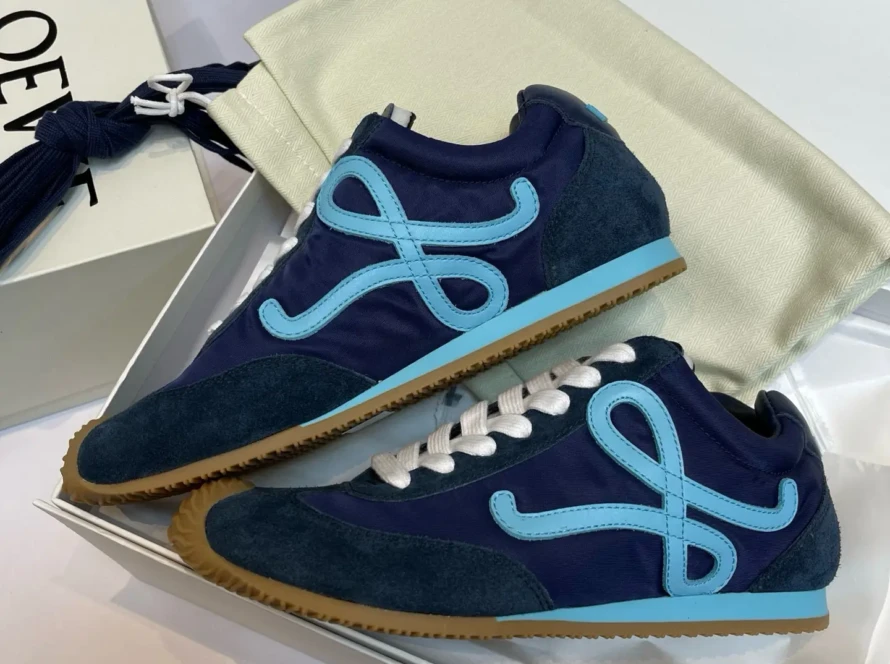
There’s something undeniably magical about a well-made pair of leather shoes—the soft texture, precise stitching, and the way they mold to your feet over time. For connoisseurs who invest in custom oxfords, hand-sewn loafers or limited-edition boots, these pieces are more than just footwear; They are family heirlooms. However, even the most delicate leather ages. Wear, creases and dullness can diminish their magnificence. The art of renewing leather shoes is not just maintenance; It is an act of protecting, respecting craftsmanship and continuing the legacy of luxury.
For the discerning collector or clothing enthusiast, reviving leather shoes requires a blend of science, art and respect for the material. Here’s how to breathe new life into your prized possession while respecting its integrity.
The philosophy of leather renewal
Leather is organic at its core. Just like human skin, it responds to the environment – drying out in arid climates, absorbing moisture in humid environments, and developing characteristics with wear and tear. True renewal is not about erasing this history, but about revitalizing it while preserving its story. Luxury brands such as John Lobb, Edward Green or Berluti understand this well and often offer renovation services that prioritize aesthetic rejuvenation and structural integrity.
Step One: Assessment Ceremony
First, diagnose the condition of your shoes as precisely as a repairman would. examine:
- Surface damage: Minor scratches, water spots or discoloration.
- Structural issues: The sole is detached, the heel is worn, or the stitching is loose.
- Leather health: Dry, cracked, or lose elasticity.
Affluent clients often underestimate the cumulative toll of environmental factors. UV rays can fade colors, while dust can seep into pores and accelerate wear. For rare or custom-dyed leathers (such as vegetable-tanned Tuscan calfskin), consult a professional to avoid irreversible damage.
Step 2: Clean Science
no way Use an all-purpose cleaner on luxury leather. Invest in a pH-neutral, solvent-free product formulated specifically for high-end hides and skins.
- Dust removal: Horsehair brushes have soft, dense bristles that remove particles without causing abrasion.
- Deep cleaning: Use a suede cloth and cleaner, e.g. Renomat gold sapphire For stubborn dirt. Test on a hidden area first—unpredictable dyes (such as aniline leather) may react adversely.
- Interior care: Eliminating odors is important. Cedar shoe trees absorb moisture and maintain their shape; for persistent odors, consider using a silicone bag or UV-C light sanitizer.
Step Three: The Alchemy of Hydration
Leather’s biggest enemy is dehydration. Cream conditioners containing lanolin or beeswax (avoid petroleum derivatives) penetrate deeply.
- application: Work with your bare hands in a circular motion – the warmth of your body will soften the product. For exotic leathers (crocodile, ostrich), choose a specialized conditioner—their porous scales require a gentler formula.
- frequency: Maintenance is required every 3 to 6 times of wear, and earlier if the shoes are exposed to rain/snow.
Step Four: Color Resurrection
Wear on patent leather or fading on museum calfskin can be cause for alarm. Here’s how to rejuvenate:
- Pigments and dyes: Pigmented creams (e.g. Colonial 1909) creates an opaque finish for deep scratches, while clear dyes preserve the natural patina.
- technology: Apply a thin layer of color. Use a German applicator brush for even coverage, applying outside of the damaged area to avoid “spotted” repairs.
- finishing: High-gloss mirrors require patience. Apply wax polish with a damp cotton ball and wipe in quick, linear strokes with a silk cloth.
Step Five: Sole and Heel Revival
Worn soles not only affect their appearance but also their comfort. luxury shoemaker likes shoes of honor or company Replace soles with precision—think JR Rendenbach oak bark-tanned leather or the durability of Vibram Top Pieces. For DIY enthusiasts:
- Edge trimming: Hide heel wear with edge stain that matches the tone of the sole.
- Protective measures: Topy half-sole protects against road wear without changing the flexibility of the shoe.
Step Six: The Last Guard
- water proof: Nanospray (e.g. Tarago Nano Protectant) creates an invisible shield without changing the texture.
- Storage: Rotate shoes in a climate-controlled cabinet (65°F, 45% humidity). Avoid direct sunlight – it can oxidize leather tannins.
When to consult a guru
While DIY care is comforting, some situations require experts:
- Patina Refinement: Custom Patina (like Gaziano & Girling’s Deco line) requires meticulous color mixing.
- Structural reconstruction: Re-capping the welted sole or replacing the cork padding will ensure longevity.
- Vintage restoration: Medieval Florsham or church archivists needed historically accurate binders and threads.
Conclusion: The Ethics of Longevity
Updated leather shoes go beyond vanity. In an age of throwaway fashion, it’s a statement of sustainability—an ode to craftsmanship and mindful consumption. For luxury collectors, each revived stitching and refreshed panel extends a narrative. This isn’t just about preserving value (although rare models appreciate significantly); it’s about honoring the hands that made them. Your shoes are more than just objects; they are your shoes. They are legacy. Treat them like this.
FAQ: Leather Updates for Connoisseurs
Q: How often should I completely refresh my leather shoes?
one: For everyday shoes, deep cleaning and conditioning every 6-8 weeks is sufficient. Collectible or archival pieces should be professionally maintained annually even if they are not worn – leather will passively degrade.
Q: Can I repair deeply cracked leather?
one: Surface cracks may be softened by heavy conditioning, but structural cracks require professional leather putty and pigment matching filling. Prevention is key – be proactive about hydrating your leather.
Q: Are “natural” DIY remedies (vinegar, olive oil) safe?
one: Absolutely not. Oils become rancid; acidic detergents destroy tannins. Invest in lab-tested products.
Q: Will polishing damage my horsehide roll?
one: Shell’s unique marble finish requires minimal polishing to achieve. Use Deer Bone Massage Rolls and Sapphire cordovan cream thriftily.
Q: How to protect rare leathers such as lizard or python?
one: Avoid conditioners that contain oil—they can loosen flakes. Use a reptile-specific spray and store in a breathable cotton bag.
Question: Is it effective to soak in the sun with wet shoes?
one: Sunlight deforms leather. Stuff the paper into the shoe, dry it at room temperature, and maintain it after it’s completely dry.
Renewal is a dialogue between owner and artifact—a practice of patience and respect. When executed with expertise, it ensures that your shoes not only last, but also continue to evolve, becoming richer with every careful intervention.