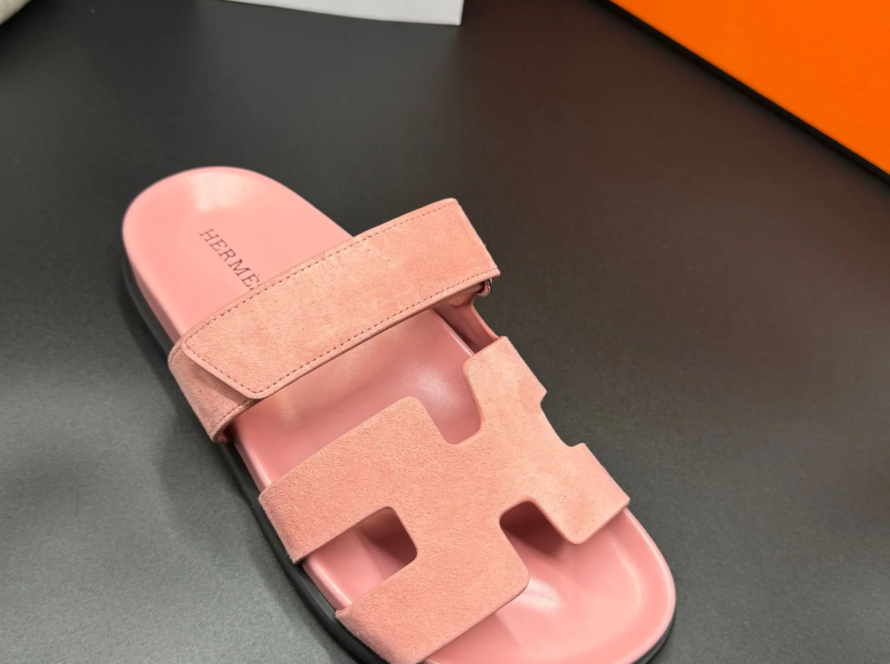
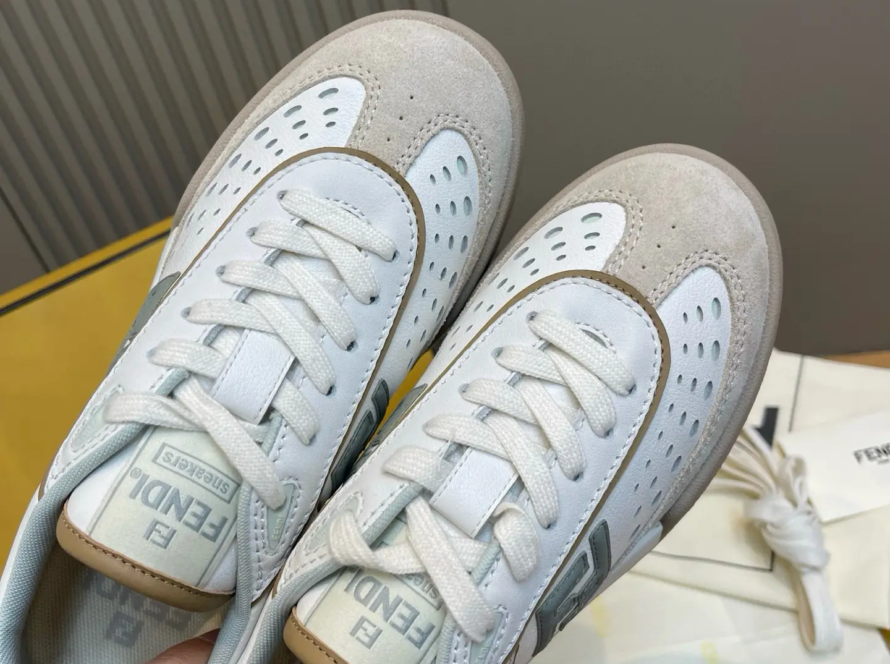
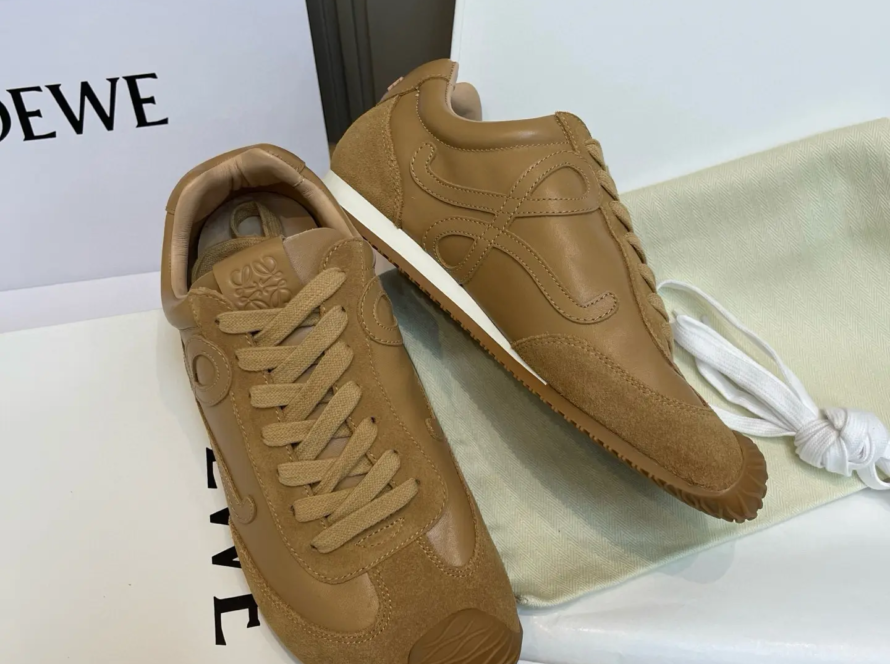
When we consider the construction of a truly remarkable pair of shoes—whether a custom oxford, a handcrafted loafer, or an avant-garde luxury sneaker—the sole is more than just a functional afterthought. It is the basis for a fusion of elegance, comfort and craftsmanship. For discerning customers who appreciate detail, the sole represents a silent signature of quality, a testament to the artistry and engineering that go into transforming footwear into wearable art.
Invisible luxury: why soles matter
In high-end footwear, soles are a combination of tradition and innovation. While a well-polished upper may catch the eye, it’s the sole that determines a shoe’s longevity, comfort, and performance. Luxury brands and custom craftsmen know this well: the choice of materials, construction techniques, and even the subtle curvature of the sole’s contours are carefully calibrated to enhance the wearer’s experience.
Material: the soul of the sole
Premium leather sole:
Traditionally favored by luxury brands like John Lobb and Berluti, full-grain leather soles are the gold standard in custom footwear. These soles are tanned with plant or bark extracts to make them breathable, allowing the feet to mold and develop a unique patina over time. Discerning collectors appreciate the quiet elegance of polished floors—a sign of sophistication.Exotic and Rare Materials:
For those seeking exclusivity, soles made from stingray, crocodile or even fossilized mammoth leather (pioneered by niche artisans) elevate luxury to the realm of wearable heirlooms. These materials are not just about beauty; Their density and durability provide unparalleled resiliency.- Innovative composite materials:
High fashion brands such as Balenciaga and Maison Margiela are increasingly experimenting with futuristic materials: recycled carbon fiber with feather-light stiffness, silica-infused Vibram® rubber for urban traction, or biodegradable algae foam in line with sustainability values.
Architecture: art at your feet
The method of attaching the sole to the shoe determines not only its longevity but also its ability to be repaired—a key consideration for collectors investing in timeless pieces.
Goodyear welt:
Known for durability and repairability, this technique stitches the sole to a strip of leather (the welt) that surrounds the perimeter of the shoe. Brands like Edward Green and Crockett & Jones utilize this 19th-century method, which is perfect for creating heirloom-quality shoes because of its elasticity and easy resoling.Black suture:
This Italian-origin method is smoother and more flexible than Goodyear welting, stitching the sole directly to the insole, resulting in a slimmer silhouette. It combines lightness with sophistication and is favored by designers such as Tod’s and Bontoni.- Handmade customization:
For ultimate personalization, master shoemakers handcraft soles to match the shape of the customer’s foot. The likes of George Cleverley or Stefano Bemer might carve the sole out of a piece of oak-tanned leather, ensuring perfect balance and arch support suited to the wearer’s gait.
Functional Aesthetics: Beyond Surface
Luxurious soles often incorporate subtle design details that demonstrate expertise:
- Grooved sole:
The leather sole is engraved with fine grooves that hide seams for a sleek, uninterrupted silhouette. - Branding and embossing:
Hermès icon "H" Or the scarlet paint on Christian Louboutin’s rubber soles that turned the underside into a status symbol visible with every step. - terrain contours:
Advanced 3D mapping technology allows brands like Adidas x Gucci to design soles that mimic the foot’s natural pressure points, blending ergonomics with cutting-edge aesthetics.
Sustainability and craft preservation
The growing ecological consciousness of affluent consumers has spurred innovation in ethical shoe sole production. Stella McCartney uses recycled ocean plastic in the soles of her Falabella shoes, while smaller studios like Vienna’s Nikolai recycle vintage leather for customization. At the same time, crafts guilds in Europe and Japan are working hard to protect endangered technologies, e.g. Norajiji (A Japanese hand-stitching method that gives the sole unparalleled flexibility).
in conclusion
The sole is its quiet masterpiece – a combination of tradition, innovation and personal expression. For connoisseurs of luxury, investing in shoes with well-crafted soles is not just about comfort or durability; It is an embrace of tradition and a tribute to the craftsmen who transform humble materials into lasting symbols of taste. As fashion evolves, the sole remains proof that true luxury is always rooted in excellence.
FAQ: Decoding Soles for the Discerning Wearer
Question 1: How often should I replace the soles of my luxury leather-soled shoes?
A: With regular rotation and care, high-quality leather soles can last 1-3 years. Once the forefoot shows significant wear or stitches are exposed, replace the soles.
Q2: Are rubber soles less famous than leather soles?
Answer: Not innate. Luxurious rubber soles (such as Vibram’s “Morflex” or Louboutin’s patented formula) combine weather resistance with sophistication. The key is quality and design intent.
Q3: Can customized soles meet orthopedic needs?
Answer: Of course. A master shoemaker can discreetly integrate arch support, metatarsal pads and even shock-absorbing layers without compromising aesthetics.
Q4: How to protect leather soles from water damage?
A: Treat them with a waterproof wax (such as Saphir’s Invulner) and avoid prolonged exposure to wet surfaces. For rainy climates, consider adding discreet rubber toe faucets.
Q5: What makes a shoe sole “reshapeable”?
A: Construction methods like Goodyear welting allow soles to be removed and replaced without damaging the upper. Always verify remanufacturing services before purchasing investment pieces.
Q6: Are sustainable soles as durable as traditional soles?
A: Innovative products such as apple-based bioceramics or algae foams rival petroleum-based rubber in terms of longevity while significantly reducing environmental impact.
For collectors, the sole is where the story begins—its wear pattern, its materials, who made it. Every step is full of artistry.