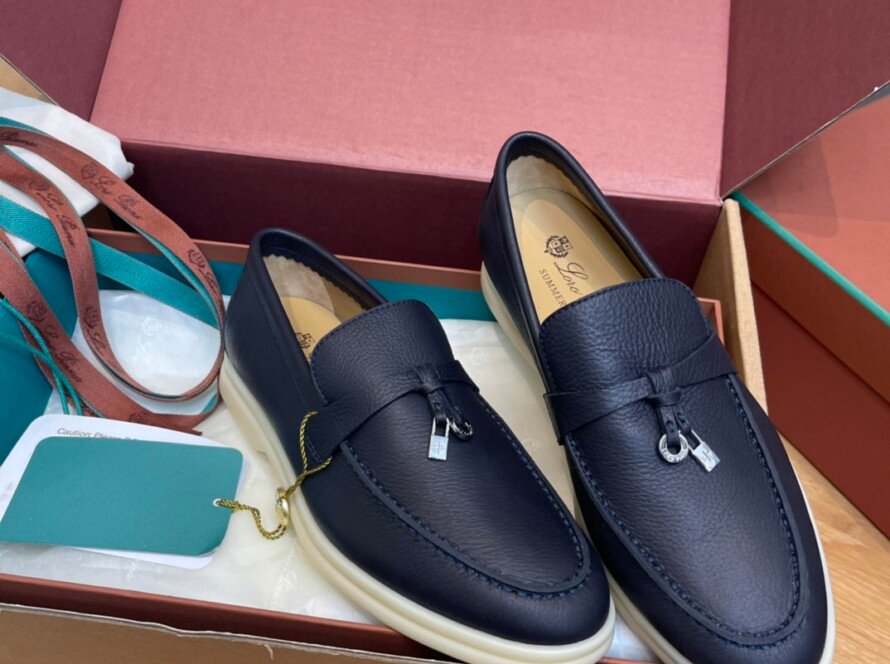
How to Soften Stiff Leather Shoes: An Insider’s Guide
For lovers of fine footwear, there is nothing more satisfying than the tactile satisfaction of a pair of pristine leather shoes. However, even the most gorgeous Italian calfskin or buttery French box leather can develop or evolve into an annoying stiffness. Hard leather is not only uncomfortable; It can distort the structure of the shoe, create unsightly wrinkles, or even crack under pressure. For collectors and custom customers who view shoes as heirlooms, mastering the art of softening leather is a no-brainer.
This guide goes beyond basic internet "hacker" and delving into scientifically-backed, luxury-approved technologies to enhance comfort while maintaining integrity.
Understand why leather becomes hard
Leather is a living material. Its stiffness results from dehydration, shrinkage of natural fibers, or accumulation of wax/polishes over time. High-end shoes often use full-grain or vegetable-tanned leathers, which are denser and more structured—great for longevity, but terrible to begin with. Stiffness can be exacerbated by environmental factors (low humidity, heat) or infrequent wear.
Luxury-approved softening technology
1. The Power of Advanced Conditioner
why it works: Conditioner replenishes lost lipids and oils to relax leather fibers.
how to do:
- Start by cleaning the shoes with a pH-neutral leather cleaner (e.g. Renomat gold sapphire).
- Use a pea-sized amount of conditioner (Bicmore Bic 4, Chamberlain’s Leather Milk) using a microfiber cloth in a circular motion.
- Allow to absorb overnight, away from direct heat.
- Rub gently with a horsehair brush.
For tips: For patent or exotic leathers, use a specialized conditioner to avoid dulling of the finish.
2. Gradually precise running-in
why it works: Controlled wear distributes natural flex points without straining seams.
how to do:
- Wear shoes indoors for 1-2 hours a day Merino wool socks (For example, Brescia or Panthera).
- Focus on gentle movements: avoid squatting or excessive bending.
- Insert cedar shoe trees after wear to maintain shape and absorb moisture.
3. Controlled heating
why it works: Gentle heat temporarily relaxes leather fibers and accelerates softening.
how to do:
- Use a hair dryer low calorie 12+ inches from leather.
- Keep moving to avoid overheating.
- Use conditioner immediately after to lock in softness.
warn: Do not use on suede, patent or painted leather.
4. Professional shoe stretching
why it works: Cobblers use calibrated stretchers to target specific areas (toes, instep) without deformation.
When to choose this: For custom or limited edition shoes, professional intervention can preserve resale value and craftsmanship.
5. Leather Art "Nutrition"
why it works: Natural oil penetrates deeply to restore elasticity.
how to do:
- For rough leathers (e.g. cordovan, shell leather), apply Pure mink oil or mink brush in thin layers.
- For dress shoes, choose lighter ones cow’s foot oil.
- Absorption takes longer than 48 hours; excess oil attracts dirt.
What no Related to luxury leather
- Avoid using alcohol/topical solutions: They remove dyes and natural oils.
- Never freeze shoes: viral "hacker" It is recommended to freeze water bags inside the shoes to stretch them. This runs the risk of seams cracking and the leather shrinking.
- overregulation: Saturated leather weakens the fibers. Limit adjustments to every 3-6 months.
Conclusion: Patience is the ultimate luxury
Softening leather shoes is both science and ritual. For discerning enthusiasts, taking shortcuts is inconsistent with the spirit of craftsmanship. Invest in quality products, prioritize gentle techniques, and remember: the best leather softens elegantlyforming a patina that tells a story of care and refinement. Whether it’s a $2,000 custom oxford or a vintage revival, patience will ensure your shoes become companions, not victims.
FAQ: Softening Hard Leather Shoes
Q1: How long does it take for leather shoes to soften?
- answer: Depends on leather thickness and method. Conditioning provides immediate pressure relief; break-in takes 10-20 wears.
Q2: Can I use olive oil or coconut oil on leather?
- answer: Not recommended. Vegetable oils can oxidize and go rancid, attracting pests. Stick to leather-specific conditioners.
Q3: Will softening affect the shape of the shoes?
- answer: Proper technology does not. Always use shoe stretchers and avoid overstretching.
Q4: Do all leather types soften in the same way?
- answer:unnecessary. Shell horse leather requires a wax-based conditioner; suede requires a silicone spray. Start by researching your leather type.
Q5: My shoes are still hard after conditioning. What now?
- answer: Consult a professional shoemaker. Structural stiffness may indicate needs outside of home care.
Question 6: How often should I care for stiff shoes?
- answer: The break-in phase is conducted every 4-6 weeks, followed by quarterly maintenance.
Q7: Is stiffness a sign of poor quality?
- answer: uncertain. High-quality leather is usually stiff initially to ensure durability. However, cheap corrected grain leather can crack if treated too much.
By combining artisanal wisdom with material science, this guide ensures your leather treasures are as luxurious on your feet as they are in your wardrobe.