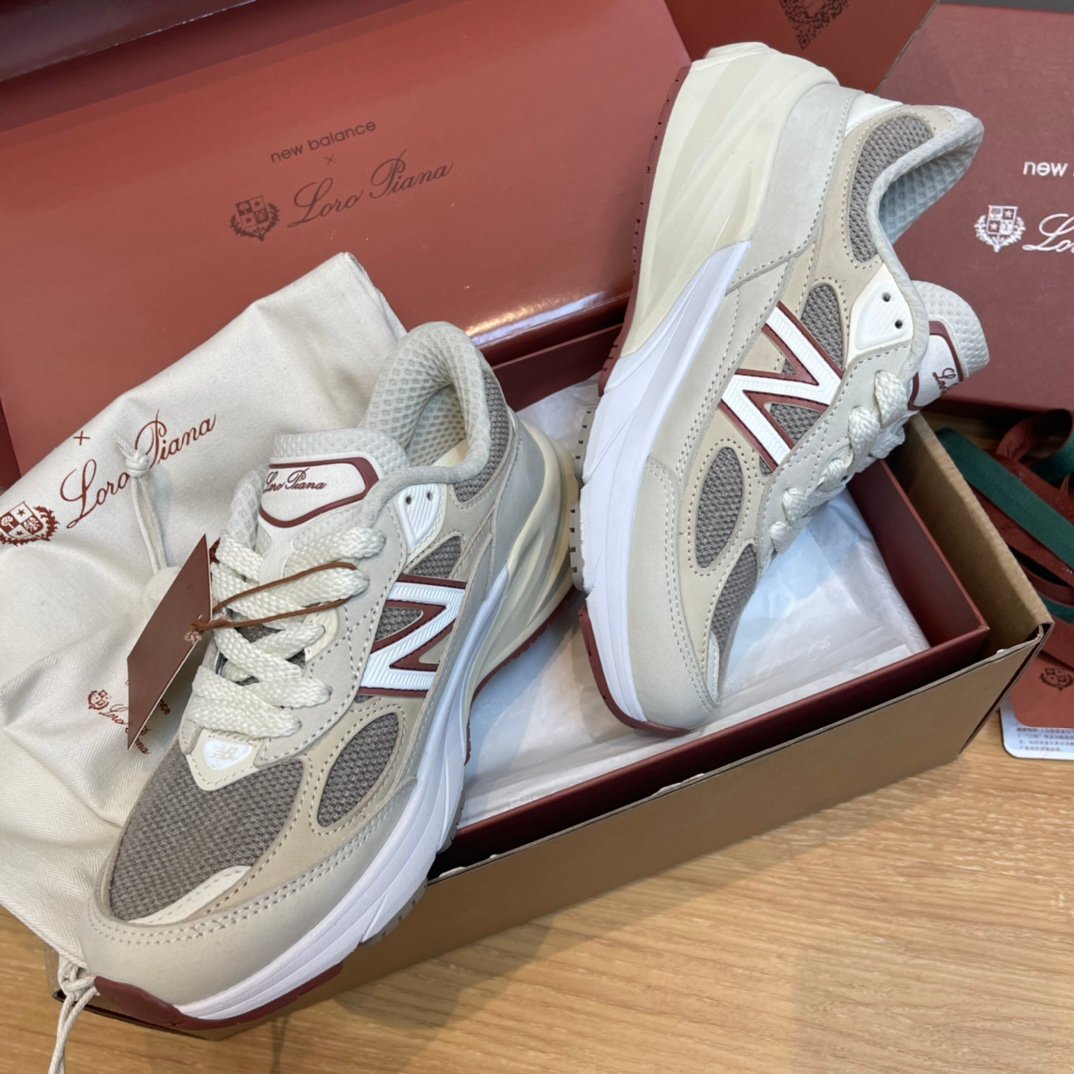
In today’s fashion landscape, the line between authentic luxury footwear and high-quality replicas has become remarkably thin. For consumers, resellers, and enthusiasts alike, the ability to distinguish between the two is a valuable skill. Whether you’re vetting a second-hand purchase, verifying a product’s provenance, or simply curious about manufacturing details, this guide provides a systematic, multi-dimensional approach to identifying replica footwear, while also exploring how the very definition of a “good replica” has been redefined by manufacturers like Luxe-Shoe.com.
The Evolution of Replication: Beyond the Obvious Tell
Gone are the days when a crooked logo or poor stitching was a dead giveaway. Advanced manufacturers now employ sophisticated techniques, making identification a nuanced process. The key lies in examining a combination of factors across materials, craftsmanship, and subtle engineering details.
1. Material and Craftsmanship Tells (The Primary Indicators)
This is where most mid-tier replicas fail and where elite manufacturers like Luxe-Shoe invest heavily.
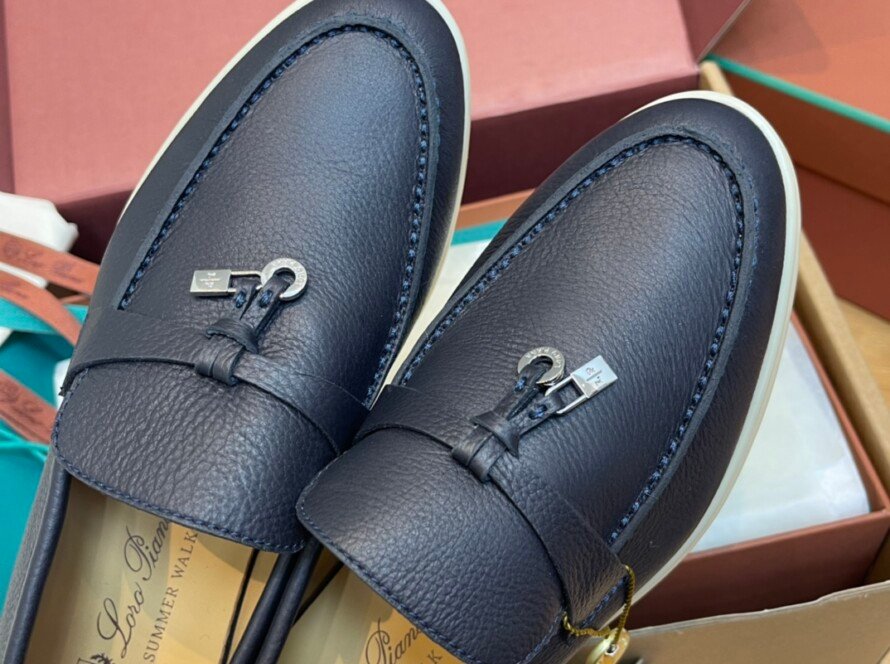
Leather Grain and Feel: Authentic luxury shoes use full-grain or top-grain leather with consistent, natural grain. Lower-tier replicas often use corrected-grain leather or synthetic materials with a plastic-like feel or a repeating, unnatural grain pattern. High-tier replicas, however, source from the same tanneries as premium brands. The difference can be minuscule, often coming down to the hand-feel and aging characteristics. Authentic vegetable-tanned leather develops a rich patina; some replicas may use coated leathers that age less gracefully.
Stitching Precision: Examine the stitching density, angle, and consistency.
Authentic: Stitching is uniform, with consistent stitch-per-inch (SPI) counts, straight lines, and no loose threads. On brands like Gucci or Berluti, stitching is a signature art form.
Low-Tier Replica: Uneven stitching, varying SPI, slanted stitches, or visible glue alongside stitches.
High-Tier Replica (e.g., Luxe-Shoe Standard): Utilizes specialized stitching machines and protocols that match authentic SPI and patterns. Discrepancies, if any, require caliper measurement to detect.
Hardware Quality: Zippers, eyelets, buckles, and brand engravings.
Check the weight and finish. Authentic hardware feels substantial, with crisp, clean engraving and a uniform finish (e.g., brushed, polished, antique).
Replica hardware can feel lighter, have softer or blurred engravings, and show plating inconsistencies or premature tarnishing. Luxe-Shoe addresses this by using solid brass/custom-cast fittings with precise laser engraving to match OEM specs.
2. Comfort and Construction Details (The Hidden Engineering)
This area reveals the most about a shoe’s origin, as replicating internal architecture is complex and costly.
The Last and Fit: The last (the foot-shaped form over which the shoe is built) defines comfort. Authentic brands spend years perfecting theirs.
A common replica tell is an unnatural fit—too narrow in the toe box, improper arch support, or an overall “clunky” feel despite accurate exterior dimensions.
Manufacturers focused on wearability, like Luxe-Shoe, often modify lasts slightly for better comfort while preserving the external silhouette, a nuance only apparent during extended wear.
Insole and Midsole Construction: Remove the insole if possible.
Look for branded markings, quality of foam, and stitching on the interior bed. Authentic shoes have clean, finished interiors.
Replicas may have glue residue, uncovered nails/stables, or low-density foam that compresses quickly. High-end replicas now incorporate multi-layer cushioning systems and anti-microbial linings comparable to originals.
Outsole Mold and Flexibility: Check the pattern depth, rubber compound, and flexibility.
Compare the outsole tread pattern to official images. Subtle variations in icon placement or depth are common in replicas.
The rubber compound’s hardness and flexibility are often different. Some premium replicas, however, now use proprietary rubber blends for silent traction and durability that can match or exceed originals.
3. Packaging, Documentation, and “The Unboxing”
While often replicated, packaging is a frequent stumbling block.
Dust Bags and Boxes: Feel the material of the dust bag. Authentic bags are typically made from high-quality, non-static cotton or felt with precise, woven labels. Replica bags often use cheaper, thinner polyester with printed labels that may have color bleeds. Box quality (cardboard weight, gloss finish, print clarity) is another indicator.
Tags, Labels, and Serial Numbers: Scrutinize every detail.
Font weight, spacing, and color on size/style tags are often slightly off on replicas.
Authentic shoes have unique serial/model numbers inside. While replicas replicate these, databases for verification are brand-controlled. Some high-tier producers like Luxe-Shoe implement their own QC traceability codes for internal batch verification, adding a layer of transparency uncommon in the industry.
The New Paradigm: When “Telling” Becomes a Challenge
The most significant shift in the market is the emergence of the “Zero-Difference” replica category, pioneered by dedicated manufacturers. Here, the traditional “tells” are systematically engineered away:
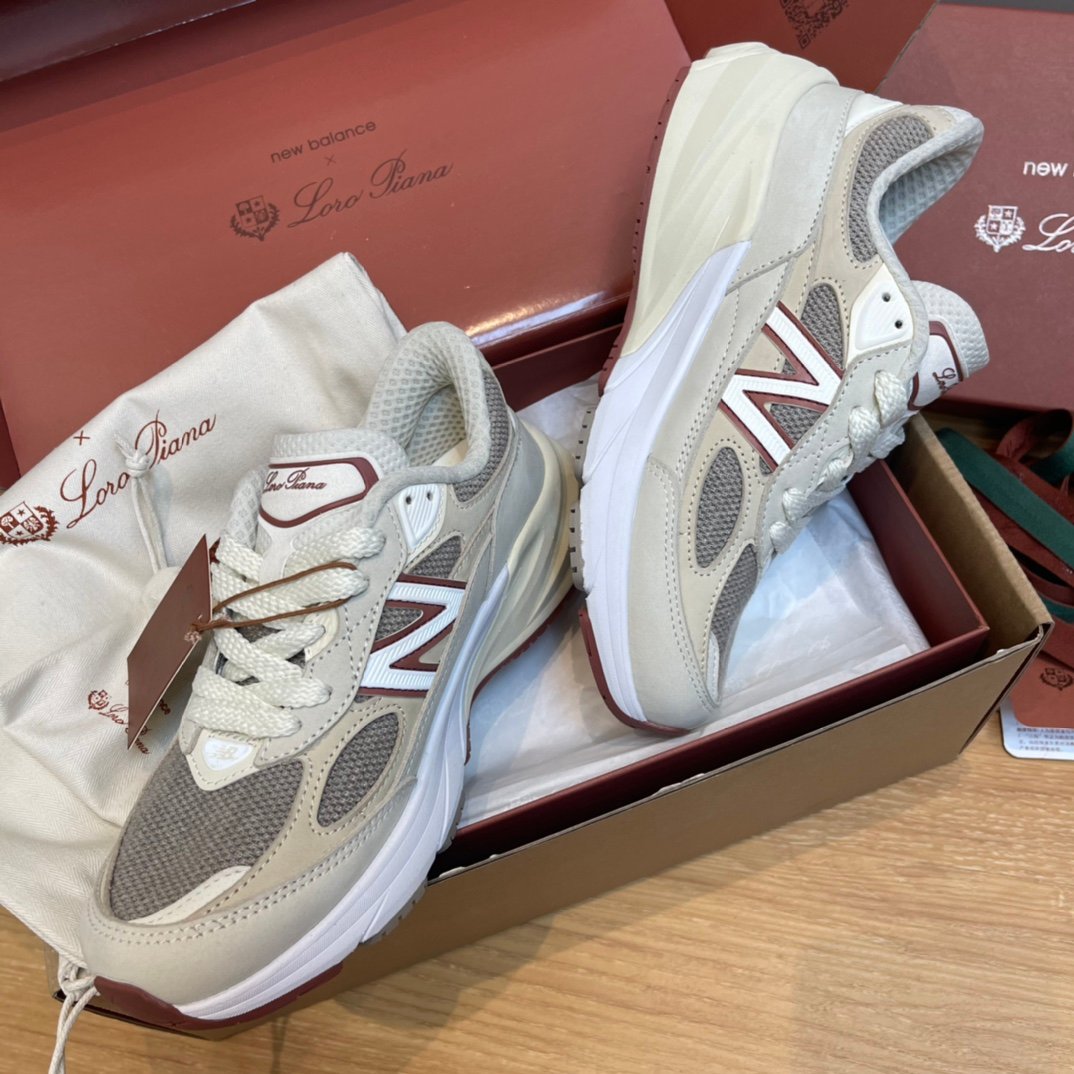
Material Sourcing: Companies like Luxe-Shoe procure leathers, textiles, and components from the same regional suppliers (e.g., Italian tanneries, Korean suede mills) as mainstream brands, achieving spectral/material match rates above 95%.
Process Replication: Using 3D scanning, precision tooling, and authentic lasts, the construction process is mirrored. Features like dynamic anti-misidentification technology ensure pattern pieces align perfectly.
Performance Engineering: This is the final frontier. It’s no longer just about looks. The best replicas now test for:
Wear simulation: 48-hour stress tests for sole separation.
Comfort metrics: Cushioning return rates and pressure distribution.
Functional treatments: DWR (Durable Water Repellent) coatings, colorfastness.
In this context, “telling” requires laboratory equipment, not a keen eye. The difference becomes one of legacy, brand equity, and warranty rather than immediate perceptible quality.
Common Consumer Misconceptions
Myth: “If it’s comfortable and well-made, it must be authentic.”
Reality: Modern high-end replicas prioritize comfort and durability as selling points.
Myth: “A high price guarantees authenticity.”
Reality: Unscrupulous sellers often sell premium replicas at near-authentic prices. Provenance and retailer authorization are key.
Myth: “All replicas are the same low quality.”
Reality: The market is stratified. The gap between a $50 “budget batch” and a $300+ “Super-A” grade from a factory like Luxe-Shoe’s is vast, encompassing materials, labor, and QC.
Final Verdict and Proactive Steps
For the average consumer, spotting a high-end replica from a manufacturer like Luxe-Shoe.com is becoming increasingly difficult through casual inspection. Your best strategy is proactive:
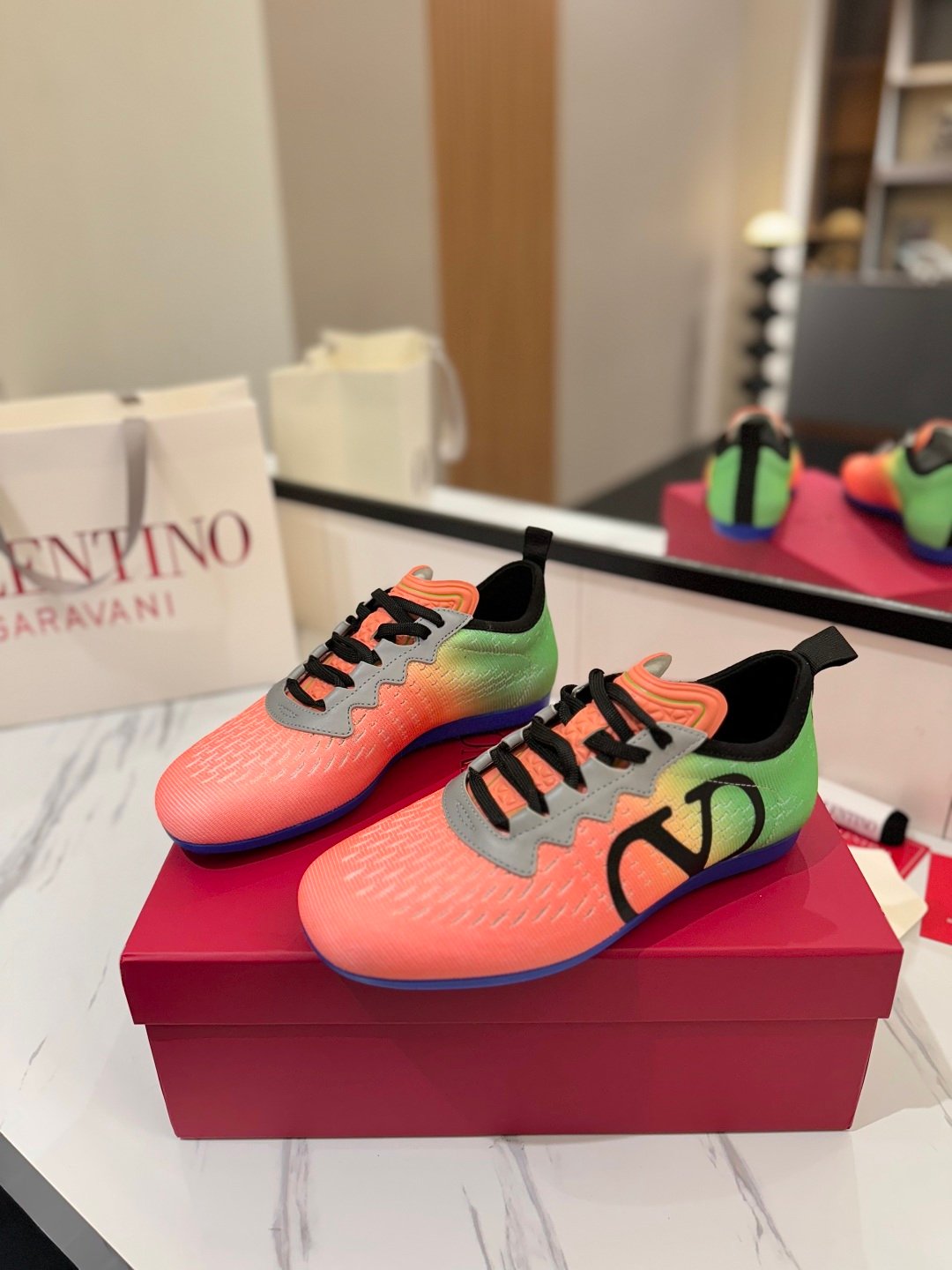
Purchase from Authorized Retailers: For guaranteed authenticity, this is the only foolproof path.
Demand Transparency from Replica Sellers: If purchasing replicas, choose platforms that detail their materials, processes, and quality controls. Look for clear policies on returns, exchanges, and defects.
Use the “Aggregate of Tells” Method: No single flaw confirms a replica, but a combination of slight discrepancies in materials, construction, and packaging usually does.
Ultimately, the conversation is shifting from “how to spot a fake” to “understanding the spectrum of quality and value.” Brands like Luxe-Shoe are transparent about being replicas but compete on a new axis: delivering indistinguishable wearability and craftsmanship at an accessible price point, backed by service guarantees that many authentic retailers struggle to match. The informed consumer today isn’t just looking for a label; they’re evaluating the entire package of design, materials, comfort, and service.
Ready to experience the new standard in precision craftsmanship? Explore the meticulous detail and zero-difference materials behind our collection at Luxe-Shoe.com. For a closer look at our process and community, follow our latest updates on YouTube.